HighPerformance Weathering Steel Plate Solutions for Australia

High-Performance Weathering Steel Plate Solutions for Australia

Engineering durable metal structures for the Australian landscape with advanced corrosion resistance and structural integrity.

Steel Fabrication Landscape in Australia

Analyzing the intersection of metallurgy and the Australian climate.

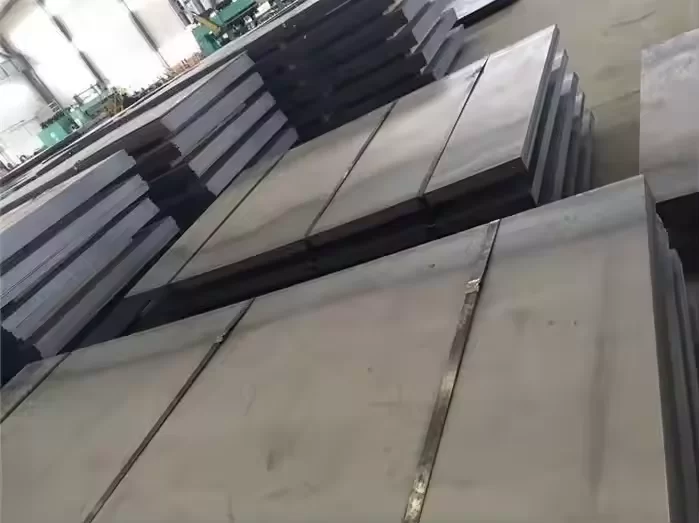
Australia's vast geography and extreme climatic variations—from the humid coasts of Queensland to the arid Outback—place immense stress on metal structures. The demand for cor ten steel plate has surged as architects and engineers seek materials that can withstand high UV exposure and saltwater aerosols without the need for frequent repainting.

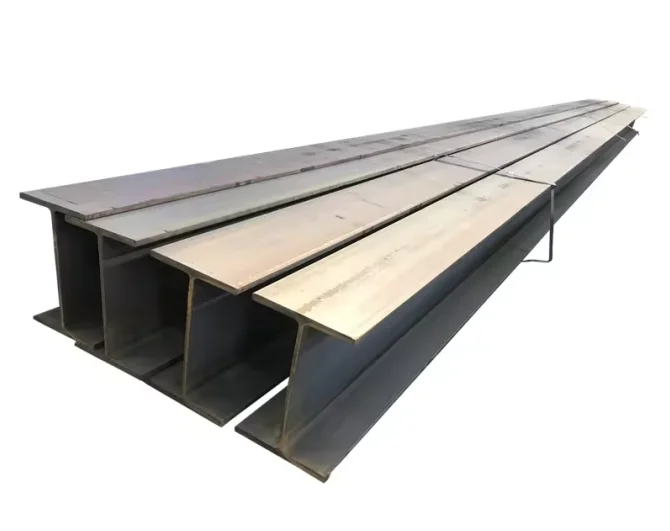
In the mining and infrastructure sectors, the utilization of mild low alloy steel is critical for balancing strength-to-weight ratios while ensuring weldability in remote field locations. The Australian market prioritizes standards that meet AS/NZS specifications to ensure seismic and wind-load stability.

Currently, the industry is shifting toward high-efficiency low carbon steels to reduce the overall carbon footprint of construction projects, aligning with national net-zero goals while maintaining the rigorous safety standards required for large-scale metallic structural manufacturing.
Evolution of Steel Rolling and Fabrication

From traditional smelting to precision digital rolling technology.

Market Development History

Historically, the Australian steel market relied heavily on basic carbon steels. In the late 20th century, the introduction of specialized corten steel sheets revolutionized outdoor sculpture and bridge engineering, replacing costly galvanized coatings with a stable, protective oxide layer.

By the 2010s, the focus shifted toward alloy optimization. The refinement of mild low alloy steel allowed for thinner, lighter sections without compromising load-bearing capacity, significantly reducing logistics costs across the Australian continent.

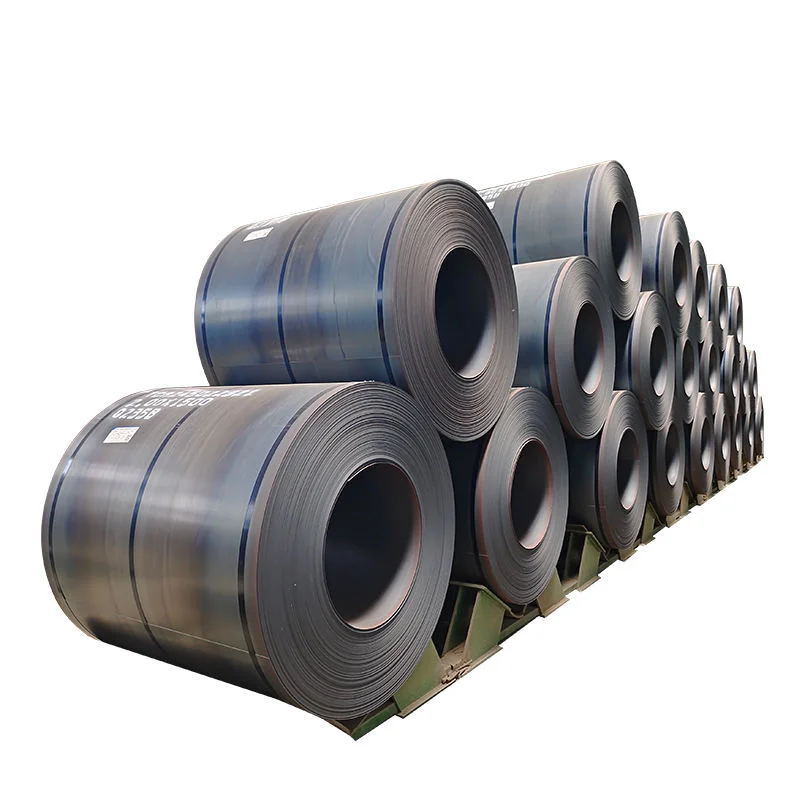
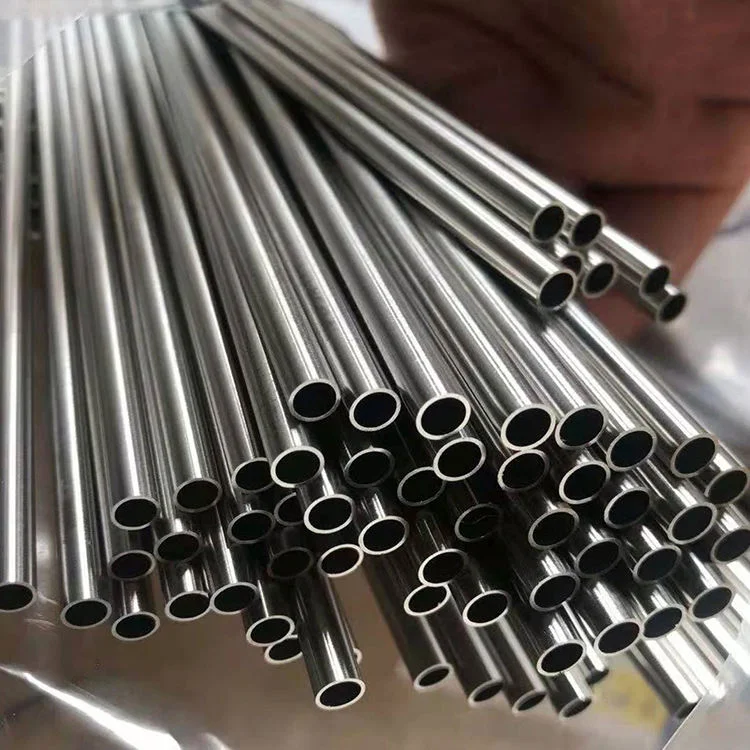
Modern fabrication now integrates CNC precision and automated rolling processes, enabling the production of complex geometries that were previously impossible, ensuring that every plate meets stringent ISO and Australian standards for metallurgical purity.

Future Development Trends

Green Hydrogen Smelting

Integration of hydrogen-based reduction to produce ultra-low emission steel, targeting the sustainability demands of the Australian government.

Smart Alloy Customization

Development of nano-alloyed steels that offer extreme corrosion resistance specifically tuned for the Great Barrier Reef coastal zones.

Modular Structural Integration

A shift toward prefabricated modular components using high-strength low-alloy steels to minimize on-site labor in remote mining regions.

Industry Trends and Future Outlook

Forecasting the trajectory of metal structural manufacturing in the Oceania region.

Sustainable Metallurgy
Transitioning toward recycled scrap melting and low-carbon footprints to meet Australian ESG mandates.
Digital Twin Fabrication
Implementing AI-driven simulation for stress testing structural plates before physical rolling.
Advanced Weathering
Enhanced alloy compositions for faster patina formation in high-humidity coastal regions.
Adaptive Sourcing
Dynamic supply chain management to stabilize costs against global volatility in alloy prices.

Industry Outlook

Google search trends indicate a rising interest in "sustainable urban architecture" across Melbourne and Sydney, which correlates with an increased demand for aesthetically pleasing, low-maintenance materials like weathering steel.

Over the next 3-5 years, the integration of automated robotic welding with high-performance plates will likely reduce construction lead times by 20%, enabling faster infrastructure deployment for Australia's growing transport networks.

Localized Applications Across Australia

Practical implementations of high-grade steel in diverse Australian environments.

01. Coastal Sea Walls & Piers

Utilization of weathering steel plate for marine-adjacent structures where the natural patina provides a barrier against salt-spray corrosion.

02. Outback Mining Infrastructure

Heavy-duty supports using mild low alloy steel for mineral processing plants in Western Australia, ensuring structural stability under extreme heat.

03. Modern Urban Facades

Architectural cladding in Sydney's business district using corten steel sheets to create a rustic, industrial aesthetic that blends with urban landscapes.

04. Agricultural Grain Silos

Large-scale storage solutions employing low carbon steels for cost-effective, weldable, and durable containers in the Wheat Belt.

05. Transport Bridge Girders

Long-span railway bridges utilizing advanced weathering alloys to eliminate the need for repetitive painting cycles in remote regional areas.

Brand Story

Global Development Journey of Xingtai Baidi Technology Co., Ltd.

Industrial Foundations

Established with a focus on high-precision steel rolling, solving the pain point of dimensional inconsistency in heavy plates.

Alloy Innovation

Developed proprietary processing techniques for weathering steels, significantly reducing the time required for stable patina formation.

Global Expansion

Expanded logistics networks to Oceania, ensuring seamless delivery of structural steel to the Australian mining and construction sectors.

Certification Excellence

Achieved international quality certifications, aligning our production with the rigorous AS/NZS standards for structural safety.

Sustainable Future

Investing in green steel technology to provide the next generation of carbon-neutral structural materials for global clients.

Australian Steel Fabrication FAQ

Expert answers to common technical questions regarding weathering and alloy steels.

How does Cor Ten steel plate perform in Australian coastal salt air?

In high-chloride coastal environments, the protective patina of weathering steel can be slower to stabilize. We recommend specific alloy grades with increased Chromium and Nickel content for maximum salt-air resistance.

What are the welding requirements for mild low alloy steel in mining equipment?

Mild low alloy steel requires specific filler metals that match the base metal's chemical composition to prevent galvanic corrosion and ensure structural weld integrity under high-stress mining loads.

Can Corten steel sheets be used for interior design in Sydney homes?

Yes, however, for interior use, we recommend applying a clear sealant to the weathered surface to prevent rust runoff from staining interior flooring and walls.

What is the primary advantage of low carbon steels in modular construction?

Low carbon steels offer superior ductility and ease of forming, making them ideal for complex modular bends and high-speed robotic welding in prefabricated facilities.

How do I accelerate the patina process on weathering steel plates in dry climates?

In arid regions of Australia, the lack of moisture can slow oxidation. Controlled saltwater spraying during the installation phase can help achieve a uniform protective layer more quickly.

Are these structural steels compliant with AS/NZS standards?

Our production processes are strictly aligned with international standards and tailored to meet the specific chemical and mechanical requirements of Australian AS/NZS structural steel codes.

Secure Your Structural Steel Supply

Contact our technical engineering team today for custom specifications and delivery logistics across Australia.

Contact Us Now

If you are interested in our products, you can choose to leave your information here, and we will be in touch with you shortly.