Hit enter to search or ESC to close
27 November 2025
In the vast landscape of industrial materials, few possess the versatility and critical importance of galvanized sheet metal. As a cornerstone for countless applications across diverse sectors, its demand consistently reflects its unparalleled utility. The process of galvanization, primarily involving the immersion of steel in molten zinc, bestows upon it a remarkable resistance to corrosion, significantly extending its lifespan and reducing maintenance costs compared to untreated steel. When searching for galvanized sheet metal for sale, understanding its fundamental advantages is paramount. This material doesn't just offer structural integrity; it provides a robust defense against environmental degradation, making it an indispensable choice for projects exposed to harsh conditions. From roofing and ventilation systems to automotive components and agricultural equipment, its protective qualities ensure long-term performance and reliability. The global galvanized steel market, valued at approximately $80 billion in 2022, is projected to reach over $110 billion by 2030, underscoring its growing adoption and economic significance. This expansion is driven by increasing infrastructure development, manufacturing advancements, and a persistent need for durable, cost-effective materials that stand the test of time and elements. Selecting the right type and supplier of galvanized sheet metal is not merely a procurement decision; it's an investment in resilience, longevity, and ultimately, the success of your project.
The technical superiority of galvanized sheet metal stems directly from the innovative application of zinc. The most prevalent method, hot-dip galvanization, involves immersing cleaned steel into a bath of molten zinc at temperatures around 450°C (840°F). During this process, a metallurgical bond forms between the zinc and the steel, creating a series of iron-zinc alloy layers beneath a pure zinc outer layer. This layered structure provides dual protection mechanisms: it acts as a physical barrier, isolating the steel from corrosive agents like moisture and oxygen, and it offers cathodic (sacrificial) protection. If the coating is scratched or damaged, the surrounding zinc, being more electrochemically active than steel, corrodes preferentially, thereby protecting the exposed steel from rust. This self-healing property is a critical advantage over paints or other coatings that, once breached, can accelerate corrosion at the damaged site. Different coating weights, designated by standards like G60, G90, G120, or G210 (referring to ounces per square foot or grams per square meter of zinc on both sides), dictate the level of corrosion resistance and are selected based on the intended service environment. For instance, a G90 coating (approximately 0.90 oz/ft² or 275 g/m²) is a common choice for outdoor applications, offering robust protection for decades. Beyond hot-dip, electro-galvanizing provides a thinner, more uniform zinc coating, ideal for applications requiring precision and a superior surface finish for subsequent painting. Further enhancements can include chromate passivation or other organic coatings applied over the zinc layer, improving adhesion, reducing white rust formation, and providing additional aesthetic or functional benefits. These technical details are crucial for material specifiers, ensuring that the chosen galvanized sheet metal precisely matches the performance requirements of their projects.
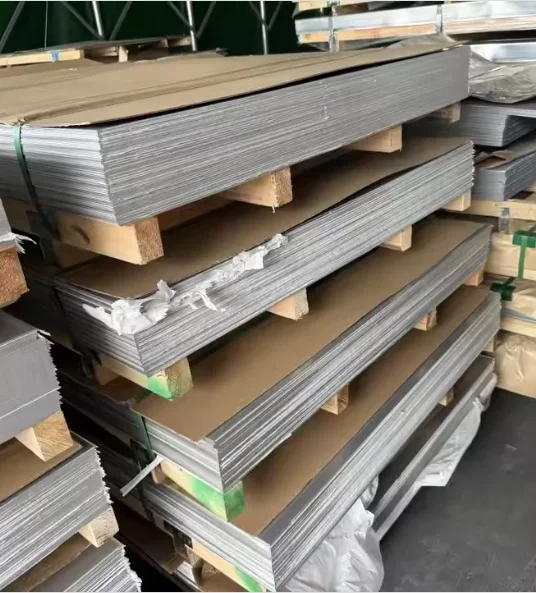
Understanding the critical specifications and adherence to industry standards is vital when evaluating galvanized sheet metal. These parameters define the material's performance, suitability for specific applications, and overall quality. Key specifications include:
· Thickness Gauge: Typically measured in millimeters (mm) or inches, or expressed as a gauge number (e.g., 26 gauge, 18 gauge). A lower gauge number indicates a thicker sheet. Standard thicknesses range from 0.2 mm to 3.0 mm, affecting rigidity, strength, and ease of fabrication.
· Width and Length: Standard coil widths often range from 914 mm (36 inches) to 1524 mm (60 inches), with custom lengths available for cut sheets to minimize waste and labor.
· Coating Thickness (Weight): As discussed, specified by standards like G60, G90, G120 (ASTM A653) or Z180, Z275, Z350 (EN 10346), indicating the total amount of zinc on both sides of the sheet. Higher coating weights provide superior corrosion resistance but can sometimes affect formability.
· Surface Finish:
o Regular Spangle: The natural, crystalline pattern formed during hot-dip galvanization, visible to the eye. Offers excellent corrosion resistance.
o Minimized Spangle: Achieved by controlling the solidification process, resulting in a less pronounced pattern, often preferred for aesthetic reasons or when painting.
o Extra Smooth/Skin-Passed: Further processed to flatten the surface and improve uniformity, ideal for applications requiring high-quality paint finishes or deep drawing.
· Material Grade: Specifies the mechanical properties of the base steel. Common grades include:
o Commercial Quality (CQ/CS): Suitable for general forming and non-structural applications.
o Drawing Quality (DQ/DS): For more severe forming operations.
o Structural Quality (SQ/SS): With guaranteed minimum yield and tensile strengths, essential for load-bearing structures.
Adherence to international standards such as ASTM A653/A653M (for Hot-Dipped Galvanized Sheet Steel), EN 10346 (for Continuously Hot-Dip Coated Steel Flat Products), and JIS G3302 (for Hot-Dip Galvanized Steel Sheet and Coil) ensures consistency in quality, performance, and compatibility across different suppliers and applications. Reputable manufacturers will always provide material test certificates verifying compliance with these standards, offering crucial assurance of product integrity.
Choosing the right manufacturer for galvanized sheet metal is as critical as selecting the material itself. The market offers a wide array of suppliers, each with distinct strengths in production capabilities, quality control, and customer service. Understanding these differences can significantly impact project timelines, costs, and the ultimate performance of the end product. Below is a comparative table illustrating key considerations when evaluating potential suppliers. This table uses hypothetical manufacturers to highlight the range of offerings and specialized areas you might encounter.
Feature/Criterion | Global Metals Co. | Precision Steel Solutions | EcoCoat Industries | Standard Supply Corp. |
Primary Focus | High-volume, standard gauges | Specialty, thin gauge, advanced coatings | Sustainable, high-performance, custom | Cost-effective, general purpose |
Coating Types Available | Hot-Dip (G60, G90, G120) | Hot-Dip (G90, G120, G165), Electro-galvanized | Hot-Dip (G90, G210), Zincalume, Pre-painted | Hot-Dip (G60, G90) |
Available Gauges (Thickness) | 0.5mm - 3.0mm (24 ga - 11 ga) | 0.2mm - 1.5mm (30 ga - 16 ga) | 0.3mm - 2.5mm (28 ga - 12 ga) | 0.6mm - 3.0mm (22 ga - 11 ga) |
Minimum Order Quantity (MOQ) | 20 Metric Tons (Coil) / 5 Metric Tons (Sheet) | 5 Metric Tons (Coil) / 1 Metric Ton (Sheet) | 10 Metric Tons (Coil) / 2 Metric Tons (Sheet) | 25 Metric Tons (Coil) / 10 Metric Tons (Sheet) |
Lead Time (Standard Orders) | 3-4 Weeks | 4-6 Weeks (for specialty) | 5-7 Weeks (for custom) | 2-3 Weeks |
Certifications | ASTM A653, ISO 9001 | ASTM A653, EN 10346, IATF 16949 | ASTM A653, EN 10346, LEED Compliant | ASTM A653 |
Typical Price Range (per ton) | Mid-Range | Higher-End | Premium | Budget-Friendly |
Value-Added Services | Slitting, Shearing | Precision Blanks, Laser Cutting | Custom Coil Coating, Fabrication Advice | Basic Shearing |
This comparison highlights that while some suppliers focus on bulk, cost-effective solutions, others specialize in niche markets requiring tighter tolerances, advanced coatings, or comprehensive value-added services. For instance, an automotive manufacturer might prioritize a supplier like Precision Steel Solutions due to IATF 16949 certification and precision blanking capabilities, despite a higher price point. Conversely, a large construction project with standard requirements might opt for Global Metals Co. or Standard Supply Corp. for their competitive pricing and quicker lead times on common grades. Always request detailed quotes, material test certificates, and samples when making a final decision.
The inherent versatility of galvanized sheet metal extends far beyond its standard forms, offering extensive customization opportunities to meet the precise demands of specialized applications. A significant advantage of working with reputable suppliers is their capability to provide value-added processing and bespoke solutions. This is particularly crucial in industries where specific dimensions, unique finishes, or pre-fabricated components can dramatically streamline production, reduce waste, and enhance project efficiency. Key customization options include:
· Precision Slitting and Shearing: Coils can be accurately slit into narrower widths or cut into specific sheet lengths. This pre-processing eliminates the need for on-site cutting, reducing labor costs, material scrap, and potential errors, especially for high-volume manufacturing lines.
· Gauge and Coating Thickness Variation: While standard gauges are common, some projects demand ultra-thin sheets for lightweight structures or exceptionally thick coatings for extreme corrosive environments. Suppliers often accommodate these specific requirements, providing materials perfectly matched to the application's lifespan and performance criteria.
· Surface Finish Modifications: Beyond regular and minimized spangle, options like chemically treated or oiled surfaces can be applied. Chemical treatments improve paint adhesion and corrosion resistance, while oiling protects the surface during transit and storage, particularly beneficial for parts requiring deep drawing or stamping.
· Perforating and Embossing: For applications requiring ventilation, filtration, or enhanced aesthetics (e.g., architectural panels), galvanized sheets can be perforated with various hole patterns or embossed with textures. This adds functionality and visual appeal while maintaining the material's protective properties.
· Pre-painting (PPGI/PPGL): Galvanized sheet metal can be supplied with a pre-applied paint system (Pre-Painted Galvanized Iron or Pre-Painted Galvalume). This factory-controlled process ensures a uniform, durable finish, offering a wider range of colors and enhanced UV resistance, eliminating post-fabrication painting.
· Bending and Forming Services: Some manufacturers or fabricators offer pre-bending, roll forming, or pressing services, delivering components ready for assembly. This significantly reduces manufacturing lead times for the end-user and ensures consistency in part geometry.
By leveraging these customization capabilities, businesses can optimize material usage, reduce fabrication complexities, and ensure that the galvanized sheet metal perfectly integrates into their specific design and manufacturing processes, leading to superior final products and significant cost savings over the project lifecycle.
Galvanized sheet metal's exceptional durability and corrosion resistance have cemented its status as an essential material across a staggering array of industries. Its real-world impact is evident in the longevity and reliability of structures and products globally.
· Construction and Infrastructure: This is perhaps the largest consumer. Galvanized steel is widely used for roofing (corrugated and standing seam panels), siding, wall cladding, and structural elements like studs, purlins, and girts. For example, a typical hot-dip galvanized steel roof can last 40-70 years, significantly outperforming ungalvanized alternatives that might require replacement within 10-20 years in similar conditions. It’s also integral in HVAC ductwork, ensuring efficient and corrosion-free air distribution systems in commercial and residential buildings. Bridges, guardrails, and street furniture also heavily rely on galvanized components for sustained performance against weather and urban decay.
· Automotive Industry: Manufacturers extensively use galvanized steel for vehicle bodies, chassis components, and exhaust systems. The protection against rust is critical for vehicle longevity and safety, especially in regions exposed to road salts and high humidity. It's estimated that approximately 70-80% of a modern car body is made from galvanized steel, contributing significantly to a car’s rust-through warranty, which often extends for 10-12 years.
· Agriculture and Farming: Silos, grain bins, animal enclosures, irrigation systems, and agricultural machinery frequently utilize galvanized sheet metal due to its resistance to moisture, chemicals, and manure. A galvanized grain silo, for instance, can protect stored produce for decades, minimizing spoilage and ensuring food security.
· HVAC Systems: Beyond ductwork, galvanized steel is found in furnace casings, air handlers, and external units, where it must withstand continuous exposure to temperature fluctuations and condensation without corroding.
· Appliances: Many domestic and commercial appliances, including washing machines, dryers, refrigerators, and dishwashers, use galvanized steel for their internal and external casings. This ensures durability and hygiene in moisture-rich environments, extending the lifespan of these essential household items.
· Industrial Equipment and Enclosures: Electrical cabinets, machine housings, storage tanks, and conveyor systems in factories often rely on galvanized sheet metal for robust protection against industrial environments, including chemical exposure and mechanical wear.
In a notable case study, a major data center construction opted for all external cladding and internal structural frameworks to be composed of galvanized steel. The initial cost was marginally higher than painted conventional steel, but projections showed a 35% reduction in long-term maintenance costs over a 50-year service life, primarily due to the elimination of rust-related repairs and repainting cycles. This demonstrates the tangible economic and operational benefits derived from specifying galvanized sheet metal in critical applications.
Making an informed decision when procuring galvanized sheet metal for sale is a strategic move that pays dividends in project longevity and reduced lifecycle costs. The market is saturated with options, but identifying a reliable supplier is paramount to securing your investment. Begin by prioritizing manufacturers or distributors with a proven track record of consistent quality and adherence to international standards like ASTM, EN, or JIS. Always request comprehensive material test certificates and quality assurance documentation for every batch. These documents provide verifiable proof of coating thickness, mechanical properties, and compliance, ensuring that the material you receive meets your exact specifications. Furthermore, evaluate a supplier's range of customization services. The ability to provide precision slitting, custom lengths, or specific surface treatments can significantly optimize your fabrication processes and minimize material waste, translating directly into cost savings and improved efficiency. Excellent customer support, including technical assistance and clear communication regarding lead times and delivery schedules, is another indicator of a trustworthy partner. Consider their after-sales service and willingness to address any concerns. Investing in high-quality galvanized sheet metal means choosing a product that will deliver superior corrosion protection, exceptional durability, and long-term performance, safeguarding your project from premature degradation. By focusing on these key aspects—quality, certification, customization, and reliable service—you can confidently navigate the market and procure galvanized sheet metal that truly stands the test of time, ensuring the success and resilience of your endeavors for decades to come.
Q1: What is galvanized sheet metal?
A1: Galvanized sheet metal is steel that has been coated with a layer of zinc to protect it from corrosion. The most common method is hot-dip galvanizing, where steel is immersed in molten zinc, creating a metallurgical bond and a robust, protective barrier.
Q2: Why choose galvanized sheet metal over plain steel?
A2: Galvanized sheet metal offers superior corrosion resistance compared to plain steel. The zinc coating protects the steel both as a physical barrier and through cathodic protection (sacrificial corrosion), significantly extending the material's lifespan and reducing maintenance costs, especially in harsh or outdoor environments.
Q3: What are the common types of galvanized coatings?
A3: The most common are hot-dip galvanized (HDG) and electro-galvanized. HDG offers thicker, more durable coatings (e.g., G60, G90, G120 in ASTM standards, or Z180, Z275, Z350 in EN standards), ideal for outdoor and industrial use. Electro-galvanized coatings are thinner and more uniform, often used for aesthetic applications or when a smooth surface for painting is required.
Q4: How do I specify the correct galvanized sheet metal for my project?
A4: You should specify based on:
1. Thickness (Gauge): Required strength and rigidity.
2. Coating Weight: Level of corrosion protection needed (e.g., G90 for outdoor).
3. Surface Finish: Regular spangle, minimized spangle, or extra smooth.
4. Material Grade: Mechanical properties (e.g., commercial quality, structural quality).
5. Relevant Standards: Such as ASTM A653, EN 10346.
Q5: Can galvanized sheet metal be painted or welded?
A5: Yes, galvanized sheet metal can be painted and welded. For painting, proper surface preparation (cleaning, degreasing, and sometimes priming) is crucial for good adhesion. For welding, specific techniques and consumables are recommended to manage zinc fumes and ensure weld integrity, as zinc vaporizes at lower temperatures than steel.
Q6: What is the typical lifespan of galvanized sheet metal?
A6: The lifespan of galvanized sheet metal varies greatly depending on the thickness of the zinc coating and the severity of the environment. In typical atmospheric conditions, a G90 coating can last 20-50 years or even longer without significant maintenance. In less corrosive indoor environments, it can last for many decades.
Q7: Are there eco-friendly aspects to galvanized sheet metal?
A7: Yes. Steel is 100% recyclable, and the galvanization process contributes to steel's longevity, reducing the need for replacement and conserving resources. Zinc is also a naturally occurring element and largely recyclable. The extended service life of galvanized products means less frequent manufacturing and transportation, lowering their overall environmental footprint.