Hit enter to search or ESC to close
9 March 2026
Sheet galvanized steel is a versatile material widely utilized across numerous industries, from construction and automotive to appliance manufacturing. This process significantly enhances the steel’s durability and resistance to corrosion. Choosing the right type of galvanized sheet is crucial for project success. This article will delve into the process, types, benefits, applications, and considerations for sourcing high-quality sheet galvanized steel. We’ll help you understand the specifications and factors to consider when making your purchase.
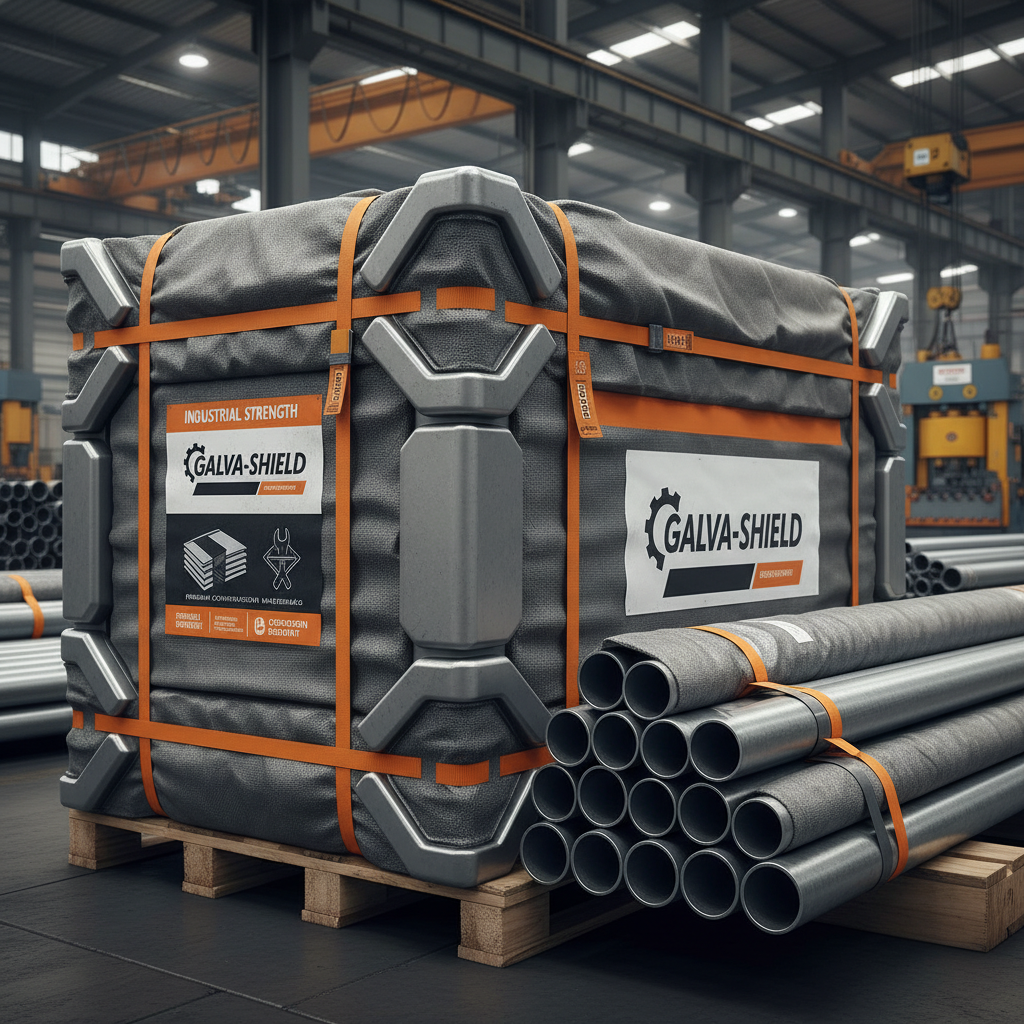
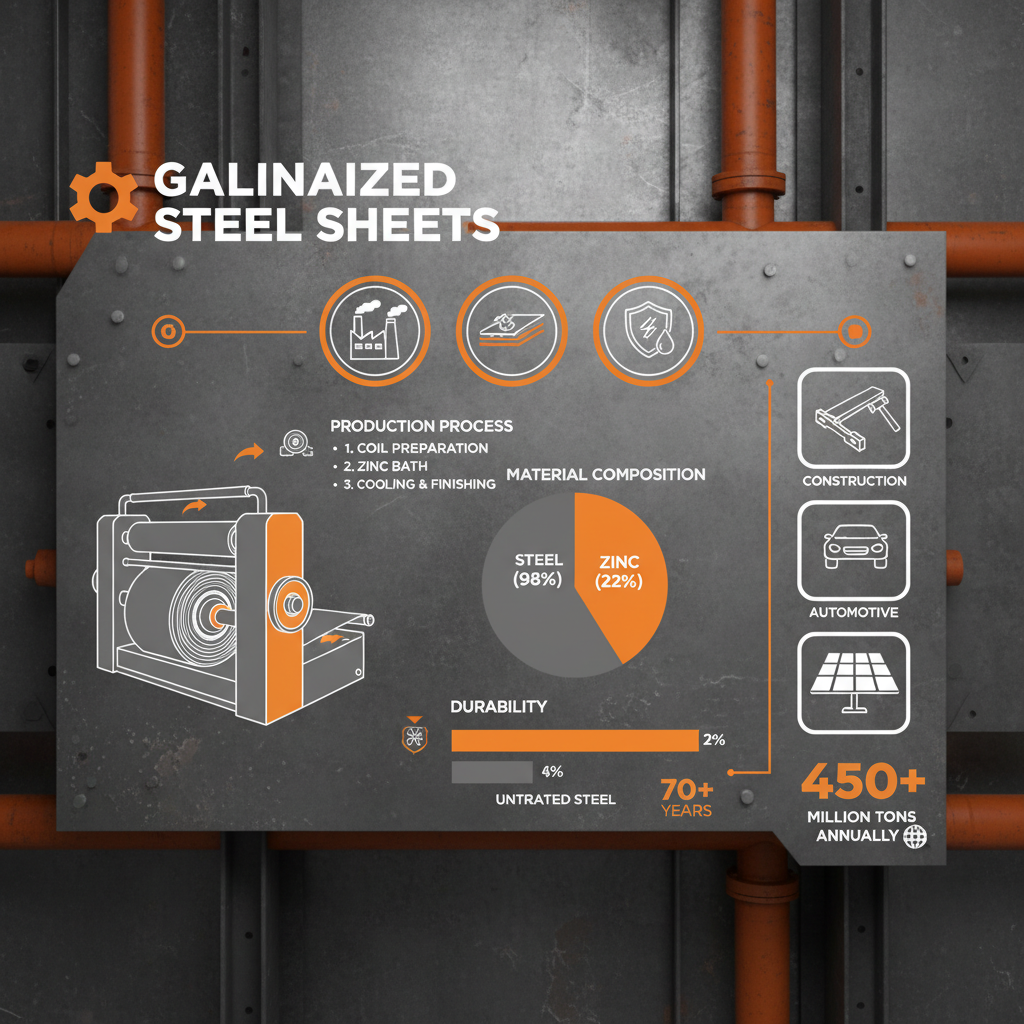
Galvanization is the process of applying a protective zinc coating to steel or iron to prevent rusting. The most common method is hot-dip galvanizing, where the steel is submerged in a bath of molten zinc. The zinc reacts with the steel, forming a metallurgical bond that provides a robust barrier against corrosion. This coating sacrifices itself to protect the underlying steel, even if the coating is scratched or damaged. Other methods include electrogalvanizing, galvannealing, and zinc spraying, each offering varying levels of protection and cost-effectiveness.
Key Benefit: Galvanization significantly extends the lifespan of steel, reducing maintenance costs and ensuring structural integrity over time.
Several types of sheet galvanized steel are available, each suited for different applications. These include:
Type Comparison:
• Hot-Dip Galvanized: Thickest coating, best corrosion resistance.
• Electrogalvanized: Thinner coating, good for indoor applications.
• Galvannealed: Excellent paint adhesion, ideal for formed parts.
The applications for sheet galvanized steel are incredibly diverse. It's a staple material in:
The corrosion resistance and durability make it a cost-effective and reliable material for long-lasting structures and products.
When sourcing sheet galvanized steel, consider the following:
BaidySteel offers a comprehensive range of sheet galvanized steel with diverse specifications. Here’s a sample:
Investing in high-quality sheet galvanized steel is a smart decision for any project requiring durability and corrosion resistance. By understanding the various types, applications, and factors to consider, you can ensure you select the right material for optimal performance and longevity. Partner with a trusted supplier like BaidySteel for reliable quality and expert support.
G60 and G90 refer to the weight of the zinc coating per square foot of steel. G90 has a thicker coating (0.90 ounces per square foot) than G60 (0.60 ounces per square foot). Consequently, G90 offers superior corrosion resistance and is recommended for outdoor applications or harsh environments where longevity is paramount. G60 is often sufficient for indoor or less demanding applications. Choosing between the two depends on the specific environmental conditions and the desired lifespan of the steel.
Yes, galvanized steel can be painted, but proper preparation is crucial. The zinc coating must be cleaned and lightly roughened to ensure good paint adhesion. Using a zinc-rich primer is highly recommended to enhance bonding and prevent corrosion underneath the paint layer. Not all paints are compatible with galvanized steel, so selecting a paint specifically designed for galvanized surfaces is essential for long-lasting results. Galvannealed steel offers particularly good paint adhesion.
While highly durable, galvanized steel isn't without limitations. It can be susceptible to corrosion in extremely acidic or alkaline environments. Also, the galvanization process can introduce minor imperfections on the surface, which may not be ideal for cosmetic applications. Additionally, cutting or welding galvanized steel can remove the zinc coating in those areas, requiring re-galvanization or protective coating application to maintain corrosion resistance.