Black plate steel, a fundamental material in modern construction and manufacturing, plays a critical role in infrastructure development worldwide. Its versatility, stemming from its robust properties and cost-effectiveness, makes it indispensable for a broad spectrum of applications, from shipbuilding and automotive industries to building construction and pipeline networks. Understanding its characteristics and applications is crucial for engineers, architects, and policymakers alike, as it impacts global trade, economic growth, and sustainable development.
The global demand for black plate steel is closely tied to economic cycles and infrastructure spending. Emerging economies, particularly in Asia and Africa, represent significant growth markets, driven by rapid urbanization and industrialization. However, fluctuating raw material prices, trade tariffs, and geopolitical factors can create volatility in the supply chain. Addressing these challenges requires strategic sourcing, technological innovation, and international collaboration to ensure a stable and reliable supply of this essential material.
Black plate steel's impact extends beyond purely economic concerns. Its role in constructing resilient infrastructure is paramount in disaster preparedness and recovery. Its durability and structural integrity contribute to safer buildings and more reliable transportation networks, protecting communities from the impacts of natural disasters and supporting long-term societal wellbeing.
Defining Black Plate Steel and its Significance
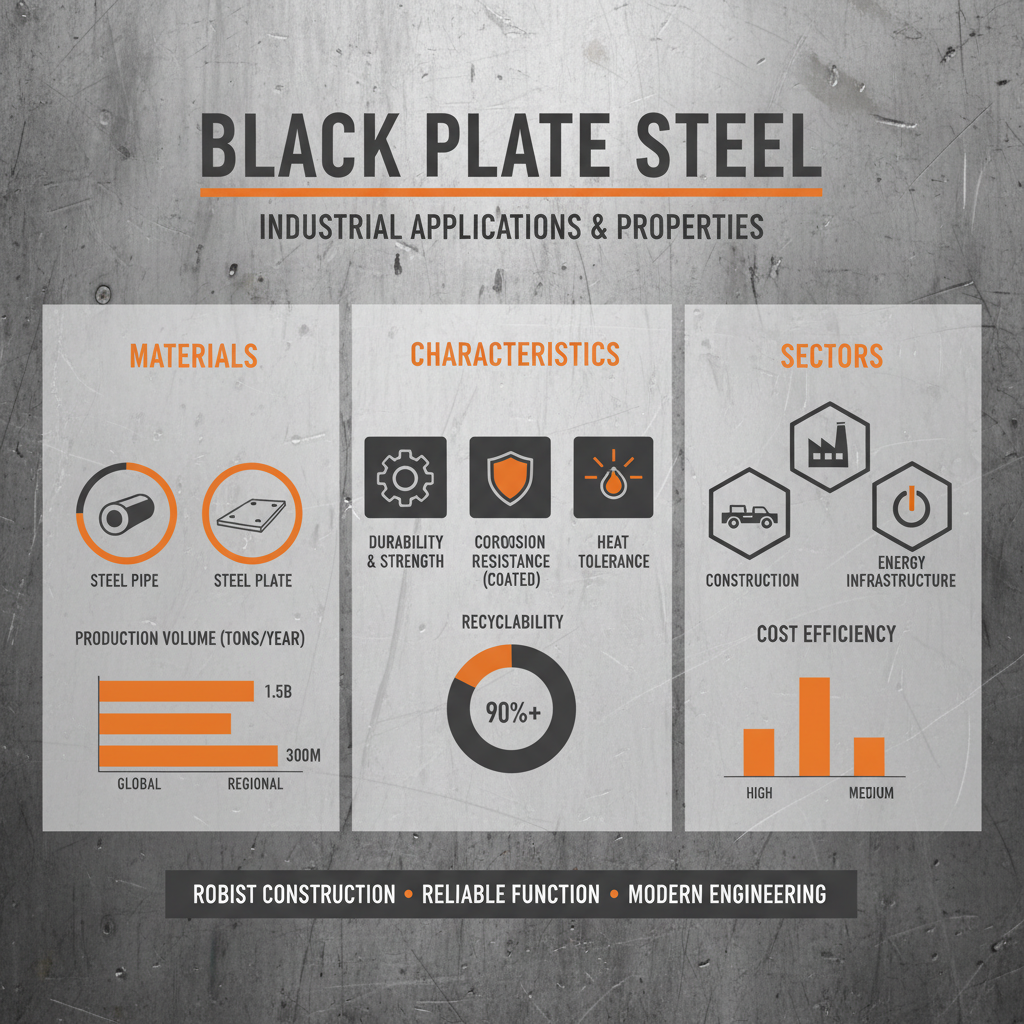
Black plate steel is essentially hot-rolled steel that hasn't undergone any finishing processes like galvanizing or painting. This results in a dark, slightly rough surface – hence the “black” designation. It's prized for its strength, weldability, and cost-effectiveness, making it a foundational material in many engineering projects. black plate steel provides the base material for a wide range of downstream products.
Its significance lies in its accessibility and versatility. While not as corrosion-resistant as galvanized steel, black plate steel is suitable for applications where a protective coating will be applied or where corrosion isn't a primary concern. It's a cornerstone of modern industry, enabling efficient and scalable production of vital infrastructure and manufactured goods.
Global Relevance and Market Dynamics
The global black plate steel market is substantial, with production concentrated in countries like China, India, Japan, and the United States. According to the World Steel Association, global crude steel production reached nearly 1.9 billion tonnes in 2023, highlighting the sheer scale of the industry. Fluctuations in demand are often linked to construction activity, automotive manufacturing, and energy infrastructure projects.
Trade policies and geopolitical events significantly impact the market. Tariffs on steel imports, as seen in recent years, can disrupt supply chains and increase costs for consumers. Furthermore, events like the Russia-Ukraine war have caused volatility in raw material prices, affecting steel production and availability worldwide.
A key challenge is balancing economic growth with environmental sustainability. Steel production is energy-intensive and contributes to greenhouse gas emissions. The industry is actively investing in cleaner production technologies, such as electric arc furnaces and carbon capture utilization and storage (CCUS) to mitigate its environmental footprint.
Understanding the Composition of Black Plate Steel
Black plate steel is primarily composed of iron, with varying amounts of carbon and other alloying elements like manganese, silicon, and phosphorus. The carbon content typically ranges from 0.05% to 2.1% by weight, significantly influencing its strength and hardness. Lower carbon content generally results in greater ductility and weldability, while higher carbon content enhances hardness and tensile strength.
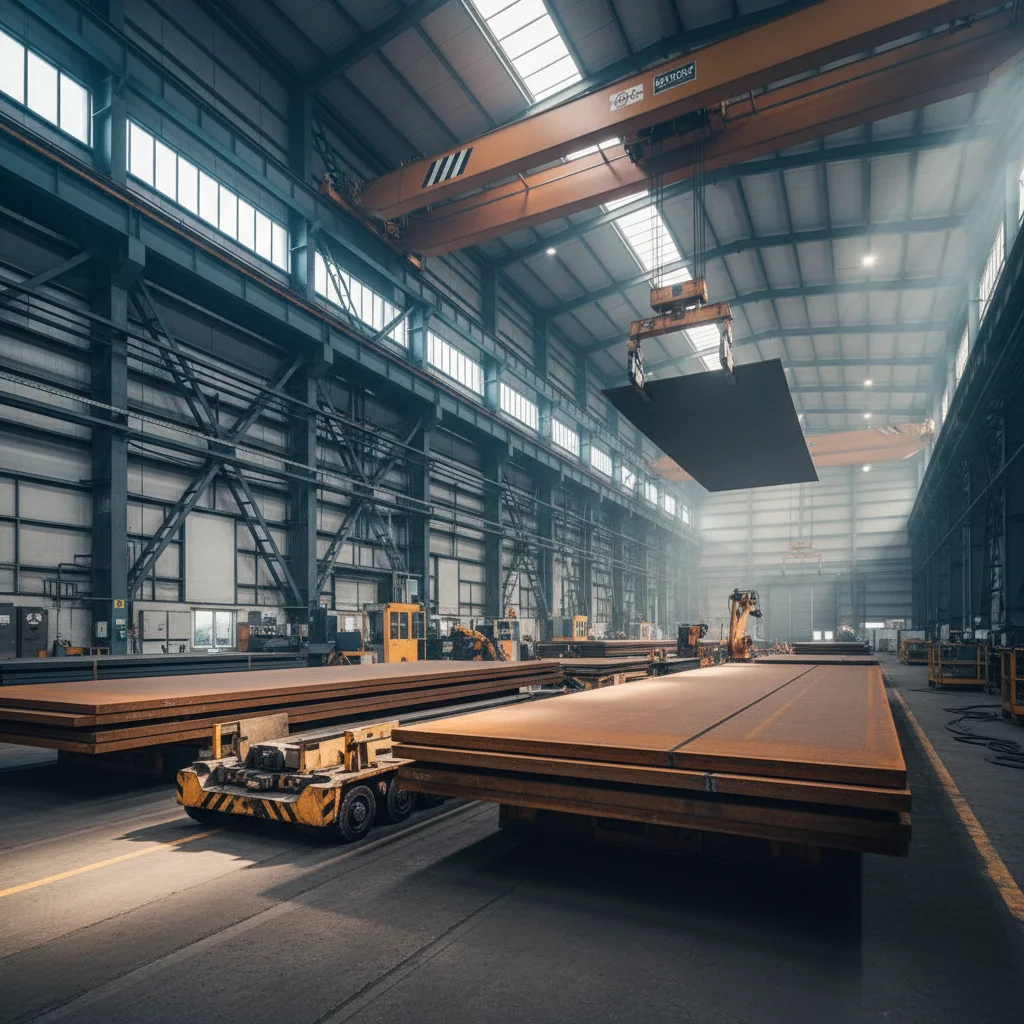
The manufacturing process begins with converting iron ore into molten iron, followed by refining to remove impurities. The molten iron is then rolled into various shapes, such as plates, sheets, and coils. The resulting black plate steel retains its dark surface due to the formation of iron oxide during the hot rolling process. Different grades of black plate steel are produced based on their specific chemical composition and mechanical properties.
Understanding the composition allows for tailored material selection. For example, applications requiring high strength and wear resistance might utilize higher-carbon black plate steel, while those prioritizing weldability and formability might opt for lower-carbon variants. black plate steel suppliers offer detailed specifications for each grade, aiding engineers in making informed decisions.
Key Properties Driving Black Plate Steel Applications
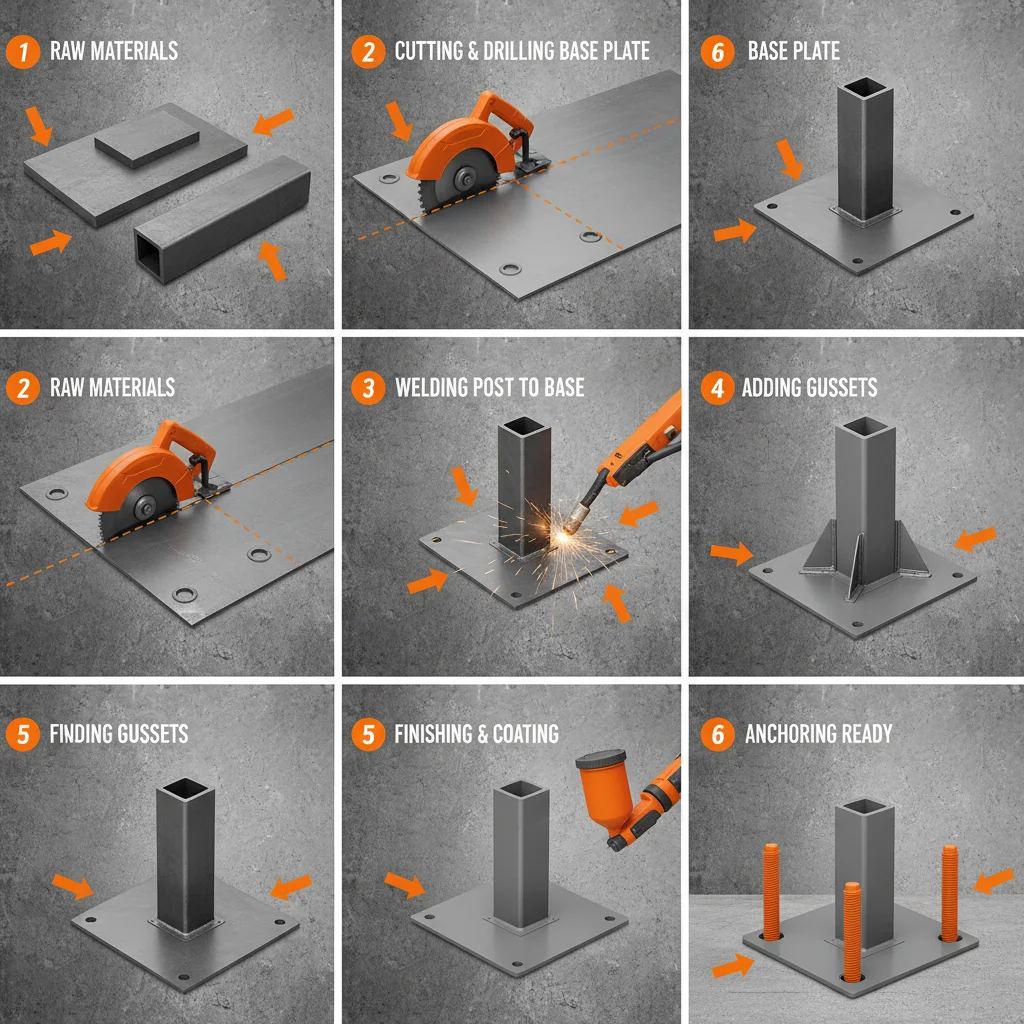
Several key properties underpin the widespread use of black plate steel. Its high tensile strength allows it to withstand significant loads without deformation, making it ideal for structural applications. Its weldability facilitates easy fabrication and assembly, reducing construction time and costs.
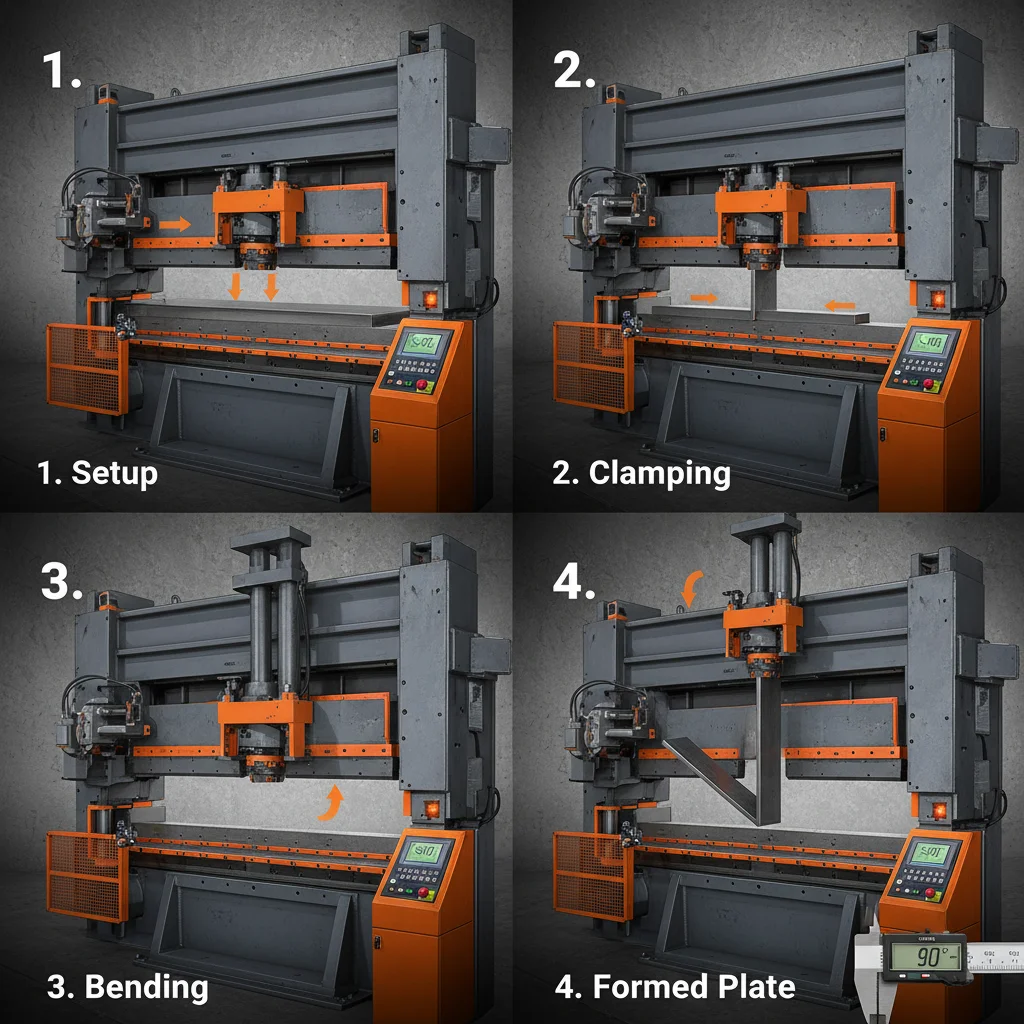
Furthermore, black plate steel exhibits good machinability, allowing for precise shaping and modification. Its relatively low cost compared to other materials contributes to its economic attractiveness. However, it’s important to acknowledge its susceptibility to corrosion, which often necessitates protective coatings or surface treatments.
Black Plate Steel Property Comparison
Diverse Applications Across Industries
Black plate steel finds applications in a multitude of sectors. In construction, it’s used for structural framing, decking, and cladding. The automotive industry utilizes it for body panels, chassis components, and exhaust systems. The shipbuilding industry relies on black plate steel for hull construction and internal structures.
Furthermore, it's a vital component in the manufacturing of pipelines for oil and gas transportation, storage tanks, and various industrial equipment. In post-disaster relief operations, black plate steel is often used for temporary shelters and infrastructure repair.
Advantages of Utilizing Black Plate Steel
The advantages of using black plate steel are multifaceted. Its cost-effectiveness makes it a financially attractive option for large-scale projects. Its strength and durability ensure long-term performance and structural integrity. The weldability simplifies fabrication and reduces assembly costs.
Moreover, the widespread availability of black plate steel ensures reliable supply chains. Its versatility allows for adaptation to a wide range of design requirements. By understanding these benefits, engineers and project managers can optimize material selection and project outcomes.
The long-term value is derived not only from these functional attributes but also from its contribution to safety and reliability in critical infrastructure, ultimately enhancing public wellbeing.
Future Trends and Innovations in Black Plate Steel
The future of black plate steel lies in advancements in production technology and material science. Research is focused on developing higher-strength, lower-alloy steels with improved weldability and corrosion resistance. The integration of digital technologies, such as AI-powered process control and predictive maintenance, is optimizing production efficiency and reducing waste.
Sustainable practices are gaining prominence, with a focus on reducing carbon emissions and promoting circular economy principles. The use of recycled steel and the development of alternative production methods, such as hydrogen-based steelmaking, are key areas of innovation.
Furthermore, the development of advanced coatings and surface treatments is enhancing the corrosion resistance of black plate steel, expanding its application range. The industry is responding to demands for more sustainable and environmentally friendly materials.
Overview of Black Plate Steel Innovation and Research Areas
| Innovation Area |
Current Status |
Potential Impact |
Implementation Timeline |
| Hydrogen-Based Steelmaking |
Pilot projects underway |
Significant reduction in carbon emissions |
10-20 years |
| Advanced Corrosion Coatings |
Commercial availability increasing |
Extended lifespan and reduced maintenance costs |
2-5 years |
| AI-Powered Process Optimization |
Early stages of implementation |
Improved efficiency and reduced defects |
5-10 years |
| High-Strength Low-Alloy (HSLA) Steels |
Widely adopted in various applications |
Enhanced strength and weldability |
Ongoing |
| Recycled Steel Integration |
Increasing percentage of recycled content |
Reduced environmental impact and resource conservation |
Ongoing |
| Digital Twins for Steel Structures |
Emerging technology in research and development |
Predictive maintenance and improved structural health monitoring |
7-15 years |
FAQS
The lifespan of structures using black plate steel varies greatly depending on the application, environmental conditions, and maintenance practices. Properly protected structures can easily last 50-100 years or more. However, in corrosive environments, frequent maintenance or protective coatings are crucial to prevent degradation. Regular inspections are vital for extending the service life and ensuring structural integrity.
Black plate steel is generally less expensive than galvanized steel upfront. Galvanization adds a cost for the zinc coating process. However, the longer lifespan and superior corrosion resistance of galvanized steel often result in lower lifecycle costs, as it requires less maintenance and fewer replacements over time. The best choice depends on the specific application and long-term budget considerations.
Common protective coatings for black plate steel include paints, powder coatings, and oil-based coatings. Epoxy coatings provide excellent corrosion resistance, while polyurethane coatings offer good durability and UV protection. The choice of coating depends on the environment, exposure conditions, and desired aesthetic finish. Proper surface preparation is crucial for optimal coating adhesion and performance.
Yes, black plate steel is highly recyclable. Steel is one of the most recycled materials globally, and recycling steel significantly reduces energy consumption and environmental impact compared to producing new steel from raw materials. Recycling infrastructure is well-established, making it a sustainable choice for construction and manufacturing.
Black plate steel is generally readily weldable using common welding processes like SMAW, GMAW, and FCAW. However, proper surface preparation is essential to remove any rust or scale. It is important to use the appropriate filler metal and welding parameters to achieve a strong and durable weld. Preheating may be necessary for thicker sections or in cold environments.
Several reputable steel suppliers offer black plate steel. Baidy Steel is a prominent example, offering a wide range of steel products and specifications. When selecting a supplier, consider factors such as product quality, delivery reliability, pricing, and technical support. Certifications and adherence to industry standards are also important indicators of supplier reliability.
Conclusion
Black plate steel remains a cornerstone of modern infrastructure and manufacturing due to its strength, versatility, and cost-effectiveness. From constructing buildings and bridges to fabricating automobiles and pipelines, its applications are vast and essential. Embracing sustainable practices in its production and utilizing advanced coatings to enhance its durability are crucial for mitigating its environmental impact and maximizing its long-term value.
Looking ahead, continued innovation in steelmaking technologies and a focus on circular economy principles will be pivotal in ensuring a sustainable supply of this vital material. Investing in research and development, promoting responsible sourcing, and fostering collaboration across the industry will unlock new opportunities and solidify black plate steel’s role in building a resilient and sustainable future. Visit our website at www.baidysteel.com to learn more.