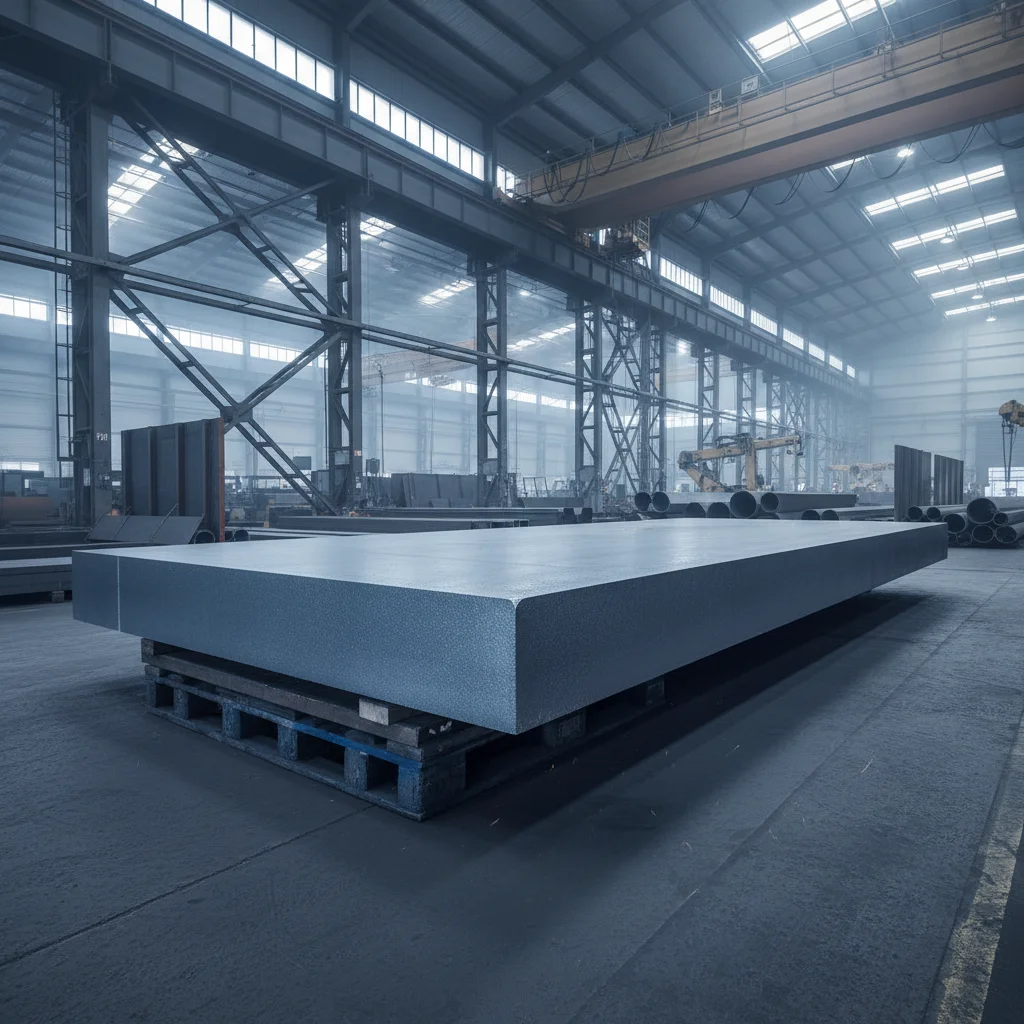
In the complex landscape of global energy infrastructure, the demand for precision-engineered materials has never been higher. While many focus on massive structural components, the strategic application of high-performance materials, often categorized in broader procurement as a small steel plate or specific pipeline component, is what ensures the integrity of oil and gas transport. Understanding the balance between mechanical strength and economic viability is key to maintaining safe fluid transport across diverse geographical terrains.
The global shift toward energy security requires materials that can withstand extreme internal pressures and corrosive environments. From the depths of offshore drilling to the vast stretches of cross-continental pipelines, the reliance on API 5L standards ensures a universal language of safety and quality. By integrating advanced steelmaking and rolling processes, the industry can provide solutions that reduce leak risks and extend the operational lifespan of critical energy assets.
Whether your project requires the standard flexibility of Grade B (L245) or the high-strength capabilities of X65M, the choice of material directly impacts the long-term ROI of the infrastructure. Leveraging an integrated production chain—from coal washing to final rolling—allows for unparalleled control over raw material purity and consistent quality. This comprehensive approach transforms a simple industrial component into a cornerstone of global energy stability.

Global Relevance of High-Strength Pipeline Steel
The global energy sector operates under constant pressure to increase efficiency while reducing environmental risks. High-strength seamless pipes, which are often discussed in the context of specialized small steel plate components for fittings and supports, are essential for mitigating the risk of catastrophic leaks. With international standards like API 5L guiding production, the industry ensures that pipes can handle high-pressure fluid transport regardless of the region.
From the perspective of ISO and other global regulatory bodies, the shift toward PSL2 (Product Specification Level 2) demonstrates a commitment to higher safety criticality. By utilizing materials with precise yield strengths—ranging from L245 to X65M—engineers can optimize the wall thickness of pipelines, reducing material waste without compromising the structural integrity of the energy network.
Defining API 5L Seamless Steel Specifications
At its core, API 5L seamless steel is engineered for the rigorous demands of oil and gas transportation. Unlike welded pipes, the seamless construction eliminates the longitudinal seam, which is often the most vulnerable point for corrosion and failure. This makes it the preferred choice for high-pressure environments where safety is non-negotiable.
The grading system, from Grade B (L245) up to X65M, allows project managers to match the material's mechanical properties to the specific needs of the terrain. For instance, L245 offers a minimum yield strength of 245 MPa, providing an ideal balance of cost and performance for low-pressure systems, while the X-series provides the high-tensile strength required for deep-sea or high-pressure gas lines.
Furthermore, the delivery states—R (Rolled), N (Normalized), Q (Quenched and Tempered), and M (Thermo-Mechanical Rolled)—define the final physical properties of the steel. These processes ensure that the material possesses the necessary ductility and toughness to withstand seismic shifts or extreme temperature fluctuations encountered in remote industrial zones.
Core Components of Mechanical Stability
The stability of a pipeline system depends heavily on the yield strength of its components. When integrating a small steel plate or pipe section, the precision of the L245 to X65M grading ensures that the structure does not deform under internal pressure. This mechanical consistency is achieved through strict control of the carbon and alloy content during the smelting process.
A critical factor in durability is the seamless construction method. By removing the weld seam, the risk of stress corrosion cracking is significantly reduced. This inherent structural advantage, combined with advanced Thermo-Mechanical Rolling (State M), creates a material that is both high-strength and highly resistant to the corrosive elements found in crude oil and natural gas.
Finally, the implementation of PSL2 standards adds an extra layer of security. PSL2 requires more stringent testing for chemical composition and mandatory mechanical testing, ensuring that every piece of steel—whether it is a massive pipe or a small steel plate used for reinforcement—meets the highest international safety thresholds for critical energy infrastructure.
Comparative Efficiency in Energy Infrastructure
When comparing standard carbon steel to API 5L seamless pipes, the difference in lifecycle ROI is stark. Standard materials often require more frequent maintenance cycles and possess a higher risk of leakage due to welded seams. In contrast, high-grade seamless pipes optimize installation costs through grade matching, ensuring that only the necessary amount of material is used to meet pressure requirements.
By selecting the correct grade (such as X60 or X65M), operators can significantly extend the maintenance interval, reducing downtime and operational expenditure. This efficiency is not just about the material cost, but about the total cost of ownership over a 30-to-50-year operational lifespan.
Performance Rating of Pipeline Material Options
Global Applications in Oil and Gas Transport
The versatility of API 5L seamless pipes allows them to be deployed in the most challenging environments on Earth. In the Arctic, where steel can become brittle due to extreme cold, Normalized (N) and Quenched and Tempered (Q) delivery states provide the necessary toughness. In deep-sea pipeline projects, the X65M grade is frequently utilized to withstand the immense external hydrostatic pressure and internal transport pressures.
Beyond the pipes themselves, the use of associated high-strength components, such as a small steel plate for flange support or structural bracing, ensures that the entire pipeline network remains stable. These materials are used by global energy firms and NGOs in developing regions to establish reliable energy corridors, bringing fuel and power to remote industrial zones.
Long-Term Value and Sustainability Benefits
Sustainability in the steel industry is no longer just about recycling; it is about "lifecycle efficiency." By utilizing pipes with an annual production capacity of 10 million tons, we can ensure a stable, consistent supply that reduces project delays and logistical waste. The integration of internal power generation and oxygen production further optimizes the cost structure, passing these savings on to the end user.
From an emotional and ethical standpoint, the use of seamless high-strength steel is a matter of public safety. Reducing the risk of oil spills through superior corrosion resistance and mechanical stability protects local ecosystems and ensures the dignity and safety of communities living near pipeline corridors.
The long-term value is reflected in the reduced need for replacement. A pipeline built with the correct API 5L grade and PSL2 specification lasts significantly longer than one built with substandard materials, thereby reducing the carbon footprint associated with frequent reconstruction and material replacement.
Future Trends in Seamless Steel Innovation
The future of pipeline steel lies in the intersection of material science and digital transformation. We are seeing a move toward "smart pipes" where high-strength seamless steel is paired with integrated sensors to monitor wall thickness and corrosion in real-time. This allows for predictive maintenance, ensuring that a small steel plate or pipe section is replaced only when necessary, rather than on a fixed schedule.
Furthermore, the push for "Green Steel" is driving innovations in the smelting process. By reducing coal dependency and optimizing the rolling process, the industry is lowering the embodied carbon of API 5L pipes. These efforts align with global net-zero goals while maintaining the rigorous mechanical properties required for X65M grades.
As automation increases in the rolling mills, the precision of the delivery states (R, N, Q, M) will become even more exact. This will allow for the creation of custom-graded steels tailored to specific micro-climates, further increasing the safety and efficiency of global energy transport.
Comparative Analysis of API 5L Grade Performance
| Steel Grade | Min Yield Strength | Primary Application | Relative Durability (1-10) |
|---|
| API 5L Grade B (L245) | 245 MPa | Low-Pressure Oil Transport | 7 |
| API 5L L290 (X42) | 290 MPa | Standard Distribution Lines | 8 |
| API 5L L360 (X52) | 360 MPa | Medium-Pressure Pipelines | 8 |
| API 5L X56 | ~380 MPa | High-Pressure Gas Lines | 9 |
| API 5L X60 | ~410 MPa | Critical Energy Infrastructure | 9 |
| API 5L X65M | ~450 MPa | Extreme High-Pressure/Deep Sea | 10 |
FAQS
PSL1 is the standard product specification level used for general applications. PSL2, however, has much more stringent requirements regarding chemical composition, mechanical properties, and mandatory testing. PSL2 is essential for projects with higher safety criticality, such as high-pressure gas transport or pipelines in environmentally sensitive areas.
For low-pressure systems, API 5L Grade B (L245) is highly recommended. It offers a minimum yield strength of 245 MPa, which provides a well-balanced mechanical profile and superior economic efficiency, making it the most cost-effective choice for systems where extreme pressure resistance is not required.
These letters indicate the heat treatment or processing state of the steel: R stands for Rolled, N for Normalized, Q for Quenched and Tempered, and M for Thermo-Mechanical Rolled. These processes alter the grain structure of the steel to optimize its toughness, strength, and weldability based on the end-use environment.
Yes, the entire API 5L series (from L245 through X65M) is specifically designed for both oil and gas pipeline transportation. The seamless construction is particularly beneficial for gas transport, as it minimizes the risk of leaks that are more common in welded pipes due to the higher compressibility and volatility of gas.
By controlling the entire chain—from coking and sintering to rolling and scientific research—we ensure raw material purity and consistent quality across every batch. This integration eliminates third-party variability and optimizes the cost structure, resulting in more competitive pricing and reliable delivery for global projects.
The minimum yield strength for API 5L Grade B (L245) is 245 MPa, which is approximately 35,500 psi. This ensures the pipe can withstand designated internal pressures without permanent deformation, making it a reliable baseline for various industrial pipeline applications.
Conclusion
In summary, the selection of high-performance seamless steel—whether in the form of full-scale pipelines or supporting small steel plate components—is fundamental to the safety and efficiency of global energy infrastructure. By adhering to API 5L standards and utilizing an integrated production chain, industry leaders can provide materials that balance mechanical stability with economic viability, ensuring a long-term ROI and reduced environmental risk.
Looking forward, the integration of smart monitoring and green steel manufacturing will further redefine the capabilities of the oil and gas sector. We encourage project engineers and procurement managers to prioritize PSL2 specifications and precision-graded materials to future-proof their assets against the increasing demands of energy transport. For industry-leading pipeline solutions, visit our website: www.baidysteel.com