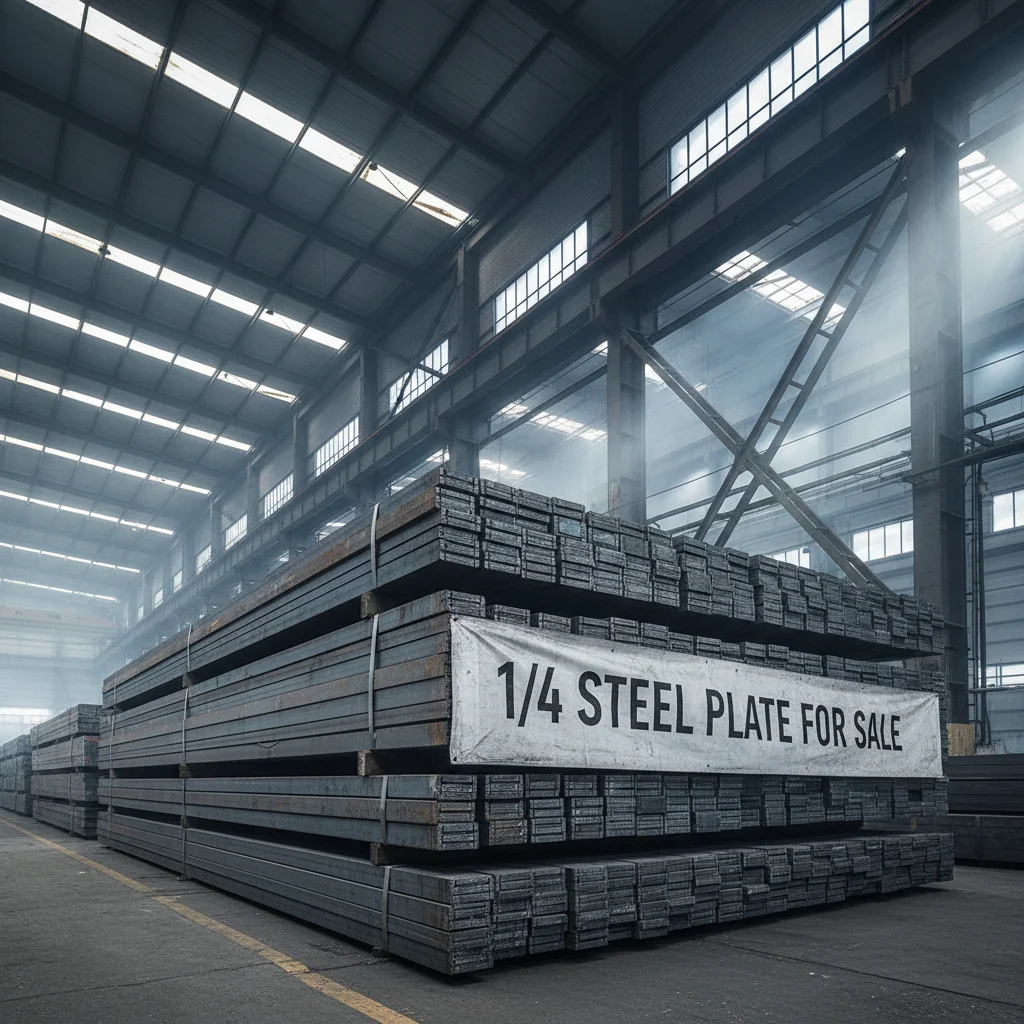
The global maritime and offshore infrastructure sector relies heavily on the availability of high-grade materials to ensure the safety and longevity of massive structures. In this context, finding reliable steel plate suppliers becomes a strategic priority for shipbuilders and engineers who must balance extreme tensile strength with resistance to volatile oceanic conditions. The ability to source precise grades of steel determines not only the construction timeline but also the overall structural integrity of vessels.
As international shipping demands evolve, the requirement for specialized high-tensile structural engineering has grown, pushing the industry toward more rigorous standards. Leading steel plate suppliers are now integrating vertical production capabilities—from raw material processing to final rolling—to ensure a zero-defect supply chain. This integration is crucial for constructing hulls and offshore platforms that must withstand immense pressure and corrosive saltwater environments.
For professionals seeking the pinnacle of maritime engineering, choosing the right steel plate suppliers ensures access to AH32, DH32, AH36, and DH36 grades that meet ASTM A131 specifications. These materials provide the necessary toughness and weldability required for ships weighing over 10,000 tons, ultimately reducing long-term maintenance costs and enhancing vessel performance.

The Strategic Role of High-Tensile Shipbuilding Steel
High-tensile shipbuilding steel serves as the skeletal foundation for the world's largest maritime assets. Grades such as AH32 and AH36 are specifically engineered to handle extreme loads, providing the necessary support for ship hulls that often exceed 10,000 tons in weight. This specialized engineering ensures that the vessel can withstand the dynamic stresses of the open ocean without compromising structural stability.
By partnering with expert steel plate suppliers, shipyards can secure materials that balance strength with flexibility. This is critical for avoiding brittle fractures in cold-water environments, where standard carbon steels might fail. The strategic application of high-strength alloys allows for the construction of larger, more efficient vessels that can carry more cargo while utilizing less total steel weight.
Core Specifications of Marine Grade Steel Plates
To meet the stringent requirements of the maritime industry, shipbuilding steel must adhere to global benchmarks such as ASTM A131. These standards dictate the chemical composition and mechanical properties required to ensure that plates can be welded seamlessly and resist the corrosive effects of saltwater. Precision in these specifications is what separates premium marine steel from general structural steel.
In terms of physical dimensions, professional steel plate suppliers offer a vast range of sizes to accommodate complex ship designs. Thicknesses typically span from 4mm for lighter structural components up to 260mm for heavy-duty keel sections. Furthermore, widths ranging from 1200mm to 4000mm and lengths up to 18000mm allow for larger single-piece installations, which reduces the number of welded joints and enhances overall hull strength.
The material type is categorized as high-tensile structural steel, specifically designed for superior toughness. This means the steel can absorb significant energy during an impact without cracking, a property that is non-negotiable for offshore platforms and tankers operating in volatile oceanic conditions where collisions or extreme weather events are a constant risk.
Key Technical Advantages for Maritime Environments
One of the primary advantages provided by elite steel plate suppliers is the enhanced corrosion resistance found in AH/DH grades. Saltwater oxidation is the greatest enemy of maritime longevity; therefore, the chemical formulation of these plates is optimized to slow down degradation, significantly extending the interval between major dry-dock maintenance cycles.
Beyond corrosion, the superior weldability of these materials is a critical technical edge. Because the chemical composition is tightly controlled, welding processes result in secure, airtight joints that are less prone to stress-corrosion cracking. This efficiency allows steel plate suppliers to provide materials that reduce labor costs during the assembly phase of ship construction.
Finally, the machining and processing precision of these high-strength plates allows for the creation of complex structural shapes. Whether it is the curvature of a bow or the intricate support systems of an offshore rig, the steel remains stable during cutting and bending, ensuring that the final product aligns perfectly with the original engineering blueprints.
Performance Comparison of Structural Steel Grades
When comparing standard marine steel to high-strength AH32/36 structural steel, the differences in load-to-weight ratios are stark. High-strength variants allow engineers to use thinner plates to achieve the same structural capacity, which optimizes the vessel's buoyancy and fuel efficiency. This efficiency is a key reason why global shipyards prioritize these advanced grades.
Moreover, the lifespan of structures built with high-tensile steel is significantly extended. While standard steel requires frequent coating and patching due to fatigue and oxidation, the AH/DH series maintains its integrity longer, resulting in a lower total cost of ownership over the vessel's 20 to 30-year operating life.
Comparison of Performance Metrics by Steel Grade
Industrial Applications for Large-Scale Vessels
The primary application of AH32 and AH36 steel is in the construction of massive ship hulls and offshore platforms. Specifically, these materials are indispensable for vessels weighing over 10,000 tons, where the structural load on the lower hull is immense. The high tensile strength ensures that the vessel can maintain its shape and integrity even under the crushing pressure of deep-sea environments.
Beyond ships, these plates are frequently used in the creation of oil rigs and wind turbine foundations. These structures are exposed to constant wave action and salt spray, making the corrosion-resistant properties of high-grade steel a necessity. By utilizing specialized materials from reputable steel plate suppliers, operators can ensure that these critical energy infrastructures remain safe for decades.
Quality Assurance in Integrated Steel Production
Achieving zero defects in high-tensile steel requires a fully integrated production model. From coal washing and coking to the final rolling process, every step must be monitored. A comprehensive enterprise with an annual production capacity of 10 million tons each for iron and steel provides the scale necessary to maintain consistent quality across thousands of plates.
Quality assurance is further bolstered by dedicated R&D divisions focusing on specialized alloys. By refining the chemical composition, manufacturers can optimize the balance between hardness and ductility. This scientific approach ensures that every plate delivered by the steel plate suppliers meets the exact requirements of international shipbuilding certifications.
Strict monitoring during the steelmaking process prevents the inclusion of impurities that could lead to structural weaknesses. This rigorous oversight, combined with decades of experience and a large workforce, guarantees that the finished shipbuilding steel can withstand the most extreme oceanic loads without failure.
Long-Term Value and Investment Return Analysis
Investing in high-strength structural steel is not merely a purchase of materials but a long-term financial strategy. While the initial cost of AH32 or AH36 may be higher than standard marine steel, the reduction in maintenance frequency provides a significant return on investment. Lower corrosion rates mean fewer costly dry-dockings and less expenditure on protective coatings.
Furthermore, the optimized load-to-weight ratio allows for a more efficient vessel design. A lighter hull with the same strength capacity translates directly into lower fuel consumption and higher cargo capacity. For shipping companies, this operational efficiency results in increased profitability over the lifespan of the vessel.
Finally, the safety and reliability provided by these materials reduce insurance premiums and risk profiles. When a vessel is built using certified materials from top-tier steel plate suppliers, the probability of catastrophic structural failure is minimized, protecting both the human lives on board and the valuable cargo being transported.
Comparative Analysis of High-Strength vs. Standard Marine Steel
| Performance Metric |
Standard Marine Steel |
AH32/36 High-Strength |
Economic Impact |
| Structural Lifespan |
Baseline |
Extended |
High Long-term Value |
| Maintenance Frequency |
Moderate |
Low |
Significant Cost Reduction |
| Load-to-Weight Ratio |
Standard |
Optimized |
Increased Fuel Efficiency |
| Welding Labor Cost |
Standard |
Reduced |
Lower Assembly Expense |
| Corrosion Resistance |
Basic |
Enhanced |
Lower Repair Costs |
| Total Cost of Ownership |
Moderate |
Low |
Optimized ROI |
FAQS
AH32 steel is primarily utilized in the construction of ship hulls and offshore platforms. Because of its high tensile strength and toughness, it is the ideal choice for large-scale vessels weighing over 10,000 tons, where the hull must withstand extreme oceanic pressures and structural loads.
Unlike standard structural steel, AH32 is a high-tensile grade specifically formulated for marine environments. It offers superior toughness to resist brittle fractures in cold temperatures, enhanced corrosion resistance to combat saltwater, and optimized chemical properties for seamless, high-strength welding.
To accommodate a wide variety of structural needs—from internal bulkheads to heavy keel sections—shipbuilding steel plates are available in thicknesses ranging from 4mm all the way up to 260mm, ensuring versatility for any vessel size.
Yes, all AH32 and AH36 steel plates are manufactured in strict accordance with ASTM A131 and other international shipbuilding standards. This ensures that the materials are globally accepted and meet the highest safety and quality benchmarks.
While AH32 is specialized for the maritime sector, we also produce a dedicated range of high-strength structural steel specifically for bridges and high-rise buildings. It is always recommended to use the grade specifically engineered for the intended land-based or marine-based application.
We operate a large-scale, vertically integrated enterprise with an annual production capacity of 10 million tons each for iron, steel, and finished materials, ensuring a stable and consistent supply for the world's largest shipbuilding projects.
Conclusion
Selecting high-tensile structural steel, such as AH32 and AH36, is a critical decision that directly impacts the safety, efficiency, and lifespan of maritime vessels. By focusing on materials that offer superior toughness, enhanced corrosion resistance, and optimized weldability, shipbuilders can construct massive hulls and platforms that are not only durable but also cost-effective over the long term. The integration of rigorous quality standards like ASTM A131 ensures that these structures can withstand the harshest oceanic environments.
Looking forward, the role of advanced steel plate suppliers will only grow as the industry shifts toward larger, more sustainable vessels and complex offshore energy projects. Investing in high-grade materials today reduces future maintenance burdens and enhances operational safety. For those ready to secure the structural integrity of their next marine project, we invite you to explore our comprehensive range of certified steel solutions. Visit our website: www.baidysteel.com