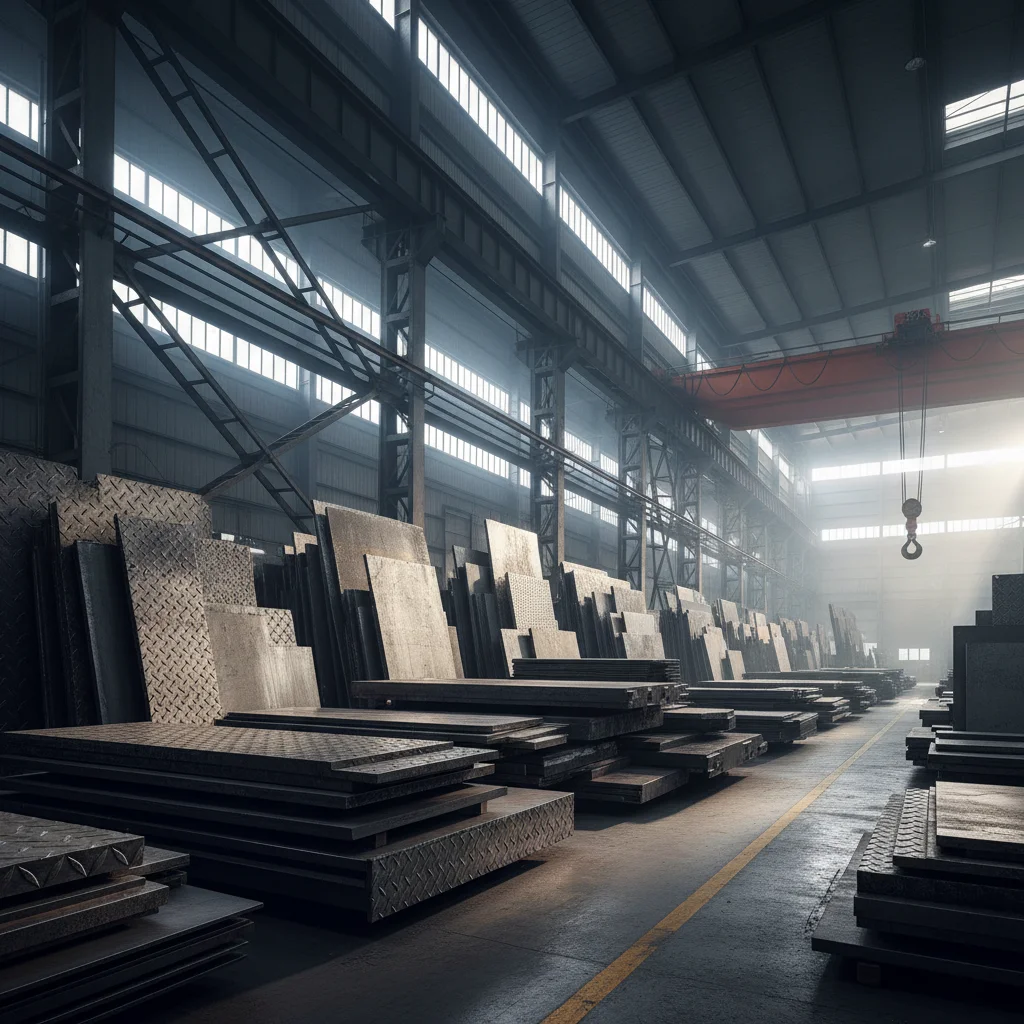
Anti slip steel plate is a crucial safety component across numerous industries, playing a vital role in preventing accidents and ensuring secure footing. Its widespread application stems from the need to mitigate slip and fall hazards, particularly in environments exposed to wet, oily, or icy conditions. Understanding its properties, applications, and advancements is essential for engineers, safety managers, and anyone involved in facility design and maintenance. This knowledge directly impacts worker safety, operational efficiency, and regulatory compliance globally.
The demand for effective anti-slip solutions is steadily rising due to increased industrialization, stricter safety regulations, and a growing awareness of workplace hazards. The global market for anti-slip flooring and surfaces, including anti slip steel plate, is projected to continue its growth trajectory. This underscores the importance of innovation in materials and manufacturing techniques to meet evolving safety standards and diverse application requirements. anti slip steel plate is at the forefront of this market.
Investing in high-quality anti slip steel plate isn’t merely a compliance issue; it's a proactive step toward fostering a safer, more productive, and responsible work environment. Its robust nature and long-term durability translate to cost savings and reduced downtime, solidifying its position as a valuable asset for businesses across sectors.
Introduction to Anti Slip Steel Plate
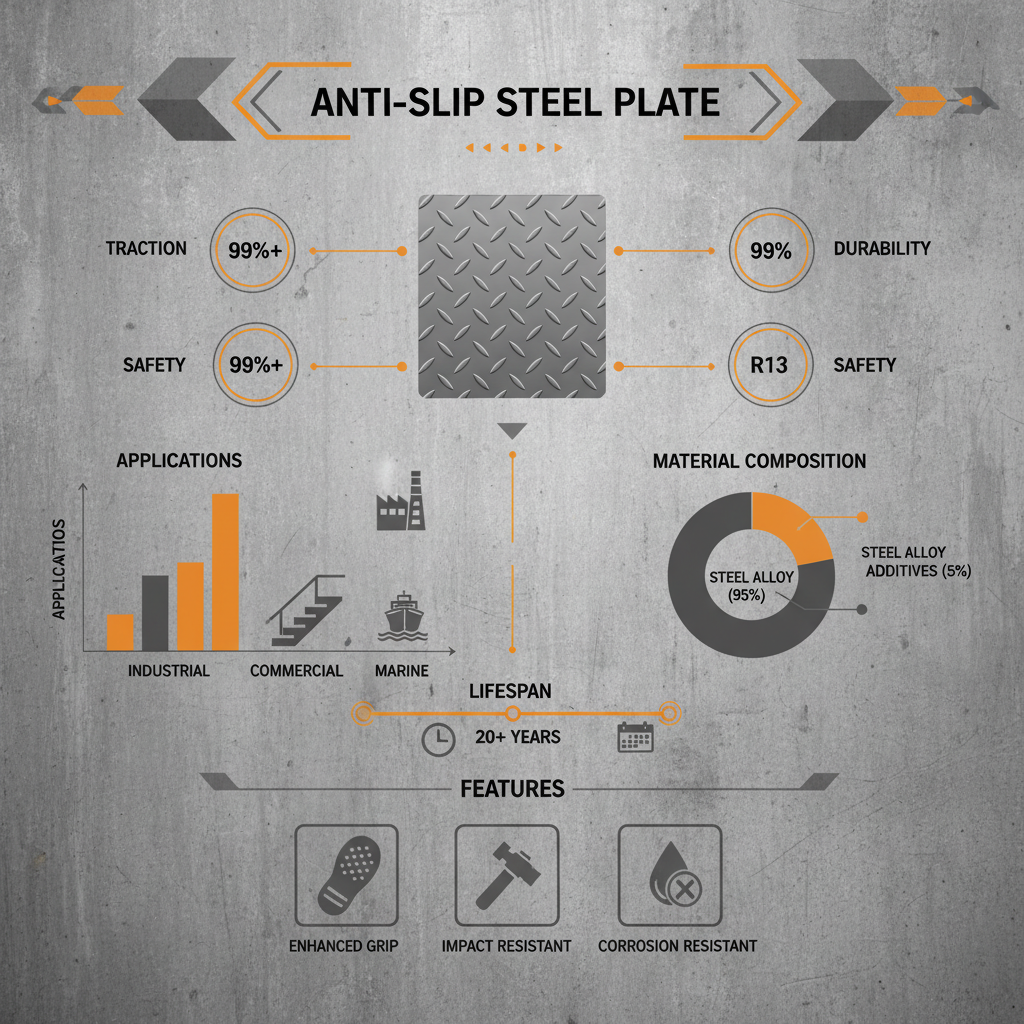
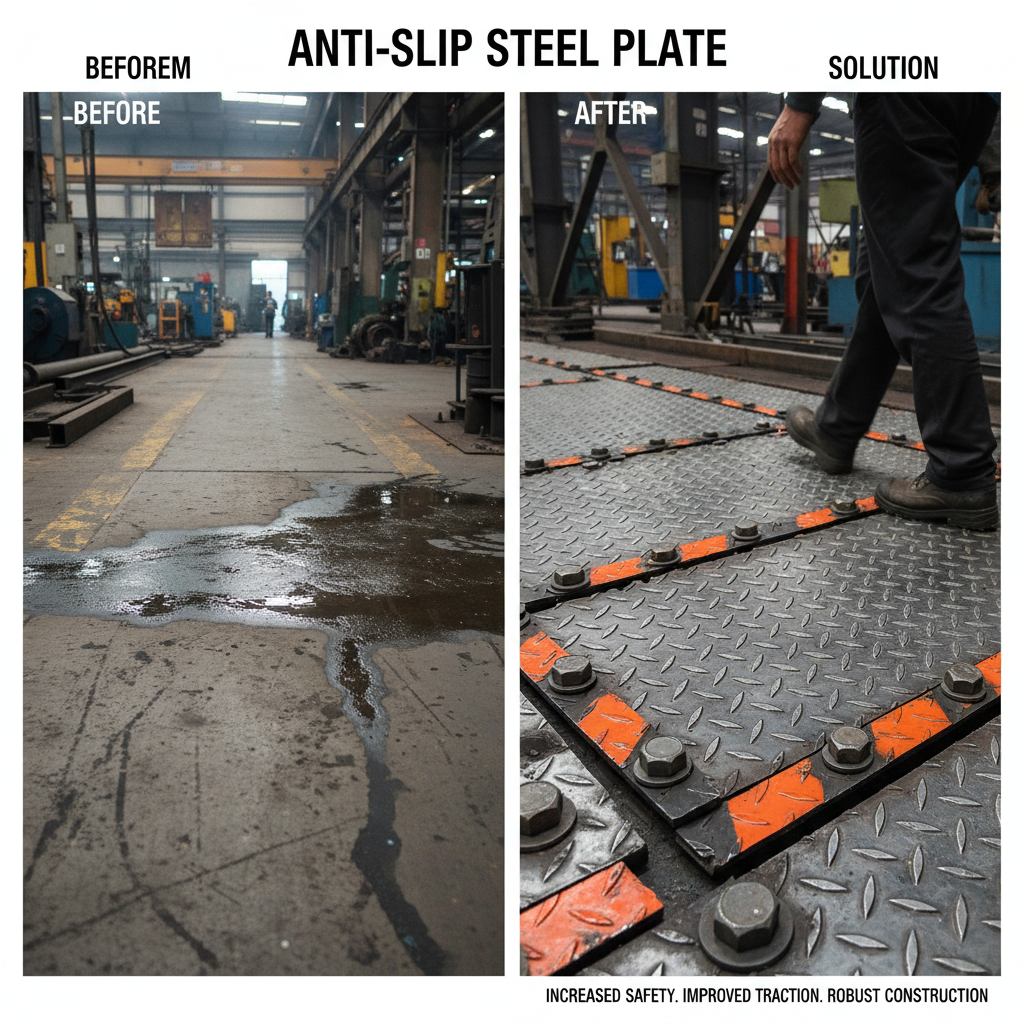
Anti slip steel plate is engineered to provide a secure surface even in challenging conditions. The incorporation of raised patterns, textures, or coatings dramatically enhances friction, reducing the risk of slips, trips, and falls. This makes it indispensable in environments where safety is paramount, like industrial walkways, stair treads, and vehicle access points.
Beyond safety, the strategic use of anti slip steel plate contributes to increased operational efficiency by minimizing accidents and associated downtime. This proactive approach to risk management demonstrates a commitment to employee wellbeing and regulatory adherence.
Global Relevance and Industry Context
The need for enhanced safety measures, including anti slip surfaces, is a global concern highlighted by organizations like the World Health Organization (WHO) and the International Labour Organization (ILO). Falls are a leading cause of non-fatal injuries and a significant contributor to workplace accidents worldwide. Addressing this issue requires a multi-faceted approach, with anti slip steel plate serving as a crucial component of comprehensive safety protocols.
Industries like oil and gas, construction, marine engineering, and manufacturing are particularly reliant on anti slip steel plate due to the inherent risks associated with their operations. These sectors operate in environments frequently exposed to hazardous materials, inclement weather, and heavy machinery, increasing the potential for slips and falls. anti slip steel plate addresses these needs.
The increasing globalization of supply chains also places a greater emphasis on standardized safety practices. Companies operating internationally must adhere to diverse regulations and ensure consistent safety standards across all locations, making the adoption of reliable and effective anti slip solutions essential for seamless operations.
Defining Anti Slip Steel Plate
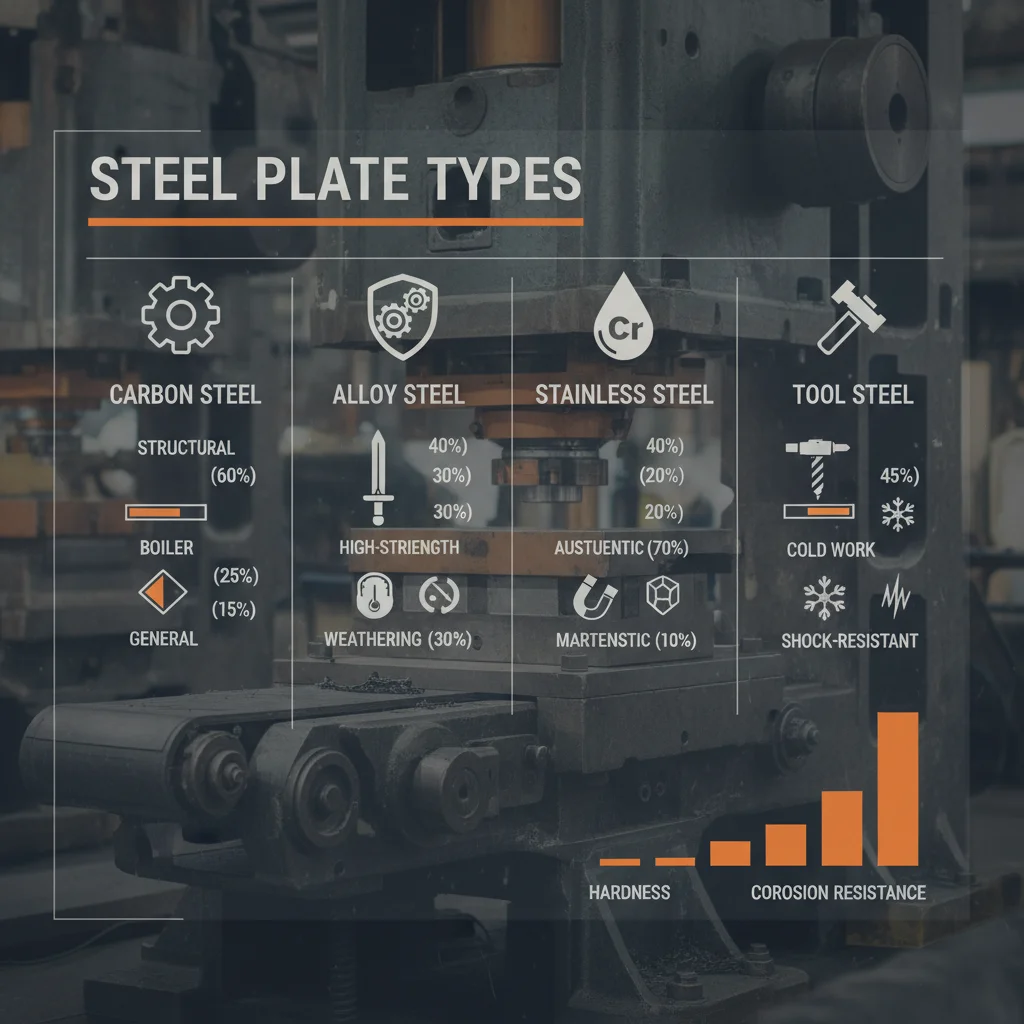
Anti slip steel plate refers to carbon or alloy steel plates that have been specifically treated to increase their coefficient of friction. This is achieved through various methods, including raised patterns (like diamond, checker, or ribbed surfaces), abrasive coatings, or the application of specialized surface treatments. The core principle is to create a textured surface that provides enhanced grip underfoot or for wheeled equipment.
Its connection to modern industry and humanitarian needs is profound. In industrial settings, it’s vital for protecting workers and maintaining operational safety. In humanitarian contexts, durable and reliable anti slip surfaces are essential for creating safe access routes in disaster relief operations, refugee camps, and temporary shelters. Providing a stable and secure footing is a basic human need, especially during times of crisis.
Unlike smooth steel surfaces, anti slip steel plate actively resists sliding, even when wet or contaminated with oil or debris. This characteristic makes it suitable for a wide range of applications, from industrial flooring and stairways to truck beds and offshore platforms.
Key Characteristics of Anti Slip Steel Plate
The effectiveness of anti slip steel plate stems from several core characteristics. Durability is paramount; it must withstand heavy foot traffic, impact, and exposure to harsh environmental conditions. Corrosion resistance is also critical, particularly in marine or chemically aggressive environments. The ability to maintain its anti-slip properties over time is essential.
Load-bearing capacity is another key factor, as the plate must support the intended weight and stress without deformation. Ease of fabrication is important for custom installations and complex designs. Finally, cost-effectiveness plays a role in the selection process, as companies seek a balance between performance and budget.
Anti Slip Steel Plate Performance Metrics
Applications Across Diverse Sectors
The versatility of anti slip steel plate allows for widespread adoption across various industries. In the oil and gas sector, it safeguards personnel working on offshore platforms and drilling rigs, where wet and oily surfaces are prevalent. In construction, it provides safe walkways and stair treads on scaffolding and building sites.
The marine industry utilizes anti slip steel plate on ship decks and docks to prevent accidents caused by slippery conditions. Manufacturing plants employ it in work areas and around machinery to protect employees from slips and falls. Even in transportation, anti slip steel plate is used on truck beds and trailer floors to secure cargo and prevent injuries during loading and unloading.
Advantages and Long-Term Value
The tangible benefits of using anti slip steel plate are numerous. Reduced workplace accidents translate to lower insurance costs, decreased lost workdays, and improved employee morale. Its durability and resistance to wear and tear minimize replacement costs over time, making it a cost-effective investment.
Beyond the economic advantages, there's a significant social impact. Providing a safe working environment demonstrates a commitment to employee wellbeing, fostering a culture of trust and responsibility. This, in turn, enhances a company’s reputation and attracts skilled workers. anti slip steel plate offers both practical and ethical advantages.
Future Trends and Innovations
Innovation in anti slip steel plate is ongoing, with a focus on developing more effective and sustainable solutions. Research into new surface treatments, such as nanotechnology-based coatings, aims to enhance slip resistance and durability. The integration of smart technologies, like sensors that detect icy conditions and automatically activate heating elements, is also gaining traction.
Furthermore, there's a growing demand for eco-friendly anti slip solutions. Manufacturers are exploring the use of recycled materials and developing coatings that minimize environmental impact. The convergence of digital transformation and automation will also play a role in optimizing the manufacturing process and improving the quality control of anti slip steel plate.
FAQS
Common textures include diamond plate (raised pyramid pattern), checker plate (raised square pattern), ribbed plate, and stucco-embossed patterns. The choice of texture depends on the specific application and the level of slip resistance required. Diamond plate is often favored for its effective grip and aesthetic appeal, while checker plate provides a more robust surface for heavy foot traffic.
The gauge of the steel plate directly impacts its load-bearing capacity and durability. Thicker plates are better suited for applications with heavy loads or frequent impact, while thinner plates can be used for lighter-duty applications. Selecting the appropriate gauge is crucial to ensure the plate can withstand the intended stresses without deformation or failure.
Anti slip steel plate generally requires minimal maintenance. Regular cleaning with a mild detergent and water is usually sufficient to remove dirt and debris. Avoid using abrasive cleaners that could damage the surface texture. Periodic inspections are recommended to identify any signs of wear or corrosion.
Yes, anti slip steel plate can be painted or coated, but it’s essential to use a coating that won’t compromise the slip-resistant properties. Certain coatings can fill in the texture and reduce grip. Choose a coating specifically designed for textured steel surfaces and follow the manufacturer's instructions carefully.
The lifespan of anti slip steel plate depends on the environment, the frequency of use, and the quality of the steel. With proper maintenance, it can last for decades. In harsh environments, such as marine applications, it may require more frequent inspections and repairs to prevent corrosion.
Cost considerations include the material grade, gauge, texture, and any required surface treatments. While the initial cost may be higher than smooth steel plate, the long-term benefits of reduced accidents, lower maintenance, and increased durability often outweigh the upfront investment. It's important to factor in the total cost of ownership when making a decision.
Conclusion
Anti slip steel plate represents a vital component of modern safety infrastructure. Its ability to mitigate slip and fall hazards, combined with its durability and cost-effectiveness, makes it an indispensable material across diverse industries. From enhancing workplace safety to providing secure footing in challenging environments, its impact is profound.
Looking ahead, continued innovation in materials, surface treatments, and smart technologies will further enhance the performance and sustainability of anti slip steel plate. Embracing these advancements is crucial for creating safer, more efficient, and more responsible operational environments. Visit our website at www.baidysteel.com to learn more about our comprehensive range of anti slip steel plate solutions.