Understanding Diverse Steel Plate Types and Their Industrial Applications

0%

Table of Contents

Steel plate types are fundamental components across a vast spectrum of industries, from construction and manufacturing to shipbuilding and energy. Understanding the nuances of these materials – their composition, properties, and applications – is crucial for engineers, architects, and procurement professionals alike. The global demand for steel plate types is continuously evolving, driven by infrastructure development, increasing industrialization in emerging economies, and a growing focus on sustainable and high-performance materials. Efficiently selecting the right steel plate type for a given application can significantly impact project costs, structural integrity, and long-term durability.

The global steel industry is a multi-billion dollar market, with steel plate types representing a significant portion of its output. According to the World Steel Association, global steel demand reached 1.83 billion tonnes in 2022, with continued growth projected in the coming years. This demand is particularly strong in Asia, driven by China's robust infrastructure development and manufacturing sectors. However, challenges such as fluctuating raw material prices, trade barriers, and increasing environmental regulations impact the production and distribution of steel plate types worldwide.

The importance of specifying the correct steel plate types extends beyond mere material selection. It directly impacts safety, longevity, and overall project success. From the pressure vessels in power plants to the hull plates of ocean-going vessels, choosing the optimal material is a critical engineering decision. This guide will explore the diverse landscape of steel plate types, their key characteristics, and how to navigate the complexities of selecting the best solution for your specific needs.
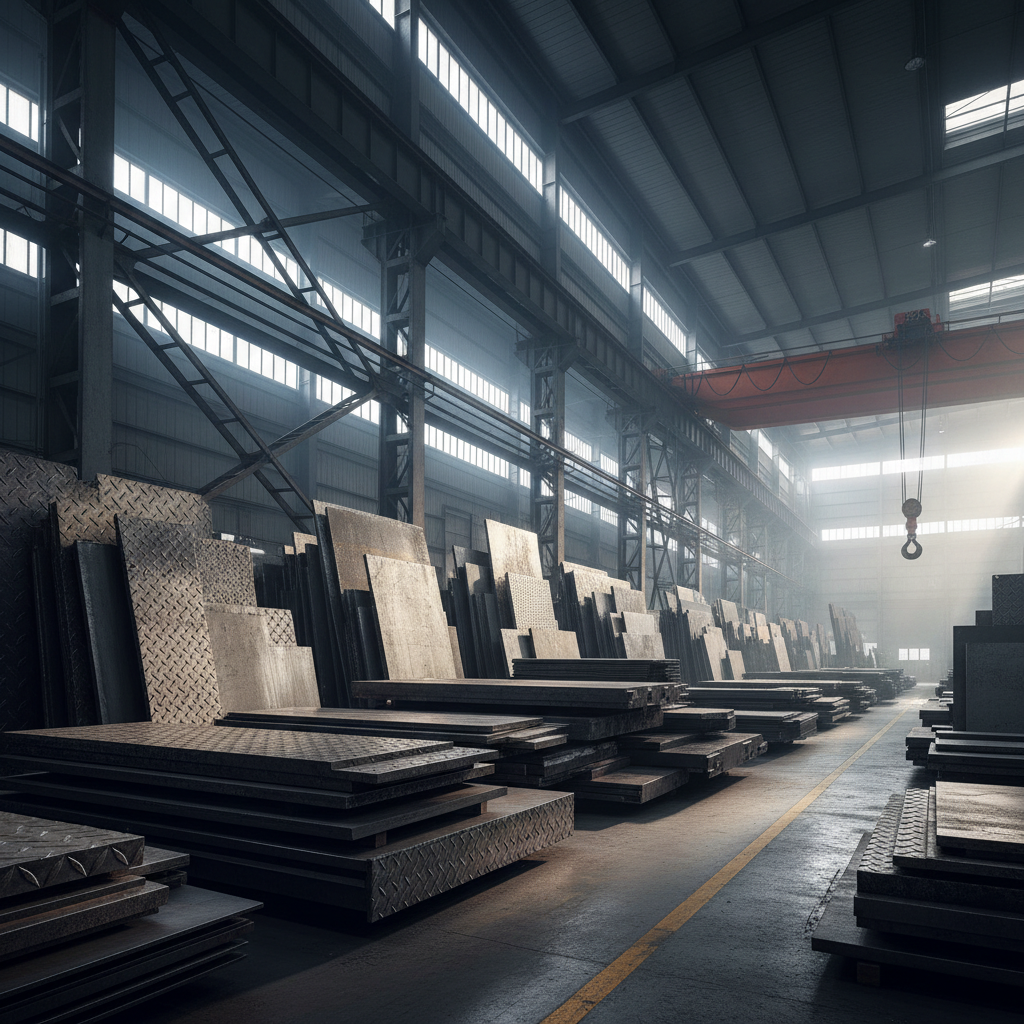
steel plate types

Introduction to steel plate types

steel plate types

Steel plate types are categorized based on their chemical composition, manufacturing process, and resulting mechanical properties. Common classifications include carbon steel plates, alloy steel plates, stainless steel plates, and high-strength low-alloy (HSLA) steel plates. Each type possesses unique characteristics that make it suitable for specific applications. Understanding these distinctions is vital for ensuring optimal performance and safety.

The selection of appropriate steel plate types directly impacts project efficiency and cost-effectiveness. Using a material that is over-engineered for an application leads to unnecessary expense, while under-specifying can compromise structural integrity and result in costly repairs or failures. Choosing the correct steel plate type is a crucial step in responsible and sustainable engineering practice.

Defining steel plate types

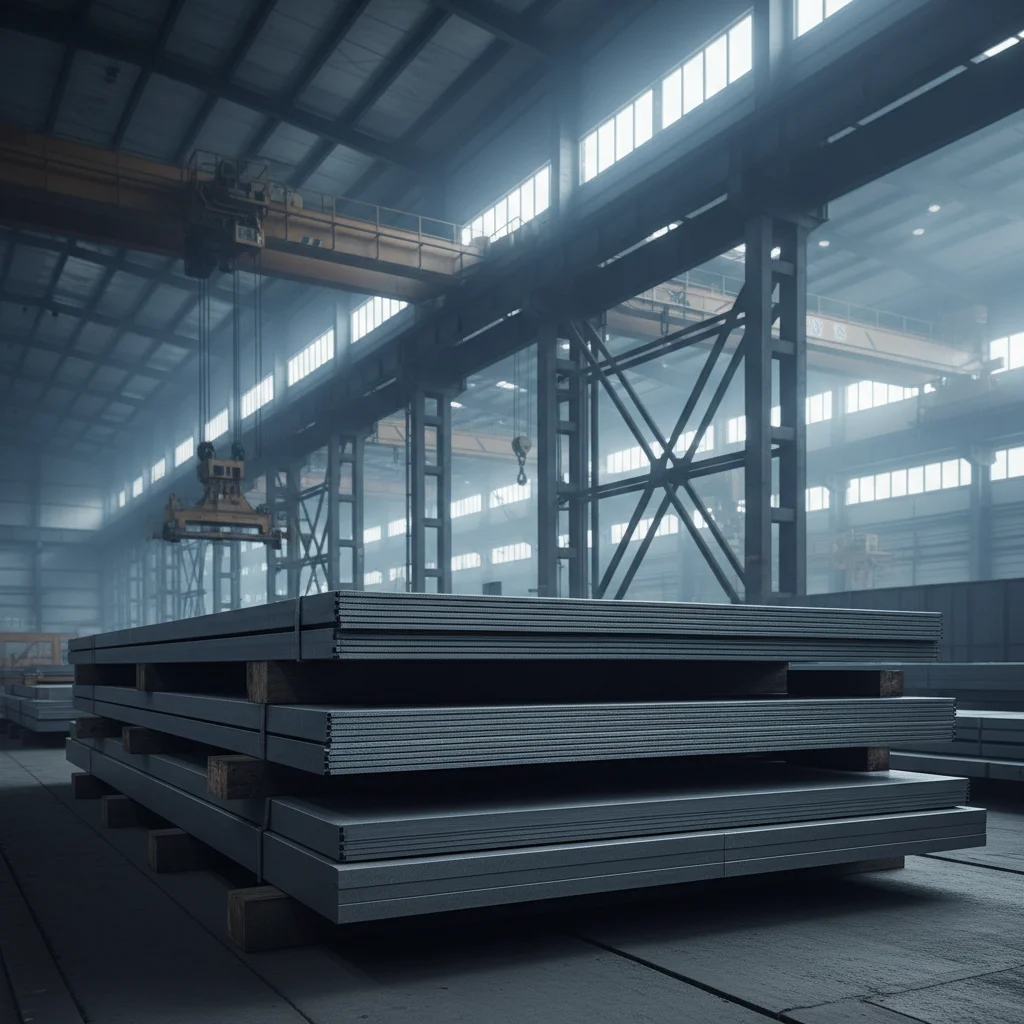
Steel plate types are flat, semi-finished steel products with a thickness generally ranging from 6mm to over 150mm. They are produced through various rolling and casting processes, and are subsequently cut to desired dimensions. Unlike sheet metal, which is typically thinner, steel plates offer greater strength and durability, making them ideal for structural applications.

The composition of a steel plate type is defined by its chemical elements, primarily iron, carbon, and various alloying elements like manganese, silicon, chromium, and nickel. The percentage of each element significantly influences the steel's properties, such as hardness, tensile strength, ductility, and corrosion resistance.

These versatile materials are integral to modern infrastructure and manufacturing, playing a critical role in everything from building construction and bridge fabrication to the production of pressure vessels and heavy machinery. They provide the structural backbone for many of the essential elements of our daily lives, directly supporting humanitarian needs related to shelter, transportation, and industrial progress.

Key Properties of steel plate types

Durability is a paramount characteristic of steel plate types. The inherent strength of steel, coupled with appropriate alloying elements and heat treatments, allows these materials to withstand significant stresses, impacts, and environmental conditions. This durability translates into long service life and reduced maintenance costs.

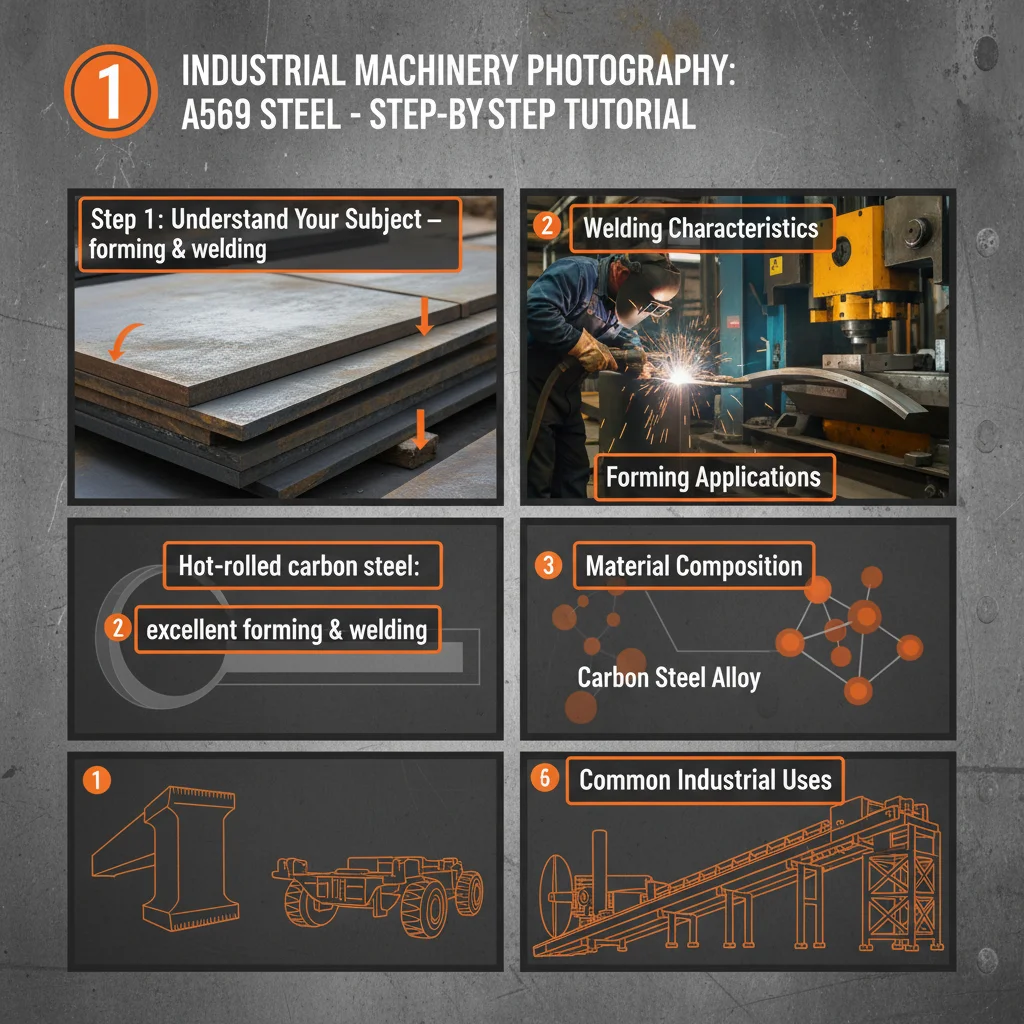
Weldability is another critical property, particularly in fabrication and construction. The ability to easily join steel plates through welding processes is essential for creating complex structures and components. Different steel plate types exhibit varying degrees of weldability, depending on their chemical composition and welding parameters.

Corrosion resistance is increasingly important, especially in harsh environments. Stainless steel plate types, containing chromium, provide excellent resistance to rust and corrosion, making them ideal for marine applications, chemical processing plants, and architectural features exposed to the elements. However, other steel types can also be treated with coatings to enhance their corrosion resistance.

Applications of Different steel plate types

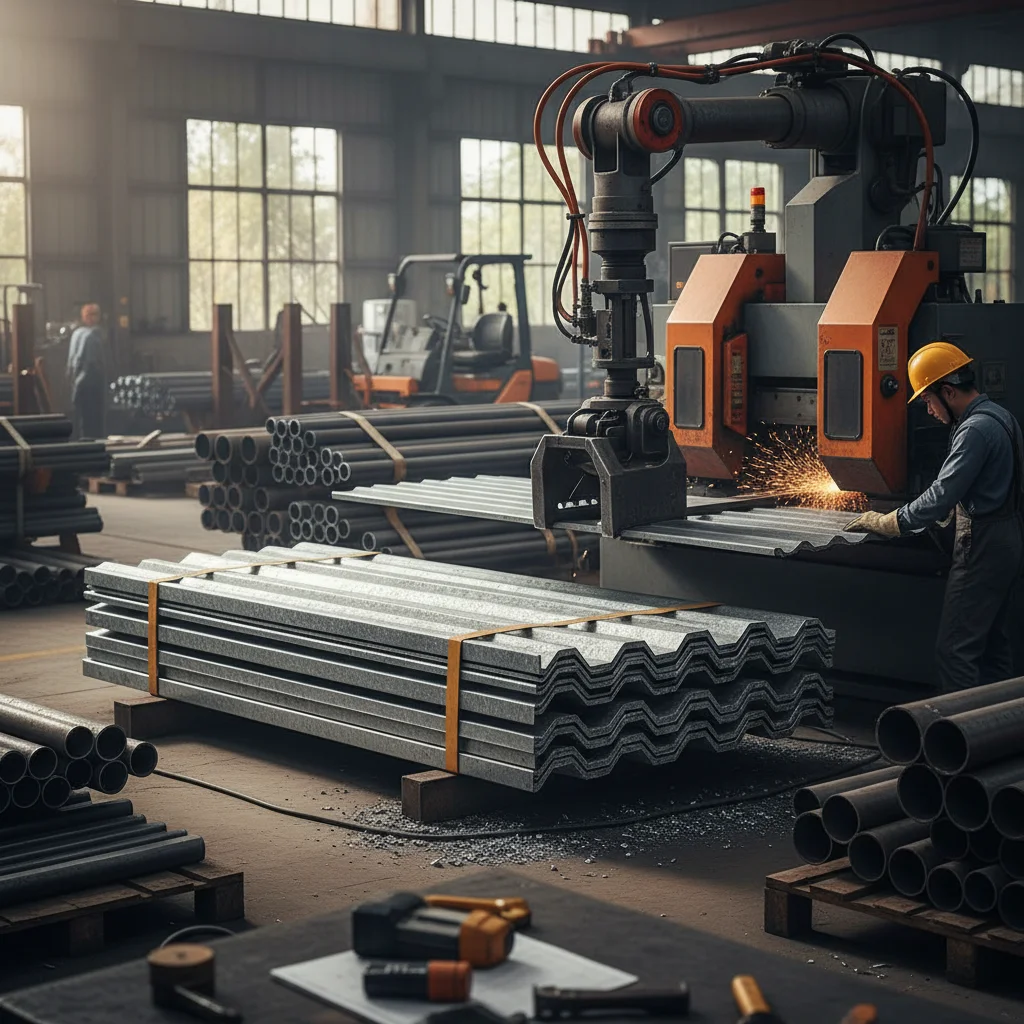
Carbon steel plates are widely used in general construction, shipbuilding, and the manufacturing of pipelines due to their cost-effectiveness and adequate strength. Alloy steel plates, incorporating elements like manganese and chromium, offer improved strength, toughness, and wear resistance, making them suitable for high-stress applications such as gears, shafts, and structural components in heavy machinery.

Stainless steel plates, prized for their exceptional corrosion resistance, are extensively used in chemical processing, food and beverage industries, pharmaceutical manufacturing, and architectural cladding. HSLA steel plates, offering a high strength-to-weight ratio, are utilized in automotive manufacturing, bridge construction, and transportation equipment.

Comparative Strength of Common steel plate types

Advantages and Long-Term Value of steel plate types

The primary advantage of using steel plate types is their exceptional strength and durability, leading to long-lasting structures and equipment. This durability reduces the need for frequent replacements, minimizing life-cycle costs. Furthermore, steel is a readily recyclable material, promoting sustainability and reducing environmental impact.

From a safety perspective, steel’s inherent strength provides a robust barrier against structural failure, protecting lives and assets. Investing in high-quality steel plate types demonstrates a commitment to reliability and long-term performance, fostering trust with stakeholders and ensuring peace of mind.

Future Trends in steel plate types

Research and development efforts are focused on creating advanced high-strength steel plate types with improved weldability and formability. The use of nanotechnology to enhance steel’s properties, such as corrosion resistance and wear resistance, is also gaining traction. Furthermore, the development of lighter-weight, high-strength steel alloys will play a crucial role in reducing fuel consumption in transportation applications.


Digital transformation, including the use of AI-powered quality control systems and predictive maintenance technologies, is optimizing steel plate production processes. Sustainable manufacturing practices, such as reducing carbon emissions and utilizing renewable energy sources, are becoming increasingly important to address environmental concerns.

Challenges and Solutions in steel plate types

One of the main challenges is the fluctuating cost of raw materials, such as iron ore and alloying elements, which can significantly impact the price of steel plate types. Implementing efficient supply chain management and exploring alternative sourcing options can mitigate this risk.

Another challenge is the increasing demand for more sustainable and environmentally friendly steel production processes. Investing in innovative technologies, such as carbon capture and storage, and utilizing recycled steel can help reduce the industry’s carbon footprint.

Maintaining consistent quality and meeting stringent industry standards requires robust quality control systems and adherence to international certifications. Collaborating with reputable steel producers and conducting thorough material testing are essential for ensuring the reliability and performance of steel plate types.

Summary of Challenges and Potential Solutions for steel plate types

Challenge Impact Area Severity (1-10) Potential Solution
Raw Material Price Volatility Cost & Profitability 8 Diversified Sourcing, Long-Term Contracts
Environmental Impact of Production Sustainability & Regulations 9 Carbon Capture, Renewable Energy Integration
Maintaining Quality Control Product Performance & Safety 7 AI-Powered Inspection, ISO Certification
Supply Chain Disruptions Production & Delivery 6 Regional Production Hubs, Inventory Management
Skilled Labor Shortage Manufacturing Efficiency 5 Automation, Training Programs
Meeting Evolving Industry Standards Compliance & Market Access 7 Continuous Research & Development, Standardization Collaboration

FAQS

What are the main differences between carbon steel and stainless steel plates?

Carbon steel is primarily composed of iron and carbon, offering good strength and weldability at a lower cost. However, it’s susceptible to corrosion. Stainless steel, containing chromium, boasts superior corrosion resistance, making it ideal for demanding environments. While more expensive, its longevity and reduced maintenance often offset the initial cost difference, making it suitable for applications where corrosion is a significant concern. Choosing between them depends heavily on the intended environment and budget.

How does the thickness of a steel plate impact its performance?

The thickness of a steel plate is directly related to its strength and load-bearing capacity. Thicker plates can withstand greater stresses and are preferred for structural applications like shipbuilding and bridge construction. Conversely, thinner plates are suitable for less demanding applications like cladding or non-load-bearing components. Selecting the appropriate thickness requires careful consideration of the expected loads, environmental factors, and safety requirements. Over-specifying thickness adds unnecessary cost.

What is HSLA steel and what are its benefits?

HSLA (High-Strength Low-Alloy) steel is a type of alloy steel that provides higher strength and better atmospheric corrosion resistance than conventional carbon steels. It contains small amounts of alloying elements like manganese, silicon, and vanadium. This results in a steel that requires less material to achieve the same strength, leading to weight savings and cost reduction. HSLA steel is commonly used in automotive, construction, and transportation applications.

How can I determine the appropriate steel plate type for a specific application?

Determining the right steel plate type requires a thorough understanding of the application’s requirements. Consider factors like the operating environment (corrosive or non-corrosive), expected loads, temperature variations, and welding requirements. Consulting with a materials engineer or steel supplier can provide expert guidance. They can help you analyze these factors and select the optimal steel plate type based on performance, cost, and safety considerations.

What are the common surface treatments applied to steel plates and their purposes?

Common surface treatments include galvanizing (zinc coating for corrosion protection), painting (decorative and protective), powder coating (durable and corrosion-resistant), and shot blasting (surface preparation for coating adhesion). These treatments enhance the steel's resistance to corrosion, abrasion, and wear, extending its lifespan and improving its aesthetic appearance. The choice of treatment depends on the specific application and environmental conditions.

How does steel plate certification impact quality assurance?

Steel plate certification, such as those issued by recognized organizations like ASTM or ISO, verifies that the material meets specific standards for chemical composition, mechanical properties, and manufacturing processes. This certification provides assurance of quality and traceability, minimizing the risk of defects and ensuring that the steel plate performs as expected. Proper certification is crucial for safety-critical applications and regulatory compliance.

Conclusion

Steel plate types are fundamental to a vast array of industries and applications, providing essential strength, durability, and versatility. Understanding the different types, their properties, and appropriate applications is critical for efficient project execution, ensuring safety, and maximizing long-term value. The continued innovation in materials science and manufacturing processes promises to further enhance the performance and sustainability of steel plate types.

Looking ahead, a commitment to sustainable practices, coupled with the adoption of advanced technologies, will be essential for navigating the evolving challenges of the steel industry. By prioritizing quality, innovation, and responsible material selection, we can unlock the full potential of steel plate types and contribute to a more resilient and sustainable future. Visit our website at www.baidysteel.com to explore our range of steel plate types and solutions.

Anthony Rodriguez

Anthony Rodriguez

Anthony Rodriguez is a Logistics and Supply Chain Specialist at Xingtai Baidy Steel Works. He’s responsible for coordinating the efficient and timely transportation of steel products to clients across North America. With 7 years of experience in logistics, Anthony has a strong understanding of international shipping regulations, customs procedures, and freight optimization. He expertly manages relationships with shipping companies and ensures seamless delivery of large-volume orders. Anthony is adept at problem-solving and proactive in mitigating potential disruptions to the supply chain, specializing in handling the logistics of hot-rolled steel sheets and other steel products.
Previous Understanding the Differences Between Cold Rolled Steel vs Hot Rolled Steel
Next Comprehensive Guide to Steel Plate for Sale and Industrial Applications

If you are interested in our products, you can choose to leave your information here, and we will be in touch with you shortly.