Understanding the Differences Between Cold Rolled Steel vs Hot Rolled Steel

0%

Table of Contents

Understanding the nuances between cold rolled steel vs hot rolled steel is crucial in modern manufacturing and construction. These two types of steel, produced through distinct processes, offer different properties impacting their suitability for various applications. From automotive components to building infrastructure, the choice between them directly affects performance, cost, and longevity. A solid grasp of these differences allows for informed material selection, optimizing project outcomes and ensuring structural integrity.

The global steel industry is a massive economic force, with production exceeding 1.8 billion metric tons annually (World Steel Association, 2023). Hot rolled steel traditionally dominates the market due to its lower production cost, but the demand for the superior finish and tighter tolerances of cold rolled steel is steadily increasing, particularly in specialized sectors. This shift necessitates a deeper understanding of the advantages and disadvantages of each process.

Effectively differentiating cold rolled steel vs hot rolled steel isn’t simply an academic exercise; it's a cornerstone of efficient resource allocation and quality control. Addressing challenges in material selection – such as corrosion resistance, formability, and weldability – relies on knowing which steel type best meets specific project requirements, ultimately contributing to safer, more durable, and cost-effective solutions.
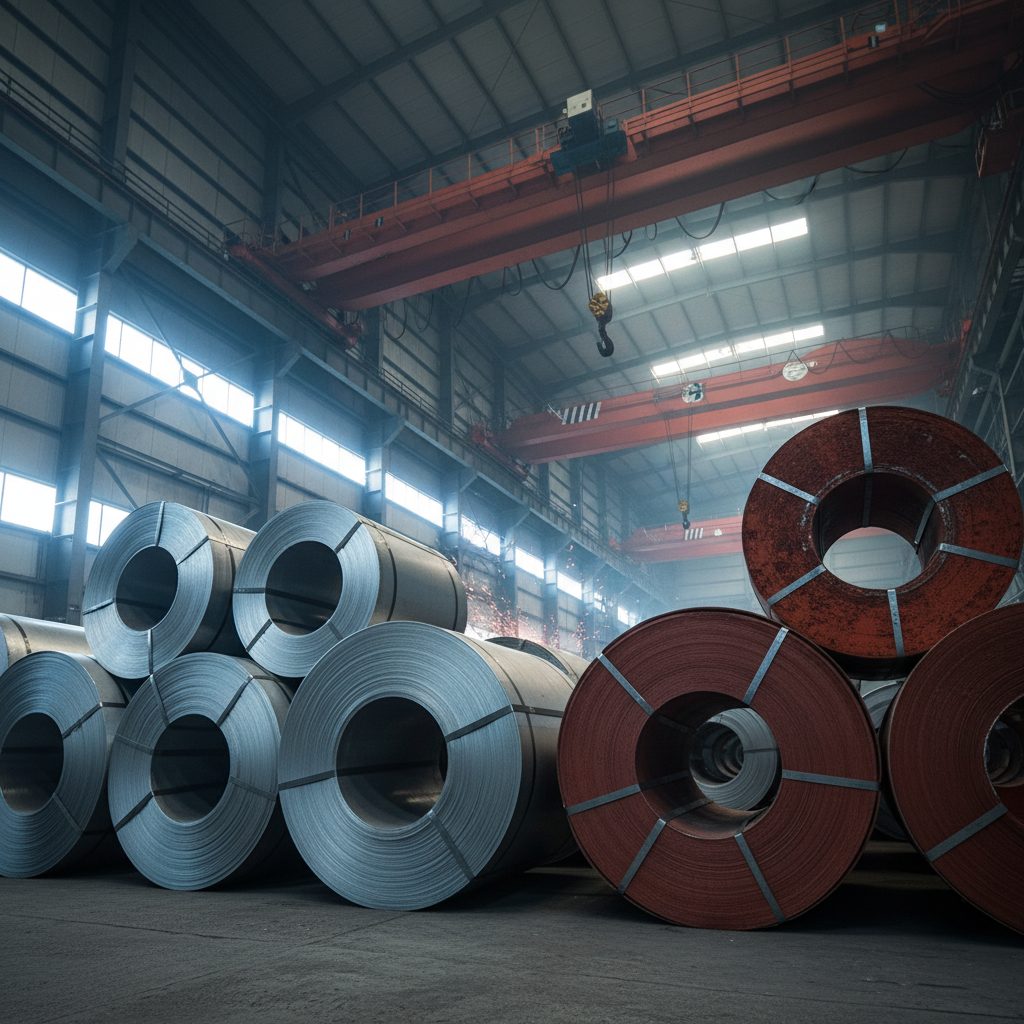
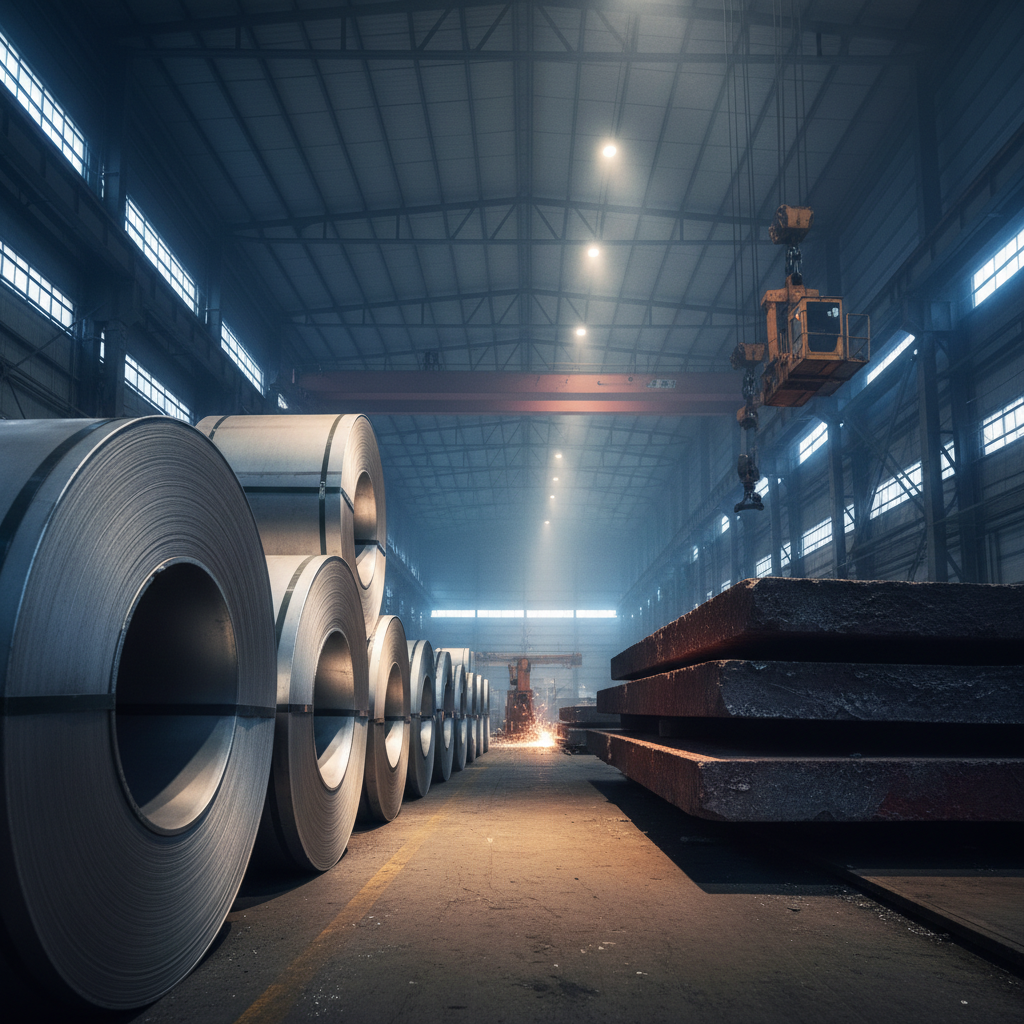
cold rolled steel vs hot rolled steel

Introduction: Global or Industry Context

cold rolled steel vs hot rolled steel

The distinction between cold rolled steel vs hot rolled steel is fundamental to numerous industries worldwide, influencing everything from automotive manufacturing and appliance production to construction and infrastructure development. Global steel demand, driven by economic growth in emerging markets, continues to shape the production and application of these materials.

The steel industry faces constant pressure to improve efficiency, reduce environmental impact, and enhance product quality. Understanding the characteristics of hot and cold rolled steel – their strengths, weaknesses, and optimal uses – is vital for navigating these challenges. For example, the increasing focus on lightweighting in the automotive sector drives demand for high-strength, cold-rolled steel components, while large-scale infrastructure projects often rely on the cost-effectiveness of hot rolled steel.

Definition & Meaning

Hot rolled steel is produced by passing steel through rollers at high temperatures (typically over 1,700°F), exceeding its recrystallization temperature. This process creates a less precise shape with a scaled surface. It's the more economical of the two methods, making it ideal for applications where precise dimensions and surface finish aren't critical.

Cold rolled steel, conversely, is processed after the hot rolling stage. It’s put through rollers at room temperature, resulting in tighter tolerances, a smoother surface finish, and increased strength. This additional processing increases its cost but delivers superior quality for specific needs.

The connection to modern industry is undeniable. Both cold rolled steel vs hot rolled steel are fundamental building blocks. Hot rolled steel forms the backbone of structural elements, while cold rolled steel provides the precision and aesthetic appeal required for finished products.

Key Factors: Durability & Strength

Durability is a crucial consideration when selecting between cold rolled steel vs hot rolled steel. Cold rolled steel generally exhibits higher yield strength and tensile strength due to work hardening during the rolling process. This means it can withstand greater stress before permanent deformation occurs.

Hot rolled steel, while not as strong as its cold-rolled counterpart, possesses good ductility, allowing it to be formed and welded more easily. The lower cost often makes it a viable option where extreme strength isn’t paramount.

Key Factors: Cost Efficiency & Production

The production cost of hot rolled steel is significantly lower than cold rolled steel. This is because hot rolling requires less processing and doesn't involve the additional step of cooling and re-rolling. This economic advantage makes hot rolled steel a preferred choice for large-scale projects where cost is a major constraint.

However, the cost savings of hot rolled steel come with trade-offs in surface finish and dimensional accuracy. Cold rolled steel, with its superior precision, reduces the need for secondary machining operations, potentially offsetting some of its higher initial cost. Choosing between cold rolled steel vs hot rolled steel requires a careful cost-benefit analysis.

Cost Comparison: cold rolled steel vs hot rolled steel Production Methods

Global Applications & Use Cases

Hot rolled steel is widely used in structural applications such as bridges, buildings, and railway tracks, where high strength isn’t the primary requirement but cost-effectiveness is key. It’s also prevalent in the production of pipelines and heavy machinery.

Cold rolled steel, with its superior surface finish and tighter tolerances, finds applications in the automotive industry (car bodies, panels), appliances (refrigerators, washing machines), furniture, and metal containers. Its resistance to corrosion makes it suitable for outdoor applications as well.

Advantages & Long-Term Value

Choosing cold rolled steel vs hot rolled steel impacts long-term project value. The higher upfront cost of cold rolled steel can translate to lower maintenance and longer service life due to its enhanced strength and corrosion resistance. This reduces the total cost of ownership.

Hot rolled steel's affordability provides immediate cost savings, but it may require more frequent maintenance or replacement, particularly in harsh environments. The decision hinges on balancing initial investment with long-term performance expectations. Both options contribute to reliable infrastructure when applied appropriately.

Future Trends & Innovations

Advancements in steelmaking technologies, such as continuous casting and advanced rolling techniques, are blurring the lines between hot and cold rolled steel properties. Researchers are developing new alloys and coatings to enhance the performance of both types.

The push for sustainability is also driving innovation. Lowering the carbon footprint of steel production through the use of renewable energy and carbon capture technologies is a growing priority. Furthermore, advancements in digital manufacturing and automation will enable more precise control over the rolling processes, improving quality and reducing waste.

The development of high-strength, low-alloy (HSLA) steels represents a significant trend, offering a balance of strength, weldability, and cost-effectiveness, often bridging the gap between traditional hot and cold rolled steel applications.

A Comparative Analysis of Key Properties: cold rolled steel vs hot rolled steel

Property Hot Rolled Steel Cold Rolled Steel Typical Applications
Yield Strength (MPa) 250-350 350-550 Structural components, railway tracks
Surface Finish Scaled, rough Smooth, polished Automotive panels, appliances
Dimensional Accuracy Lower Higher Precision parts, furniture
Cost (per ton) $600 - $800 $900 - $1200 Varies based on grade and quantity
Weldability Good Excellent Fabricated structures, pipelines
Corrosion Resistance Moderate Good (can be enhanced with coatings) Outdoor applications, marine environments

FAQS

What are the primary differences in surface finish between hot rolled and cold rolled steel?

Hot rolled steel typically has a rough, scaled surface due to the high temperatures involved in its production. This scaling is often removed through pickling or grinding. Conversely, cold rolled steel boasts a smoother, more polished surface finish, resulting from the rolling process at room temperature, eliminating the formation of scale. This smoother surface is ideal for applications requiring a better appearance or tighter tolerances.

Is cold rolled steel always stronger than hot rolled steel?

Generally, cold rolled steel exhibits higher yield and tensile strength due to work hardening during the cold rolling process. However, this isn't universally true. Specific steel grades within each category can vary in strength. Furthermore, heat treatment processes can be applied to both hot and cold rolled steel to further enhance their strength properties, making direct comparison complex.

When would I choose hot rolled steel over cold rolled steel?

Choose hot rolled steel when cost is a primary concern and precise dimensions or surface finish aren't critical. It’s ideal for structural applications like bridges, buildings, and railway tracks. Its good ductility also makes it easier to form and weld, advantageous for large-scale projects.

What applications benefit most from using cold rolled steel?

Cold rolled steel excels in applications demanding high precision, a smooth surface finish, and increased strength. These include automotive body panels, appliances, furniture, metal containers, and any application where aesthetic appeal and dimensional accuracy are paramount. Its enhanced corrosion resistance also makes it suitable for outdoor use.

Can hot rolled steel be finished to resemble cold rolled steel?

Yes, hot rolled steel can be processed – through techniques like pickling, grinding, and polishing – to achieve a smoother surface finish that resembles cold rolled steel. However, this additional processing adds to the overall cost and may not fully replicate the tighter tolerances achievable with cold rolling.

What is the environmental impact of producing hot rolled vs cold rolled steel?

While both processes have environmental impacts, hot rolling generally has a slightly lower carbon footprint due to less energy consumption in the rolling process. However, the finishing processes required for hot rolled steel to achieve a desired surface quality can offset this advantage. Both industries are actively pursuing sustainable practices, including using renewable energy sources and implementing carbon capture technologies.

Conclusion

In conclusion, understanding the differences between cold rolled steel vs hot rolled steel is essential for making informed decisions in a wide range of industries. Hot rolled steel offers cost-effectiveness and good ductility, making it suitable for large-scale structural applications. Cold rolled steel, with its superior strength, surface finish, and dimensional accuracy, is ideal for applications demanding precision and aesthetic appeal.

Looking ahead, continued innovation in steelmaking technologies, coupled with a growing emphasis on sustainability, will further refine these processes and expand the applications of both hot and cold rolled steel. By carefully considering the specific requirements of each project, engineers and designers can leverage the unique properties of these materials to create safer, more durable, and cost-effective solutions. For further information and to explore our product range, visit our website: www.baidysteel.com

Kevin Thompson

Kevin Thompson

Kevin Thompson is a Quality Control Supervisor at Xingtai Baidy Steel Works, overseeing the stringent quality inspection process from raw material sourcing to finished product delivery. He boasts 15 years of experience in steel manufacturing and quality assurance, with a specialization in stainless steel and galvanized steel sheet standards. Kevin is meticulous in his approach, ensuring that all exported materials meet international standards and customer requirements. He leads a team of inspectors and is responsible for implementing continuous improvement initiatives within the quality control department. Kevin is a certified Quality Engineer and has a strong focus on precision and reliability.
Previous Understanding What Is Steel Plate Used For Across Industries And Applications
Next Understanding Diverse Steel Plate Types and Their Industrial Applications

If you are interested in our products, you can choose to leave your information here, and we will be in touch with you shortly.