The foundation of any robust structure, a base plate for steel post is a critical component in a wide range of engineering applications. From securing towering telecommunication masts to supporting the framework of industrial facilities, these plates provide a stable and durable connection between steel structures and their foundations. Understanding their design, material properties, and installation is paramount for ensuring long-term safety and reliability.
Globally, the demand for reliable infrastructure is constantly growing, particularly in developing nations undergoing rapid urbanization. This drives a significant need for durable and efficient foundation solutions, where the base plate for steel post plays a pivotal role. Factors like seismic activity, corrosive environments, and varying soil conditions necessitate specialized designs and materials, creating a dynamic and evolving market.
The importance of a correctly implemented base plate for steel post extends beyond structural integrity. It directly impacts project timelines, cost-effectiveness, and the overall lifecycle of an asset. Selecting the appropriate plate, considering load requirements, and utilizing proper installation techniques are fundamental to minimizing risk and maximizing return on investment.
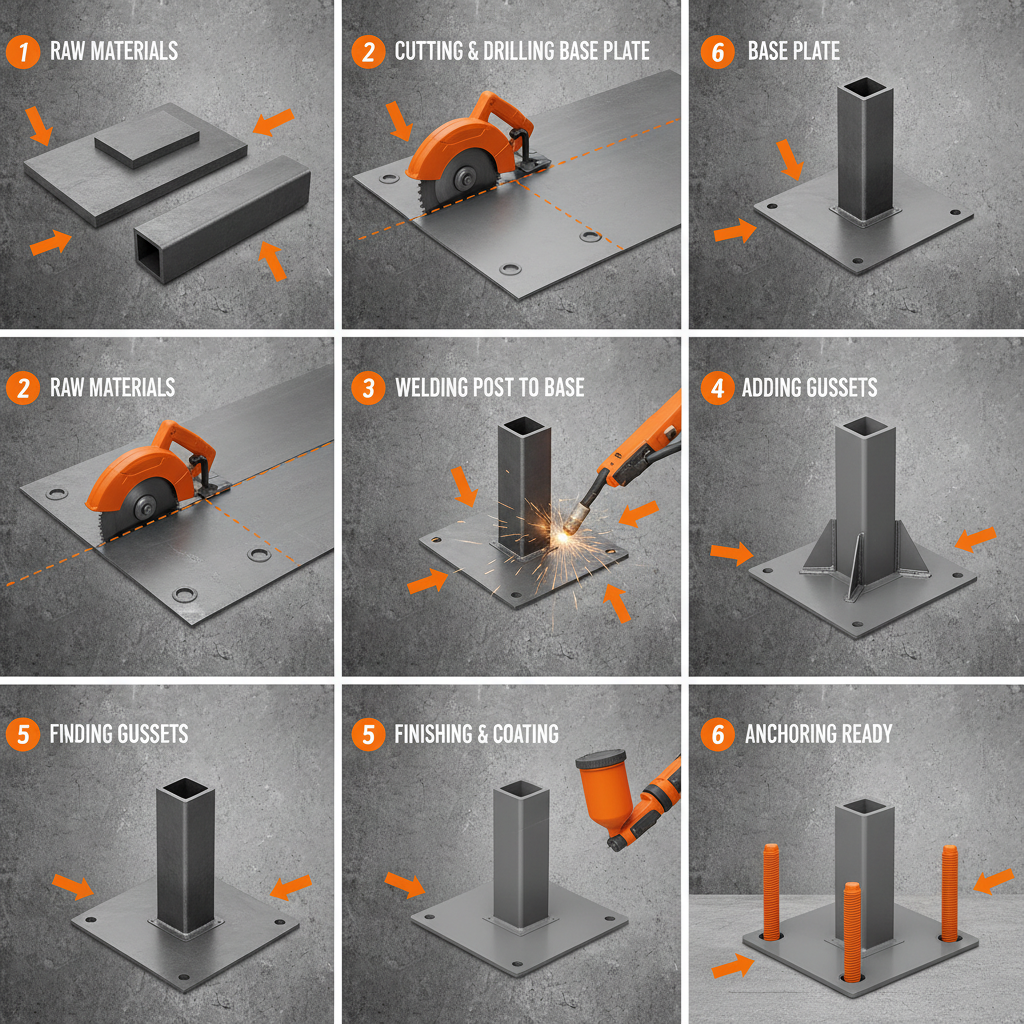
Introduction to Base Plate Functionality
The primary function of a base plate for steel post is to distribute the load from a steel structure evenly onto the supporting foundation. This is crucial for preventing differential settlement and ensuring the long-term stability of the structure. The design considerations encompass not just the static load but also dynamic loads like wind and seismic forces.
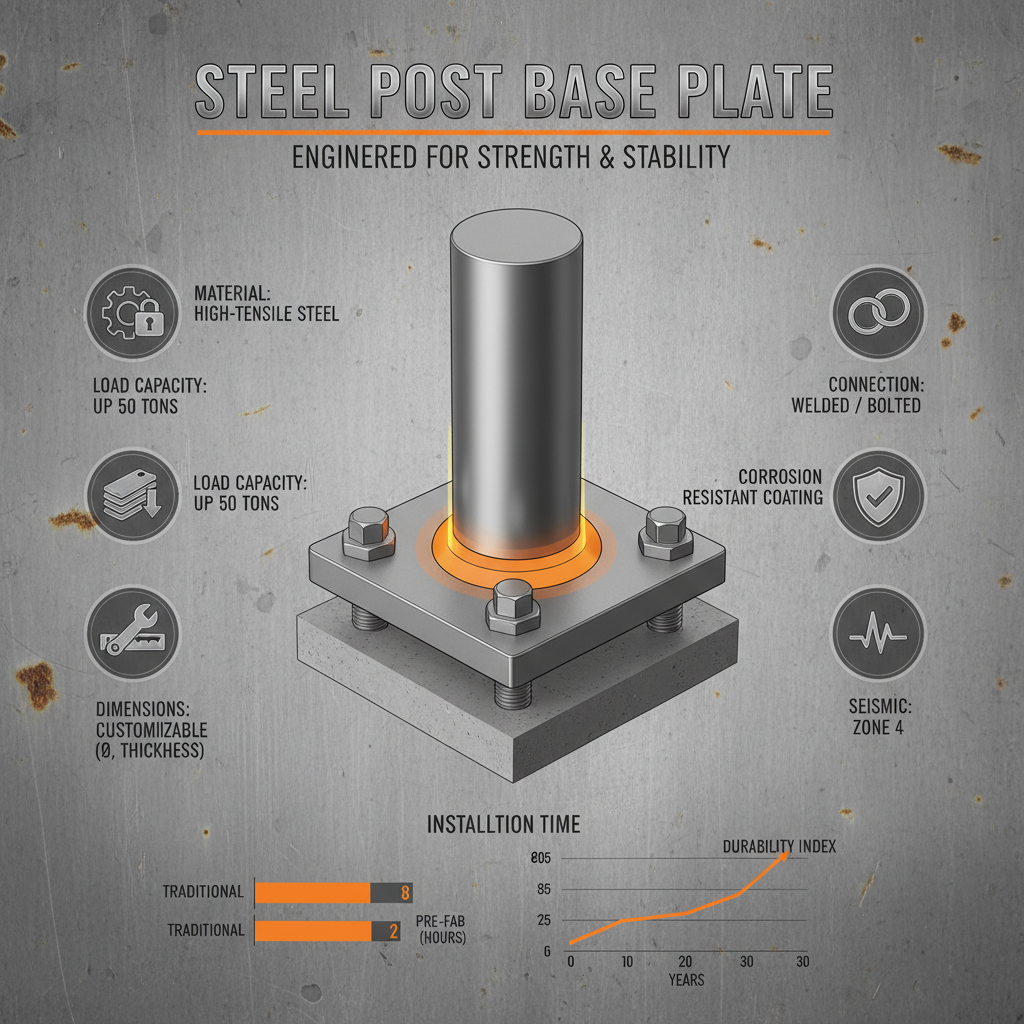
Effective base plate design involves careful calculation of the plate’s thickness, dimensions, and the number and size of anchor bolts required. Material selection is also vital, with high-strength steel alloys commonly used to withstand significant stress and prevent fatigue.
Defining Base Plate for Steel Post
A base plate for steel post is a fundamental structural element typically fabricated from steel, designed to connect a steel column or post to a concrete foundation, or other supporting structure. It serves as an intermediary element, transferring the load from the post to the foundation while providing a secure and stable connection.
In modern construction, these plates are indispensable for a multitude of structures, including power transmission towers, industrial buildings, warehouses, and even residential construction projects utilizing steel framing. Their effectiveness is directly linked to the precision of their fabrication and the correctness of their installation.
The significance of the base plate for steel post extends beyond simple load transfer. It also provides a level surface for aligning the steel post during erection and can incorporate features to facilitate welding or bolting to the foundation.
Core Characteristics of Steel Base Plates
Durability is a cornerstone characteristic. Steel base plates must withstand years of exposure to environmental factors, including moisture, temperature fluctuations, and potential corrosion. This necessitates the use of protective coatings, such as galvanization or epoxy painting.
Load Capacity is paramount. The plate’s thickness and steel grade must be meticulously calculated to handle the anticipated loads, including dead loads, live loads, wind loads, and seismic loads. Finite element analysis (FEA) is often employed to ensure structural integrity.
Precision in fabrication is crucial. Accurate dimensions and weld quality are essential for ensuring a proper fit and efficient load transfer. Tolerance levels are typically governed by industry standards like AISC or ISO.
Global Applications of Steel Base Plates
In the telecommunications industry, base plates for steel post are essential for securing cell towers and antennae, ensuring uninterrupted communication services. These applications often require specialized designs to resist high wind loads and vibrations.
The energy sector relies heavily on these plates for supporting electrical transmission towers and substations. In remote and challenging terrains, the durability and reliability of the base plate are critical for maintaining power grid infrastructure. For example, in the Arctic regions, specialized plates are used to mitigate the effects of permafrost thaw.
Industrial facilities, such as warehouses and manufacturing plants, utilize base plates for supporting steel structures and equipment. In post-disaster relief operations, these plates can be instrumental in rapidly deploying temporary shelters and essential infrastructure.
Base Plate Performance Metrics
Advantages and Long-Term Value Proposition
Cost-effectiveness is a primary advantage. While initial material costs may vary, the longevity and reduced maintenance requirements of properly designed and installed base plates translate to significant lifecycle cost savings.
Sustainability is increasingly important. Utilizing durable steel base plates minimizes the need for frequent replacements, reducing material waste and the environmental impact associated with manufacturing and transportation.
Future Trends in Base Plate Technology
The integration of smart sensors into base plates is an emerging trend. These sensors can monitor stress levels, corrosion rates, and foundation movement, providing real-time data for predictive maintenance and structural health monitoring.
Advanced materials, such as high-performance alloys and fiber-reinforced polymers, are being explored to enhance the durability and corrosion resistance of base plates.
Digital twin technology, creating virtual replicas of physical assets, is being employed to simulate the performance of base plates under various conditions, optimizing designs and predicting potential failures.
Challenges and Innovative Solutions
Corrosion in harsh environments remains a significant challenge. Innovative solutions include the development of self-healing coatings and cathodic protection systems to mitigate corrosion and extend the lifespan of base plates.
Seismic design in earthquake-prone regions requires specialized base plate designs that can absorb and dissipate energy during seismic events. Base isolation systems are increasingly being employed to decouple the structure from ground motion.
Ensuring proper installation quality is critical, as errors during installation can compromise the structural integrity of the entire system. The use of pre-fabricated base plate assemblies and rigorous quality control procedures can help to minimize installation errors.
Summary of Base Plate Design Considerations
| Design Factor |
Material Grade |
Corrosion Protection |
Installation Quality |
| Load Capacity (kN) |
A36 Steel |
Galvanization |
Bolt Tightness (Nm) |
| Wind Load Resistance (kPa) |
A572 Grade 50 |
Epoxy Coating |
Weld Inspection (Visual) |
| Seismic Performance (g) |
High-Strength Alloy |
Cathodic Protection |
Foundation Alignment |
| Foundation Settlement (mm) |
Stainless Steel |
Sacrificial Anode |
Anchor Bolt Torque |
| Plate Thickness (mm) |
Weathering Steel |
Powder Coating |
Grout Compaction |
| Plate Weight (kg) |
Duplex Stainless Steel |
Thermal Spray Coating |
Concrete Cure Time |
FAQS
The required thickness is determined by a combination of factors including the applied load (dead, live, wind, seismic), the steel grade, the foundation type, and applicable building codes. Engineering calculations must consider bending moments, shear forces, and bearing stresses to ensure adequate safety factors. Detailed analysis is crucial to prevent failure.
Common corrosion protection methods include galvanization (zinc coating), epoxy painting, powder coating, and the use of corrosion-resistant alloys like stainless steel or weathering steel. Cathodic protection systems, employing sacrificial anodes, are also used in particularly aggressive environments. The selection depends on the severity of the corrosive environment.
Proper anchor bolt installation is absolutely critical. Incorrect torque, improper embedment depth, or inadequate grout can significantly reduce the load-carrying capacity of the connection. Installation should follow manufacturer's instructions and be inspected by a qualified engineer. Correct torque is key.
Yes, base plates can often be adapted for retrofit applications, but require careful assessment of the existing foundation and structure. Reinforcement of the foundation may be necessary to accommodate the increased loads. A thorough engineering evaluation is essential to ensure the retrofit is structurally sound.
Common industry standards include those published by the American Institute of Steel Construction (AISC), the International Organization for Standardization (ISO), and Eurocode 3. Local building codes may also impose specific requirements. Compliance with these standards is crucial for ensuring safety and regulatory approval.
In seismic zones, base plates must be designed to withstand significant dynamic loads. This often involves using larger plates, increased anchor bolt sizes, and specialized connection details to provide ductility and energy dissipation. Base isolation systems can also be implemented to reduce the impact of ground motion.
Conclusion
In conclusion, the base plate for steel post is a foundational element in modern construction, playing a critical role in structural stability, safety, and longevity. Understanding the principles of its design, material selection, and installation is paramount for engineers, contractors, and building owners alike. By prioritizing quality and adherence to industry standards, we can ensure the reliable performance of structures for generations to come.
Looking ahead, continued innovation in materials, sensor technology, and digital modeling will further enhance the capabilities and efficiency of base plate systems. Embracing these advancements will be essential for meeting the evolving demands of a rapidly changing world and building a more resilient and sustainable future. Visit our website at www.baidysteel.com to learn more.