Hit enter to search or ESC to close
Bent steel plate plays a crucial role in modern construction and manufacturing, offering a versatile and cost-effective material solution across a wide range of applications. Its ability to be precisely shaped and formed, combined with the inherent strength of steel, makes it indispensable in industries ranging from automotive and aerospace to architecture and infrastructure. Understanding its properties and applications is increasingly important as demands for durable, efficient, and adaptable materials grow globally.
The global demand for bent steel plate is intrinsically linked to broader economic trends, particularly in emerging markets experiencing rapid industrialization and infrastructure development. According to the World Steel Association, global steel demand is projected to continue increasing, fueled by urbanization and a growing need for sustainable construction practices. This presents both opportunities and challenges, requiring innovation in production methods and a focus on minimizing environmental impact.
The increasing adoption of bent steel plate directly addresses critical challenges faced by industries seeking lightweight yet robust components, cost-effective manufacturing processes, and solutions that meet stringent safety and performance standards. From complex structural elements to precision-engineered parts, bent steel plate provides a flexible and reliable solution, fostering innovation and driving efficiency across multiple sectors.
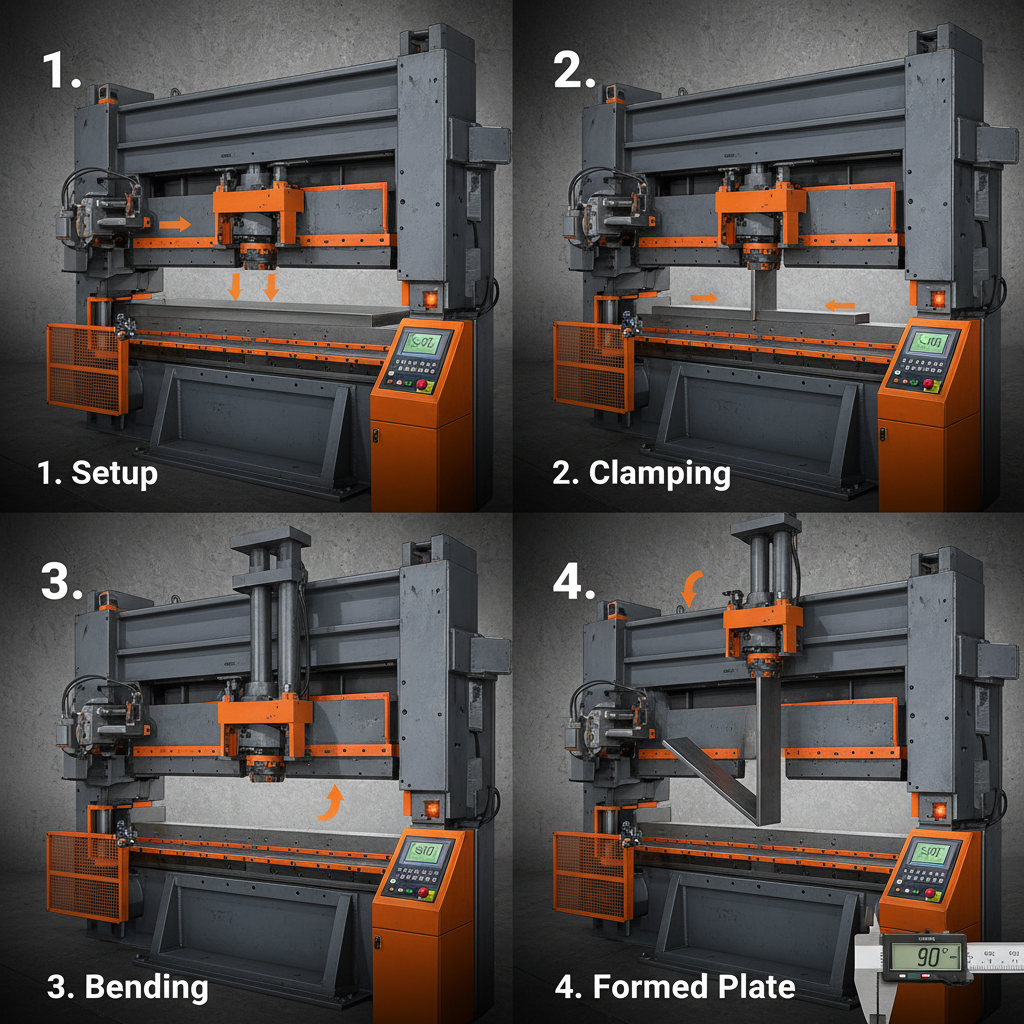
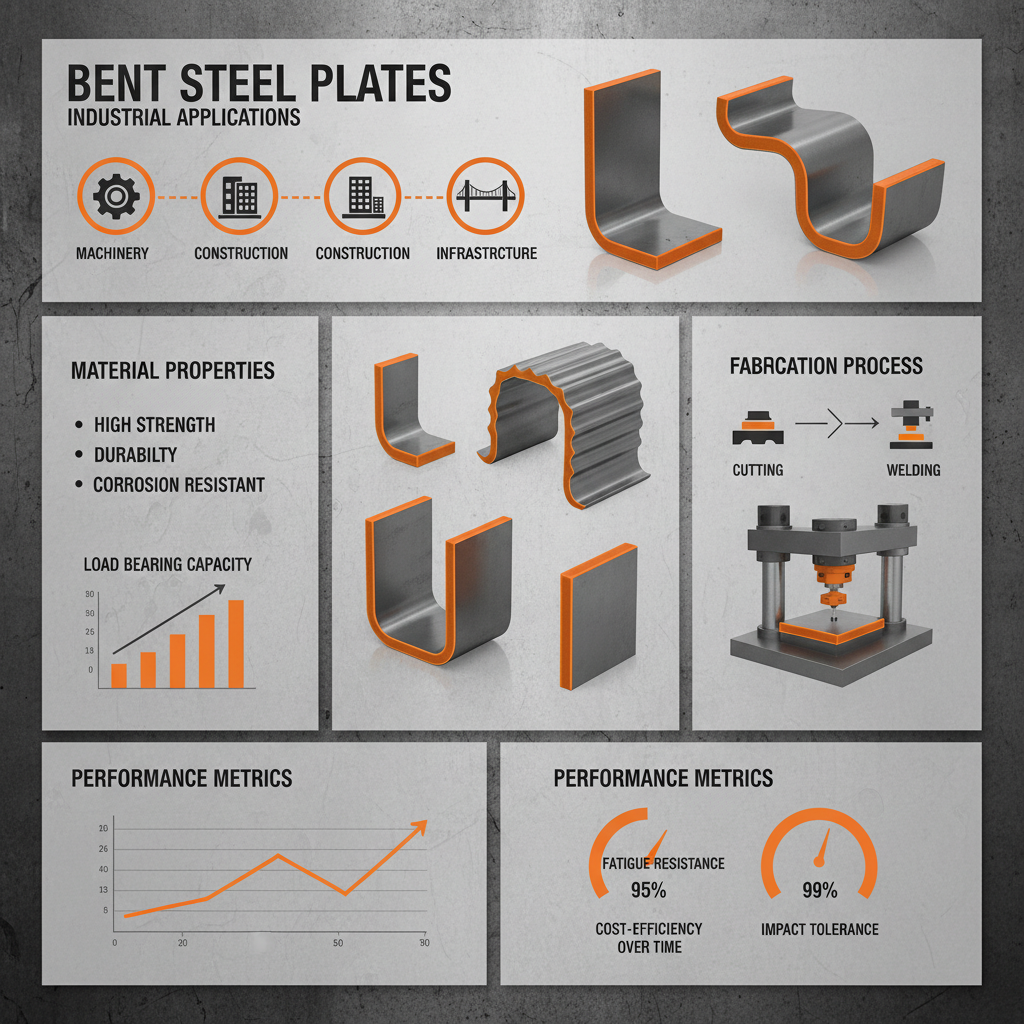
Bent steel plate is a fundamental building block in countless engineering applications. Its creation involves applying force to a flat steel sheet to create a curved or angled shape, enhancing its structural integrity and functionality. The process requires precision and expertise to ensure the desired geometry is achieved without compromising the material’s strength or durability. bent steel plate offers a unique combination of formability and resilience.
The benefits extend beyond mere aesthetics. Bending steel plate can significantly increase its resistance to stress and deformation, making it ideal for components requiring high load-bearing capacity. This is why you find it prevalent in everything from vehicle chassis and aircraft wings to architectural roofing and bridge structures, consistently demonstrating its versatility and cost-effectiveness.
Bent steel plate, at its core, is a metallic form created by plastically deforming a flat steel sheet into a desired curvature. This is typically achieved through processes like press braking, roll forming, or rotary draw bending. The steel’s ductility allows it to be permanently reshaped without fracturing, a critical characteristic for creating complex geometries.
Unlike simply cutting steel to shape, bending alters the material's stress distribution, often enhancing its strength in specific areas. This makes it a crucial component in modern industries, serving as a more efficient and structurally sound alternative to welded or bolted assemblies in numerous applications.
The definition extends beyond the process; it's about creating a component that fulfills a specific engineering need. Whether it's a simple radius for aesthetic appeal or a complex curve for aerodynamic performance, bent steel plate provides a tailored solution connecting fundamental material science to real-world functionality.
Durability is paramount when considering bent steel plate. Steel, inherently strong and resistant to wear and tear, maintains these qualities even after being formed. Different steel alloys offer varying levels of corrosion resistance, further enhancing longevity and reducing maintenance requirements in harsh environments.
Formability allows bent steel plate to be adapted to a multitude of designs. The degree to which steel can be bent without cracking or weakening depends on its composition, thickness, and the bending process employed. This adaptability is essential for creating complex shapes and customized components.
Cost-effectiveness is another significant advantage. Compared to machining from solid blocks of metal or creating complex assemblies, bending steel plate is often a more efficient and economical manufacturing process, reducing material waste and labor costs. This makes it an attractive option for large-scale production runs.
The automotive industry heavily relies on bent steel plate for manufacturing chassis components, body panels, and structural reinforcements. Its high strength-to-weight ratio contributes to vehicle safety and fuel efficiency. From suspension parts to exhaust systems, the versatility of bent steel plate is undeniable.
In the construction sector, bent steel plate is vital for roofing systems, facade cladding, and structural supports. Its ability to withstand extreme weather conditions and provide long-lasting durability makes it a preferred material for both residential and commercial buildings.
The inherent cost savings associated with bent steel plate fabrication – reduced material waste, streamlined manufacturing processes, and lower labor costs – translate directly into increased profitability for businesses. These financial benefits are compounded by the material’s long lifespan and minimal maintenance requirements.
Beyond economic advantages, bent steel plate contributes to sustainability by reducing material consumption and facilitating the creation of durable, long-lasting structures. This lessens the need for frequent replacements, minimizing environmental impact and promoting responsible resource management.
The integration of automation and robotics in bent steel plate fabrication is gaining momentum, enabling greater precision, speed, and efficiency in the manufacturing process. AI-powered design tools are also emerging, allowing engineers to optimize designs for maximum strength and minimal material usage.
Research into advanced high-strength steel alloys is pushing the boundaries of what's possible with bent steel plate. These new materials offer enhanced performance characteristics, such as increased corrosion resistance and improved formability, opening up new applications in demanding environments.
Focus on sustainable practices is leading to the development of eco-friendly steel production methods and recycling initiatives. Reducing the carbon footprint of steel manufacturing is a key priority, driving innovation towards greener solutions throughout the entire supply chain.
One common challenge is maintaining consistent quality and accuracy during the bending process, especially with complex geometries. Solutions include implementing advanced process control systems, utilizing high-precision tooling, and employing skilled technicians with expertise in bending techniques.
Another challenge is managing the potential for springback – the tendency of steel to partially return to its original shape after bending. Strategies to mitigate springback include overbending, employing specialized bending techniques, and carefully selecting appropriate steel alloys.
The initial investment in bending equipment can be substantial. However, leasing options, government incentives, and the long-term cost savings associated with in-house fabrication can help offset these upfront costs. Embracing collaborative partnerships with experienced fabricators can also be a viable solution for smaller businesses.
| Challenge | Impact on Production | Potential Solution | Implementation Cost (1-10) |
|---|---|---|---|
| Inconsistent Bending Quality | Increased Scrap Rate, Rework | Advanced Process Control Systems | 7 |
| Springback Issues | Dimensional Inaccuracy | Overbending and Alloy Selection | 5 |
| Tooling Wear & Tear | Reduced Accuracy, Increased Downtime | High-Quality Tooling Materials | 6 |
| Skilled Labor Shortage | Difficulty Maintaining Quality | Comprehensive Training Programs | 8 |
| High Initial Equipment Cost | Barrier to Entry for Small Businesses | Leasing Options and Government Incentives | 4 |
| Material Waste Generation | Increased Production Costs, Environmental Impact | Optimized Nesting and Cutting Techniques | 3 |
Bent steel plate offers several advantages over welded structures, including increased strength due to the material’s retained integrity, reduced stress concentrations, and a smoother surface finish. Welding can introduce weaknesses in the material, whereas bending maintains the natural grain structure of the steel, making it more resilient. It also reduces the need for post-weld treatments and inspection, saving time and costs.
The thickness of the steel plate significantly impacts the bending process. Thicker plates require more force and specialized equipment to achieve the desired curvature without cracking. Thinner plates are easier to bend but may be more prone to distortion or buckling. The bending radius also needs to be adjusted based on the plate thickness to ensure a clean, accurate bend. Proper tooling selection is crucial.
Mild steel is commonly used for bending due to its excellent formability and affordability. However, higher-strength alloys like high-yield steel and stainless steel can also be bent, albeit with more force and specialized tooling. The choice of alloy depends on the specific application's requirements for strength, corrosion resistance, and weldability.
Yes, bent steel plate can be used in corrosive environments, provided the appropriate steel alloy is selected. Stainless steel, with its high chromium content, offers excellent corrosion resistance. Galvanized steel, coated with a layer of zinc, also provides good protection against rust and corrosion. Proper surface treatment and coatings can further enhance the material's durability.
Lead times for custom bent steel plate fabrication vary depending on the complexity of the design, the quantity of parts required, and the fabricator's current workload. Simple bends with readily available materials can often be completed within a few days, while complex designs and large orders may take several weeks. Obtaining a detailed quote with a specific timeline is recommended.
Accuracy and consistency are ensured through several measures. Precise tooling is used, and the bending process is carefully controlled using modern CNC equipment. Quality control inspections are conducted throughout the fabrication process, including dimensional checks and visual inspections. Experienced technicians play a crucial role in monitoring the process and making necessary adjustments.
Bent steel plate remains an indispensable material in modern industry, offering a compelling combination of strength, versatility, and cost-effectiveness. Its adaptability to diverse applications, combined with ongoing innovations in materials and fabrication techniques, ensures its continued relevance in a rapidly evolving world. Understanding its properties and potential is crucial for engineers, designers, and manufacturers seeking efficient and reliable solutions.
Looking ahead, the integration of advanced technologies like AI and automation will further enhance the capabilities of bent steel plate fabrication, unlocking new possibilities for design and performance. Embracing sustainable practices and focusing on responsible material sourcing will also be essential for ensuring its long-term viability. For more information on our bent steel plate products and services, visit our website: www.baidysteel.com
If you are interested in our products, you can choose to leave your information here, and we will be in touch with you shortly.