Steel plate design is a crucial element in modern engineering and construction, impacting everything from infrastructure development to manufacturing processes. The effective design of steel plates ensures structural integrity, durability, and cost-efficiency in a wide array of applications. Understanding the principles behind steel plate design is therefore paramount for engineers, architects, and professionals across various industries, leading to safer, more sustainable, and economically viable projects.
Globally, the demand for robust and reliable steel structures continues to rise, driven by urbanization, infrastructure development in emerging economies, and the need for resilient solutions in disaster-prone regions. According to the World Steel Association, global steel demand reached 1.869 billion tonnes in 2022, demonstrating the vital role steel plays in the world economy. This demand necessitates a deep understanding of best practices in steel plate design to meet stringent safety standards and performance requirements.
The importance of proficient steel plate design extends beyond mere structural integrity; it directly impacts the longevity and sustainability of constructions. Innovative techniques and materials are continuously being developed to enhance performance, reduce environmental impact, and optimize resource utilization, further emphasizing the need for ongoing education and advancement in this field.

Introduction to steel plate design
Effective steel plate design isn't merely about calculating load-bearing capacities; it’s a holistic approach encompassing material selection, fabrication techniques, and long-term performance considerations. The complexities of modern engineering demand a nuanced understanding of steel properties, weldability, corrosion resistance, and the impact of environmental factors. This integrated perspective ensures the creation of structures that are not only strong but also durable, sustainable, and cost-effective.
Furthermore, advancements in software and analytical tools are continually revolutionizing the field of steel plate design. Finite Element Analysis (FEA) and Building Information Modeling (BIM) allow engineers to simulate real-world conditions, optimize designs, and identify potential weaknesses before construction even begins. These technological advancements are driving innovation and enabling the creation of increasingly complex and efficient steel structures.
Defining Steel Plate Design
Steel plate design refers to the process of determining the appropriate dimensions, material specifications, and fabrication methods for steel plates used in structural applications. It involves meticulous calculations to ensure that the plate can withstand applied loads, maintain structural integrity, and meet specific performance criteria. This process extends beyond simple thickness calculations to include considerations for stress concentration, fatigue, and buckling.
Its connection to modern industry is undeniable. Steel plates form the backbone of countless structures, from skyscrapers and bridges to pressure vessels and shipbuilding. In humanitarian contexts, steel plate design plays a crucial role in creating temporary shelters, disaster relief infrastructure, and durable housing solutions for displaced populations. The efficient and effective design of these structures directly impacts safety, accessibility, and quality of life.
Ultimately, steel plate design bridges the gap between theoretical engineering principles and practical application, translating complex calculations into tangible, real-world structures. It requires a thorough understanding of material science, structural mechanics, and relevant building codes and standards.
Key Factors in Steel Plate Design
Durability: Steel plate durability is paramount. Selecting the correct steel grade and applying appropriate protective coatings (like galvanizing or painting) are critical for resisting corrosion, fatigue, and other forms of degradation. Consideration must be given to the operational environment – exposure to saltwater, extreme temperatures, or chemical substances all influence material selection and design choices.
Load Capacity: Accurately calculating the load-bearing capacity of a steel plate is essential. This requires considering static loads, dynamic loads, wind loads, seismic loads, and the potential for combined loading scenarios. Proper design ensures the plate can withstand these forces without deformation or failure, adhering to established safety factors.
Weldability: The ease with which a steel plate can be welded directly impacts fabrication costs and structural integrity. Selecting steel grades with good weldability characteristics and employing qualified welding procedures are vital to avoid defects and ensure strong, reliable connections. The design itself must accommodate weld preparations and ensure sufficient access for welding operations.
Applications of Steel Plate Design
Steel plate design is pervasive across numerous industries. In civil engineering, it's fundamental to bridge construction, building frameworks, and tunnel linings. The automotive industry relies heavily on steel plate for vehicle body panels, chassis components, and safety cages. The energy sector utilizes steel plates in the construction of power plants, oil rigs, and pipelines.
Specific examples include the design of pressure vessels for petrochemical plants, requiring meticulous calculations to withstand high pressures and temperatures. In shipbuilding, steel plate design dictates the hull strength and stability of vessels of all sizes. Moreover, in remote industrial zones such as mining operations in Australia or construction sites in the Arctic, durable and reliable steel structures are vital for operational efficiency and worker safety.
In post-disaster relief operations, rapidly deployable shelters constructed from steel plates offer immediate protection and security to affected populations. These shelters are designed for ease of transport, assembly, and disassembly, providing a critical lifeline in emergency situations.
Comparison of Steel Plate Design Methods
Advantages and Long-Term Value
The benefits of sound steel plate design are multifaceted. From a cost perspective, optimized designs minimize material waste and reduce fabrication time, resulting in significant savings. In terms of sustainability, steel is a highly recyclable material, making it an environmentally responsible choice. Proper design also maximizes the lifespan of structures, reducing the need for frequent repairs or replacements.
Beyond the tangible advantages, steel plate design fosters trust and confidence. Well-engineered steel structures provide a sense of safety and security for occupants and users. This reliability is particularly crucial in critical infrastructure applications, where failure is not an option. Furthermore, continuous innovation in steel plate design is driving the development of stronger, lighter, and more efficient materials, paving the way for a more sustainable future.
Future Trends in Steel Plate Design
Several emerging trends are shaping the future of steel plate design. The increasing adoption of high-strength steels allows for thinner, lighter plates without compromising structural integrity, reducing material consumption and transportation costs. Additive manufacturing (3D printing) of steel components is also gaining traction, offering greater design flexibility and customization.
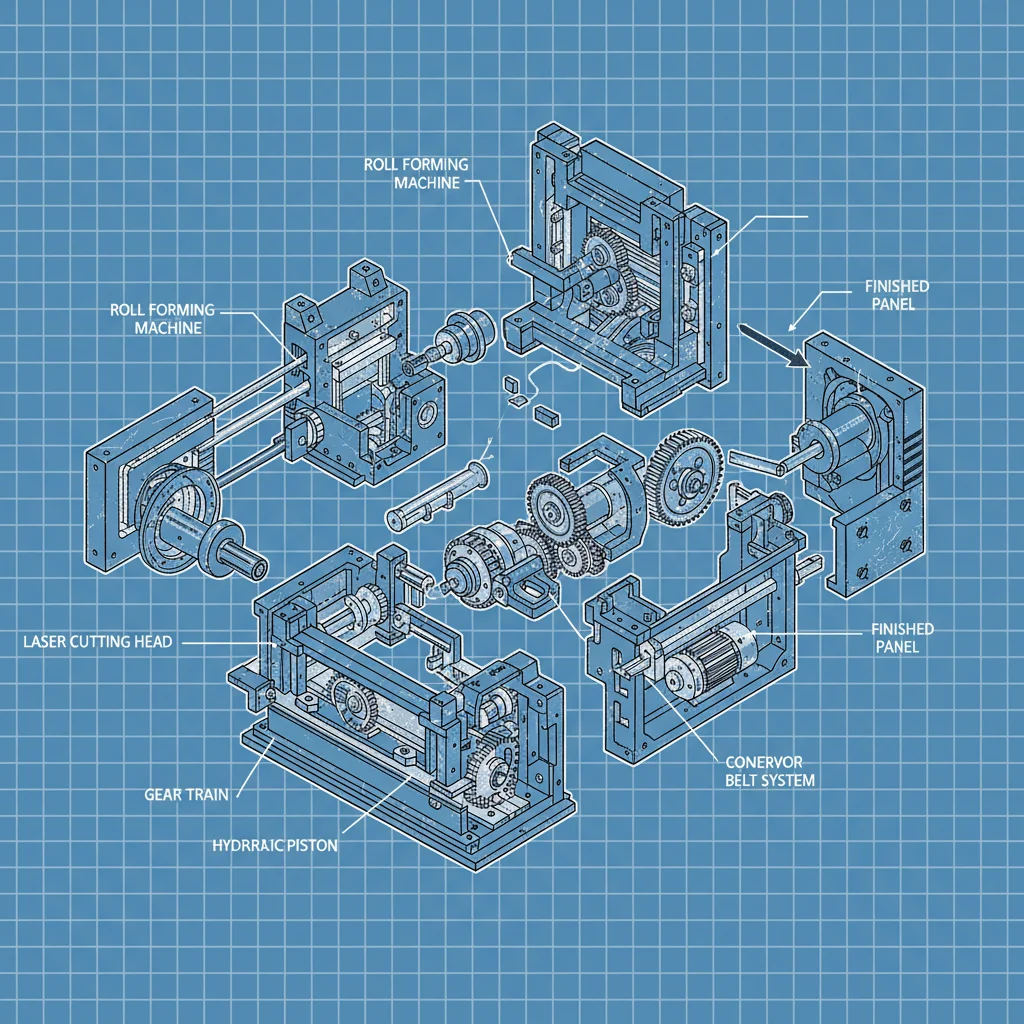
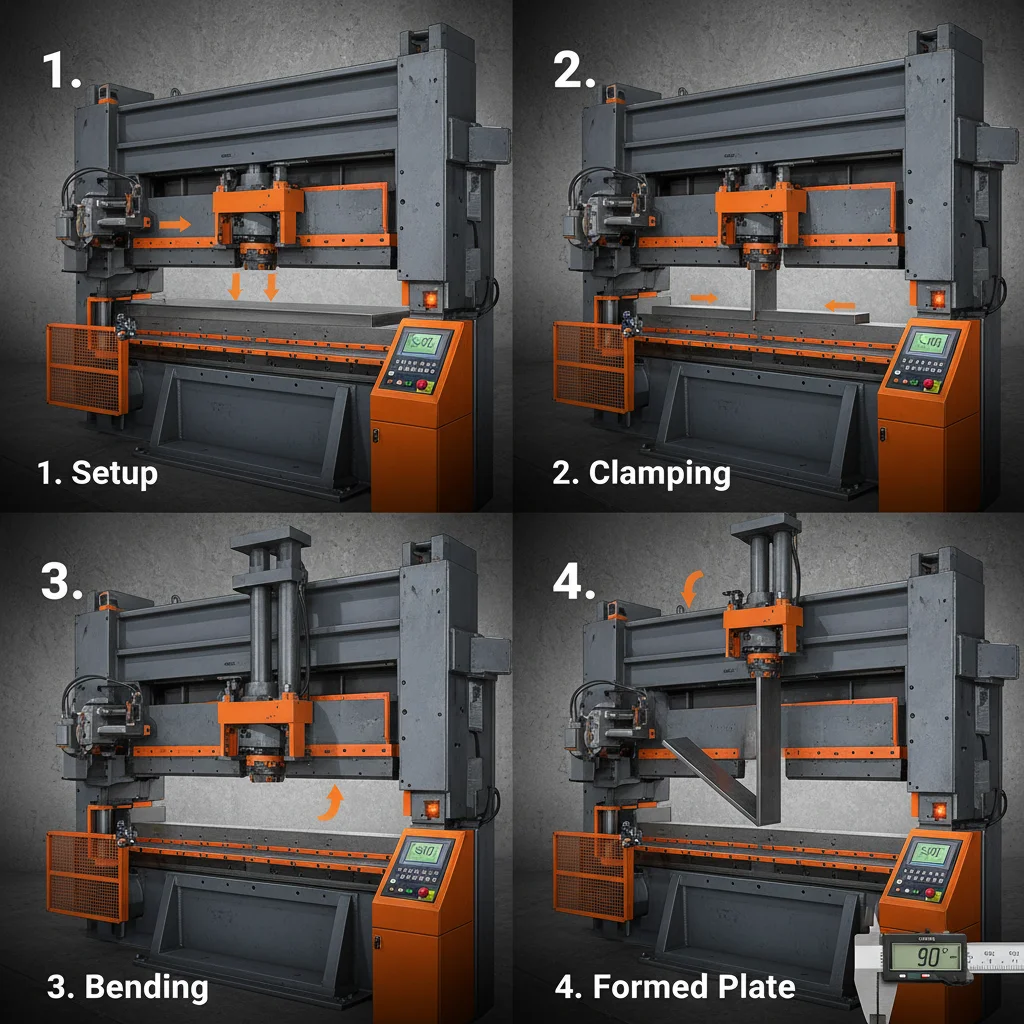
Digital transformation plays a significant role, with the integration of artificial intelligence (AI) and machine learning (ML) in design optimization and defect detection. Automation in fabrication processes, such as robotic welding and laser cutting, is enhancing precision, efficiency, and safety. Furthermore, the pursuit of more sustainable steel production methods, including the use of hydrogen-based steelmaking and carbon capture technologies, is gaining momentum.
Challenges and Solutions
Despite advancements, challenges remain in steel plate design. Corrosion, particularly in harsh environments, continues to be a major concern, requiring innovative protective coatings and corrosion-resistant steel alloys. Fatigue cracking, caused by repeated loading cycles, can also lead to structural failure if not adequately addressed through careful design and material selection.
One solution lies in the development of self-healing materials that can automatically repair minor damage, extending the lifespan of steel structures. Another approach involves the use of advanced sensor technologies to monitor stress levels and detect potential defects before they escalate. Furthermore, incorporating circular economy principles—designing for disassembly and reuse—can minimize waste and maximize resource utilization.
Addressing these challenges requires a collaborative effort between researchers, engineers, and material scientists to develop and implement innovative solutions that enhance the durability, sustainability, and reliability of steel plate structures.
Summary of Solutions for Common Challenges in Steel Plate Design
| Challenge | Solution | Implementation Cost (1-10) | Long-Term Impact (1-10) |
|---|
| Corrosion | Advanced Protective Coatings | 6 | 9 |
| Fatigue Cracking | High-Strength Steel Alloys | 7 | 8 |
| Buckling Instability | Stiffener Implementation | 5 | 7 |
| Weld Defects | Automated Welding Processes | 8 | 9 |
| Material Waste | Optimized Design via FEA | 4 | 6 |
| Lack of Real-Time Monitoring | Sensor Integration & Data Analysis | 9 | 10 |
FAQS
Mild steel is more cost-effective and easier to weld, but offers lower strength-to-weight ratio, requiring thicker plates for equivalent loads. High-strength steel, while pricier, provides significantly greater strength, allowing for thinner designs, reduced material usage, and lighter structures. The choice depends on project requirements – weight restrictions, cost constraints, and load demands dictate the optimal material selection, requiring careful consideration of these trade-offs.
Corrosion weakens steel plates over time, reducing their load-bearing capacity and potentially leading to structural failure. Effective preventative measures include applying protective coatings (galvanizing, painting, epoxy), utilizing corrosion-resistant steel alloys (stainless steel, weathering steel), and implementing cathodic protection systems. Regular inspections and maintenance are crucial for identifying and addressing corrosion before it becomes critical.
FEA is a powerful computational tool used to simulate the behavior of steel plates under various loading conditions. It allows engineers to identify stress concentrations, predict deformation patterns, and optimize designs for maximum efficiency and safety. FEA helps reduce the need for costly physical prototyping and provides a detailed understanding of structural response, ensuring the design meets performance criteria.
Designing for seismic regions requires a focus on ductility and energy dissipation. Steel plates must be able to withstand cyclic loading and deform significantly without fracturing. Design considerations include using ductile steel grades, providing adequate bracing, and detailing connections to allow for plastic hinge formation. Adhering to relevant seismic building codes and standards is crucial.
Optimizing for sustainability involves minimizing material usage through efficient design, utilizing recycled steel content, and designing for disassembly and reuse. Employing high-strength steel reduces the amount of steel needed, while proper corrosion protection extends the lifespan of structures. Considering the entire lifecycle of the steel plate—from production to demolition—is vital.
Weld quality is paramount. Defects like cracks, porosity, and incomplete fusion significantly reduce the strength and ductility of welded connections. Proper weld preparation, qualified welders, adherence to welding procedures, and non-destructive testing (NDT) methods (e.g., ultrasonic testing, radiographic testing) are essential to ensure high-quality welds and maintain structural integrity.
Conclusion
In conclusion, effective steel plate design is a cornerstone of modern engineering, impacting the safety, durability, and sustainability of structures worldwide. From the selection of appropriate materials and the application of advanced analytical tools to the implementation of protective measures against corrosion and fatigue, a comprehensive understanding of design principles is vital. Continuous innovation and adherence to best practices are essential for optimizing performance and minimizing risk.
Looking ahead, the integration of digital technologies, the development of high-performance materials, and a growing focus on sustainability will continue to shape the future of steel plate design. Investing in research, education, and collaboration will be crucial for overcoming existing challenges and unlocking the full potential of this essential engineering discipline. For more information and resources on steel plate design, visit our website.