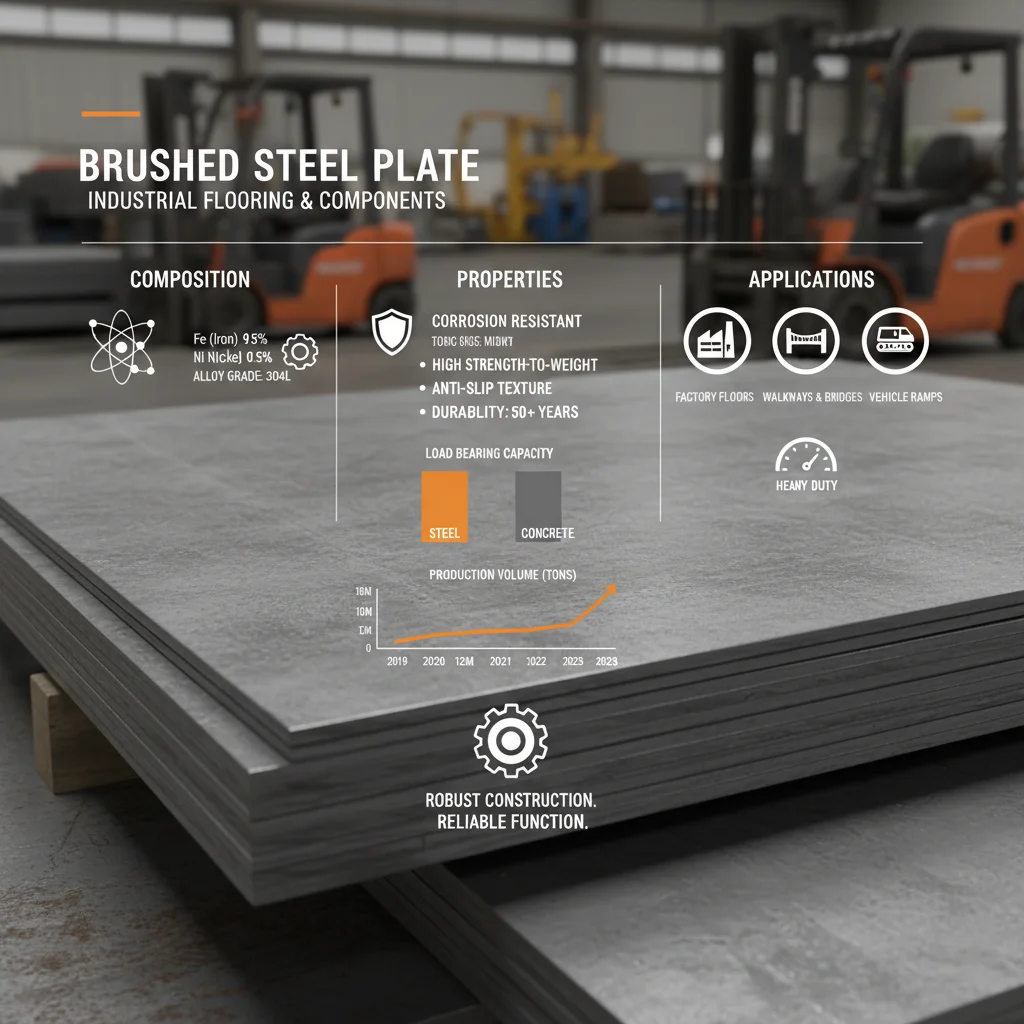
In the realm of high-precision engineering and heavy-duty construction, the role of shim plate steel is often understated yet absolutely critical for structural integrity. These precision-engineered plates serve as the essential interface between massive structural components, allowing engineers to compensate for dimensional variances and ensure perfectly aligned load distribution in complex assemblies.
The global demand for high-performance structural steel has surged as urban landscapes evolve toward super-high-rise skeletons and intricate bridge networks. Whether utilized for leveling heavy machinery or as critical spacers in building frames, the quality of the steel—ranging from basic Q235GJB to ultra-high-strength Q420GJC—determines the long-term stability and safety of the entire project.
Understanding the metallurgical properties and the precise application of shim plate steel allows project managers to reduce material waste and accelerate on-site assembly. By adhering to strict ISO9001 and CE standards, manufacturers ensure that these components withstand extreme loads while maintaining the rigorous tolerances required for modern architectural integration.

Global Significance of Shim Plate Steel in Infrastructure
The global construction industry relies heavily on the precision provided by shim plate steel to maintain safety standards in high-stress environments. As cities expand vertically, the tolerance for error in the primary steel skeleton vanishes; a deviation of even a few millimeters can lead to significant structural stress. By utilizing certified hot-rolled plates, engineers can achieve the exact alignment necessary for super-high-rise buildings.
Moreover, international standards such as ISO9001 and CE certification have unified the expectations for material quality across borders. This standardization ensures that whether a project is located in a bustling metropolis or a remote industrial zone, the shim plates used provide consistent yield strength and toughness, preventing premature failure under extreme architectural loads.
Defining the Technical Role of Shim Plate Steel
In technical terms, shim plate steel refers to precision-cut, high-strength steel sheets used to fill small gaps or gaps between two components. Unlike standard filler materials, these plates are engineered from specific grades—such as Q235GJB for general supports or Q420GJC for ultra-high-load areas—to ensure that they do not compress or deform under the weight of the structure.
The primary function of these plates is to ensure "seamless architectural integration." In the context of metal structure manufacturing, they allow for the fine-tuning of heights and levels during the installation of beams and columns. This is particularly vital in bridge construction, where the impact toughness of the steel must be maintained even at 0°C to prevent brittle fractures.
From a manufacturing perspective, these plates are produced using advanced hot-rolling techniques, ensuring a consistent metallurgical structure throughout the thickness range of 2.5mm to 50mm. This consistency allows for predictable behavior under stress, making them a trusted choice for technical exporters and global contractors.
Core Components of High-Performance Steel Plates
The effectiveness of shim plate steel is rooted in its metallurgical composition. The balance of carbon and alloying elements determines the weldability and strength of the plate. For instance, the "GJB" and "GJC" designations are not arbitrary; they represent a specific grade of quality and impact toughness that is essential for load-bearing elements.
Precision tolerance is another core component that separates premium shim plate steel from generic options. A strict ±1% tolerance control minimizes material waste and eliminates the need for on-site grinding or modification, which significantly reduces labor costs and project timelines in large-scale infrastructure works.
Finally, the surface finish and delivery condition play a role in longevity. Being non-alloy hot-rolled steel, these plates provide an ideal surface for subsequent galvanization or painting, ensuring that the shim remains protected from corrosion in humid or coastal environments, thereby extending the lifecycle of the entire structure.
Global Applications and Real-World Use Cases
The practical application of shim plate steel spans across multiple heavy industries. In the construction of super-high-rise buildings, Q420GJC plates are used at critical joints to ensure that the weight of the upper floors is distributed evenly across the foundation. Similarly, in stadium beams and bridge structures, the enhanced impact toughness of 'C' grade plates ensures safety against dynamic loads.
Beyond urban architecture, these steel solutions are vital in industrial shipbuilding and pipeline steel installations. In these sectors, the ability to customize packing for overseas transit and receive materials within a 10-20 day lead time allows global firms to maintain tight schedules without compromising on the structural integrity of their offshore platforms or pipeline supports.
Comparison of Structural Performance for Shim Plate Steel Grades
Long-Term Value and Reliability Advantages
The investment in high-grade shim plate steel yields tangible long-term dividends in the form of reduced maintenance and enhanced safety. By using plates with guaranteed yield strengths (up to 420 MPa), developers avoid the risks of structural settling or joint failure, which can be catastrophically expensive to repair once a building is occupied.
Furthermore, the reliability provided by direct manufacturing control ensures consistent metallurgical properties across thousands of units. This consistency builds trust between the supplier and the contractor, knowing that every piece of steel will perform exactly as specified in the technical blueprints, regardless of market price fluctuations or supply chain volatility.
Innovations and Future Trends in Steel Manufacturing
The future of shim plate steel is leaning toward smarter metallurgical processes that prioritize both strength and sustainability. We are seeing a shift toward "Green Steel" production, where carbon emissions are reduced during the hot-rolling process without sacrificing the mechanical properties required for high-rise skeletons.
Digital transformation is also playing a role through the implementation of precise laser-cutting automation. This allows for shim plates to be produced with even tighter tolerances than the current ±1%, enabling "zero-gap" assembly in prefabricated modular construction, where components are manufactured off-site and assembled with robotic precision.
Additionally, the integration of advanced coatings is evolving. New anti-corrosive nano-layers are being explored to replace traditional galvanization, offering thinner but more durable protection for shim plates used in extreme environments, such as deep-sea vessel structures or arctic bridge components.
Overcoming Challenges in Steel Plate Implementation
One of the primary challenges in using shim plate steel is the risk of material mismatch, where a lower-grade plate is mistakenly used in a high-stress area. This is solved through rigorous internal testing and the provision of full material certifications (MTC), allowing third-party inspectors to verify the grade—be it Q345GJB or Q420GJC—before the steel ever leaves the factory.
Logistical delays often plague large-scale projects, especially when importing structural steel. To overcome this, professional technical exporters now offer streamlined logistics and production cycles of 10-20 days. By maintaining pricing stability and ensuring on-time delivery, manufacturers remove the uncertainty that often hinders project timelines.
Finally, the debate between cost-effectiveness and performance is constant. The solution lies in a tiered application strategy: utilizing Q235GJB for secondary parts and reserving the ultra-high-strength Q420GJC for critical load-bearing elements. This balanced approach optimizes the project budget while maintaining an uncompromising safety margin.
Technical Specification and Application Matrix for Shim Plate Steel
| Steel Grade |
Strength Level |
Typical Application |
Performance Score (1-10) |
| Q235GJB |
Basic (235 MPa) |
General Supports |
6 |
| Q345GJB |
Moderate (345 MPa) |
Mid-demand Components |
7 |
| Q390GJC |
High (390 MPa) |
Bridge/Stadium Beams |
8 |
| Q420GJC |
Ultra-High (420 MPa) |
Super-High-Rise Key Structure |
10 |
| Specialized |
Customized |
Extreme Load Bearing |
9 |
| Hot Rolled Mix |
Variable |
Secondary Framing |
5 |
FAQS
The most common grades include Q235GJB for basic structural supports, Q345GJB for mid-demand building components, and high-strength grades like Q390GJC and Q420GJC for critical load-bearing elements in skyscrapers and bridges. The choice depends on the required yield strength and the environmental conditions (e.g., temperature) the structure will face.
Yes, free samples are available to help you verify material quality and tolerances before placing a bulk order. While the customer typically covers the initial freight costs, these are often refunded to your account once an official commercial cooperation begins, ensuring a risk-free verification process.
The 'B' and 'C' suffixes refer to the quality and impact toughness levels. GJC plates generally offer superior impact toughness, often tested at 0°C, making them significantly more suitable for critical load-bearing elements, stadiums, and structures located in colder climates where steel is more prone to brittleness.
We employ a strict ±1% tolerance control through advanced hot-rolling and precision cutting processes. This ensures that the plates fit seamlessly into architectural designs, reducing the need for on-site adjustments and minimizing material waste during the assembly of complex metal structures.
Absolutely. Our products are fully compliant with ISO9001 and CE standards, ensuring global industry acceptance. We provide all necessary documentation and welcome third-party inspections to verify that the specifications and quality of the steel plates meet your local regulatory requirements before shipment.
Our efficient production cycles and logistics networks allow us to deliver high-performance steel solutions within 10 to 20 days. We are committed to on-time delivery regardless of market price fluctuations, ensuring your project stays on schedule without compromising on material quality.
Conclusion
The integration of high-quality shim plate steel is a cornerstone of modern structural engineering, providing the essential precision and strength required for the world's most ambitious infrastructure projects. From the basic reliability of Q235GJB to the ultra-high performance of Q420GJC, these plates ensure that every joint and support in a building's skeleton is perfectly aligned, maximizing safety and reducing long-term maintenance costs.
As the industry moves toward greener manufacturing and automated precision, the value of sourcing materials from a certified direct manufacturer becomes even more apparent. By prioritizing strict tolerances, certified metallurgical properties, and reliable delivery cycles, developers can ensure their projects stand the test of time. To secure the highest standard of structural steel for your next project, visit our website: www.baidysteel.com.