Exploring the Applications and Significance of a514 Steel Plate in Modern Infrastructure

0%

Table of Contents

a514 steel plate, a high-strength, low-alloy structural steel, plays a critical role in numerous industries globally. Its unique combination of weldability, toughness, and strength makes it ideal for applications ranging from bridges and buildings to pressure vessels and offshore structures. The demand for a514 steel plate is intrinsically linked to infrastructural development and industrial expansion worldwide, especially in emerging economies where large-scale construction projects are common. Understanding its properties and applications is crucial for engineers, architects, and material scientists involved in ensuring the safety and longevity of critical infrastructure.

The global steel market, valued at over $900 billion in 2023 (source: World Steel Association), relies heavily on specialized steel grades like a514. The increasing focus on sustainable infrastructure and efficient construction techniques further drives the demand for high-performance materials. However, fluctuating raw material costs, geopolitical instability, and evolving environmental regulations present ongoing challenges for the a514 steel plate supply chain. Addressing these challenges requires innovation in steel production, efficient logistics, and a commitment to responsible sourcing.

A514 steel plate serves as a foundational element for building a more robust and resilient future. Its widespread adoption translates to safer, more durable structures and equipment, contributing to economic growth and societal well-being. Continuous advancements in alloy composition and manufacturing processes ensure that a514 steel plate continues to meet the evolving needs of a dynamic global landscape.
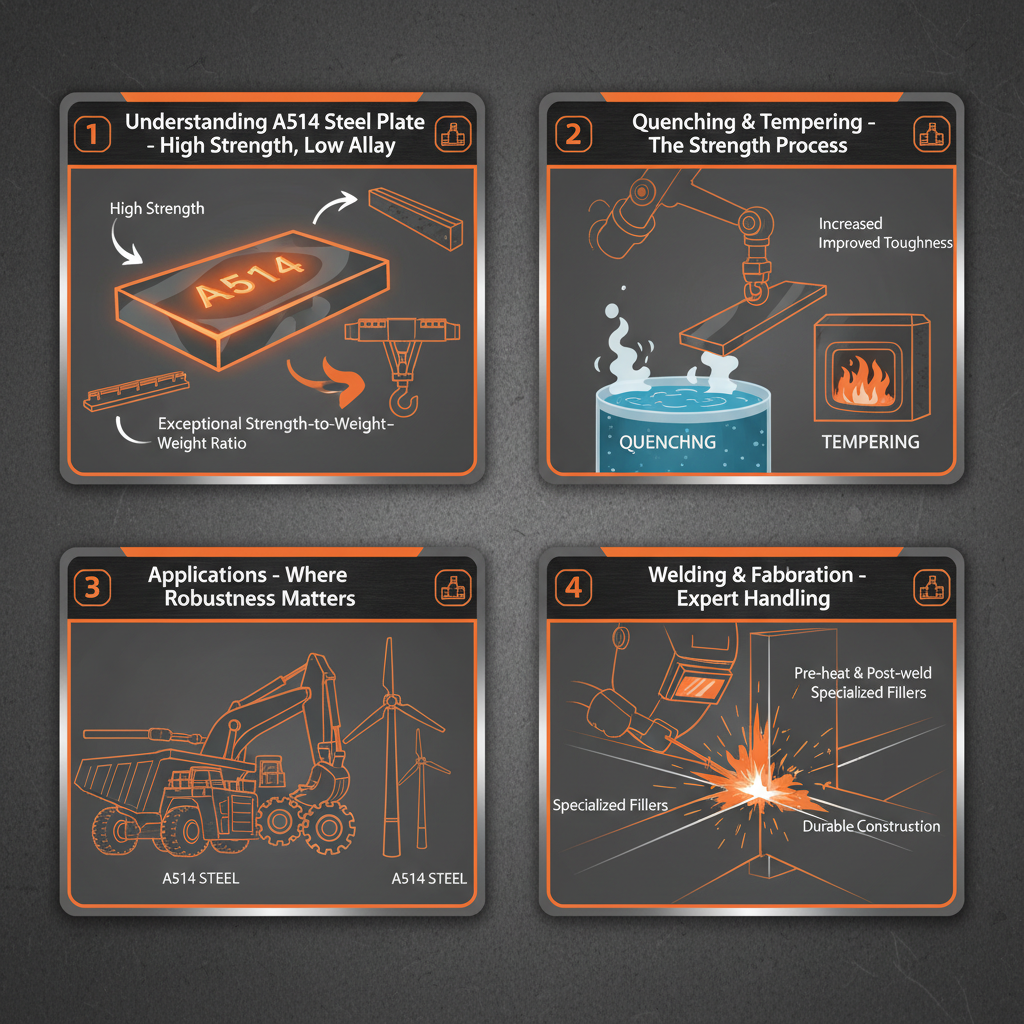
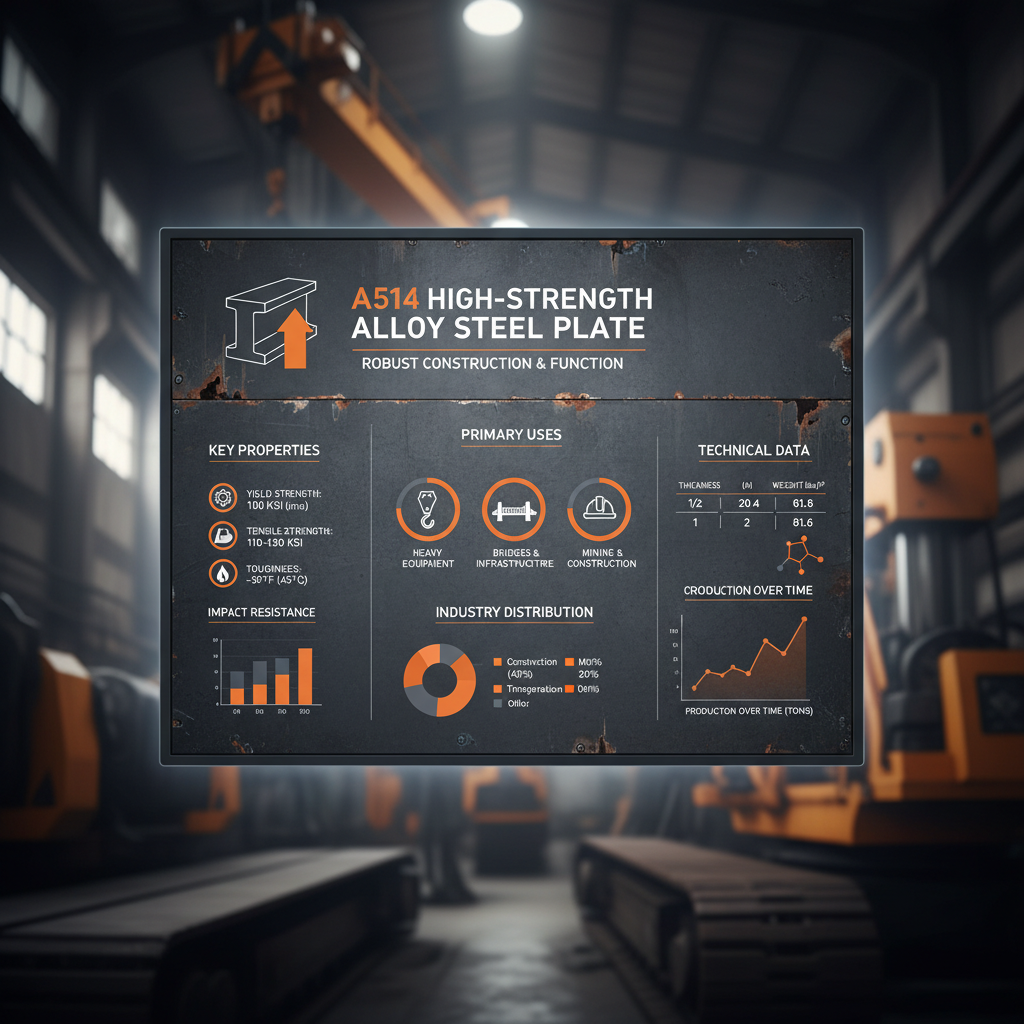
a514 steel plate

The Significance of a514 Steel Plate

a514 steel plate

a514 steel plate represents a critical component in modern engineering and construction. Its superior strength-to-weight ratio and excellent weldability enable the creation of larger, more complex structures with reduced material costs. The plate’s ability to withstand extreme temperatures and pressures further expands its utility into demanding applications like pressure vessels and pipelines.

The selection of a514 steel plate often dictates the overall lifespan and safety profile of a project. Utilizing this material effectively reduces maintenance requirements and minimizes the risk of catastrophic failure, making it a cornerstone of reliable infrastructure. It’s a foundational material that underpins many aspects of modern life.

Global Relevance and Industry Context

The demand for a514 steel plate is directly correlated with global economic growth, particularly in developing nations undergoing rapid urbanization and infrastructure development. Countries in Asia, Africa, and South America are driving much of this demand, fueled by large-scale projects in energy, transportation, and construction. According to the International Monetary Fund (IMF), emerging markets are projected to account for over 70% of global GDP growth in the coming years, further solidifying the importance of steel in these regions.

However, the steel industry faces mounting pressure to reduce its carbon footprint. Traditional steel production is a significant contributor to greenhouse gas emissions. This has spurred innovation in “green steel” technologies, including the use of hydrogen and carbon capture, utilization, and storage (CCUS) technologies. a514 steel plate manufacturers are increasingly adopting sustainable practices to meet evolving environmental standards and customer expectations.

Geopolitical factors also play a crucial role. Trade disputes, tariffs, and supply chain disruptions can significantly impact the availability and cost of a514 steel plate. Understanding these dynamics is essential for businesses involved in sourcing or utilizing this material to mitigate risk and ensure supply chain resilience.

Defining a514 Steel Plate

a514 steel plate is a carbon-manganese alloy steel, specifically designed for high-strength, low-temperature applications. It’s governed by ASTM A514 standard, which specifies various grades (A, B, C, E, F, H) with different yield strength and toughness requirements. The 'A' designation typically represents the lowest strength requirement, while 'H' offers the highest. This standardization ensures consistency and reliability in material performance.

Its primary composition includes carbon, manganese, silicon, and phosphorus, with controlled levels of other elements to achieve specific mechanical properties. The controlled chemical composition allows for excellent weldability without sacrificing strength or toughness, which is a vital characteristic for large-scale construction projects where extensive welding is required.

a514 steel plate directly addresses the needs of modern industry and humanitarian efforts. In infrastructure, it provides the backbone for bridges, buildings, and pipelines, ensuring structural integrity and long-term durability. Its application extends to pressure vessels in power plants and chemical processing facilities, where safety and reliability are paramount.

Key Characteristics of A514 Steel Plate

Durability is a cornerstone of a514 steel plate's appeal. Its high tensile strength and yield strength contribute to its resistance to deformation and failure under stress, even in harsh environments. This makes it ideal for structures exposed to significant loads and external forces.

Weldability is another critical characteristic. a514 steel plate exhibits excellent weldability, allowing for efficient fabrication and assembly of complex structures. This minimizes on-site construction time and reduces overall project costs. Properly executed welding maintains the plate’s inherent strength and integrity.

Yield Strength Comparison of a514 Steel Plate Grades

Applications Across Industries

a514 steel plate finds widespread application in the construction of bridges and highway infrastructure. Its high strength and fatigue resistance ensure the long-term stability and safety of these critical transportation arteries. The steel’s ability to withstand dynamic loads from traffic is paramount in these applications.

The energy sector relies heavily on a514 steel plate for the fabrication of pressure vessels, storage tanks, and pipelines used in oil and gas processing, petrochemical plants, and power generation facilities. The material’s ability to handle high pressures and temperatures while maintaining structural integrity is crucial for safe and efficient operation.

Advantages and Long-Term Value

The cost-effectiveness of a514 steel plate, when considering its longevity and reduced maintenance requirements, is a significant advantage. While the initial investment may be higher than some alternative materials, the extended service life and decreased repair needs translate to lower total cost of ownership.

The increased safety profile associated with a514 steel plate is invaluable. Its superior strength and toughness minimize the risk of structural failure, protecting lives and property. This inherent reliability builds trust and confidence in the long-term performance of infrastructure and equipment.

Future Trends and Innovations

The integration of digital technologies, such as advanced sensor networks and predictive maintenance algorithms, is transforming how a514 steel plate structures are monitored and maintained. Real-time data on stress, strain, and corrosion allows for proactive interventions, extending service life and optimizing performance.

Research and development efforts are focused on creating more sustainable a514 steel plate production processes, utilizing renewable energy sources and reducing carbon emissions. The exploration of alternative alloying elements and advanced manufacturing techniques aims to enhance material properties while minimizing environmental impact.

Automation in steel fabrication and welding is increasing efficiency and precision, reducing waste and improving the overall quality of a514 steel plate structures. This trend is driven by the demand for faster construction times and lower labor costs.

FAQS

What is the typical lifespan of a structure built using a514 steel plate?

The lifespan of a structure utilizing a514 steel plate is highly dependent on environmental conditions, maintenance practices, and the specific grade of steel used. However, with proper design, fabrication, and ongoing inspection, structures can reliably last for 75 to 100 years or even longer. Regular corrosion protection and timely repairs are essential for maximizing longevity.

How does a514 steel plate perform in extremely cold temperatures?

a514 steel plate is specifically engineered for low-temperature applications. Its high notch toughness ensures it resists brittle fracture even in sub-zero environments. Different grades of a514 steel plate are certified for use at varying temperatures, with some grades remaining ductile down to -320°F (-196°C).

What welding techniques are recommended for a514 steel plate?

Shielded Metal Arc Welding (SMAW), Gas Metal Arc Welding (GMAW), and Submerged Arc Welding (SAW) are commonly used for welding a514 steel plate. Preheating the steel before welding is often required, particularly for thicker sections and lower-temperature applications. Utilizing appropriate filler metals and following proper welding procedures are crucial for maintaining the steel’s mechanical properties.

Is a514 steel plate susceptible to corrosion?

While a514 steel plate possesses good corrosion resistance, it is still susceptible to corrosion, especially in harsh environments like saltwater or industrial settings. Applying protective coatings, such as paint, galvanizing, or epoxy, is essential for preventing corrosion and extending the lifespan of the material. Regular inspection and maintenance are also critical.

What are the environmental considerations associated with a514 steel plate production?

Traditional steel production is energy-intensive and generates significant carbon emissions. However, the steel industry is actively pursuing more sustainable practices, including utilizing recycled steel, implementing carbon capture technologies, and investing in renewable energy sources. Selecting steel suppliers committed to environmental responsibility is increasingly important.

How does the cost of a514 steel plate compare to other structural steel options?

a514 steel plate generally has a higher initial cost compared to standard carbon steel due to its specialized alloy composition and manufacturing process. However, its superior strength, toughness, and weldability can lead to lower overall project costs by reducing material usage, minimizing maintenance, and extending the structure’s service life. A life-cycle cost analysis should be performed to evaluate the true economic benefits.

Conclusion

In conclusion, a514 steel plate stands as a cornerstone material in modern infrastructure and industrial applications. Its unique combination of strength, weldability, and low-temperature performance makes it invaluable for constructing resilient and long-lasting structures. From bridges and buildings to pressure vessels and pipelines, a514 steel plate ensures safety, reliability, and economic efficiency.

Looking ahead, continued innovation in sustainable steel production, coupled with the integration of digital technologies, will further enhance the value and applicability of a514 steel plate. By embracing these advancements and prioritizing responsible sourcing, we can unlock the full potential of this remarkable material to build a more sustainable and resilient future. To learn more about our a514 steel plate products and services, visit our website: www.baidysteel.com

Kevin Thompson

Kevin Thompson

Kevin Thompson is a Quality Control Supervisor at Xingtai Baidy Steel Works, overseeing the stringent quality inspection process from raw material sourcing to finished product delivery. He boasts 15 years of experience in steel manufacturing and quality assurance, with a specialization in stainless steel and galvanized steel sheet standards. Kevin is meticulous in his approach, ensuring that all exported materials meet international standards and customer requirements. He leads a team of inspectors and is responsible for implementing continuous improvement initiatives within the quality control department. Kevin is a certified Quality Engineer and has a strong focus on precision and reliability.
Previous Exploring Diverse Types of Steel Plates and Their Industrial Applications
Next Exploring the Versatility and Significance of A516 Steel in Modern Infrastructure

If you are interested in our products, you can choose to leave your information here, and we will be in touch with you shortly.