Types of steel plates are fundamental components across a vast spectrum of industries, playing a critical role in everything from construction and shipbuilding to automotive manufacturing and energy infrastructure. Their versatility stems from the wide range of compositions, thicknesses, and surface finishes available, allowing them to be tailored to meet incredibly specific engineering requirements. Understanding these different types is paramount for ensuring structural integrity, optimizing performance, and achieving cost-effectiveness in diverse applications globally.
The global demand for steel plates is inextricably linked to worldwide economic growth and infrastructural development. Emerging economies, particularly in Asia and Africa, are driving significant increases in steel consumption, fueling the need for diverse types of steel plates. According to the World Steel Association, global steel demand is projected to continue to rise, underscoring the importance of innovative and efficient steel plate production techniques.
Addressing challenges like corrosion resistance, weldability, and high-strength requirements demands a deep understanding of the available types of steel plates. From high-strength low-alloy (HSLA) steel offering increased durability to weathering steel designed to eliminate painting costs, selecting the right plate is crucial for long-term project success and sustainability.
Introduction to Types of Steel Plates
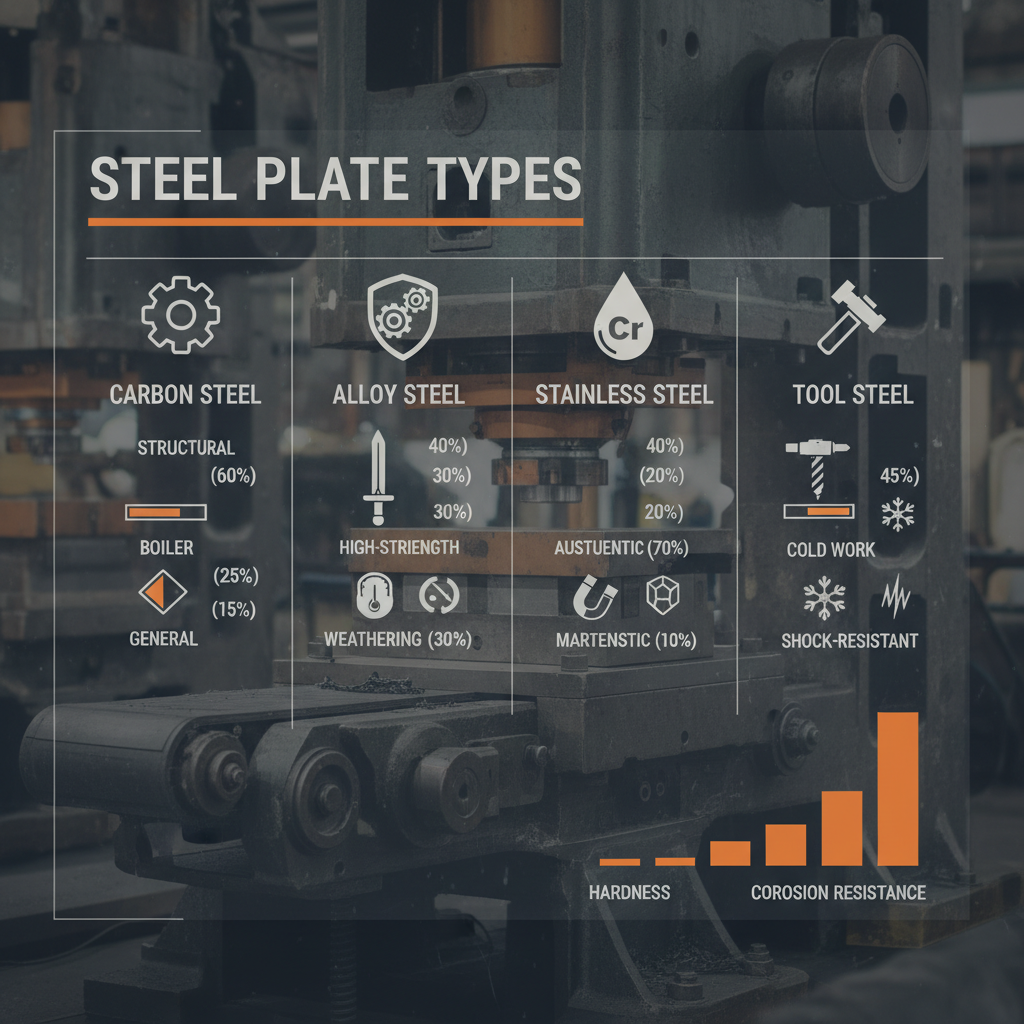
Different types of steel plates cater to a broad range of applications, each engineered with specific properties. Carbon steel plates, known for their affordability and versatility, are commonly used in general construction. Alloy steel plates, incorporating elements like manganese, nickel, and chromium, provide enhanced strength, toughness, and corrosion resistance for demanding environments. Understanding these fundamental differences is critical for informed material selection.
The selection process involves balancing factors like cost, performance, and longevity. While carbon steel offers a cost-effective solution for many applications, alloy steel may be necessary for projects requiring superior durability or resistance to harsh conditions. Specialized types like stainless steel plates, offering exceptional corrosion resistance, are essential for industries like food processing and pharmaceuticals.
Defining Types of Steel Plates
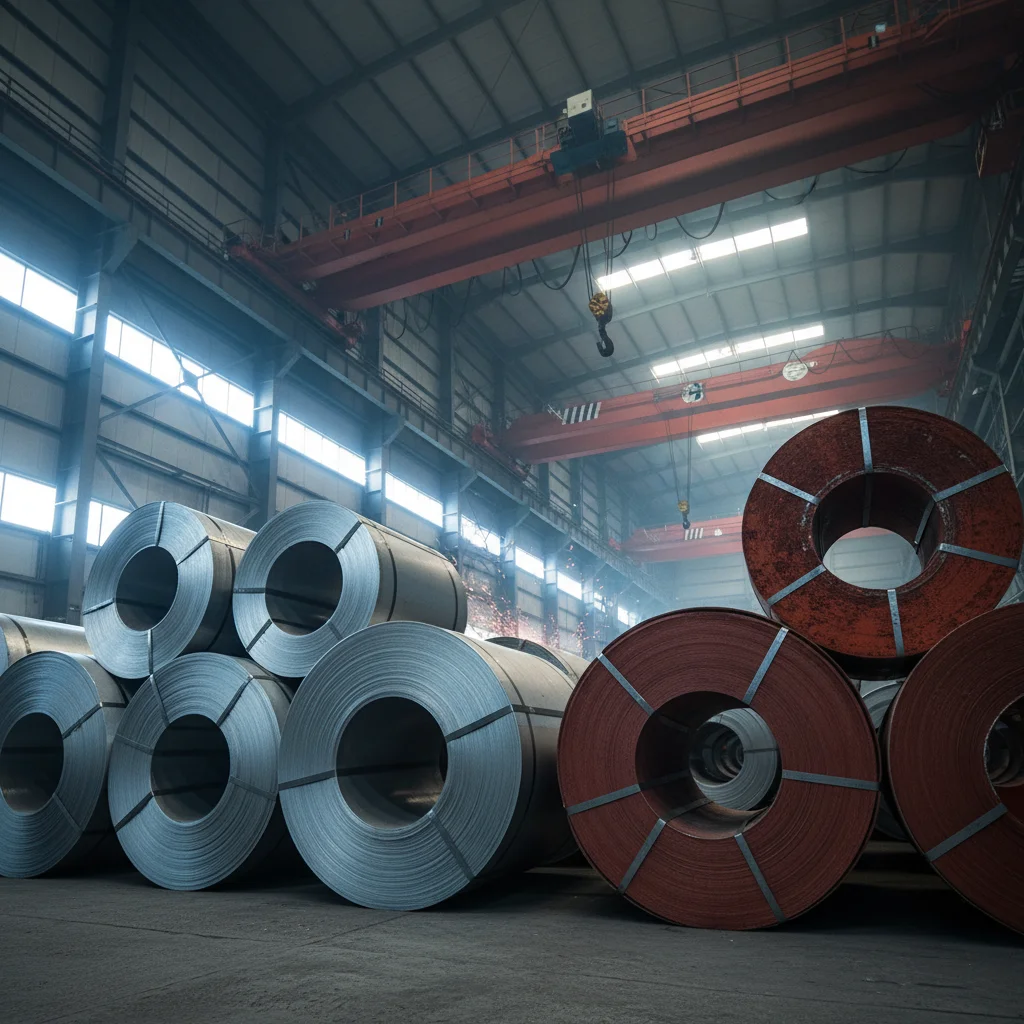
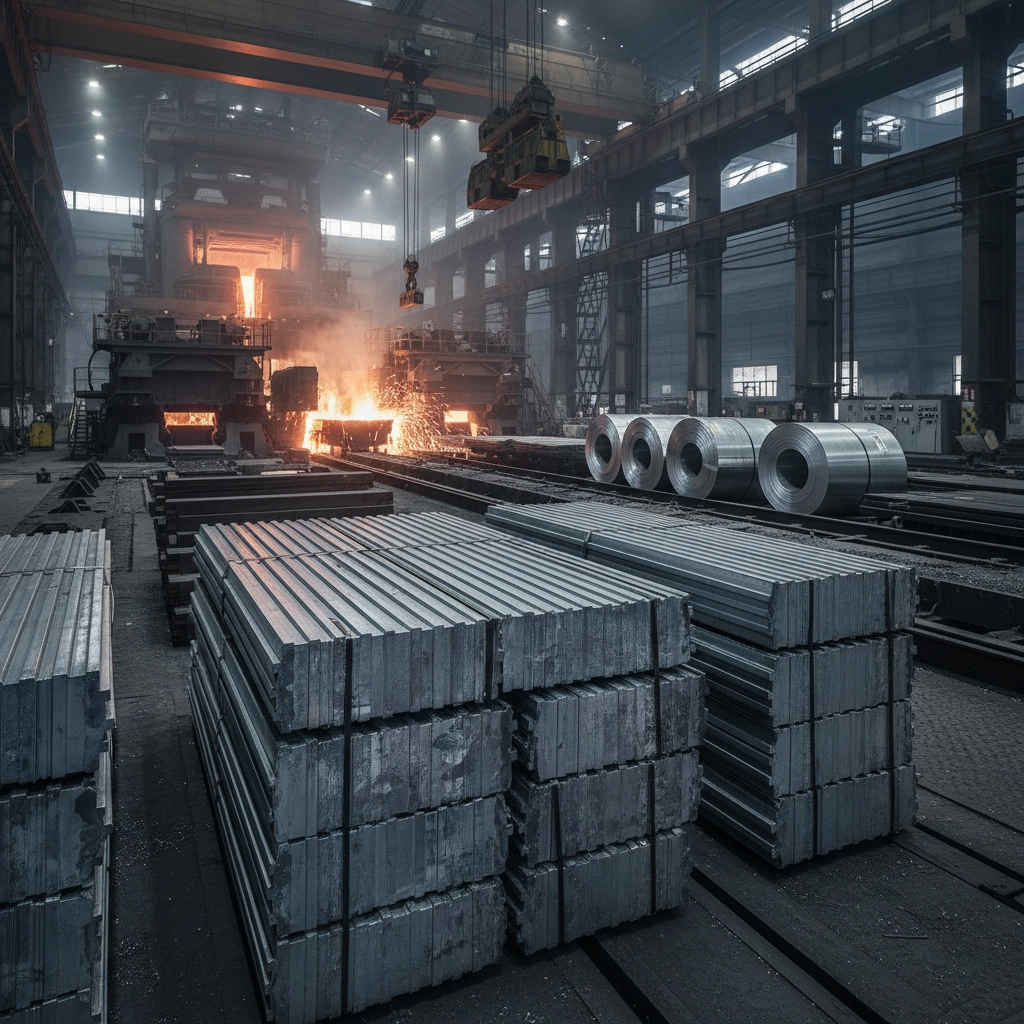
Types of steel plates are essentially flat-rolled steel products with a thickness generally ranging from 6mm to over 150mm. They are manufactured through various processes, including rolling, forging, and casting, resulting in distinct characteristics and properties. These plates serve as the foundational material for a multitude of structures and components, often requiring further fabrication such as cutting, welding, and forming.
The classification of steel plates is multifaceted, based on factors like chemical composition, manufacturing process, mechanical properties, and intended application. Common classifications include carbon steel plates, alloy steel plates, high-strength low-alloy (HSLA) steel plates, weathering steel plates, and stainless steel plates. Each type possesses unique attributes, making it suitable for specific requirements.
Their connection to modern industry is profound. From the skyscrapers that define urban landscapes to the ships that traverse our oceans, steel plates are indispensable. Moreover, they contribute to humanitarian needs through the construction of shelters and infrastructure in disaster-stricken areas, demonstrating their crucial role in both progress and resilience.
Key Characteristics of Steel Plates
One crucial characteristic is Durability. Different types of steel plates exhibit varying levels of resistance to wear, tear, and impact. High-strength steel plates are engineered to withstand extreme stresses, making them ideal for demanding applications like bridges and pressure vessels.
Corrosion Resistance is another key factor. Stainless steel plates, containing chromium, are renowned for their exceptional resistance to rust and corrosion, making them invaluable in environments exposed to moisture or harsh chemicals. Weathering steel is also designed to form a protective rust layer, minimizing maintenance requirements.
Weldability significantly impacts fabrication efficiency. Certain types of steel plates, like mild carbon steel, are easily weldable, while others require specialized welding techniques due to their alloy composition. Proper weldability ensures structural integrity and reduces the risk of defects.
Global Applications of Steel Plates
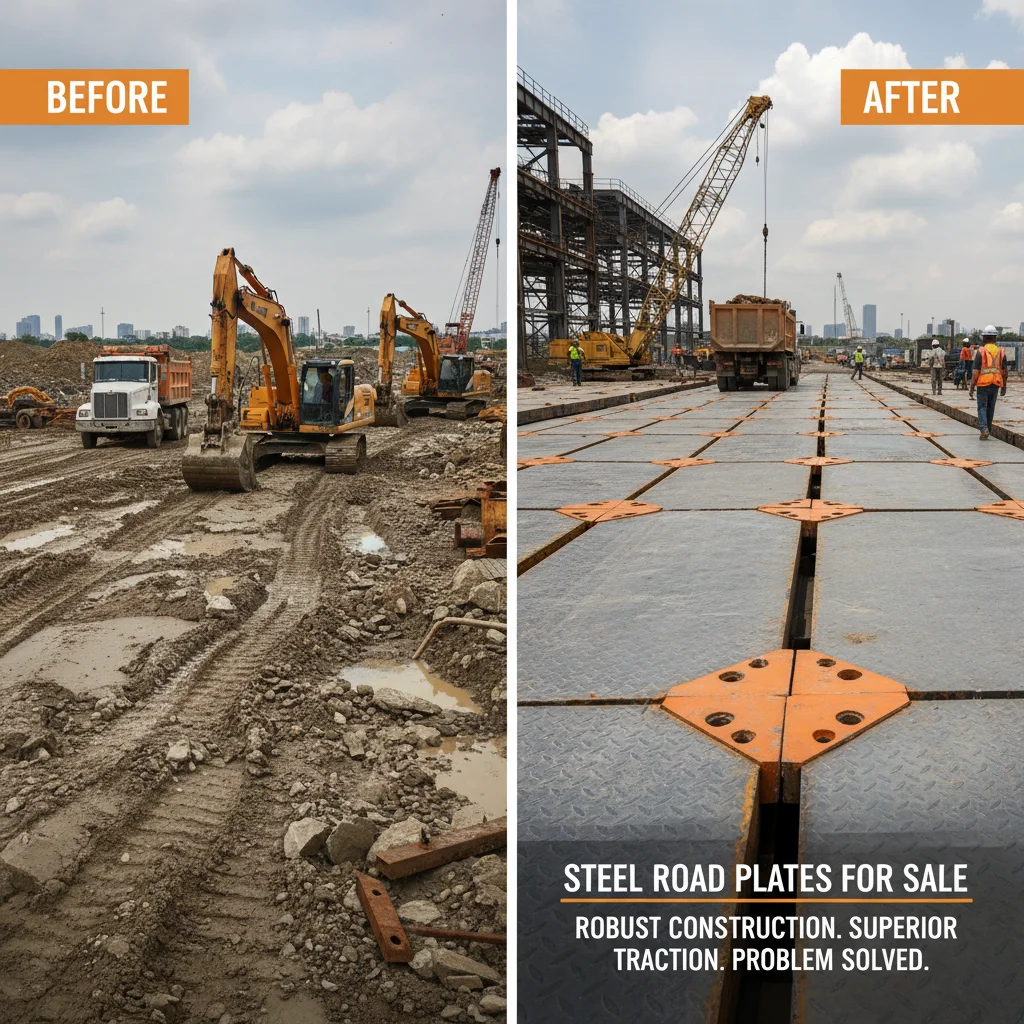
The construction industry is a major consumer of types of steel plates, utilizing them for structural frameworks, flooring, and cladding. Shipbuilding relies heavily on high-strength steel plates for hull construction, ensuring vessel durability and safety. The automotive sector employs steel plates for body panels, chassis components, and safety features.
In energy infrastructure, steel plates are vital for pipelines, storage tanks, and offshore platforms, requiring corrosion resistance and high-strength properties. Renewable energy projects, such as wind farms and solar power plants, also leverage steel plates for foundation structures and support systems.
These applications are evident across the globe. In North America, steel plates are central to large-scale infrastructure projects. In Europe, stringent safety standards drive demand for high-quality steel plates. In Asia, rapid urbanization and industrialization fuel significant growth in steel consumption.
Performance Comparison of Different Types of Steel Plates
Advantages and Long-Term Value
A primary advantage of using the correct types of steel plates is Cost-Effectiveness. Selecting the appropriate grade minimizes material waste, reduces maintenance needs, and extends the lifespan of structures. Furthermore, certain types, like weathering steel, eliminate the need for protective coatings, saving significant long-term costs.
Sustainability is another significant benefit. Steel is 100% recyclable, and using high-strength steel plates can reduce material consumption, minimizing environmental impact. Durability contributes to sustainability by reducing the frequency of replacements and renovations.
Future Trends in Steel Plate Technology
Research and development are focused on creating lighter, stronger, and more corrosion-resistant types of steel plates. Advanced high-strength steel (AHSS) and ultra-high-strength steel (UHSS) are gaining traction, offering superior performance with reduced weight. Digitalization and automation are streamlining steel plate production processes, improving quality control and efficiency.
The integration of smart sensors and data analytics into steel plates is emerging, enabling real-time monitoring of structural health and predictive maintenance. These "smart" plates can provide valuable insights into stress levels, corrosion rates, and potential failure points, enhancing safety and extending service life.
Furthermore, the development of more sustainable steelmaking processes, utilizing hydrogen and renewable energy sources, is gaining momentum, aligning with global efforts to reduce carbon emissions. The future of steel plates is firmly rooted in innovation and environmental responsibility.
Challenges and Solutions in Steel Plate Utilization
One significant challenge is the potential for corrosion, especially in harsh marine or industrial environments. Solutions include utilizing corrosion-resistant alloys like stainless steel, applying protective coatings, and implementing regular inspection and maintenance programs. Another challenge is ensuring consistent weldability, requiring careful selection of welding procedures and operator training.
Supply chain disruptions and fluctuating raw material prices can also pose challenges. Diversifying sourcing strategies and establishing long-term contracts with reputable suppliers can mitigate these risks. Investing in advanced material characterization techniques can help ensure quality control and prevent the use of substandard materials.
The increasing demand for lighter structures drives the need for advanced high-strength steel plates, but these materials can be more challenging to fabricate. Implementing innovative forming and joining techniques, coupled with skilled labor, is crucial for overcoming this obstacle.
Summary of Challenges and Corresponding Solutions for Effective Steel Plate Utilization
| Challenge |
Impact Area |
Proposed Solution |
Implementation Priority (1-5) |
| Corrosion in Marine Environments |
Structural Integrity |
Utilize Stainless Steel & Protective Coatings |
5 |
| Weldability Issues |
Fabrication Quality |
Implement Optimized Welding Procedures |
4 |
| Supply Chain Disruptions |
Project Timelines |
Diversify Sourcing & Long-Term Contracts |
3 |
| Fluctuating Raw Material Costs |
Project Budget |
Hedging Strategies & Value Engineering |
3 |
| Fabrication Challenges with AHSS |
Production Efficiency |
Invest in Advanced Forming Technologies |
4 |
| Quality Control Gaps |
Structural Performance |
Implement Advanced Material Characterization |
5 |
FAQS
Carbon steel plates primarily consist of iron and carbon, offering good strength and weldability at a lower cost. However, alloy steel plates incorporate additional elements like manganese, nickel, or chromium to enhance properties like corrosion resistance, toughness, and high-temperature performance. The addition of these elements makes alloy steel more suitable for demanding applications where greater durability is required, but typically at a higher price point.
The thickness of a steel plate is a crucial factor determining its suitability for various applications. Thicker plates generally offer higher strength and are used for load-bearing structures like bridges and pressure vessels. Thinner plates are often used for cladding, decorative elements, or components requiring formability. The correct thickness is selected based on the expected stresses, load requirements, and fabrication methods.
Weathering steel, also known as COR-TEN steel, is designed to develop a stable rust layer when exposed to the elements, providing corrosion resistance without the need for painting or other protective coatings. It's best utilized in outdoor applications where aesthetics are not critical, such as bridges, railway cars, and architectural facades. The rust layer protects the underlying steel from further corrosion.
Stainless steel plates offer exceptional corrosion resistance, making them ideal for harsh environments and applications requiring hygiene, such as food processing, pharmaceutical manufacturing, and marine environments. They also exhibit good strength, weldability, and aesthetic appeal, though they generally come at a higher cost compared to carbon steel.
Weldability is highly important, as most steel structures require welding during fabrication. Some steel plates, like mild carbon steel, are easily weldable, while others, particularly high-strength alloys, may require specialized welding techniques and pre- or post-weld heat treatment to prevent cracking or other defects. Choosing a steel plate with good weldability can significantly reduce fabrication costs and improve structural integrity.
High-Strength Low-Alloy (HSLA) steel plates offer a combination of high strength and good weldability. They contain small additions of alloying elements that enhance their mechanical properties without significantly increasing cost. HSLA steel is commonly used in automotive components, construction equipment, and structural applications where weight reduction and increased strength are critical.
Conclusion
In conclusion, understanding the diverse types of steel plates is crucial for engineers, architects, and manufacturers across a wide range of industries. From the basic carbon steel to specialized alloys like stainless and weathering steel, each type offers a unique set of properties tailored to specific applications. Selecting the right steel plate not only ensures structural integrity and performance but also contributes to cost-effectiveness, sustainability, and long-term value.
Looking ahead, continued innovation in steel plate technology, driven by advancements in materials science and manufacturing processes, will lead to even stronger, lighter, and more sustainable solutions. Embracing these advancements and adopting best practices in steel plate utilization will be essential for building a more resilient and efficient future. For more information on available types of steel plates and their applications, visit our website: www.baidysteel.com.