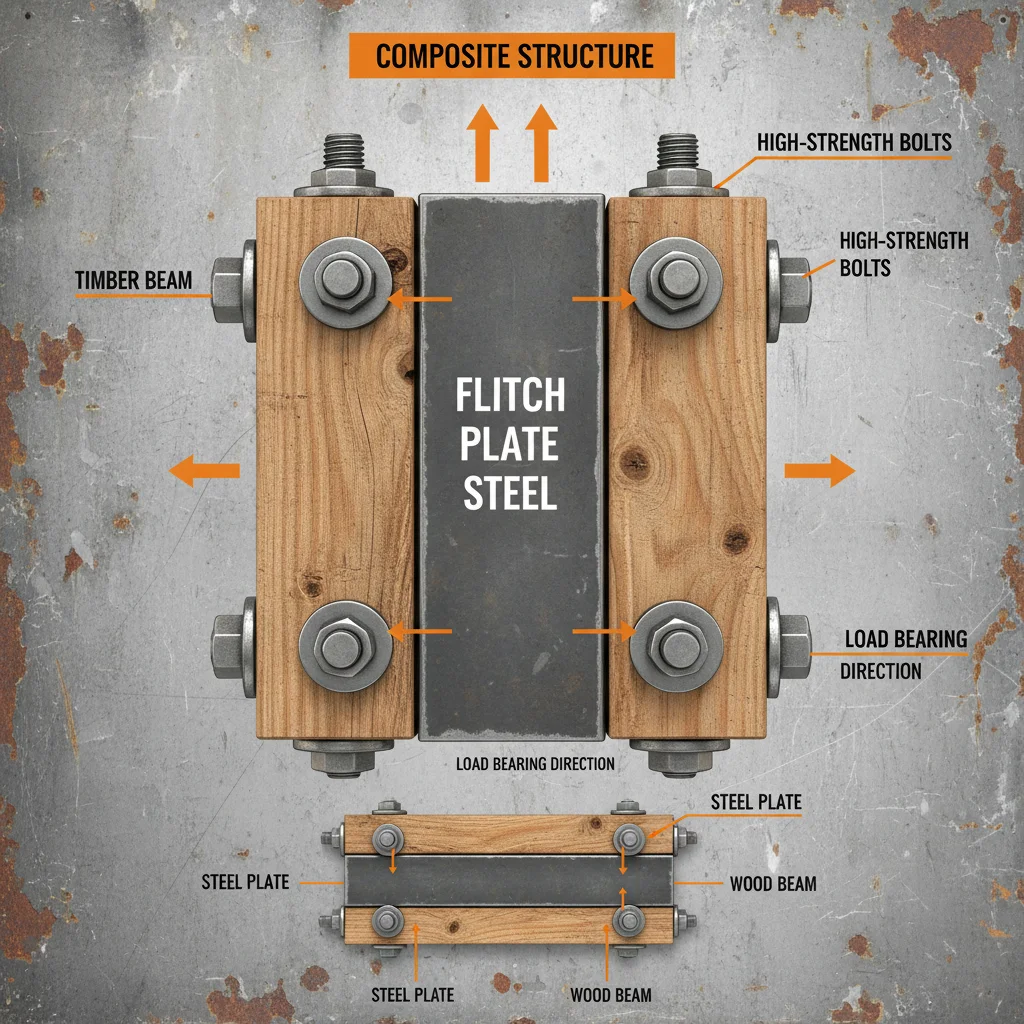
The global construction and infrastructure landscape has been fundamentally transformed by the adoption of corrugated steel plate, a material that balances structural rigidity with lightweight versatility. By introducing a rhythmic wave pattern into flat steel sheets, engineers have unlocked a geometric advantage that allows for significantly higher load-bearing capacities without increasing the overall weight of the material.
In an era where rapid urbanization and climate resilience are paramount, the role of these specialized steel components has expanded from simple roofing to critical elements in bridge decking, temporary housing, and industrial cladding. The ability to deploy high-strength steel in a form that is easy to transport and install makes it an indispensable asset for modern civil engineering and large-scale industrial projects worldwide.
Understanding the nuances of material grade, coating options, and corrugation profiles is essential for procurement managers and architects alike. This comprehensive guide explores how corrugated steel plate optimizes project timelines and reduces long-term maintenance costs, ensuring that structures remain safe, durable, and sustainable under the most demanding environmental conditions.
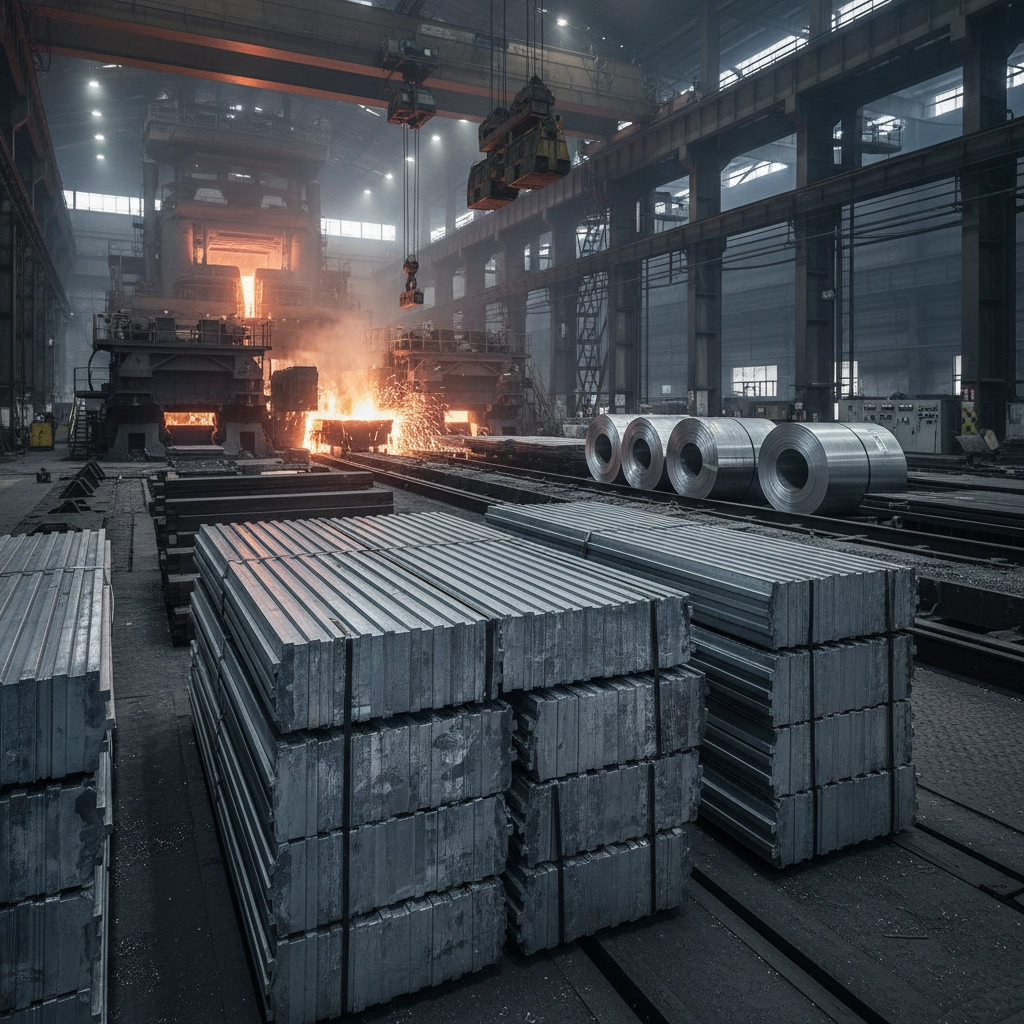
Global Relevance and Industrial Impact of Corrugated Steel Plate
Across the globe, the demand for corrugated steel plate is driven by the urgent need for rapid infrastructure development. According to industrial trends aligned with ISO standards, the transition toward modular and prefabricated construction has pushed the corrugated profile to the forefront. In developing regions, it provides a cost-effective solution for essential shelters, while in developed economies, it is used for high-spec industrial warehouses and sophisticated architectural facades.
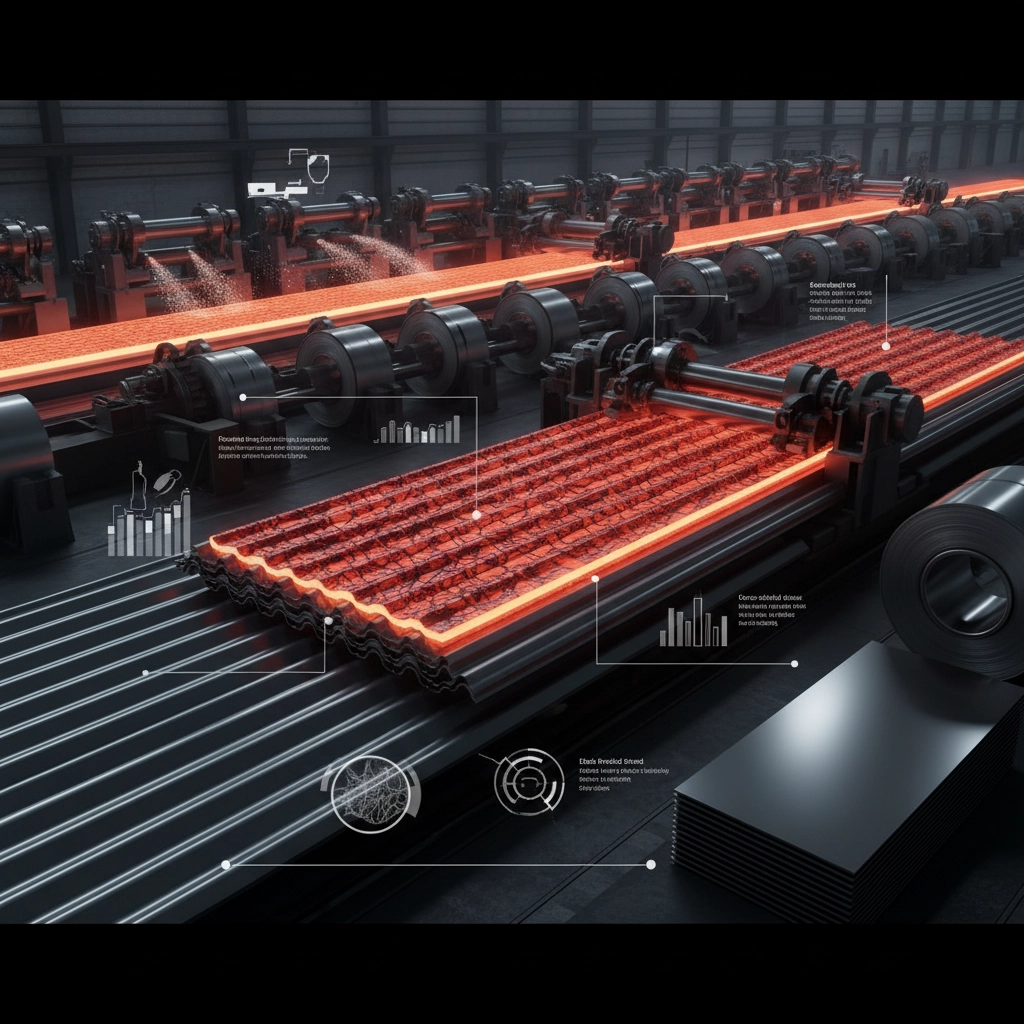
The primary challenge addressed by this material is the traditional trade-off between strength and weight. By utilizing cold-rolling and pressing techniques, the industry has created a product that resists bending and buckling far more effectively than flat sheets of the same gauge. This efficiency not only reduces the raw material requirement per square meter but also significantly lowers the carbon footprint associated with transporting heavy structural steel.
Technical Definition and Material Composition
In simple technical terms, a corrugated steel plate is a flat steel sheet that has been mechanically formed into a series of parallel ridges and grooves. This process, known as corrugation, increases the moment of inertia of the section, which directly translates to a higher stiffness-to-weight ratio. Depending on the application, these plates can be manufactured from various base materials, including hot-rolled steel, galvanized sheets, or high-strength alloy steel.
The connection to modern industry lies in its adaptability. Whether it is a galvanized coating to prevent oxidation in maritime environments or a high-tensile grade for bridge supports, the composition is tailored to the specific stress loads of the project. This versatility ensures that the material can serve both humanitarian needs—such as emergency housing—and heavy industrial requirements, such as pipeline protection.
Furthermore, the precision of the corrugation depth and pitch is critical. A tighter pitch may offer better lateral stability, while deeper grooves are often preferred for vertical drainage or maximum load-bearing capacity. This engineering precision allows architects to specify the exact structural performance required, ensuring safety without over-engineering the project.
Core Components of Structural Integrity
The durability of a corrugated steel plate is primarily determined by its protective coating and the quality of the base steel. Galvanization, the process of applying a zinc layer, is the most common method to ensure that the plates resist corrosion in humid or salty air, making them ideal for outdoor structural use.
Scalability is another core factor. Because corrugated steel plate can be produced in standardized lengths and widths, it allows for rapid scaling of construction projects. This modularity means that panels can be overlapped and fastened quickly, reducing the need for complex on-site welding and minimizing labor costs.
Finally, cost-efficiency is achieved through the material's inherent strength. By using a thinner gauge of steel that is strengthened via corrugation, developers can achieve the same structural integrity as a thicker flat plate but at a lower price point and with significantly faster installation times.
Comparative Performance Metrics in Steel Profiling
When evaluating different profiling methods, it becomes clear that the geometry of the corrugated steel plate dictates its ultimate utility. For instance, sinusoidal profiles are excellent for shedding water and are commonly used in roofing, whereas trapezoidal profiles provide superior longitudinal strength, making them the preferred choice for floor decking in multi-story buildings.
The following data illustrates the performance ratings of various corrugated configurations across key industrial metrics, such as load capacity, ease of installation, and corrosion resistance.
Performance Comparison of Corrugated Steel Plate Profiles
Global Applications and Real-World Use Cases
In real-world contexts, corrugated steel plate is utilized in an array of critical infrastructures. For example, in remote industrial zones in Southeast Asia and Africa, these plates are the primary material for constructing mining facilities and equipment shelters due to their rapid deployment capabilities. In these environments, the ability to transport pre-corrugated sheets and assemble them with basic tools is a logistical game-changer.
Furthermore, in post-disaster relief operations, NGOs and government agencies rely on the speed of steel profiling for temporary housing. Because a corrugated steel plate offers immediate weather protection and reasonable security, it provides a sense of dignity and safety for displaced populations while more permanent structures are being planned.
Long-Term Value and Sustainable Advantages
The long-term value of investing in high-quality corrugated steel plate lies in its lifecycle cost. While cheaper alternatives may exist, the combination of high-grade steel and advanced coatings ensures that the structure requires minimal maintenance over decades. This reliability creates a foundation of trust for investors and developers who prioritize safety and longevity over immediate initial savings.
From a sustainability perspective, steel is one of the most recycled materials on earth. When a structure utilizing corrugated plates reaches the end of its life, the material can be melted down and repurposed without any loss in quality. This circular economy approach aligns with global green building certifications and reduces the reliance on virgin iron ore mining.
Beyond the logical and financial benefits, there is an emotional angle to this innovation. The use of robust steel in critical infrastructure represents stability and permanence. Whether it is a bridge that connects a remote village to a city or a warehouse that protects a community's food supply, the reliability of the corrugated steel plate translates directly into social stability.
Future Trends and Innovations in Steel Forming
The future of corrugated steel plate is being shaped by the integration of digital transformation and advanced material science. Smart manufacturing, including AI-driven rolling mills, now allows for "variable corrugation," where the depth and pitch of the ridges can be adjusted along a single sheet to optimize strength exactly where the highest stress is predicted by computer simulations.
Moreover, the rise of green hydrogen in steel production is paving the way for "Zero-Carbon Steel." As the industry moves away from coal-fired blast furnaces, the corrugated plates of tomorrow will not only be structurally superior but will also be produced with a negligible carbon footprint, meeting the strictest environmental policies of the EU and North America.
Automation is also playing a role in the installation phase. Robotic welding and fastening systems are being developed to assemble corrugated structures with micron-level precision, further reducing human error and increasing the overall safety of the final construction.
Analysis of Corrugated Steel Plate Material Grades and Application Suitability
| Material Grade |
Corrosion Resistance |
Load Capacity |
Primary Use Case |
| Galvanized Mild Steel |
High |
Moderate |
Roofing & Siding |
| High-Strength Alloy |
Moderate |
Very High |
Bridge Decking |
| Stainless Steel (304/316) |
Extreme |
High |
Chemical Plants |
| Cold-Rolled Steel |
Low (needs paint) |
Moderate |
Internal Partitions |
| Weathering Steel (Corten) |
Self-Protecting |
High |
Architectural Art |
| Aluzinc Coated |
Very High |
Moderate |
Coastal Warehouses |
FAQS
Corrugation works by increasing the "section modulus" of the plate. By folding the steel into ridges, the material is moved further away from the neutral axis of the sheet. This geometric change significantly increases the resistance to bending and buckling (stiffness) without adding any additional weight, allowing a thin corrugated steel plate to support loads that would cause a flat plate of the same thickness to fail.
For coastal environments, Aluzinc (an alloy of aluminum and zinc) or high-grade stainless steel is highly recommended. Aluzinc provides a synergistic effect where the aluminum provides a barrier and the zinc provides sacrificial protection. This combination is far more effective than standard galvanization at preventing "white rust" and deep pitting caused by salt spray.
Yes, but the profile must be specific. Trapezoidal corrugation is typically used for structural floor decking. These plates act as a permanent formwork for concrete and, once the concrete cures, the corrugated steel works compositely with the slab to carry massive loads, making it a standard choice for high-rise commercial buildings.
Condensation occurs when warm moist air hits the cold steel surface. This can be mitigated by installing a breathable underlayment or an anti-condensation felt layer on the underside of the corrugated steel plate. Additionally, ensuring proper attic ventilation helps regulate the temperature difference, reducing the risk of moisture dripping into the building.
Depending on the environmental exposure and the thickness of the zinc coating, a high-quality galvanized corrugated steel plate can last between 20 to 50 years. In mild climates, they often exceed this lifespan. To maximize durability, we recommend periodic inspections and applying a touch-up cold-galvanizing spray to any scratched areas or fastener points.
In many cases, yes. Steel has a much lower installation time and requires less site disturbance. Most importantly, corrugated steel is 100% recyclable. While concrete is difficult to reuse, steel can be recycled infinitely without loss of properties, making it a cornerstone of sustainable "green" construction practices.
Conclusion
The versatility and efficiency of corrugated steel plate make it a cornerstone of modern industrial manufacturing and construction. By blending geometric innovation with high-performance metallurgy, these plates solve the critical challenge of balancing structural strength with material economy. From their role in emergency humanitarian shelters to their use in high-tech industrial facades, the corrugated profile provides a reliable, scalable, and sustainable solution for the built environment.
As we look toward a future defined by carbon neutrality and rapid urban expansion, the adoption of advanced steel alloys and AI-driven forming techniques will further enhance the utility of these materials. We encourage engineers and project managers to prioritize high-grade, certified corrugated solutions to ensure the safety and longevity of their assets. For premium industrial steel solutions tailored to your specific structural needs, visit our website: www.baidysteel.com