The global construction and manufacturing landscape has been significantly transformed by the introduction of color steel plate, a material that seamlessly blends structural integrity with aesthetic versatility. By combining a high-strength steel core with advanced polymer coatings, these plates solve the age-old dilemma of choosing between the durability of metal and the visual appeal of painted surfaces.
Understanding the nuances of color steel plate is essential for architects, engineers, and procurement specialists who aim to reduce long-term maintenance costs while enhancing the architectural value of their projects. From industrial warehouses to modern residential facades, the ability to specify precise colors and protective finishes ensures that structures remain resilient against harsh environmental stressors.
As sustainability becomes a mandate rather than an option, the role of pre-coated steel has expanded. The efficiency in production and the recyclability of color steel plate make it a cornerstone of green building practices, providing a lightweight yet robust alternative to traditional cladding materials across the globe.
Global Industry Context of Color Steel Plate
On a global scale, the demand for color steel plate has surged in tandem with rapid urbanization in Asia and Africa. According to industry trends aligned with ISO quality standards, the shift toward prefabricated construction has necessitated materials that are not only fast to install but also visually finished upon arrival. This has positioned pre-painted steel as a critical component in the global supply chain for industrial infrastructure.
However, the industry faces a persistent challenge: the degradation of coatings in high-salinity or high-humidity coastal regions. Traditional painting methods often fail under extreme UV exposure, leading to chalking and corrosion. The evolution of color steel plate has been a direct response to these environmental pressures, moving toward multi-layered coating technologies that extend the lifecycle of the substrate.
Defining Color Steel Plate and Its Core Purpose
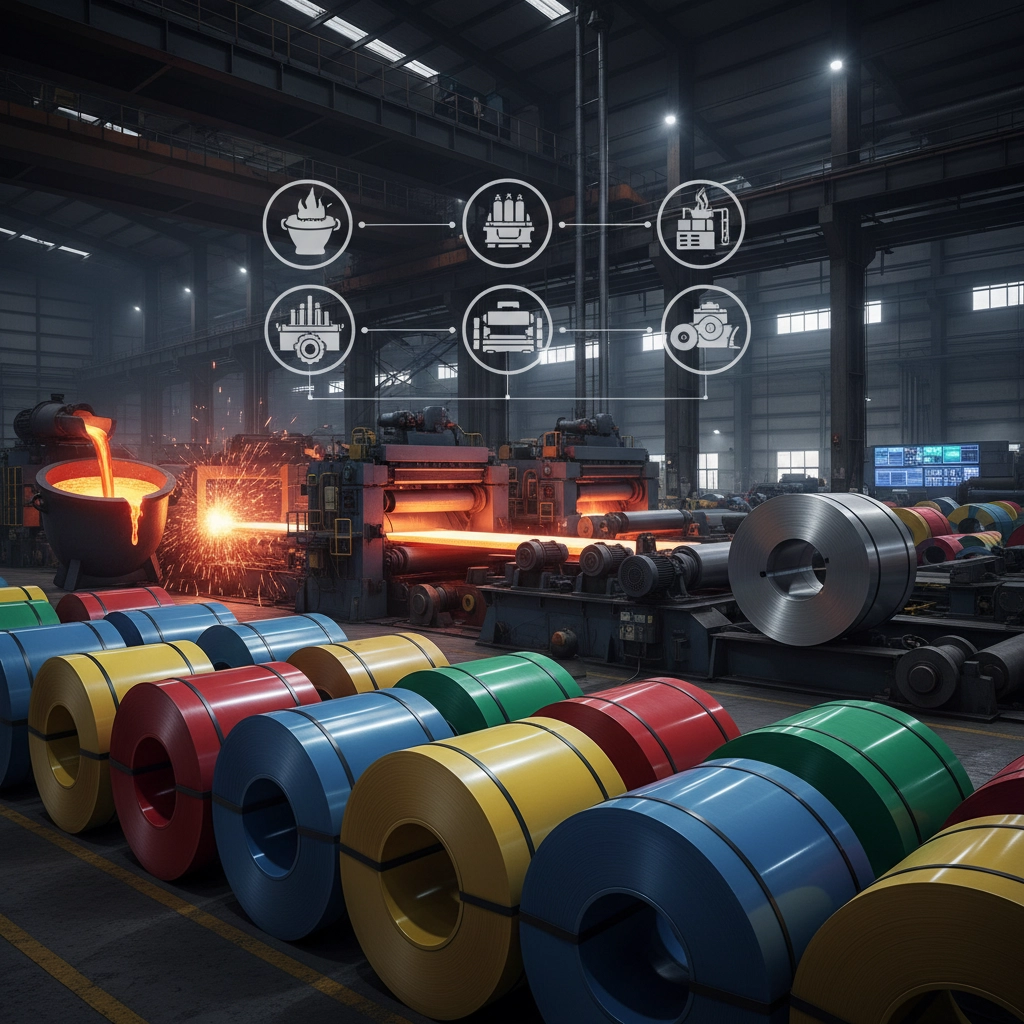
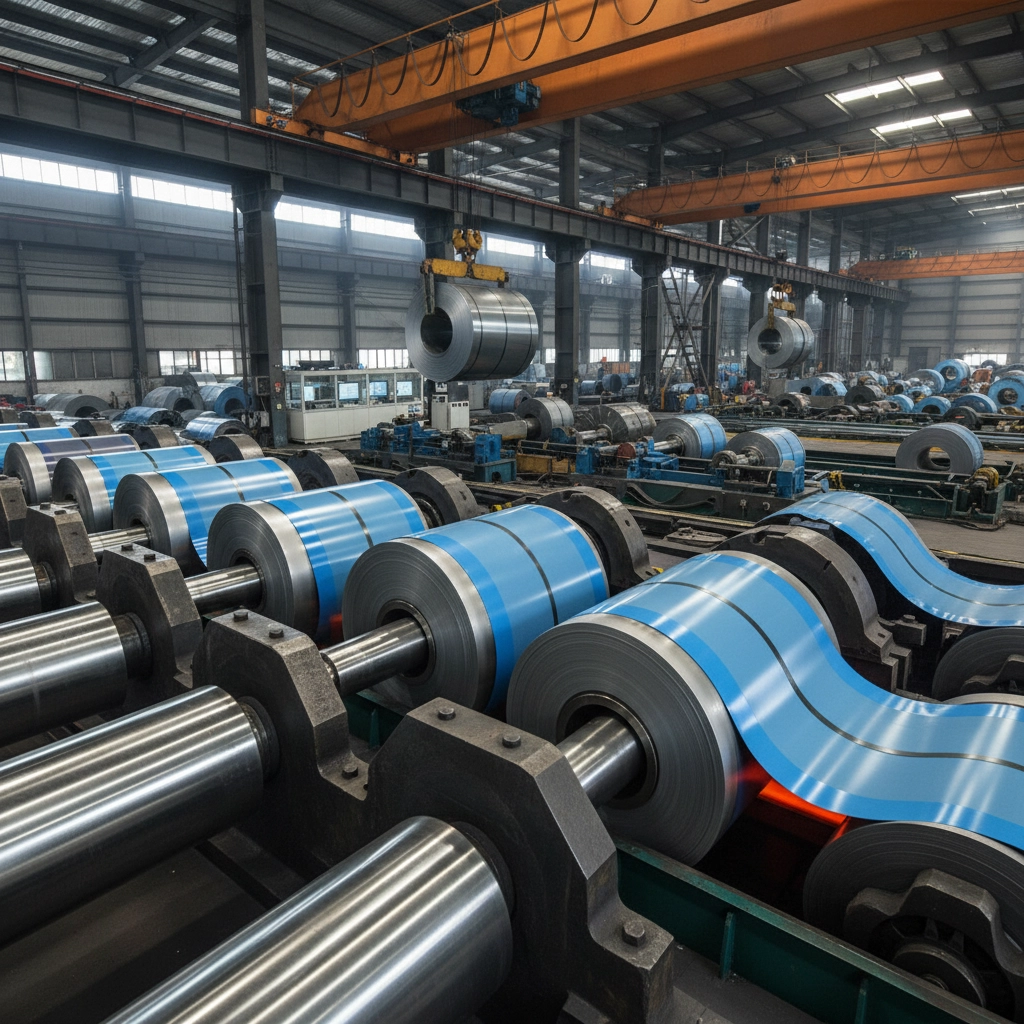
In technical terms, a color steel plate is a cold-rolled or galvanized steel sheet that has been coated with a high-performance organic paint layer through a continuous coil coating process. Unlike field-painting, this factory-applied finish ensures a uniform thickness and superior adhesion, creating a protective barrier that shields the steel from oxidation and chemical attacks.
The core purpose of this material extends beyond simple aesthetics. It is designed to provide a "complete solution" where the strength of structural steel is married to the corrosion resistance of advanced polymers. This synergy is particularly vital in humanitarian needs, such as the rapid deployment of semi-permanent shelters or medical clinics in remote areas, where durability and speed of assembly are non-negotiable.
By integrating the color and the protective layer into a single manufacturing step, the industry reduces the carbon footprint associated with multiple painting cycles. This efficiency makes it a preferred choice for modern industrial architecture, where the goal is to achieve a high-end finish without the prohibitive costs of traditional masonry or expensive cladding.
Key Factors Driving the Performance of Color Steel Plate
Durability is the primary metric for any color steel plate. This is achieved through the careful selection of the substrate—typically galvanized or galvalume steel—which provides the first line of defense against rust. The interaction between the metallic zinc layer and the organic topcoat determines how well the plate will withstand scratching and impact over decades of service.
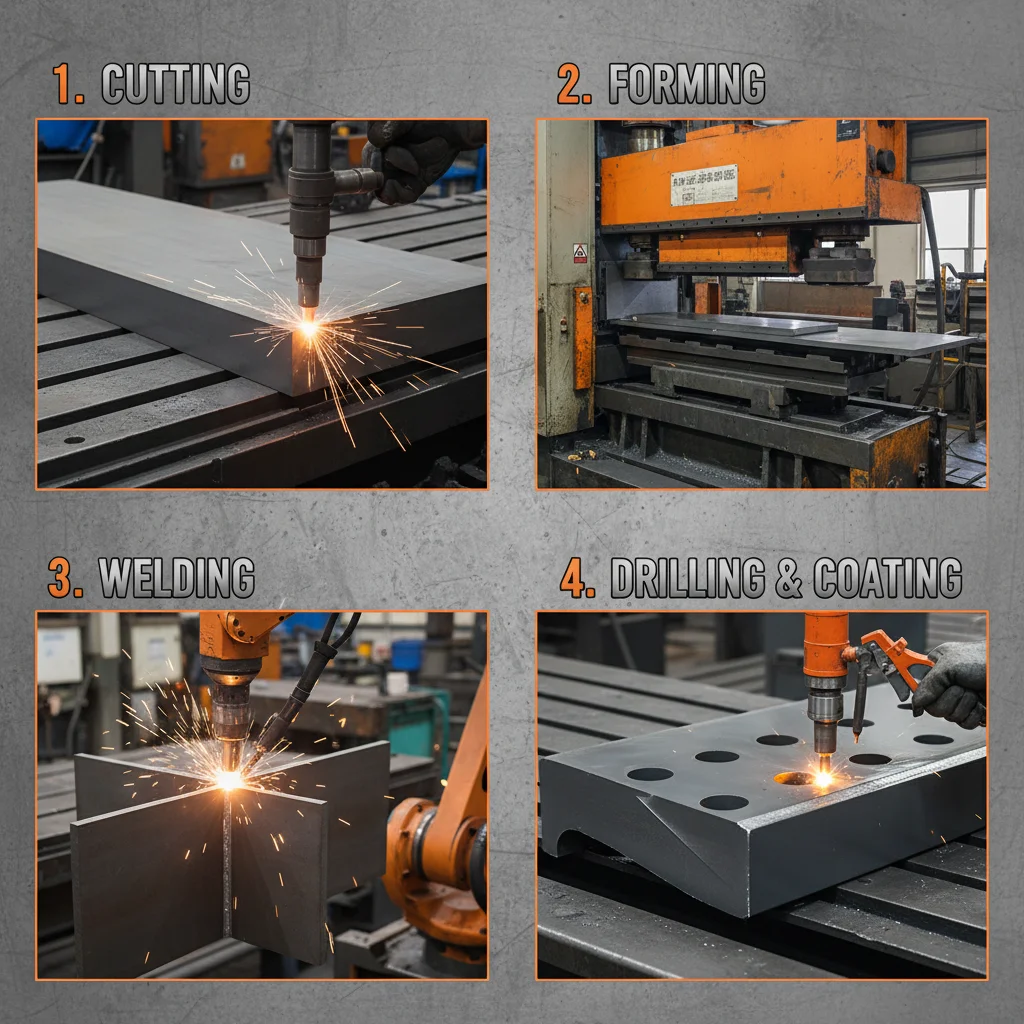
Scalability and cost-efficiency are equally critical. Because color steel plate is produced in continuous coils, it can be stamped, bent, and rolled into complex profiles with minimal waste. This industrial scalability allows for the rapid enclosure of massive spaces, such as airport hangars or logistics centers, while keeping material costs predictable and manageable.
Finally, the chemical composition of the coating—whether it be Polyester, PVDF, or SMP—dictates the plate's resistance to UV radiation and pollutants. High-end architectural projects often specify PVDF coatings for their exceptional color retention and "self-cleaning" properties, ensuring that the structure maintains its professional appearance despite atmospheric pollution.
Global Applications and Strategic Use Cases
The application of color steel plate spans diverse sectors, from heavy industrial zones to urban commercial hubs. In Southeast Asia and Latin America, these plates are widely used for roofing and wall cladding in agricultural facilities, where they provide a sanitary, easy-to-clean environment that meets strict food safety standards.
In more specialized contexts, such as post-disaster relief operations, pre-fabricated panels made from color steel are utilized to create rapid-deployment housing. These solutions provide immediate dignity and safety to displaced populations, offering weather-tight enclosures that are far superior to fabric tents, yet can be shipped in bulk due to their lightweight nature.
Performance Analysis of Color Steel Plate Coating Types
Long-Term Value and Economic Advantages
The tangible benefits of investing in high-quality color steel plate are most evident in the total cost of ownership (TCO). While the initial procurement cost may be slightly higher than uncoated steel, the elimination of periodic repainting and the reduction in rust-related repairs lead to significant savings over a 20-year building lifecycle.
Beyond the logic of cost, there is an emotional value tied to the reliability of the material. For business owners and homeowners, the confidence that their asset is protected by a factory-certified coating provides peace of mind. Furthermore, the versatility in design allows for innovative architectural expressions, blending safety with a modern aesthetic that enhances property value.
Future Trends in Color Steel Plate Innovation
The future of color steel plate is being shaped by the intersection of material science and digital transformation. We are seeing the rise of "smart coatings" that can self-heal minor scratches or change color slightly to reflect more heat during summer months, thereby reducing the cooling load of the building and contributing to energy efficiency.
Sustainability is driving the transition toward bio-based polymers and VOC-free (Volatile Organic Compound) coatings. The industry is moving away from solvent-based paints toward water-borne systems, ensuring that the production of these steel plates is as eco-friendly as the buildings they help create.
Automation in the rolling and cutting process, powered by AI, is allowing for "mass customization." This means that complex, bespoke architectural panels can now be produced with the same speed and cost-efficiency as standard sheets, opening new possibilities for organic and fluid building shapes.
Challenges and Expert Solutions for Implementation
Despite its advantages, a common limitation in current practice is the risk of "edge creep" corrosion, where the protective coating is breached during cutting or drilling. This exposes the raw steel edge to moisture, which can lead to localized rusting that eventually spreads beneath the paint layer.
Expert insights suggest the adoption of precision laser cutting and the application of edge-sealing compounds immediately after fabrication. By ensuring that every cut edge is treated, the integrity of the color steel plate is maintained, preventing the premature failure of the cladding system.
Another challenge is the mismatch between thermal expansion coefficients of the steel and the coating in extreme temperature swings. The solution lies in the development of more flexible, elastomeric primers that act as a buffer, allowing the coating to expand and contract without cracking or peeling.
Comparative Analysis of Color Steel Plate Specifications
| Substrate Type |
Coating Material |
Expected Lifespan |
Primary Application |
| Galvanized Steel |
Polyester (PE) |
10-15 Years |
General Industrial Wall |
| Alu-Zinc Steel |
PVDF |
20-30 Years |
High-End Facades |
| Cold Rolled Steel |
SMP |
8-12 Years |
Indoor Appliance Shells |
| Galvalume |
HDP |
15-20 Years |
Agricultural Barns |
| Stainless Steel |
Fluorocarbon |
30+ Years |
Chemical Plant Walls |
| Galvanized Steel |
Plasticized |
12-18 Years |
Cold Storage Panels |
FAQS
The choice depends on the environment. For high-exposure outdoor projects with intense sunlight and pollution, PVDF is recommended due to its superior UV resistance. For indoor or mild-climate industrial use, Polyester or SMP coatings offer a cost-effective balance of durability and appearance.
Yes, provided that you select an Alu-Zinc (Galvalume) substrate combined with a high-performance fluorocarbon coating. This combination provides dual-layer protection: the aluminum-zinc alloy resists salt-spray corrosion, while the topcoat prevents chemical penetration.
Absolutely. It is 100% recyclable at the end of its life. Additionally, the pre-coating process in a controlled factory environment minimizes waste and hazardous runoff compared to on-site painting, significantly reducing the project's overall environmental impact.
Fading varies by coating. Standard Polyester may show signs of fading after 10 years in intense sun, whereas PVDF coatings are engineered to maintain their color consistency for 20 to 30 years, making them ideal for corporate branding on building exteriors.
Regular cleaning with low-pressure water and mild detergents is usually sufficient. Avoid abrasive scrubbers or harsh chemicals that can scratch the polymer layer. For PVDF coatings, the surface is naturally hydrophobic, so rain often performs the cleaning automatically.
Yes, most manufacturers can match specific RAL or Pantone shades. Because the coating is applied in a liquid state before curing, a vast spectrum of colors and finishes (matte, glossy, or textured) can be achieved to meet architectural requirements.
Conclusion
In summary, color steel plate represents a sophisticated fusion of strength, beauty, and efficiency. By integrating high-grade steel substrates with advanced protective coatings, it addresses the critical needs of modern construction—specifically the demand for materials that are rapid to install, aesthetically pleasing, and exceptionally resistant to the elements. From its role in sustainable urban development to its life-saving application in emergency housing, this material proves its value as an indispensable asset in the global industrial toolkit.
Looking forward, the continued evolution of smart coatings and green manufacturing will only enhance the viability of pre-painted steel. For stakeholders in the construction and manufacturing sectors, prioritizing the quality of the coating and substrate is the most effective strategy for ensuring long-term structural integrity and reducing maintenance overhead. We encourage you to explore the latest specifications and customized options to optimize your next project. Visit our website: www.baidysteel.com