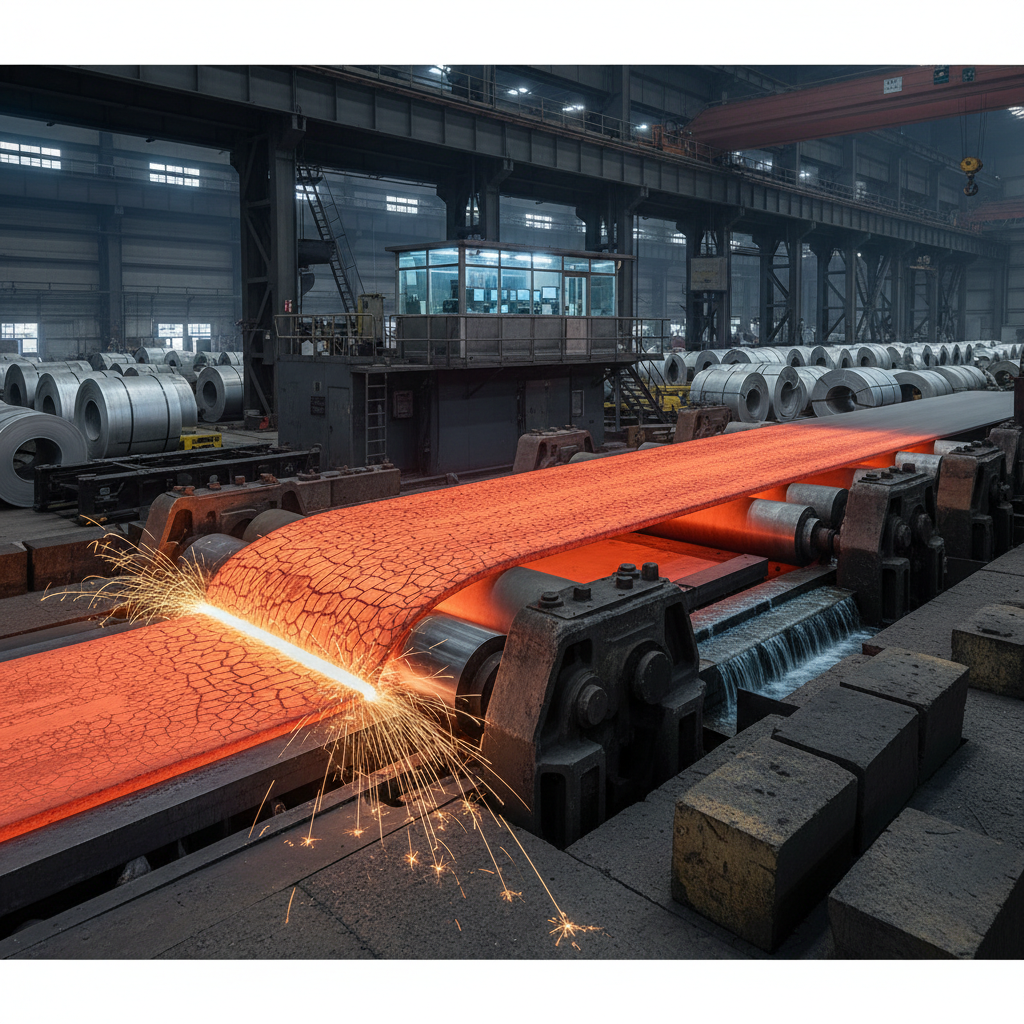
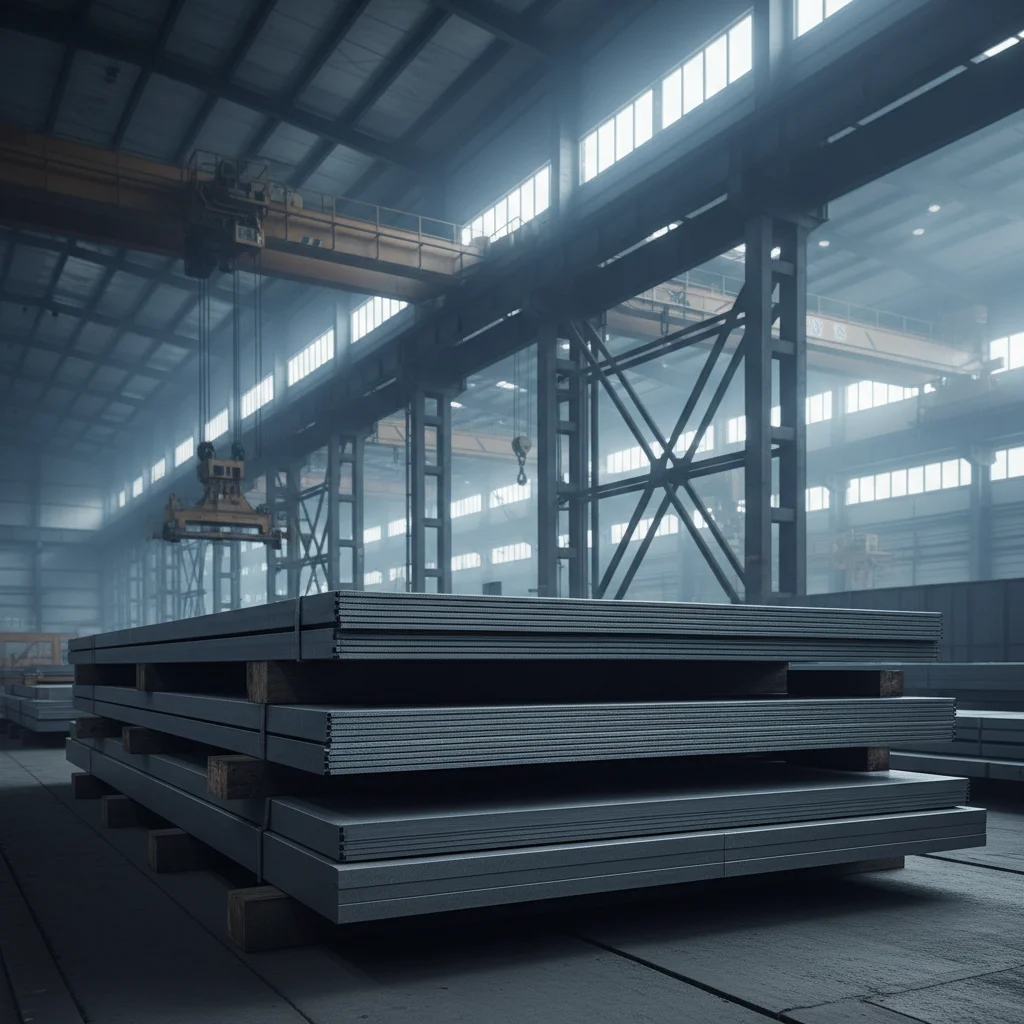
The global industrial landscape relies heavily on materials that can withstand extreme stress and wear, making the high carbon steel sheet an indispensable asset in modern metallurgy. By integrating a higher percentage of carbon—typically between 0.6% and 1.5%—these sheets offer a level of hardness and tensile strength that standard mild steels simply cannot match, ensuring longevity in the most demanding environments.
Understanding the nuances of high carbon steel is not merely a technical requirement for engineers but a strategic necessity for manufacturers aiming to reduce downtime and replacement costs. From the precision of cutting tools to the resilience of heavy-duty springs, the application of this material directly impacts the efficiency and safety of global infrastructure and machinery.
As industries shift toward more sustainable and high-performance manufacturing, the demand for specialized high carbon steel sheet continues to grow. By exploring its chemical composition, mechanical advantages, and evolving production methods, businesses can optimize their procurement and design processes for maximum operational reliability.
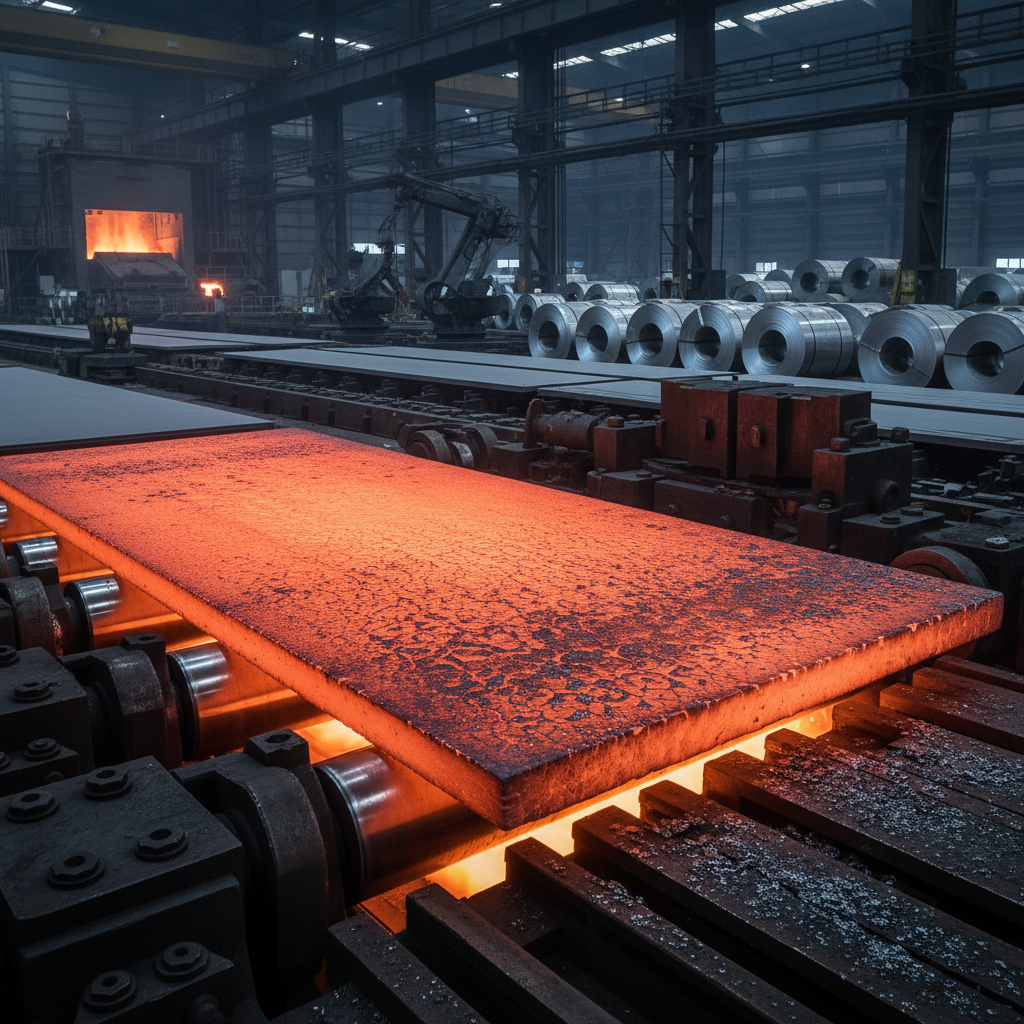
Global Industrial Relevance of High Carbon Steel Sheet
On a global scale, the production and distribution of high carbon steel sheet are critical to the stability of the manufacturing sector. According to standards aligned with ISO and international metallurgical guidelines, the ability of a material to maintain a sharp edge and resist deformation under immense pressure is what separates high-performance machinery from mediocre equipment. In regions with heavy industrialization, such as East Asia and Northern Europe, these materials form the backbone of automotive tooling and aerospace components.
The primary challenge facing modern industry is the constant battle against abrasive wear and mechanical fatigue. Standard alloys often fail prematurely in high-friction environments, leading to costly unplanned shutdowns. By implementing high carbon steel solutions, industries can significantly extend the lifecycle of their equipment, thereby reducing the total cost of ownership and minimizing the environmental impact associated with frequent material replacement.
Defining High Carbon Steel Sheet and Its Role
In simple terms, a high carbon steel sheet is a flat-rolled steel product containing a carbon content typically between 0.6% and 1.5%. This chemical composition fundamentally alters the molecular structure of the iron, allowing the metal to be heat-treated to extreme hardness levels. Unlike low-carbon steels, which are prized for their ductility and weldability, high carbon variants are engineered for strength and wear resistance.
This material plays a pivotal role in bridging the gap between general-purpose structural steel and specialized tool steels. Its ability to hold a keen edge makes it the gold standard for industrial blades, punches, and dies. In the context of humanitarian and infrastructure needs, such as the construction of heavy-duty bridge supports or specialized mining equipment in remote zones, the reliability of high carbon steel ensures that critical tools do not fail under pressure.
Moreover, the versatility of these sheets allows them to be tailored through specific quenching and tempering processes. This means that depending on the end-use—whether it be a high-tension spring or a wear-resistant liner—the material can be adjusted to balance hardness with a necessary degree of toughness, preventing the brittleness that often plagues lower-quality high-carbon alloys.
Core Technical Components for Maximum Durability
The primary factor driving the performance of a high carbon steel sheet is its Carbon Content. Carbon acts as the hardening agent; as the percentage increases, the steel's capacity for hardness increases, which is essential for applications like industrial shears and heavy-duty saws.
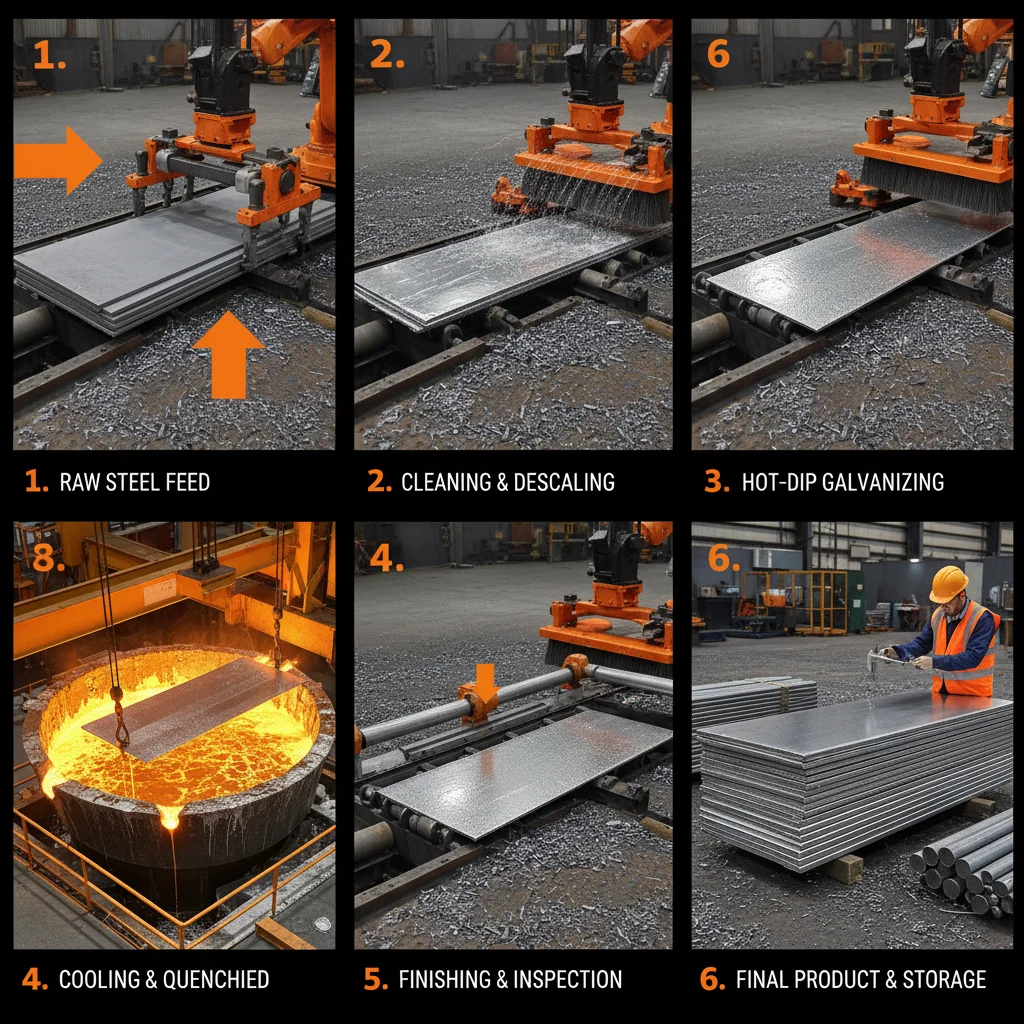
Equally important is the Heat Treatment Process. Through precise heating and rapid cooling (quenching), the internal structure of the high carbon steel sheet is transformed into martensite, a crystalline structure known for its extreme hardness. This is then followed by tempering to relieve internal stresses and prevent cracking.
Finally, Surface Integrity and Grain Refinement ensure that the sheet does not develop micro-cracks during the rolling process. By controlling the cooling rates and utilizing high-purity raw materials, manufacturers can produce a high carbon steel sheet that offers uniform strength across its entire surface, eliminating weak points that could lead to catastrophic failure in high-load scenarios.
Practical Applications Across Global Sectors
The real-world application of high carbon steel sheet spans a diverse range of critical industries. In the automotive sector, it is used to manufacture high-strength springs and specialized chassis components that must resist deformation during high-impact events. In the energy sector, particularly in oil and gas extraction, these sheets are utilized to create wear-resistant plates for drilling equipment that operate in the abrasive environments of deep-sea or arctic exploration.
Furthermore, in the realm of precision agriculture and forestry, the demand for high-carbon alloys is paramount. The cutting edges of industrial harvesters and plows rely on the hardness of high carbon steel sheet to slice through dense organic material and rocky soil without losing their edge. This efficiency directly translates to lower fuel consumption and higher yields for farmers globally.
Performance Comparison of High Carbon Steel Sheet Variants
Long-term Value and Sustainability Advantages
Investing in a premium high carbon steel sheet offers significant long-term economic value. While the initial procurement cost may be higher than that of mild steel, the drastic reduction in wear-and-tear means that parts last three to five times longer. This longevity reduces the frequency of procurement cycles and minimizes the waste generated by discarded components, aligning industrial operations with global sustainability goals.
Beyond the financial metrics, there is an emotional and safety-driven value to utilizing high-carbon materials. In critical applications—such as safety valves or structural supports for heavy machinery—the reliability of the material provides peace of mind for operators. The knowledge that a high carbon steel sheet will not succumb to fatigue under extreme pressure ensures a safer working environment and fosters trust between manufacturers and end-users.
Future Innovations in Carbon Steel Metallurgy
The future of high carbon steel sheet is being reshaped by the integration of Nanotechnology and Advanced Powder Metallurgy. By controlling the carbon distribution at a molecular level, scientists are developing "nano-structured" steels that offer the hardness of high carbon steel but with significantly improved fracture toughness. This evolution aims to eliminate the inherent brittleness of traditional high-carbon alloys.
Furthermore, the push toward "Green Steel" is transforming how these sheets are produced. The transition from traditional blast furnaces to hydrogen-based direct reduction (H-DR) plants is reducing the carbon footprint of high carbon steel sheet production. This allows companies to meet strict ESG (Environmental, Social, and Governance) criteria without sacrificing the mechanical properties of the material.
Digitalization is also playing a role through the use of AI-driven thermal modeling. By utilizing digital twins during the heat treatment phase, manufacturers can now predict exactly how a high carbon steel sheet will react to specific cooling rates, ensuring 100% consistency across massive production batches and reducing material scrap.
Overcoming Challenges in High Carbon Steel Processing
Despite its strengths, the high carbon steel sheet presents certain processing challenges, most notably its poor weldability. Because of the high carbon content, these sheets are prone to hydrogen-induced cracking during traditional welding. To overcome this, experts recommend the use of pre-heating and post-weld heat treatment (PWHT) to slowly normalize the temperature gradients and prevent the formation of brittle zones.
Another significant hurdle is the difficulty in machining. The very hardness that makes the material desirable also makes it wear down cutting tools rapidly. The solution lies in the adoption of Carbide or Ceramic tooling and the use of high-pressure coolant systems to manage the thermal load during the milling or drilling of high carbon steel sheet.
Finally, corrosion remains a vulnerability for high carbon steels. To mitigate this, advanced surface coatings such as PVD (Physical Vapor Deposition) or specialized galvanization processes are applied. These coatings protect the high carbon steel sheet from oxidation while preserving its core mechanical properties, extending its life in humid or chemically aggressive environments.
Analysis of High Carbon Steel Sheet Processing Solutions
|
Processing Challenge
|
Recommended Solution
|
Impact on Material
|
Efficiency Gain
|
| Weld Cracking |
Pre-heating & PWHT |
Stress Reduction |
High |
| Tool Wear |
Carbide Tooling |
Precision Cutting |
Medium |
| Brittleness |
Controlled Tempering |
Balanced Toughness |
Very High |
| Surface Oxidation |
PVD Coating |
Corrosion Barrier |
High |
| Internal Stress |
Annealing |
Structural Stability |
Medium |
| Grain Coarseness |
Rapid Quenching |
Fine-grain Matrix |
High |
FAQS
The primary difference lies in the carbon content. While mild steel has a low carbon percentage (usually under 0.3%), high carbon steel sheets contain 0.6% to 1.5% carbon. This makes them significantly harder, more resistant to wear, and capable of holding a sharp edge, although they are less ductile and harder to weld than mild steel.
No, it is not. Due to its lower ductility and higher susceptibility to brittle fracture, high carbon steel is generally not used for primary structural frames in buildings. Instead, it is reserved for components requiring extreme hardness, such as cutting tools, high-tension springs, and wear-resistant liners.
Since high carbon steel is prone to oxidation, prevention is key. The most effective methods include applying industrial-grade coatings, PVD (Physical Vapor Deposition), or specialized oil-based lubricants. In some cases, galvanization can be used, though careful temperature control is required to avoid affecting the steel's hardness.
Tempering is a heat treatment process performed after quenching. While quenching makes the high carbon steel sheet extremely hard, it also makes it brittle. Tempering involves reheating the steel to a lower temperature to reduce internal stresses, which restores a degree of toughness and prevents the material from cracking during use.
Yes, they can be cold-rolled, which further increases their strength and provides a smoother surface finish. However, cold-rolling high carbon steel requires significantly more pressure and precise control to avoid introducing internal micro-fractures that could compromise the structural integrity of the final product.
The choice depends on the balance between hardness and toughness required. If you need maximum wear resistance (e.g., for a knife), choose a higher carbon grade with a hard quench. If you need resilience and elasticity (e.g., for a spring), choose a grade with slightly lower carbon and a precise tempering cycle.
Conclusion
In summary, the high carbon steel sheet stands as a cornerstone of industrial durability, offering unmatched hardness and wear resistance. From its precise chemical composition and rigorous heat treatment to its wide-ranging applications in automotive, agricultural, and energy sectors, this material ensures that the world's most demanding machinery can operate with efficiency and safety. By addressing processing challenges through expert metallurgy, industries can unlock the full potential of this high-performance alloy.
Looking forward, the synergy between green manufacturing and AI-driven metallurgy will only enhance the value of high carbon steels, making them more sustainable and reliable than ever. For businesses looking to upgrade their equipment and reduce long-term operational costs, investing in high-quality, certified high carbon steel is a strategic imperative. To explore our full range of specialized steel solutions, visit our website: www.baidysteel.com