Hit enter to search or ESC to close
Galvanised steel plate plays a crucial role in modern infrastructure and manufacturing, offering a robust and cost-effective solution for a wide array of applications. From construction and automotive industries to marine engineering and appliance manufacturing, this versatile material is essential for its corrosion resistance and strength. Understanding the properties and applications of galvanised steel plate is paramount for engineers, architects, and procurement professionals seeking durable and sustainable materials.
Globally, the demand for galvanised steel plate is steadily increasing, driven by factors such as rapid urbanisation, infrastructural development in emerging economies, and a growing emphasis on long-term cost savings. The benefits of using galvanised steel—reduced maintenance, extended lifespan, and superior protection against environmental factors—are making it the preferred choice over other materials in numerous projects. This widespread adoption necessitates a clear understanding of its characteristics and quality standards.
The growing demand is pushing manufacturers to innovate, developing new coatings and production techniques to further enhance the performance and sustainability of galvanised steel plate. Understanding these advancements is key to maximizing the return on investment and ensuring the longevity of structures built with this essential material.
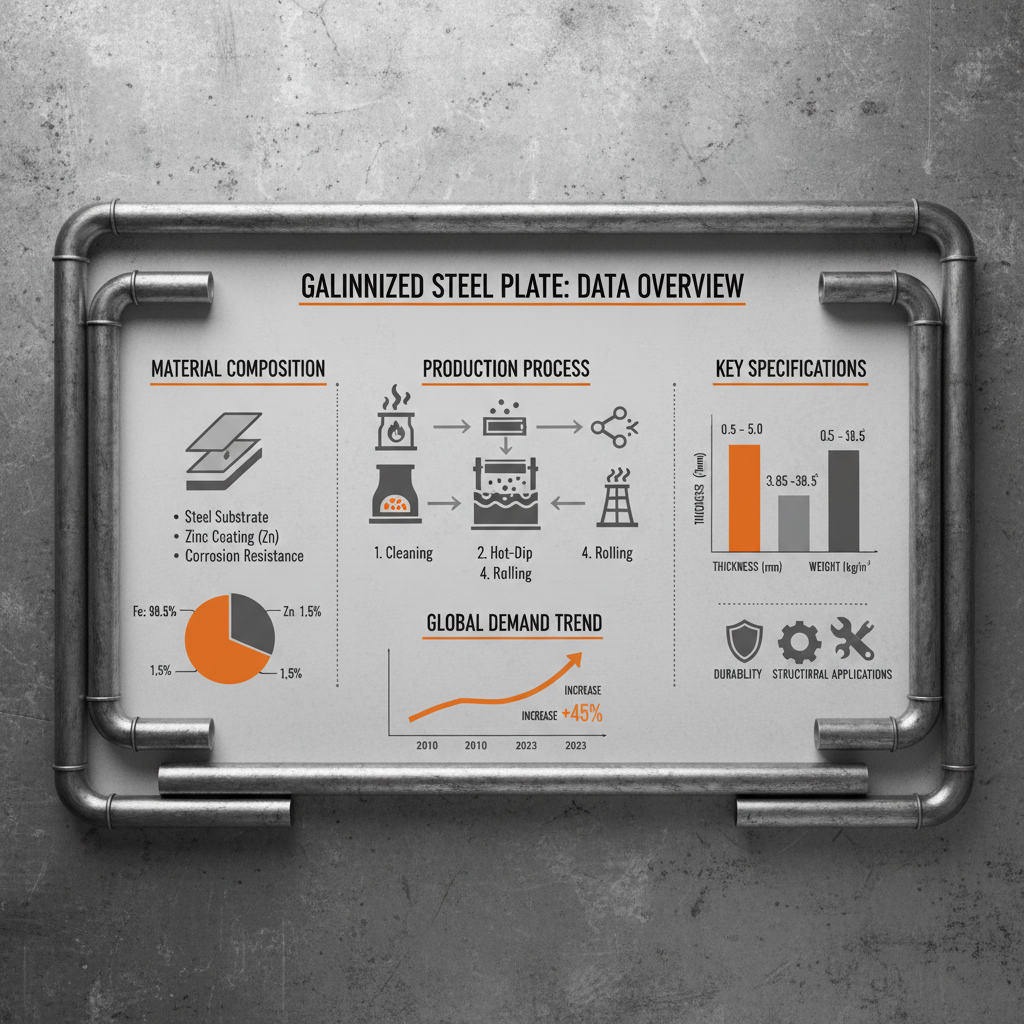
Galvanised steel plate is a cornerstone material in numerous sectors, offering a unique combination of strength, durability, and corrosion resistance. This makes it essential for infrastructure projects, manufacturing processes, and a variety of consumer goods. The global production and consumption of galvanised steel plate are indicative of its widespread importance to modern economies.
Its widespread use stems from its ability to protect the underlying steel from the damaging effects of corrosion, significantly extending its service life and reducing maintenance costs. This is especially vital in harsh environments and large-scale projects where replacement is costly and disruptive.
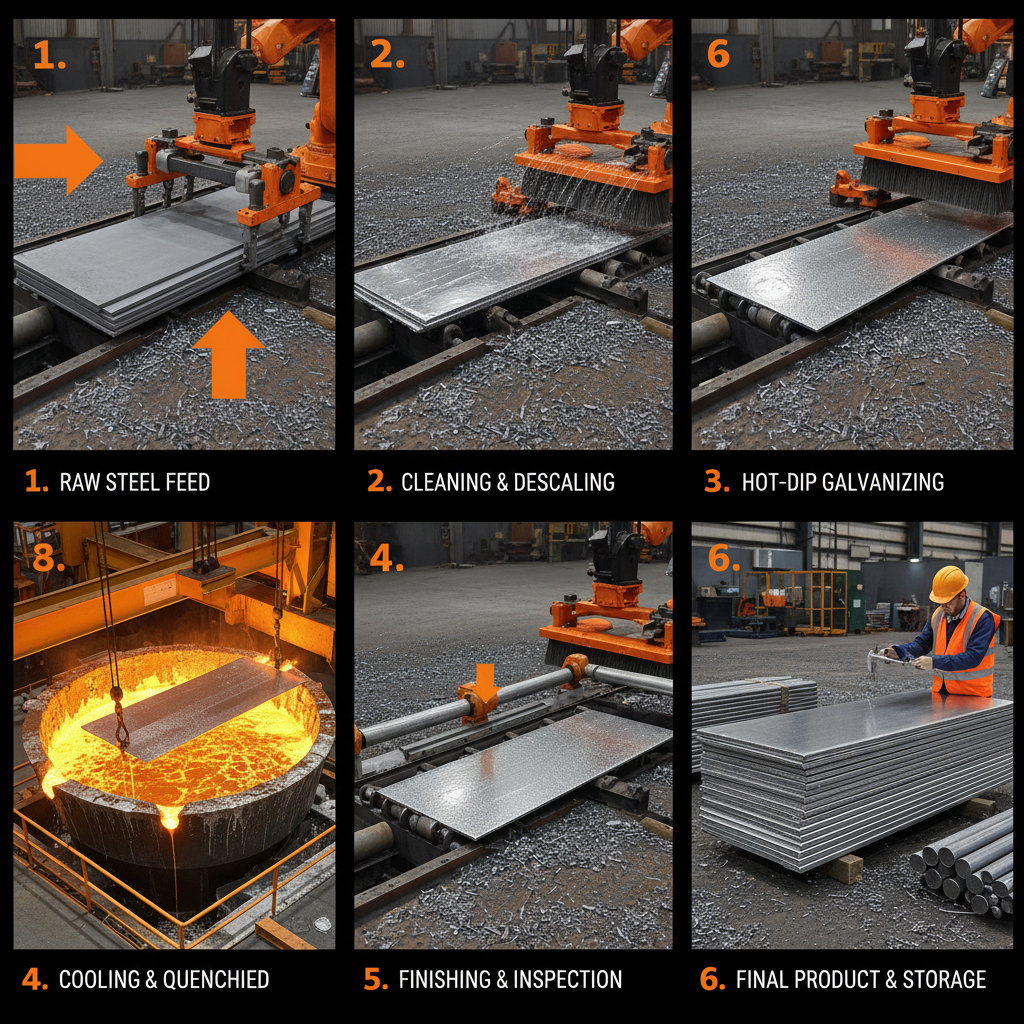
Hot-dip galvanising involves immersing steel in a bath of molten zinc, creating a thicker, more durable coating suitable for harsh environments. Electrogalvanising uses an electrolytic process to deposit a thinner zinc layer, typically used for applications requiring a smoother finish and tighter tolerances. Hot-dip generally provides superior corrosion protection, while electrogalvanising offers better surface quality and closer control over coating thickness. Understanding these differences helps in choosing the right galvanising method for specific needs.
The thickness of the zinc coating is directly proportional to its corrosion protection. A thicker coating provides a longer barrier against corrosive elements and offers more sacrificial protection—meaning the zinc corrodes before the steel. Standards like ASTM specify minimum coating thicknesses for various environments. Increasing the coating thickness generally extends the lifespan of the galvanised steel, but also increases costs and can affect formability.
Yes, galvanised steel can be welded, but it requires specific techniques to avoid damaging the zinc coating and creating harmful fumes. It's recommended to use low-hydrogen electrodes and welding processes that minimize heat input. Post-weld coating repair is often necessary to restore corrosion protection in the weld area. Proper ventilation is crucial to prevent exposure to zinc fumes.
Galvannealing is a modification of the hot-dip galvanising process where the steel is heated to a higher temperature after being coated with zinc. This creates an iron-zinc alloy layer that improves paint adhesion and formability. Galvannealed steel is often used in the automotive industry for body panels, as it offers better paintability and resistance to chipping.
Yes, galvanised steel is considered environmentally friendly. Zinc is a naturally occurring element and is recyclable. The galvanising process itself has a relatively low environmental impact, and the extended lifespan of galvanised steel reduces the need for frequent replacements, conserving resources and minimizing waste. Furthermore, the reduced maintenance requirements translate to lower energy consumption over the structure’s lifetime.
Selecting the appropriate grade of galvanised steel plate depends on factors like the intended use, environmental conditions, and required strength. Consider the thickness of the zinc coating, the steel grade (carbon, alloy), and any specific performance requirements. Consulting with a materials engineer or a reputable steel supplier can help you determine the optimal grade for your needs, ensuring long-term reliability and performance.
In summary, galvanised steel plate stands as a vital material in modern construction, manufacturing, and infrastructure. Its unique combination of strength, durability, and corrosion resistance offers significant advantages over alternative materials, leading to long-term cost savings, reduced maintenance, and enhanced sustainability. From its fundamental principles of zinc coating to its diverse applications across industries, understanding this material is crucial for professionals seeking reliable and long-lasting solutions.
Looking ahead, innovations in galvanising technology, coupled with a growing emphasis on sustainability, will continue to drive the development of even more efficient and environmentally friendly galvanised steel products. We encourage you to explore the full range of offerings and services available at www.baidysteel.com to discover how galvanised steel plate can benefit your next project.