Steel plate price is a critical factor in a multitude of industries, ranging from construction and manufacturing to shipbuilding and energy. Understanding its dynamics – the interplay of raw material costs, production processes, market demand, and geopolitical factors – is paramount for businesses to maintain profitability, plan for future investments, and navigate economic uncertainties. Fluctuations in steel plate price directly impact project budgets, supply chain logistics, and the overall cost of finished goods, making it a constant area of scrutiny for professionals across diverse sectors.
Globally, steel plate is a cornerstone of modern infrastructure and industrial development. The demand for steel plate consistently reflects broader economic trends, serving as a leading indicator of growth or recession. Countries heavily reliant on infrastructure projects or manufacturing sectors are particularly sensitive to changes in steel plate price. Moreover, trade policies, tariffs, and global supply chain disruptions significantly influence its price and availability, creating a complex international market that requires careful monitoring.
The importance of tracking steel plate price stems from its direct correlation with economic stability and progress. Effective price forecasting and risk management strategies are crucial for organizations involved in steel-intensive industries. A deep understanding of the underlying factors driving price variations empowers stakeholders to make informed decisions, mitigate potential losses, and capitalize on emerging opportunities. Access to reliable steel plate price information – such as those provided by steel plate price aggregators – is therefore an indispensable asset.
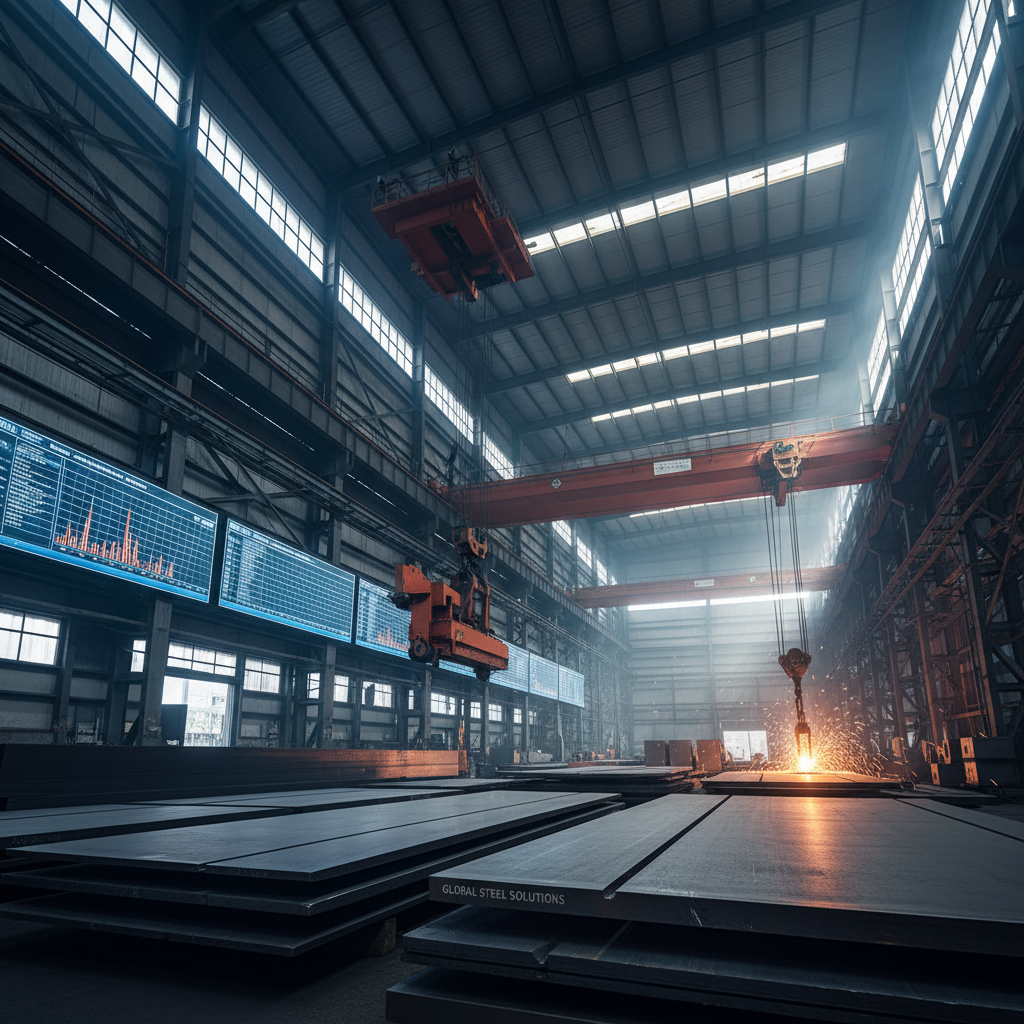
Introduction: Global Relevance of steel plate price
The global steel industry, and consequently the steel plate price, is a bellwether of economic health. According to the World Steel Association, global steel production consistently exceeds 1.8 billion tonnes annually, with a significant portion dedicated to plate steel used in critical infrastructure. Fluctuations in this production and demand impact a wide range of downstream industries.
The increasing demand for steel plate, particularly in emerging economies undertaking large-scale infrastructure development, has placed significant pressure on global supply chains and resulted in price volatility. Factors like the growth of urbanization in Asia and Africa, coupled with governmental investments in renewable energy projects (wind turbines, for instance, require substantial quantities of steel plate), contribute to this upward trend. Monitoring steel plate price is therefore essential for businesses operating within this global landscape.
Defining steel plate price
Steel plate price refers to the cost associated with purchasing flat-rolled steel products with a thickness generally ranging from 1/4 inch to 12 inches. This price is not static; it's a dynamic figure influenced by a complex interplay of factors including raw material costs (iron ore, coal, alloys), manufacturing expenses (energy, labor), transportation costs, and prevailing market conditions. It's typically quoted per ton, and can vary significantly based on grade, dimensions, finish, and quantity ordered.
The steel plate market is diverse, encompassing various grades such as carbon steel, high-strength low-alloy steel (HSLA), and stainless steel, each with its own pricing structure. Understanding these nuances is crucial for accurately assessing the overall cost and value. A reliable understanding of steel plate price supports efficient resource allocation in manufacturing and construction projects.
In essence, steel plate price serves as a key economic indicator. It reflects the health of the global manufacturing sector and influences the cost of many essential goods and services. Access to real-time steel plate price data empowers businesses to optimize their procurement strategies and mitigate financial risks, making it an indispensable tool for informed decision-making.
Factors Influencing steel plate price
Several core factors contribute to the volatility of steel plate price. Firstly, the cost of raw materials, particularly iron ore and coking coal, has a substantial impact. Significant fluctuations in these commodity prices, often driven by geopolitical events or supply disruptions, are directly reflected in the price of steel plate. Secondly, energy costs, specifically electricity and natural gas, are crucial as steel production is an energy-intensive process.
Demand and supply dynamics also play a critical role. Increased demand from burgeoning economies or specific sectors (such as renewable energy) can drive prices upward, while oversupply can lead to price declines. Trade policies, including tariffs and quotas, can also distort the market and impact steel plate price. Furthermore, production capacity and technological advancements in steelmaking processes can influence both cost and efficiency, thereby affecting the final price.
Finally, currency exchange rates significantly impact internationally traded steel plate. A weakening domestic currency against major trading partners can increase the cost of imported steel plate, and vice-versa. Therefore, a comprehensive analysis of steel plate price must consider these interconnected factors to accurately forecast trends and manage risk.
Global Applications of Steel Plate
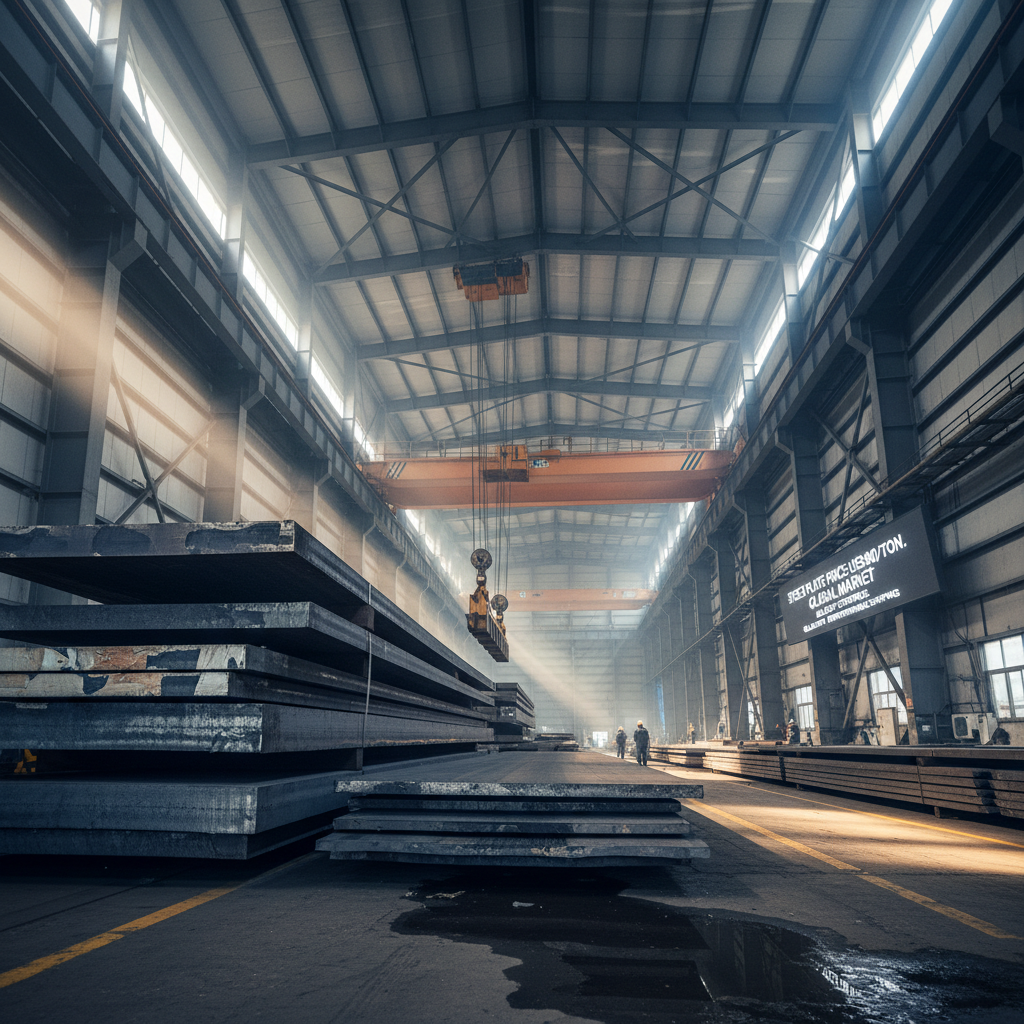
Steel plate finds widespread application across a diverse range of industries globally. In the construction sector, it is integral to the construction of bridges, high-rise buildings, and other large-scale infrastructure projects, providing structural support and durability. The shipbuilding industry relies heavily on steel plate for constructing hulls, decks, and various components of vessels.
The energy sector utilizes steel plate in the manufacturing of pipelines, pressure vessels, and components for power plants (both fossil fuel and renewable energy). The automotive industry employs steel plate in the production of vehicle frames, chassis, and body panels. Defense applications involve the use of specialized steel plate for armored vehicles, naval vessels, and protective structures. In post-disaster relief operations, steel plate provides rapid deployment shelter solutions and structural support for temporary facilities.
steel plate price Analysis by Application
Advantages of Optimized Steel Plate Procurement
Optimized steel plate procurement delivers significant advantages, ranging from cost savings and improved project timelines to enhanced quality control. Effective sourcing strategies, including leveraging volume discounts, negotiating favorable payment terms, and diversifying suppliers, can substantially reduce overall project expenses.
Proactive risk management, incorporating strategies to mitigate price volatility and ensure supply chain resilience, contributes to greater project certainty. Utilizing data-driven insights regarding steel plate price trends and market dynamics empowers informed decision-making and minimizes potential disruptions. Accessing platforms like steel plate price information portals supports this approach.
Future Trends in Steel Plate Pricing
Several key trends are poised to shape the future of steel plate pricing. The increasing adoption of green steelmaking technologies, such as hydrogen-based reduction processes, is expected to gradually reduce carbon emissions and potentially lower production costs in the long term. Digitalization and automation in steel manufacturing, including the use of artificial intelligence and machine learning, will enhance efficiency and optimize production processes.
Growing emphasis on sustainability and circular economy principles will drive demand for recycled steel plate and incentivize the development of more environmentally friendly production methods. Increased government regulations aimed at reducing carbon emissions and promoting sustainable practices will also influence steel plate pricing.
Challenges and Mitigation Strategies for steel plate price Volatility
Steel plate price volatility presents a significant challenge for businesses across various industries. Unpredictable fluctuations in raw material costs, geopolitical instability, and supply chain disruptions can create budgetary uncertainty and jeopardize project profitability. Lack of transparency in the steel plate market can further exacerbate these challenges.
Mitigation strategies include diversifying sourcing options, establishing long-term contracts with suppliers, and utilizing hedging instruments to protect against price increases. Implementing robust inventory management systems and closely monitoring market trends are also crucial. Building strong relationships with reputable steel plate suppliers – and leveraging resources such as steel plate price updates – enhances supply chain resilience.
Furthermore, adopting data-driven procurement processes and employing advanced analytics to forecast price movements can empower businesses to make informed decisions and minimize financial risks.
Summary of Steel Plate Price Volatility Mitigation Strategies
| Strategy |
Implementation Difficulty (1-10) |
Cost of Implementation |
Potential Risk Reduction (1-10) |
| Diversified Sourcing |
6 |
Medium |
7 |
| Long-Term Contracts |
5 |
Low |
8 |
| Hedging Instruments |
8 |
High |
9 |
| Robust Inventory Management |
4 |
Low |
6 |
| Market Trend Monitoring |
3 |
Low |
7 |
| Data-Driven Procurement |
7 |
Medium |
8 |
FAQS
Short-term steel plate price movements are predominantly influenced by fluctuations in iron ore and coking coal prices, changes in energy costs, and sudden shifts in market demand. Geopolitical events, such as trade disputes or supply disruptions in major producing regions, can also cause rapid price changes. Understanding these dynamic factors is critical for short-term procurement planning.
Accurate forecasting requires a multi-faceted approach. Analyzing historical price data, monitoring key economic indicators, tracking raw material markets, and assessing geopolitical risks are all essential. Leveraging market intelligence reports, consulting with industry experts, and utilizing predictive analytics tools can further enhance forecasting accuracy. Resources like steel plate price trend analysis can be invaluable.
Long-term contracts provide price stability, ensuring predictable costs for projects. They also guarantee supply availability, reducing the risk of disruptions. Furthermore, these contracts often offer volume discounts and preferential payment terms, resulting in cost savings. However, it’s crucial to negotiate favorable contract terms that allow for flexibility and address potential market changes.
Risk mitigation strategies include diversifying sourcing, implementing hedging strategies, and closely monitoring market conditions. Building strong relationships with multiple suppliers and maintaining robust inventory management systems are also critical. Proactive planning and data-driven decision-making are essential for navigating price fluctuations effectively.
Government policies, such as tariffs, trade regulations, and environmental regulations, significantly impact steel plate price. Tariffs on imported steel can increase domestic prices, while trade agreements can lower them. Environmental regulations aimed at reducing carbon emissions may increase production costs, leading to higher prices. Monitoring these policy changes is essential for understanding market dynamics.
Reliable sources of steel plate price information include industry associations, market research firms, and specialized online platforms like steel plate price. These resources provide data on current prices, historical trends, and market analysis, enabling informed decision-making. It’s crucial to rely on reputable sources to ensure accuracy and avoid misinformation.
Conclusion
In conclusion, understanding steel plate price and its multifaceted drivers is crucial for success in a wide range of industries. From construction and manufacturing to energy and shipbuilding, fluctuations in steel plate price directly impact project costs, supply chain efficiency, and overall economic stability. Proactive risk management, informed procurement strategies, and access to reliable market intelligence are essential for navigating this complex landscape.
Looking ahead, the steel industry is undergoing a transformation driven by sustainability concerns, technological advancements, and evolving global trade dynamics. Embracing innovation, adopting data-driven decision-making, and prioritizing supply chain resilience will be key to thriving in this evolving environment. For up-to-date steel plate price information and expert insights, visit our website: www.baidysteel.com.