Understanding the fluctuations in steel plate price is essential for procurement managers and structural engineers who oversee large-scale industrial projects. In an era of rapid urban expansion and evolving infrastructure requirements, the cost of high-strength materials directly impacts the feasibility and budgeting of critical builds, from high-rise frames to heavy-duty industrial vessels.
Globally, the market for structural steel is influenced by raw material availability, energy costs, and international trade policies. As industries shift toward more sustainable and durable building practices, the demand for high-performance alloys like the Q355 series has surged, creating a complex dynamic where quality specifications and market pricing must be carefully balanced to ensure project longevity.
For professionals seeking the best value, monitoring the steel plate price is not just about finding the lowest cost, but about optimizing the total cost of ownership through the selection of materials that reduce long-term maintenance and structural failure risks.

Global Market Dynamics of Steel Plate Price
The global steel plate price is subject to volatile shifts driven by the cost of iron ore, coking coal, and the energy-intensive nature of hot-rolling processes. As global supply chains face disruptions, the price of specialized low-alloy steels often deviates from standard carbon steel due to the precision engineering and specific alloying elements required to meet international structural standards.
For large-scale infrastructure projects, these price fluctuations can lead to significant budget variances. However, investing in high-grade materials like Q355B/C/D ensures that the initial expenditure is offset by a reduction in the total volume of steel required, as higher yield strength allows for leaner, yet safer, structural designs.
Understanding High-Strength Q355 Specifications
The Q355 series, including Q355B, C, and D, represents a significant advancement over the older Q345 standards. These plates are specifically engineered for welded structures that must endure extreme stress and heavy loads. By optimizing the balance between yield strength (minimum 355 MPa) and ductility, this steel ensures that industrial frames can withstand immense pressure without permanent deformation.
Beyond simple strength, the Q355 series is characterized by superior weldability and toughness. This is critical for applications such as petroleum storage tanks and high-pressure vessels, where the integrity of the welded joint is the primary defense against catastrophic failure. The chemical composition is tightly controlled to prevent cracking during the cooling phase of welding.
When analyzing the cost-benefit ratio, it becomes clear that the premium associated with these grades is justified by their versatility. Whether used in shipbuilding, bridge construction, or high-rise commercial building frames, the reliability of Q355 reduces the need for frequent inspections and costly reinforcements over the structure's lifecycle.
Core Components Influencing Material Value
Several technical factors determine the final steel plate price, with yield strength being the most prominent. The ability of a plate to support extreme stress without failing allows engineers to use thinner sections, which can actually lower the overall project cost despite a higher price per ton of material.
Weldability and corrosion resistance are also key drivers of the steel plate price. For materials intended for offshore containers or shipbuilding, the addition of specific alloys to enhance durability in saline environments increases the manufacturing complexity, thereby impacting the market value of the finished product.
Finally, the manufacturing process—specifically the transition to medium-thick hot-rolled plates—ensures a consistent grain structure. This precision engineering ensures that the steel plate price reflects a product with predictable performance metrics, reducing the risk of structural anomalies in high-load applications.
Industrial Applications and Cost Efficiency
The application of high-strength structural steel spans across the most demanding sectors of modern industry. In bridge construction, the use of Q420 and Q460 grades allows for longer spans and reduced pillar density, which significantly lowers the environmental impact and construction time. Similarly, in the automotive sector, specialized steel sheets balance safety requirements with weight reduction to improve fuel efficiency.
From a financial perspective, the efficiency of these materials is best seen in pressure vessel manufacturing. The ability of the steel to maintain integrity under high pressure means fewer reinforcements are needed, streamlining the production process and reducing the long-term maintenance costs associated with corrosion and stress fractures.
Cost-Efficiency Rating of Various Steel Grades
Long-Term Value of Low-Alloy Structural Steel
When evaluating the acquisition of structural steel, the initial price is often a misleading metric. The true value lies in the extended lifespan and reduced maintenance requirements of low-alloy, high-strength plates. For instance, the corrosion resistance of the Q355 series ensures that outdoor industrial structures remain viable for decades longer than those built with basic carbon steel.
Furthermore, the high load capacity allows for a safer working environment. In critical infrastructure like petroleum storage tanks, the psychological and financial cost of a potential leak or collapse far outweighs the marginal increase in the initial material cost. Reliability, therefore, becomes the most valuable component of the investment.
Future Innovations in Steel Production
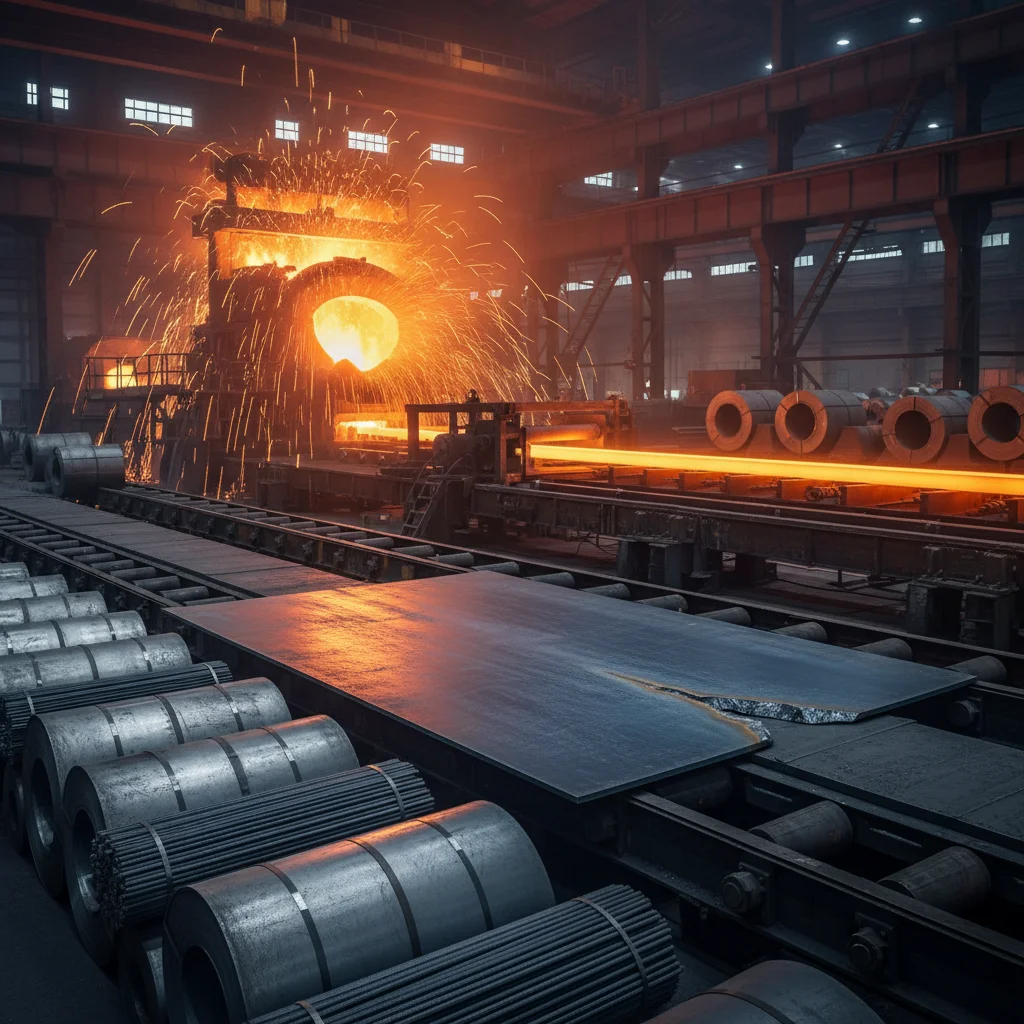
The steel industry is currently undergoing a digital transformation aimed at increasing purity and strength while reducing the carbon footprint. Integrated production cycles—spanning from coal washing and sintering to final rolling—allow manufacturers to maintain total quality control, which stabilizes the output and helps mitigate extreme swings in the market price.
Automation and scientific research are also playing a pivotal role. By employing dedicated research teams, manufacturers can now fine-tune the chemical composition of the Q355 and Q460 series to achieve specific toughness requirements for extreme cold or high-heat environments, expanding the utility of structural steel in arctic or volcanic regions.
Sustainability is no longer an option but a requirement. The shift toward "green steel" and optimized energy use in the hot-rolling process is expected to redefine how we calculate value, with eco-certified materials potentially commanding a premium while offering significant tax and regulatory advantages for commercial developers.
Strategic Procurement and Quality Comparison
Strategic procurement requires a deep dive into the technical specifications of the supplier. A manufacturer with a massive capacity—such as an annual output of 10 million tons—can often provide more stable pricing and reliable delivery schedules for large-scale projects, reducing the risk of costly construction delays.
Comparing the Q355 series to standard structural steel reveals a clear advantage in yield strength and weld performance. While standard steel may have a lower entry price, the increased volume of material required to achieve the same load-bearing capacity often makes it the more expensive choice in the long run.
Ultimately, the goal is to maximize the return on investment by selecting a material that balances initial cost with operational longevity. By focusing on precision engineering and strict adherence to industrial standards, procurement officers can ensure the structural integrity of their projects.
Comparative Analysis of Structural Steel Grades
| Steel Grade |
Yield Strength |
Weld Performance |
Lifespan Rating |
| Standard Carbon Steel |
Basic (235 MPa) |
Standard |
Medium (5/10) |
| Q355B/C/D |
Superior (355 MPa+) |
Excellent |
Extended (8/10) |
| Q420MB/C/D |
Very High (420 MPa+) |
High Efficiency |
High (9/10) |
| Q460MB/C/D |
Extreme (460 MPa+) |
Precision Optimized |
Maximized (10/10) |
| Automotive Grade |
Balanced/High |
Specialized |
Optimized (7/10) |
| Pipeline Grade |
High Toughness |
Seamless Joint |
Very High (9/10) |
FAQS
Q355 is the modern successor to Q345. It provides improved yield strength and better mechanical properties, making it more suitable for contemporary high-load structural applications. While the price may be slightly different, the increased reliability and strength offer a better long-term value for industrial projects.
These plates are widely used in shipbuilding, bridge construction, high-rise commercial buildings, pressure vessel manufacturing, and the production of offshore containers. Their ability to withstand extreme stress makes them the primary choice for any critical infrastructure where safety is paramount.
Yes, due to its excellent weldability and corrosion resistance, Q355 is highly recommended for petroleum storage tanks and high-pressure vessels. It ensures total structural integrity, preventing leaks and ensuring a longer operational lifecycle in harsh chemical environments.
The "Q" refers to the yield point of the steel (Quenching/Yield strength), and the number "355" represents its minimum yield strength in Megapascals (MPa). This numerical value is a key indicator of the material's load-bearing capacity.
Yes, our production line includes specialized steel for automotive structures. These are designed to balance extreme strength for passenger safety with weight reduction requirements to optimize vehicle performance and fuel efficiency.
Large-scale manufacturers with annual capacities of 10 million tons can achieve economies of scale, which helps stabilize the price for the consumer. Integrated production cycles also reduce waste and intermediary costs, ensuring a more competitive and consistent price for high-grade materials.
Conclusion
Selecting the right structural steel requires a holistic understanding of how the steel plate price interacts with technical specifications like yield strength, weldability, and corrosion resistance. By prioritizing high-performance grades such as the Q355, Q420, and Q460 series, developers can ensure that their infrastructure is not only cost-effective during the procurement phase but also exceptionally durable and safe over its entire operational lifespan.
As the industry moves toward more sustainable and precision-engineered solutions, the gap between basic and high-strength steel will continue to widen in terms of value. We recommend that procurement officers focus on the total cost of ownership and partner with manufacturers who maintain full-cycle production control to ensure uncompromising quality. Visit our website for more detailed specifications: www.baidysteel.com