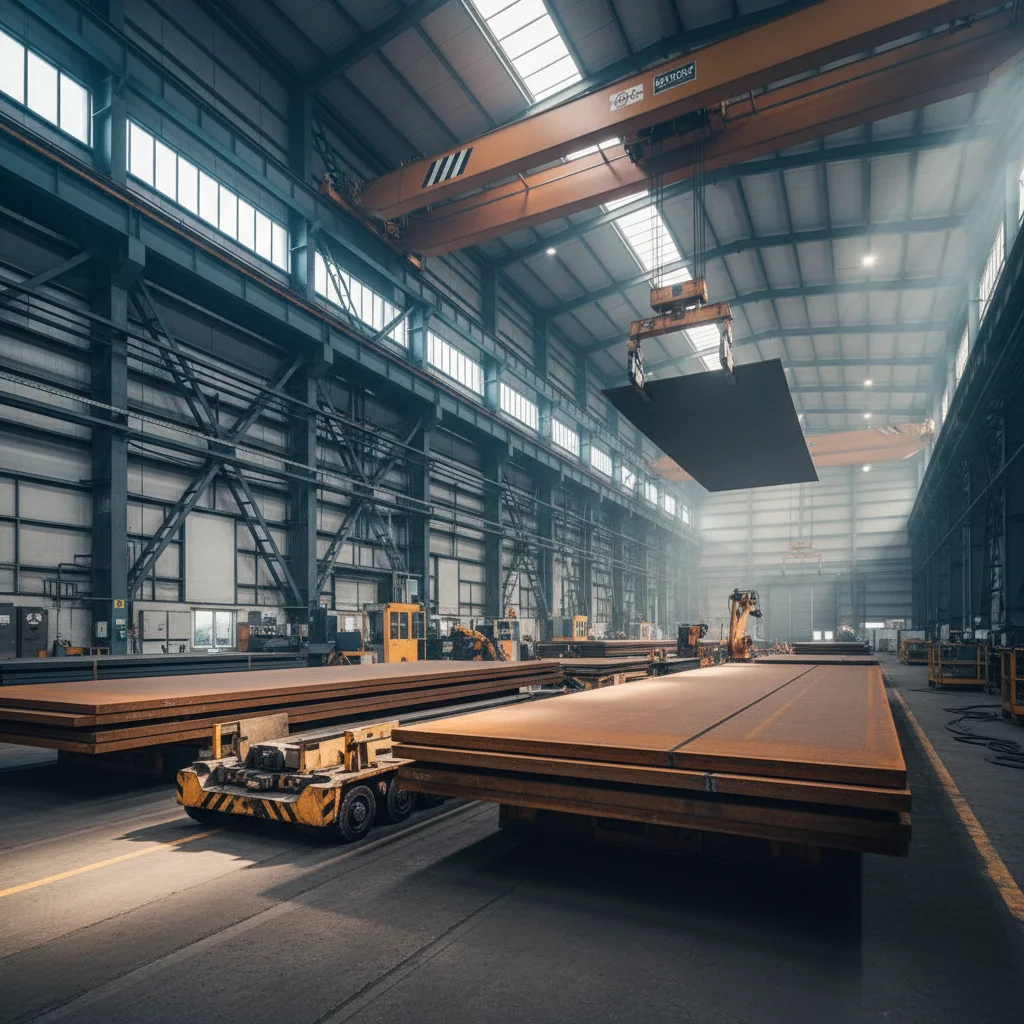
In the demanding world of heavy industry, the selection of materials can mean the difference between operational efficiency and costly downtime. A hard steel plate is specifically engineered to withstand extreme mechanical stress, offering a critical balance of hardness and toughness that standard carbon steels simply cannot provide. Understanding the nuances of these materials is essential for engineers and procurement specialists aiming to optimize the lifespan of their industrial assets.
Globally, the demand for high-performance alloys has surged as infrastructure projects become more ambitious and mining operations push into harsher environments. The integration of hard steel plate into machinery prevents premature wear and tear, effectively reducing the total cost of ownership for heavy equipment. By focusing on wear resistance, industries can significantly decrease the frequency of part replacements and minimize environmental waste.
This comprehensive guide explores the technical specifications, global applications, and future innovations surrounding hard steel plates. Whether you are dealing with abrasive minerals in a quarry or constructing high-impact structural components, knowing how to specify the right grade of steel is paramount. We will delve into the metallurgical properties that make these plates indispensable and how they contribute to the overall safety and reliability of modern engineering.
Global Relevance of Hard Steel Plate
On a global scale, the metallurgical industry adheres to strict standards such as ISO and ASTM to ensure that hard steel plate meets the rigorous demands of international trade and safety. As urbanization accelerates across Asia and Africa, the need for structural materials that can withstand heavy loads and abrasive forces has become a critical economic driver. Statistics from global industrial reports indicate that the shift toward high-strength, wear-resistant steels has reduced machinery downtime by up to 30% in the mining and construction sectors.
However, the industry faces a constant challenge: balancing the extreme hardness required for wear resistance with the ductility needed to prevent brittle fractures. If a plate is too hard, it may crack under sudden impact; if it is too soft, it will erode quickly. This technical tension is where modern metallurgy excels, creating specialized alloys that serve as the backbone for the world's most punishing industrial environments, from deep-sea drilling to open-pit mining.
Defining Hard Steel Plate and Its Industrial Role
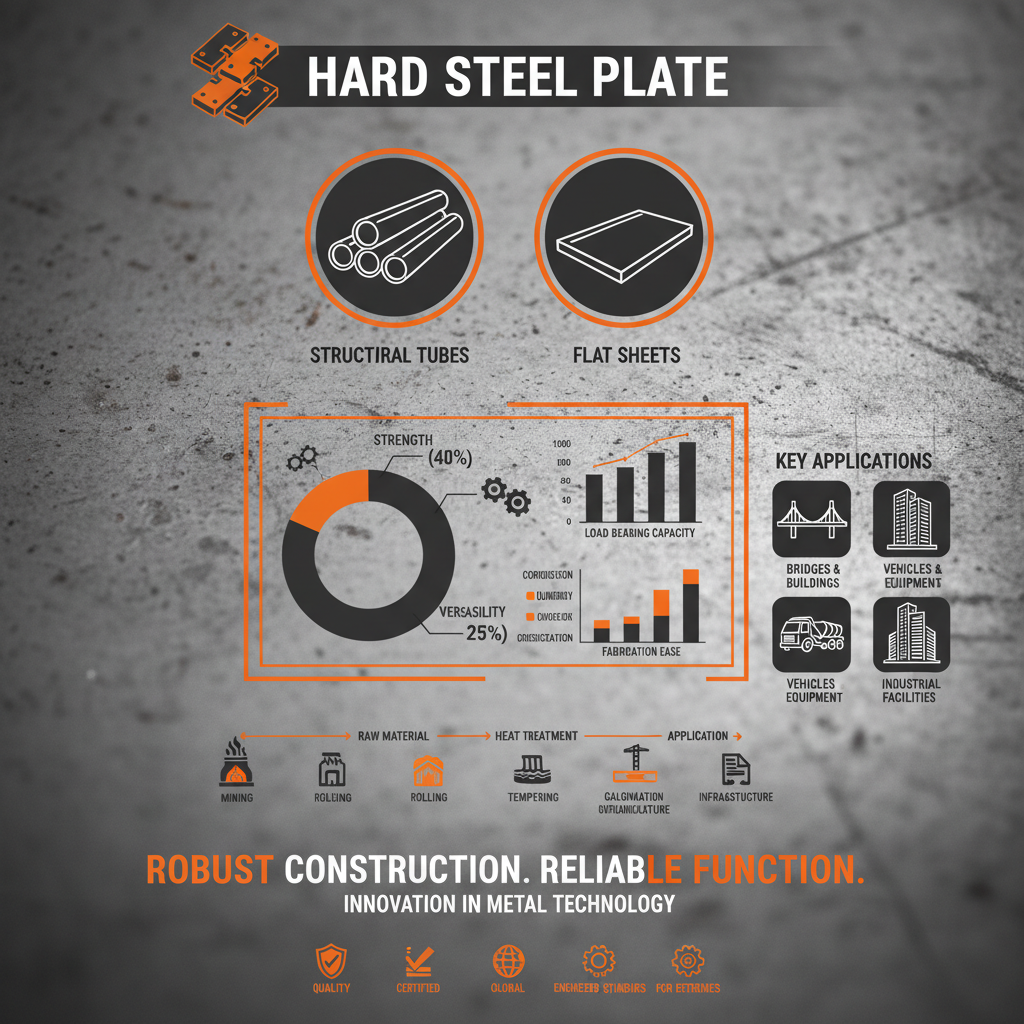
In simple terms, a hard steel plate is a high-carbon or alloy steel that has undergone specific heat treatment processes, such as quenching and tempering, to increase its Brinell hardness (HB). Unlike mild steel, which is prized for its malleability, hard steel is designed to resist deformation and surface abrasion. It is the primary shield used to protect expensive machinery from the constant friction of rock, ore, and other abrasive materials.
Beyond mere hardness, these plates play a vital role in modern humanitarian and infrastructure needs. For instance, in the construction of bridge supports or vessel hulls in corrosive saltwater environments, a specialized hard plate prevents the degradation of the structure, ensuring long-term safety for thousands of users. The ability to maintain structural integrity under extreme pressure makes it a cornerstone of civil engineering.
The industrial role of these plates extends into the automotive and aerospace sectors, where high-strength versions are used to create safety cages and reinforced chassis. By utilizing materials that provide maximum protection with minimum weight, engineers can improve fuel efficiency while simultaneously increasing the survival rate of passengers during collisions, proving that "hardness" in steel translates directly to safety in the real world.
Core Components of Steel Hardness and Durability
The durability of a hard steel plate is primarily determined by its chemical composition, specifically the addition of elements like Chromium, Manganese, and Molybdenum. These alloying elements create a denser crystalline structure, which prevents the surface from being easily scratched or worn down by abrasive particles. This molecular stability is what allows the steel to maintain its shape even under thousands of hours of continuous friction.
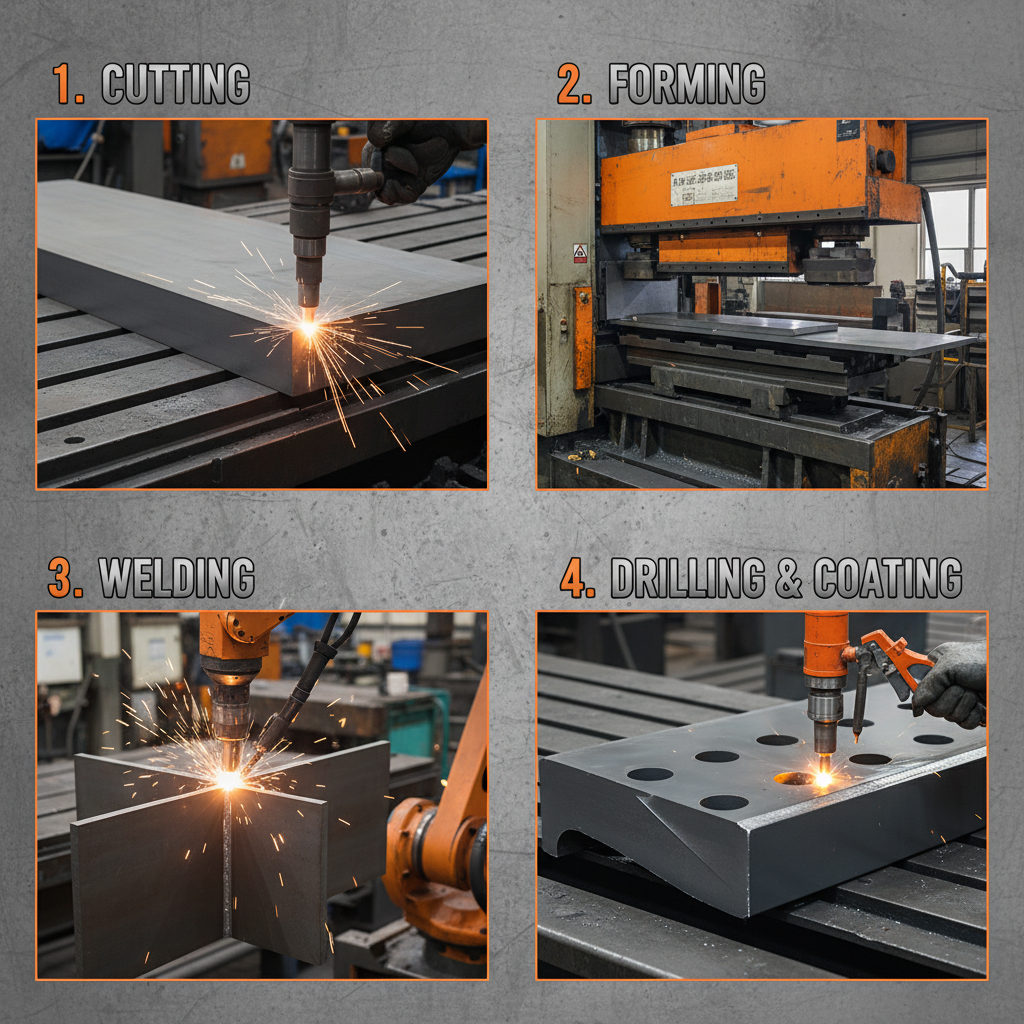
Another critical factor is the heat treatment process. Through precise thermal cycling, a hard steel plate can be optimized for either "extreme abrasion" (very high hardness) or "high impact" (balanced toughness). This scalability allows manufacturers to tailor the material to the specific needs of the end-user, whether they are lining a cement mixer or building a heavy-duty excavator bucket.
Finally, the surface finish and coating play a secondary but essential role in longevity. While the internal hardness provides the strength, external treatments can protect the hard steel plate from oxidation and corrosion. When combined, the alloy composition, heat treatment, and surface protection create a material capable of surviving the most hostile environments on Earth.
Performance Factors in Wear-Resistant Applications
When evaluating the performance of a hard steel plate, engineers focus on the "Wear Rate" and the "Yield Strength." A high yield strength ensures that the plate does not permanently deform under heavy loads, while a low wear rate ensures that the material is not stripped away by abrasive contact. These factors are critical when designing liners for chutes, hoppers, and crushing equipment.
The efficiency of these plates is often measured against different stressors: sliding abrasion, impact abrasion, and corrosive wear. Depending on the application, a specific grade of steel will outperform another. For example, in a mining environment, a plate with a higher Manganese content may be preferred for its work-hardening properties, where the material actually becomes harder as it is struck.
Comparative Performance of Hard Steel Plate Grades
Global Applications and Use Cases
The versatility of hard steel plate is evident in its widespread use across diverse sectors. In the mining industry, these plates are used as liners for ball mills and SAG mills, where they must endure the constant grinding of ore. In remote industrial zones like the Australian Outback or the Canadian Shield, the reliability of these materials prevents catastrophic failures in regions where replacement parts could take weeks to arrive.
Beyond mining, these plates are essential in the oil and gas sector for pipeline protection and drilling rig components. In post-disaster relief operations, heavy-duty clearing equipment relies on reinforced buckets made from hard steel to remove concrete and steel debris from collapsed buildings. The ability of the material to withstand high-impact collisions without cracking is a primary safety requirement for these critical operations.
Long-Term Value and Sustainability Advantages
Investing in high-quality hard steel plate provides immense long-term value by extending the maintenance cycle of industrial machinery. While the initial cost of an alloyed hard plate may be higher than that of standard steel, the reduction in downtime and the decrease in labor costs for repairs lead to a significantly lower total cost of ownership. This logical approach to procurement focuses on "life-cycle value" rather than "initial price."
From a sustainability perspective, the use of wear-resistant steel is an eco-friendly choice. Because these plates last longer, fewer resources are consumed in the production of replacement parts, and less steel scrap is sent to landfills. This aligns with global ESG (Environmental, Social, and Governance) goals, as companies reduce their carbon footprint by optimizing material efficiency and reducing the frequency of energy-intensive manufacturing processes.
Ultimately, the reliability offered by these materials fosters trust and innovation. When engineers know their equipment can handle extreme loads, they can design more efficient, faster, and more powerful machines. This confidence drives the evolution of the entire construction and manufacturing industry, leading to safer worksites and more durable infrastructure for the public.
Future Trends in Hard Steel Plate Innovation
The future of hard steel plate is being shaped by the digital transformation of metallurgy. The rise of "Computational Materials Science" allows engineers to simulate the wear patterns of a plate before it is even manufactured. By using AI-driven models, companies can develop customized alloy compositions that are perfectly tuned to the specific chemical and physical properties of the material being processed, such as a specific type of abrasive granite.
Green energy is also playing a pivotal role. The industry is moving toward "Green Steel," utilizing hydrogen-based reduction instead of coking coal to lower the carbon emissions associated with the production of hard plates. Furthermore, the integration of additive manufacturing (3D printing) is allowing for the creation of hard steel components with complex internal geometries that were previously impossible to forge, optimizing both weight and strength.
Automation and smart monitoring are the final pieces of the puzzle. We are seeing the emergence of "intelligent plates" embedded with sensors that can monitor wear in real-time. These sensors alert operators when a hard steel plate has reached its wear limit, enabling predictive maintenance and completely eliminating the risk of unexpected equipment failure.
Comparison of Future Hard Steel Plate Technologies
| Technology Type |
Impact on Hardness |
Sustainability Score |
Industry Adoption |
| Hydrogen-Reduced Steel |
Equivalent to Standard |
10/10 |
Emerging |
| AI-Alloy Optimization |
Significant Increase |
8/10 |
Growing |
| 3D Metal Printing |
Customizable |
7/10 |
Specialized |
| Embedded Wear Sensors |
No Change |
9/10 |
Early Stage |
| Nano-Structured Coating |
Extreme Increase |
6/10 |
Moderate |
| Hybrid Composite Plating |
Moderate Increase |
8/10 |
Developing |
FAQS
The primary difference lies in the hardness and wear resistance. While structural steel is designed for load-bearing and flexibility, a hard steel plate is engineered to resist surface abrasion and erosion. This is achieved through higher carbon content and rigorous heat treatment (quenching and tempering), which makes the material significantly more resistant to scratching and wearing down in high-friction environments.
Yes, but they require specialized welding procedures. Because of their high carbon and alloy content, hard steel plates are prone to cracking in the Heat Affected Zone (HAZ). To prevent this, professional welders use pre-heating and post-heating techniques, along with specific low-hydrogen welding electrodes, to ensure the joint remains strong and doesn't become brittle.
The choice depends on the type of wear you are facing. For pure abrasion (like sliding sand), choose a plate with a very high Brinell hardness (e.g., 500 HB+). If your application involves high impact (like large boulders falling into a hopper), choose a grade with a balanced hardness (e.g., 400-450 HB) to ensure the plate absorbs the energy without cracking.
In terms of the initial purchase price per ton, yes, it is more expensive due to the alloying elements and the energy-intensive heat treatment process. However, when considering the total cost of ownership, it is often cheaper because it lasts significantly longer, reducing the costs of frequent replacements, downtime, and maintenance labor.
Lifespan varies wildly based on the application. In a well-matched scenario, a hard steel plate can last 3 to 5 times longer than standard steel. However, this depends on the abrasiveness of the material being handled and the impact force. Regular monitoring and using the correct grade are essential to maximizing the operational life of the plate.
Yes, the industry is shifting toward "Green Steel" produced via hydrogen reduction, which significantly lowers CO2 emissions. Additionally, because hard steel plates are more durable, they reduce the overall volume of steel that needs to be produced and recycled over the life of a machine, contributing to a more circular and sustainable industrial economy.
Conclusion
In summary, the hard steel plate is an indispensable component of modern heavy industry, providing the essential protection needed to maintain efficiency in the world's harshest environments. From the precision of its alloying elements to the strategic application of heat treatment, these materials solve the critical challenge of balancing hardness with toughness. By reducing machinery downtime and extending the lifespan of critical infrastructure, hard steel plates provide a clear economic and environmental advantage.
Looking forward, the integration of AI-driven metallurgy and green production methods will only enhance the value of these materials. As industries push toward greater automation and sustainability, the role of high-performance steel will evolve from a passive shield to an active, monitored asset. For those looking to optimize their industrial operations, investing in the highest grade of wear-resistant steel is not just a procurement choice—it is a strategic decision for long-term reliability. Visit our website: www.baidysteel.com