In the realm of modern civil engineering, the gusset plate in steel structure serves as the critical nexus where multiple structural members converge. These thick sheets of steel are not merely connectors; they are the primary agents of load distribution, ensuring that forces from trusses, beams, and columns are transferred seamlessly without compromising the integrity of the joint. Understanding the nuances of their design and material selection is paramount for ensuring the safety of large-scale infrastructure globally.
From a global perspective, the demand for high-performance steel components has surged as urban centers push toward verticality and infrastructure projects span more challenging terrains. The implementation of a precisely engineered gusset plate in steel structure allows architects and engineers to create complex geometries—such as wide-span stadiums or intricate bridge trusses—that were previously deemed impossible. The ability to concentrate immense pressure into a stable connection is what separates a durable structure from a potential failure point.
For stakeholders in the manufacturing and construction sectors, mastering the application of these plates is a matter of both economic efficiency and humanitarian responsibility. By optimizing the thickness and grade of the steel used in these connections, projects can reduce overall material waste while enhancing the seismic resilience of buildings. This guide explores the technical specifications, global applications, and future innovations surrounding the gusset plate in steel structure to provide a comprehensive roadmap for industry professionals.

Global Relevance and Industry Context of Gusset Plates
On a global scale, the reliability of the gusset plate in steel structure is a cornerstone of the ISO standards for structural steelwork. With the rise of rapid urbanization in Asia and Africa, the pressure on structural components to withstand extreme environmental stresses has never been higher. Data from global construction monitoring suggests that joint failure is one of the leading causes of structural instability in aged steel bridges, highlighting the critical need for modernized gusset plate engineering.
The primary challenge facing the industry is the balance between weight reduction and load-bearing capacity. Over-engineering leads to excessive costs and carbon footprints, while under-engineering poses catastrophic risks. By utilizing advanced High-Strength Steel Plates, manufacturers can now produce gusset plates that offer superior yield strength with a smaller physical footprint, directly addressing the global need for sustainable yet safe infrastructure.
Defining the Technical Role of Gusset Plates in Steel Structure
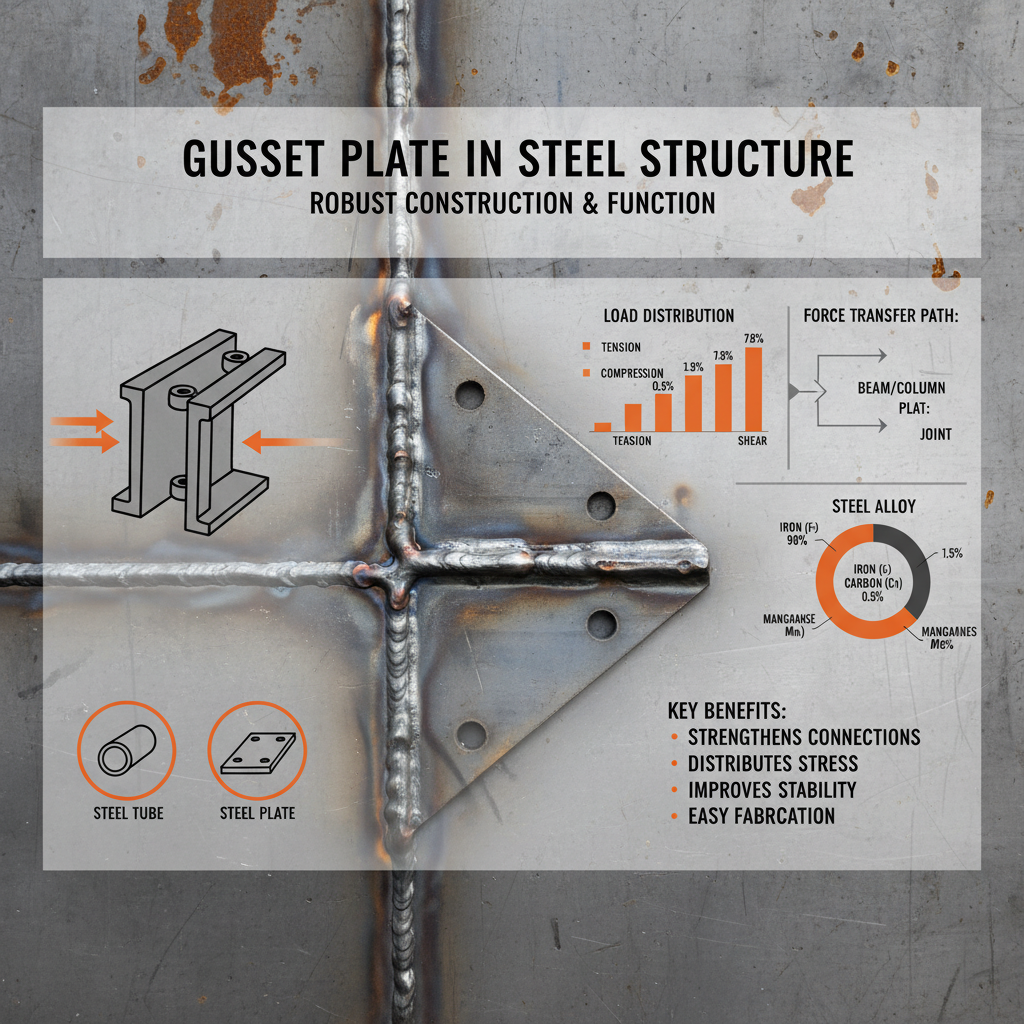
In simple terms, a gusset plate in steel structure is a thick sheet of steel used to connect beams and girders to columns or to connect multiple diagonal members in a truss. It acts as a bridge, receiving the force from one member and distributing it across others. Without these plates, the connection points would be subject to extreme localized stress, which would likely lead to shearing or buckling of the primary structural members.
Beyond mere connection, these plates are essential for maintaining the geometric precision of a structure. In the context of modern humanitarian needs, such as the rapid deployment of emergency hospitals or modular bridges in disaster-stricken zones, the standardization of gusset plates allows for "plug-and-play" assembly. This modularity ensures that critical infrastructure can be erected in hours rather than weeks, saving lives by providing immediate shelter and transport.
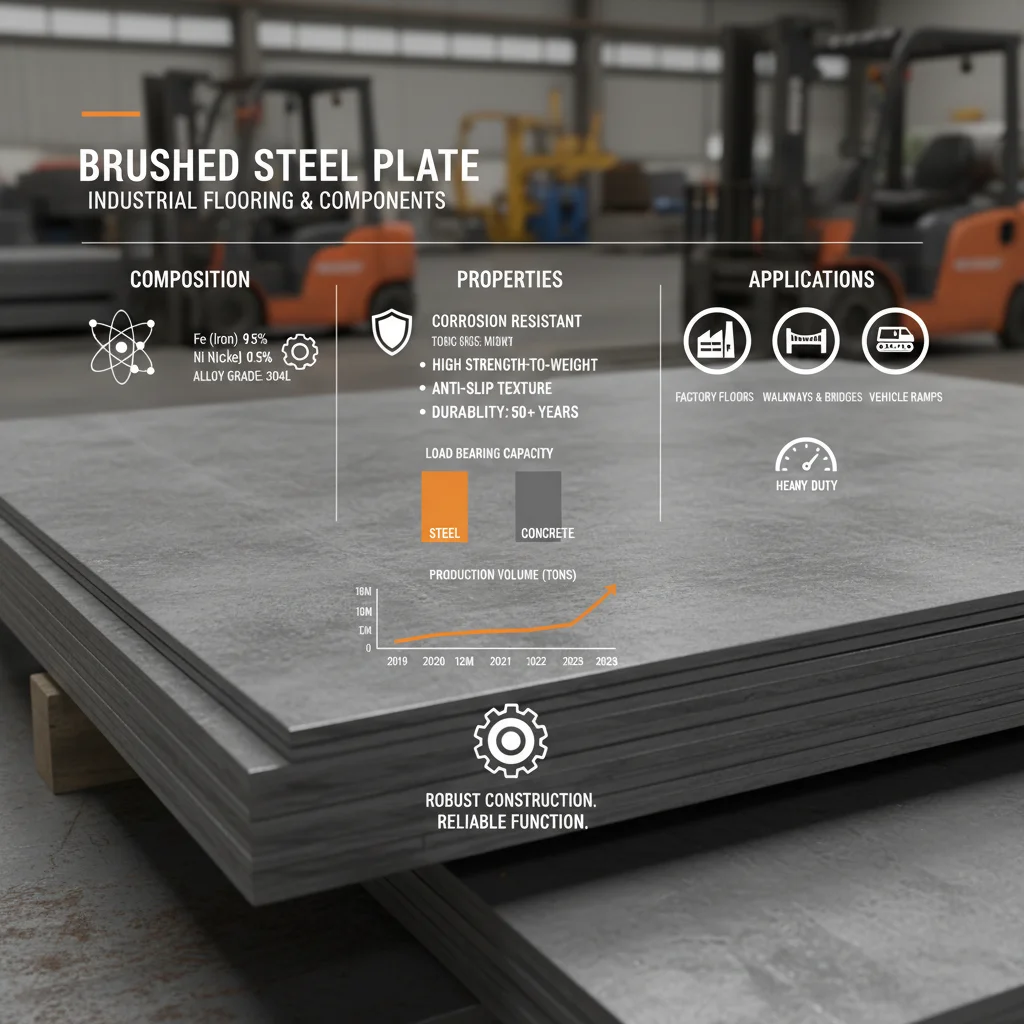
From a metallurgical standpoint, the choice of material—whether it be Structural Steel Plate or specialized alloy steel—determines the plate's resistance to fatigue and corrosion. In coastal environments, for instance, galvanized or stainless steel gusset plates are employed to prevent oxidation, ensuring that the structural heartbeat of the building remains intact for decades despite harsh saline exposure.
Core Components and Design Factors for Stability
The durability of a gusset plate in steel structure depends heavily on its thickness and the quality of its edges. Engineers must calculate the "block shear" capacity, ensuring that the plate does not tear along the line of the bolts or welds. This involves a precise analysis of the tension and compression forces acting on the joint, necessitating the use of materials with consistent grain structures to avoid internal flaws.
Scalability in design is another core factor. A gusset plate in steel structure must be designed to accommodate potential future modifications or additions to the building. This is achieved by providing sufficient "edge distance" for bolts, allowing for additional reinforcement plates to be welded or bolted onto the existing structure without compromising the current load path.
Finally, cost efficiency is realized through the optimization of plate geometry. Instead of using oversized plates everywhere, engineers use FEA (Finite Element Analysis) to identify high-stress zones. By concentrating the thickness of the gusset plate in steel structure only where necessary and tapering it in low-stress areas, project managers can significantly reduce the total tonnage of steel required, lowering both costs and logistics overhead.
Comparative Performance of Connection Methods
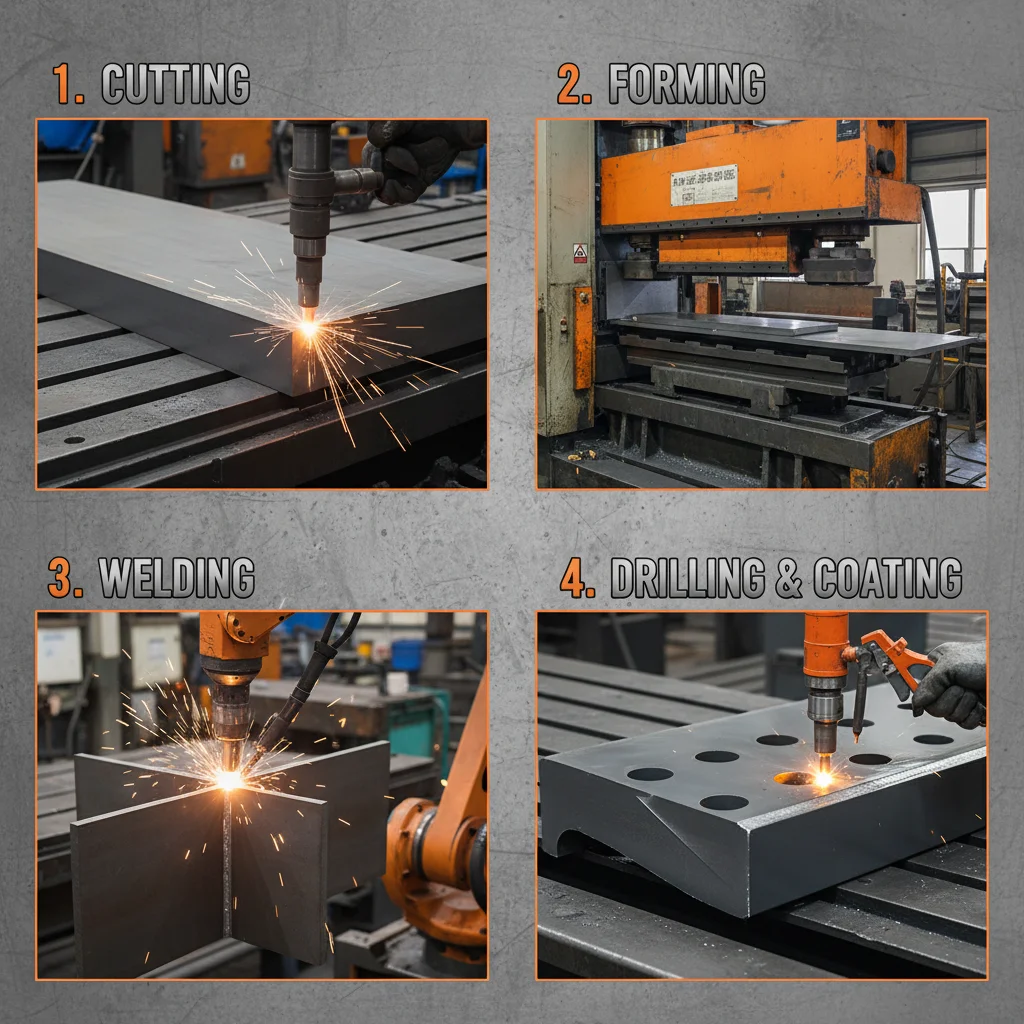
When implementing a gusset plate in steel structure, the method of attachment—welding versus bolting—drastically alters the performance profile. Bolted connections are generally preferred for site assembly due to their speed and the ability to replace damaged components. However, welded connections offer a more rigid joint and a cleaner aesthetic, which is often required in high-end architectural projects where joint visibility is minimized.
The choice between these methods often depends on the seismic zone of the project. In earthquake-prone regions, a certain degree of "ductility" or flexibility is required to absorb energy. A gusset plate in steel structure connected via high-strength friction-grip bolts can provide this necessary movement, preventing the brittle fracture that can occur in overly rigid welded joints during a seismic event.
Efficiency Rating of Gusset Plate Connection Methods
Global Applications and Real-World Use Cases
In large-scale industrial zones, such as the sprawling petrochemical plants in the Middle East, the gusset plate in steel structure is used to support massive piping networks and heavy machinery. These plates must not only handle the static weight but also the dynamic vibrations caused by industrial pumps and turbines. The use of Vessel Steel grade plates in these connections ensures a high resistance to stress corrosion cracking.
Conversely, in post-disaster relief operations, modular steel frames are deployed to create temporary housing and clinics. In these scenarios, the gusset plate in steel structure is designed for rapid manual assembly using simple hand tools. By utilizing pre-punched holes and standardized dimensions, NGOs and government agencies can deploy essential infrastructure in remote regions where heavy machinery and specialized welding equipment are unavailable.
Long-Term Value and Structural Advantages
The long-term value of investing in high-quality gusset plate in steel structure components manifests in reduced maintenance costs. A plate engineered with a high-grade anti-corrosive coating or made from Stainless Steel eliminates the need for frequent repainting and rust treatment. Over a 50-year lifecycle, the initial premium paid for superior materials is offset by the drastic reduction in operational expenditure.
From an emotional and psychological standpoint, the reliability of these connections fosters trust among occupants and investors. When a bridge or high-rise is certified to have undergone rigorous stress testing of its gusset joints, it provides a sense of security and dignity for the thousands of people who rely on that structure daily. This reliability is the foundation of urban trust and architectural innovation.
Moreover, the use of standardized gusset plates contributes to the overall sustainability of the construction industry. Because they are manufactured to precise specifications, scrap waste during the fabrication process is minimized. Furthermore, as buildings reach the end of their useful life, steel gusset plates are 100% recyclable, fitting perfectly into the circular economy model and reducing the environmental impact of the steel industry.
Future Trends and Material Innovations
The future of the gusset plate in steel structure is being reshaped by the advent of additive manufacturing, or 3D printing with metal. We are moving toward a world where gusset plates can be printed with "topology-optimized" shapes—organic, bone-like structures that place material only where the stress is highest. This could lead to a 30-40% reduction in weight while maintaining the same structural strength.
Digital transformation is also playing a role through the integration of "smart" gusset plates. By embedding fiber-optic sensors within the plate or on its surface, engineers can monitor the real-time tension and strain of a joint via a cloud-based dashboard. This transition from reactive to predictive maintenance allows for the identification of potential fatigue cracks before they become critical, fundamentally changing how we manage aging infrastructure.
Finally, the industry is pivoting toward "green steel," produced using hydrogen instead of coke. Future gusset plate in steel structure components will be manufactured from low-carbon steel, aligning the construction industry with global Net-Zero emissions targets. The combination of AI-driven design and eco-friendly metallurgy will ensure that the next generation of steel connections is both smarter and cleaner.
Comparative Analysis of Gusset Plate Material Specifications
| Material Grade |
Load Capacity |
Corrosion Resistance |
Application Suitability |
| Standard Structural Steel |
Moderate (6/10) |
Low (3/10) |
Indoor Commercial Frames |
| High-Strength Alloy |
Very High (9/10) |
Moderate (5/10) |
Heavy-Duty Industrial Trusses |
| Galvanized Steel |
Moderate (7/10) |
High (8/10) |
Outdoor Bridge Structures |
| Stainless Steel 316 |
Moderate (6/10) |
Extreme (10/10) |
Marine & Chemical Plants |
| Weathering Steel (Corten) |
High (8/10) |
High (7/10) |
Architectural Landmarks |
| Custom Composite Steel |
Extreme (10/10) |
High (9/10) |
Aerospace/Specialist Projects |
FAQS
The primary function is to serve as a connection hub that transfers loads from multiple structural members (like beams or trusses) into a single support point (like a column). By distributing these forces over a larger area, the gusset plate prevents the steel members from buckling or shearing at the joint, ensuring the overall stability of the entire frame.
Thickness is determined through structural calculations based on the total load, the number of bolts or welds, and the yield strength of the steel. Engineers typically use the "block shear" and "bearing strength" formulas to ensure the plate is thick enough to avoid deformation under peak load while remaining thin enough to be cost-effective and manageable during installation.
Yes, but it depends on the application. Welded connections provide higher rigidity and a seamless finish, which is ideal for permanent, high-load industrial structures. Bolted connections are better for site assembly, modular construction, and regions with high seismic activity where a small amount of joint flexibility is necessary to prevent brittle failure.
An undersized gusset plate can lead to "plate buckling" or "block shear failure," where the plate literally tears or folds under pressure. This often leads to a catastrophic failure of the entire joint, which can cause the structural members to collapse. This is why rigorous inspections and adherence to ISO/AISC standards are mandatory for bridge infrastructure.
While steel remains the standard for strength, the industry is moving toward "Green Steel" produced via hydrogen-reduction processes. Additionally, topology optimization via AI reduces the amount of raw material needed per plate, significantly lowering the carbon footprint of the manufacturing process without sacrificing structural integrity.
The most effective methods include hot-dip galvanizing, using stainless steel for high-salinity environments, or applying high-performance epoxy coatings. For architectural projects, weathering steel (Corten) can be used, as it develops a protective rust layer that inhibits further corrosion, eliminating the need for ongoing painting.
Conclusion
In summary, the gusset plate in steel structure is far more than a simple piece of metal; it is the critical link that enables the safety, scalability, and complexity of modern engineering. From the initial selection of high-strength materials to the precise calculation of load distribution and the implementation of innovative connection methods, every detail of the gusset plate's design directly impacts the longevity and reliability of the building. By integrating advanced metallurgy with digital monitoring and sustainable production, the industry is ensuring that these vital components can meet the demands of an ever-evolving urban landscape.
Looking forward, the shift toward smart infrastructure and carbon-neutral manufacturing will redefine the role of steel connections. We suggest that engineers and contractors prioritize topology optimization and the adoption of green steel to stay competitive and compliant with emerging environmental regulations. As we build the cities of tomorrow, the humble gusset plate will remain the unsung hero, providing the invisible strength that supports our global ambitions. For high-quality structural steel solutions, visit our website: www.baidysteel.com