Hit enter to search or ESC to close
Aluminum steel plate, a composite material combining the strengths of both aluminum and steel, is rapidly gaining prominence across a multitude of industries. Its unique properties – lightweight yet robust, corrosion-resistant, and highly versatile – address critical challenges in sectors ranging from construction and automotive to aerospace and renewable energy. Understanding the nuances of aluminum steel plate is becoming increasingly vital for engineers, architects, and manufacturers seeking innovative and sustainable solutions.
The global demand for advanced materials is escalating, driven by factors like infrastructure development, the shift towards electric vehicles, and the pursuit of more energy-efficient buildings. Aluminum steel plate stands out as a key enabler in these areas, offering a compelling alternative to traditional materials. Its superior strength-to-weight ratio translates into reduced fuel consumption in vehicles, lower construction costs, and enhanced structural integrity in buildings.
As concerns regarding environmental impact grow, the sustainable attributes of aluminum steel plate – including recyclability and reduced carbon footprint – are further amplifying its appeal. Innovation in manufacturing processes and alloy development continues to expand the application possibilities, cementing its position as a material of the future.
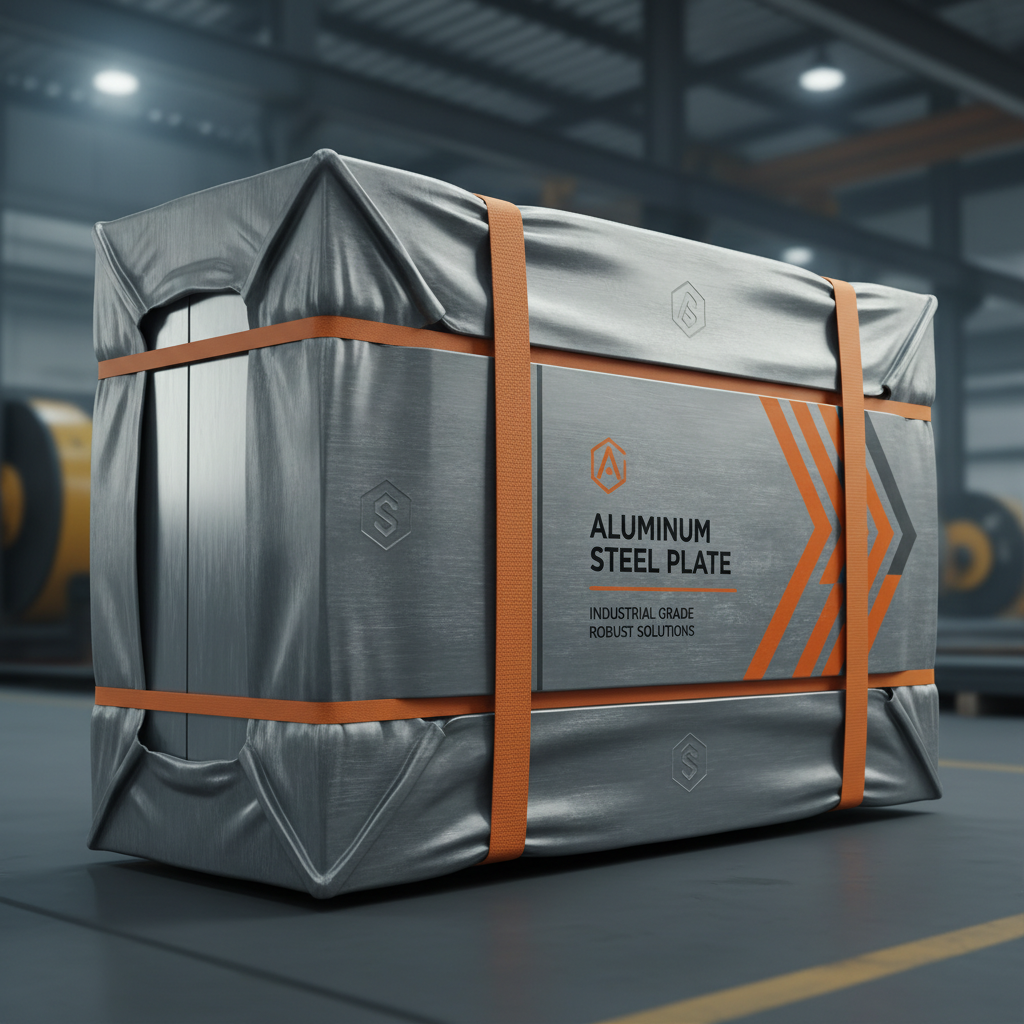
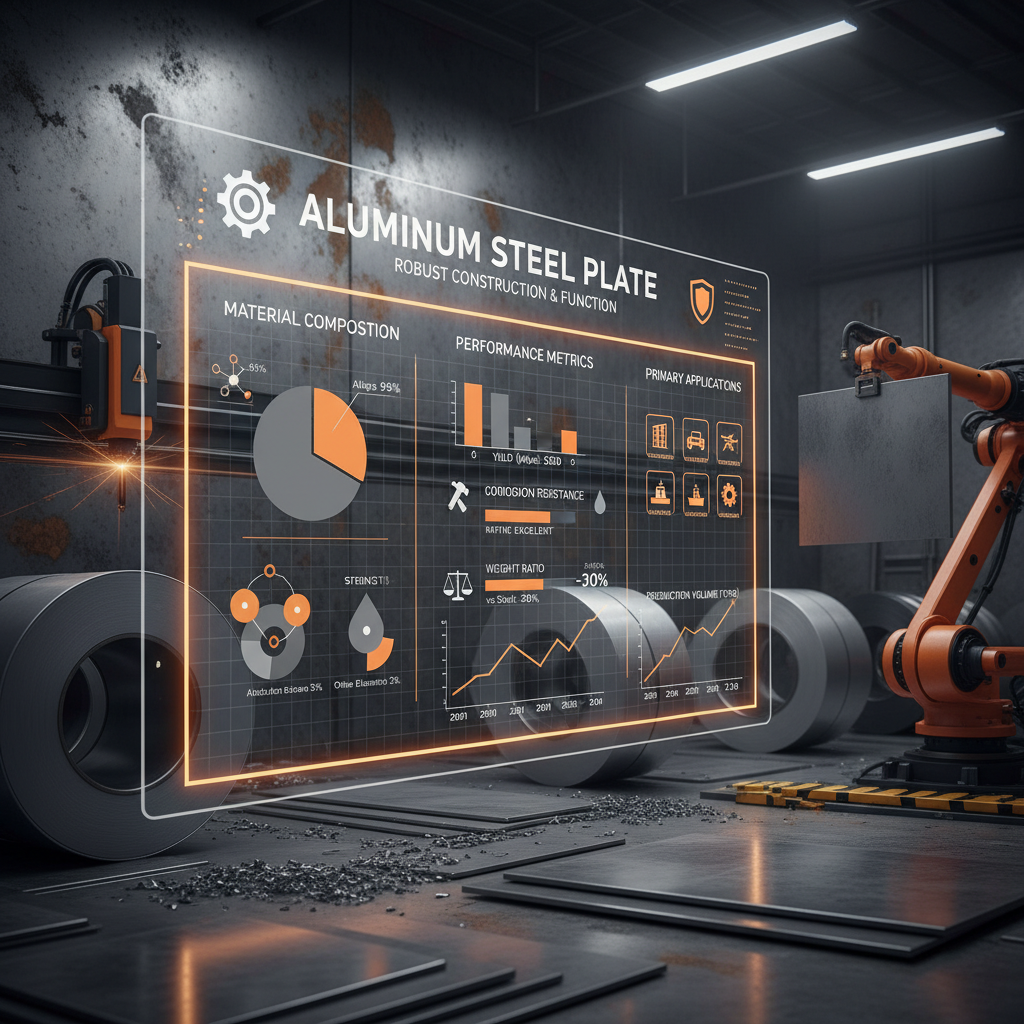
The global aluminum steel plate market is experiencing substantial growth, projected to reach \$45.7 billion by 2028, according to a recent report by Grand View Research. This surge is fueled by increasing demand from the automotive industry seeking lightweight materials to improve fuel efficiency, and the construction sector leveraging its corrosion resistance for long-lasting infrastructure. The ISO 9001 standard plays a crucial role in ensuring quality control in the production of aluminum steel plate.
One of the primary challenges addressed by aluminum steel plate is the need for materials that offer high strength without adding significant weight. Traditional steel, while strong, is heavy, leading to increased fuel consumption and transportation costs. Aluminum, conversely, is lightweight but lacks the necessary strength for many structural applications. The combination in aluminum steel plate resolves this dilemma.
The United Nations Sustainable Development Goals (SDGs), particularly SDG 9 (Industry, Innovation and Infrastructure) and SDG 12 (Responsible Consumption and Production), highlight the importance of developing durable, sustainable materials. Aluminum steel plate contributes directly to these goals by offering a long lifespan, recyclability, and reduced environmental impact compared to conventional materials.
Aluminum steel plate offers a significant weight reduction compared to traditional steel, leading to improved fuel efficiency and lower emissions in vehicles. Its high strength-to-weight ratio doesn't compromise structural integrity, and its corrosion resistance extends the lifespan of automotive components. This results in lower lifecycle costs and a more sustainable vehicle. Utilizing aluminum steel plate also provides design flexibility, enabling manufacturers to create more innovative and aerodynamic vehicle shapes.
While galvanized steel offers some corrosion protection, aluminum steel plate provides superior long-term resistance, especially in harsh environments like marine or industrial settings. The aluminum layer creates a barrier that prevents corrosion from reaching the steel core, even if the coating is scratched or damaged. Galvanized steel relies on sacrificial protection, which diminishes over time. Aluminum steel plate's protective layer remains consistently effective, requiring less maintenance.
The suitability of aluminum steel plate for high-temperature applications depends on the specific alloy composition and temperature range. While aluminum itself has a lower melting point than steel, certain aluminum alloys can maintain sufficient strength and stability at elevated temperatures. However, for extremely high-temperature applications, specialized alloys or alternative materials may be necessary. A careful assessment of the operational environment is crucial.
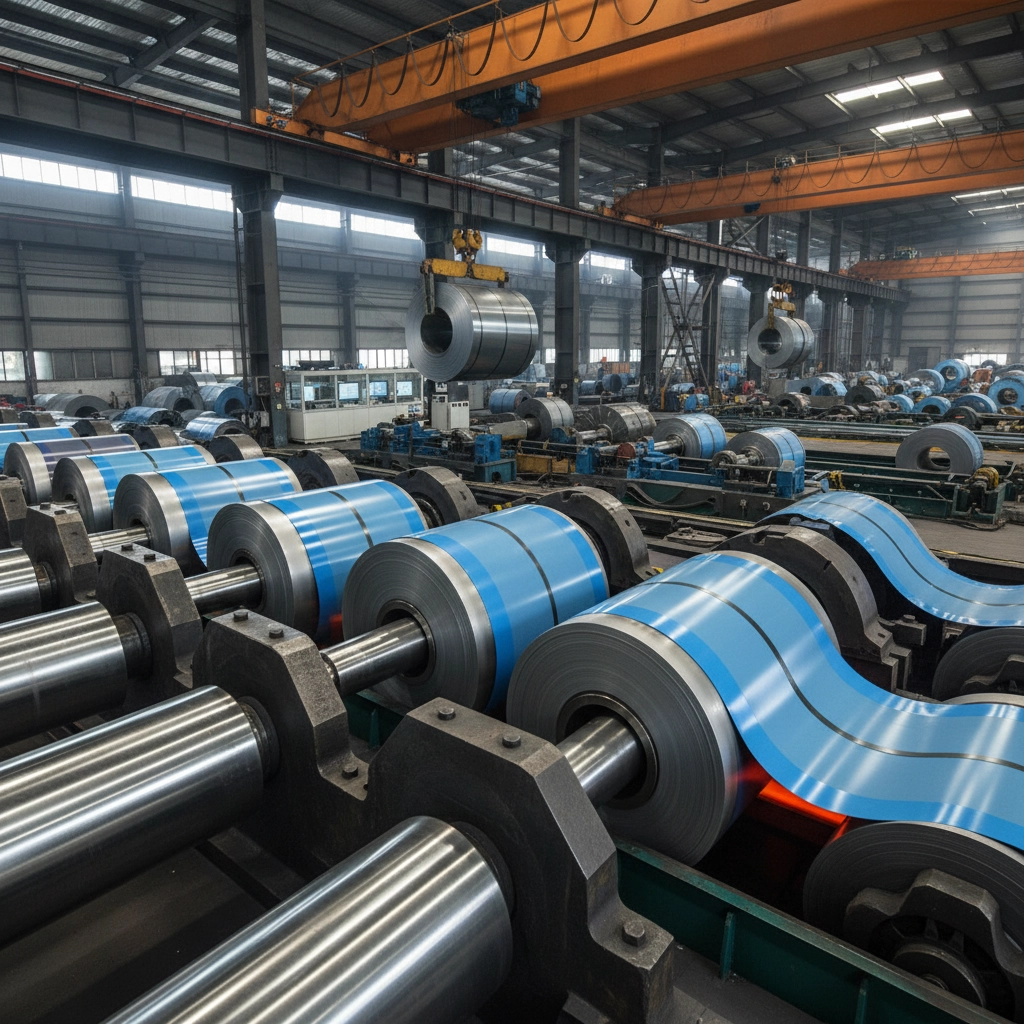
Common manufacturing processes include roll bonding, explosion welding, and diffusion bonding. Roll bonding involves pressing aluminum and steel layers together under high pressure and temperature. Explosion welding utilizes the force of an explosion to create a metallurgical bond. Diffusion bonding relies on atomic diffusion at elevated temperatures. The chosen process influences the strength and quality of the bond between the two metals.
Both aluminum and steel are highly recyclable materials, making aluminum steel plate an environmentally friendly choice. It can be readily separated and recycled through established metal recycling facilities. The recycled aluminum and steel can then be used to produce new materials, reducing the need for virgin resources and minimizing waste. This aligns with the principles of a circular economy.
Aluminum steel plate generally offers a more cost-effective solution compared to carbon fiber reinforced polymers (CFRPs). CFRPs, while exceptionally strong and lightweight, are significantly more expensive to produce. Aluminum steel plate strikes a balance between performance and cost, providing a viable alternative for applications where the extreme properties of CFRPs aren't essential. The price point of aluminum steel plate makes it more accessible for a broader range of projects.
In conclusion, aluminum steel plate represents a compelling material solution for a wide range of industries, offering a unique combination of strength, lightweight properties, corrosion resistance, and sustainability. Its versatility and long-term value make it a superior choice over traditional materials in numerous applications, from automotive and aerospace to construction and disaster relief.
Looking ahead, continued innovation in alloy development, manufacturing processes, and digital monitoring technologies will further enhance the performance and cost-effectiveness of aluminum steel plate. Its role in driving sustainable infrastructure, reducing environmental impact, and improving product efficiency will only continue to grow, solidifying its position as a critical material for the future. Visit our website at www.baidysteel.com to learn more about our aluminum steel plate products and services.