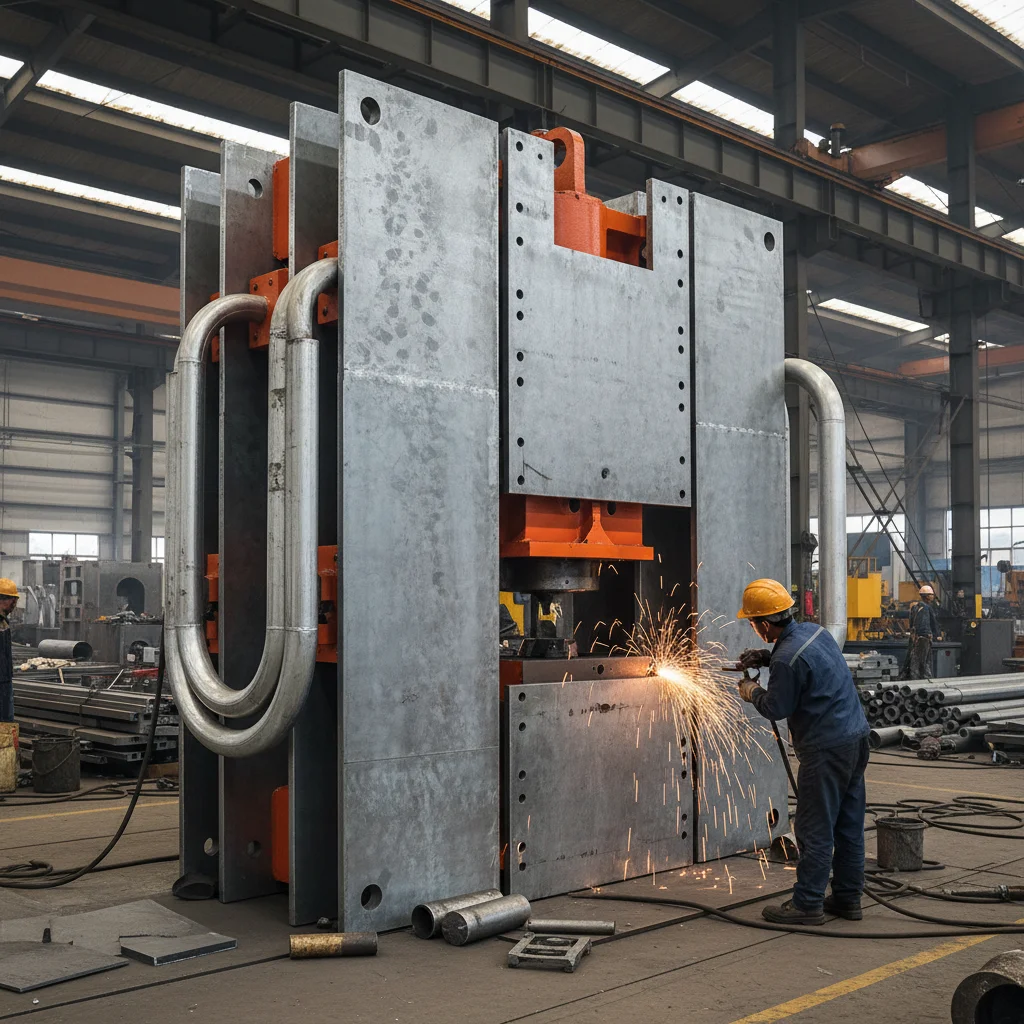
To be honest, things have been a bit wild lately in the steel world. Everyone’s chasing higher strength, lighter weight, and… well, let's be real, cheaper. It feels like every other day someone's pitching a new alloy. But what really matters isn’t the hype, it’s what holds up on a muddy construction site, right?
Have you noticed how everyone's talking about weathering steel? Corten, specifically. It's not new, not by a long shot, but it's having a moment. Seems like every architect wants that rustic, industrial look. Which is fine, aesthetically. The problem is, a lot of folks treat it like magic – just slap it up and it’ll…weather. It’s not that simple.
And it's not just the architects. The steel suppliers themselves… some of them are cutting corners. I saw a batch last month down in Guangzhou that… let’s just say the patina wasn't developing evenly. Looked patchy, like someone spilled coffee on it. Anyway, I think it all comes down to proper mill certification and, frankly, just good old-fashioned quality control.
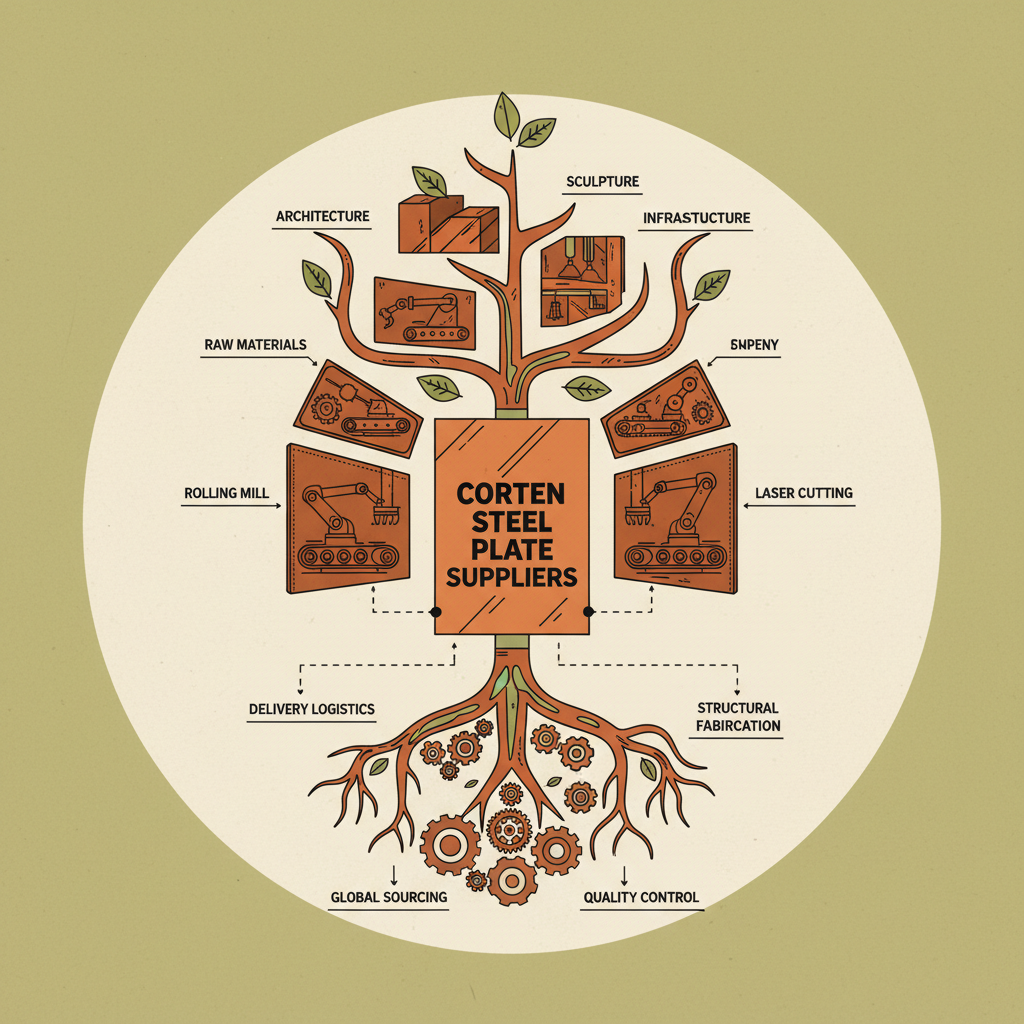
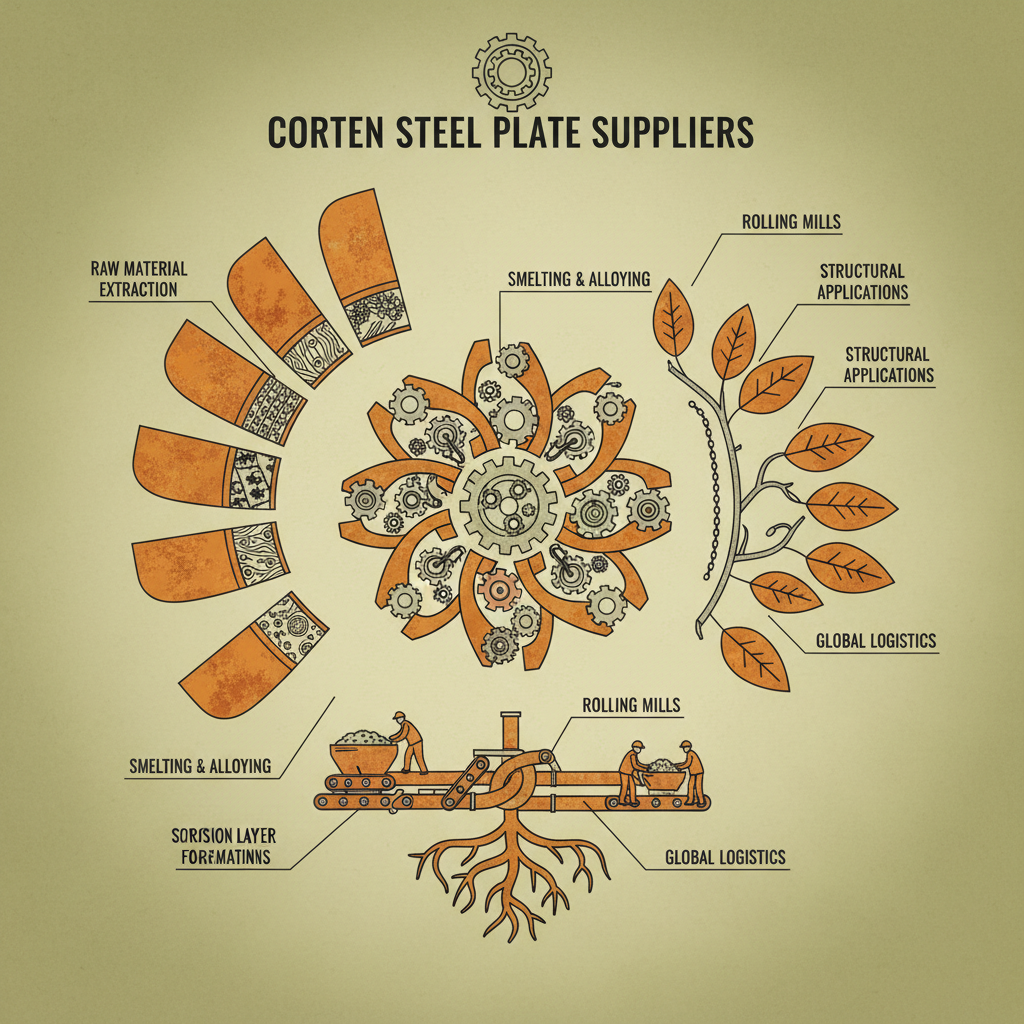
Understanding Corten Steel Plate Suppliers Trends
Strangely enough, one of the biggest trends I've seen – and it drives me crazy – is the demand for "pre-rusted" steel. Like, people want it to look old right out of the factory. It's a shortcut, and it usually looks… artificial. You lose the natural, organic development of the patina. Plus, the coating they use to accelerate the rusting process sometimes interferes with the long-term weathering.
Another thing is this push for thinner gauges. Everyone wants to save weight, save money. But corten needs a certain thickness to really perform, especially in exposed environments. You start going too thin, and you're just asking for trouble – corrosion, cracking, the whole nine yards. It's a constant balancing act.
Design Pitfalls and Common Mistakes
I encountered this at a solar farm project in Ningxia last time. The engineers, bright folks, but they designed a support structure with tight angles and poor drainage. Water pooled in the corners, and the corten just ate itself alive. They didn’t account for the fact that while corten resists corrosion, it still needs to breathe. You have to design for proper airflow.
Another frequent mistake? Using incompatible metals in contact with corten. Galvanized steel, for instance. You get galvanic corrosion, and suddenly your beautiful weathering steel is pitted and stained. It’s basic metallurgy, but you’d be surprised how often it gets overlooked.
And then there’s the anchoring. You can’t weld directly to corten without affecting the patina. You need to use mechanical fasteners, and even then, you need to consider the potential for corrosion at the connection points.
Materials and Handling: The Real Feel
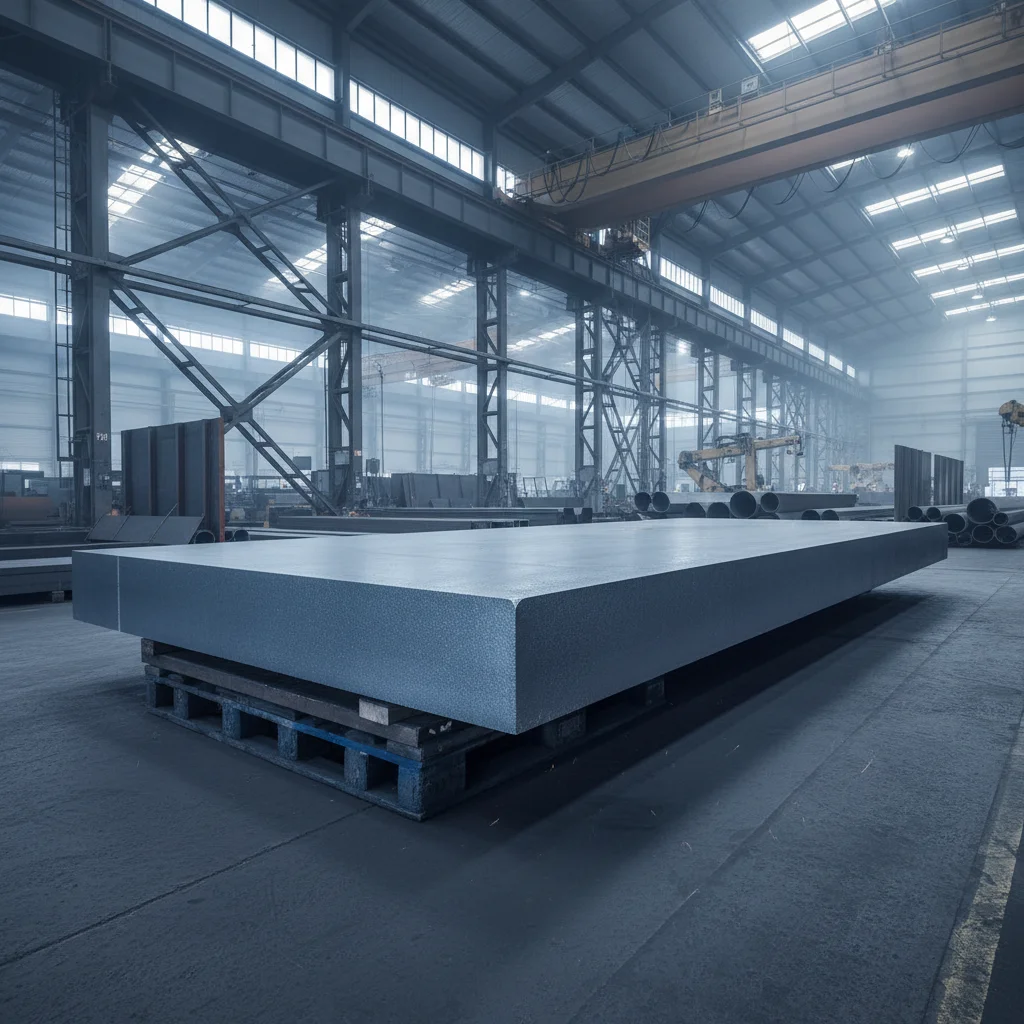
The feel of the steel itself is…distinctive. It’s rough, a little oily to the touch, and it smells faintly metallic, almost like wet iron. The heavier gauges, of course, are substantial. You can tell it’s built to last. The lighter gauges… well, they feel a bit flimsy, honestly.
Handling it is straightforward, but you need gloves. Not just to protect your hands from the rough edges, but also because the rust can stain your skin. And it will stain your clothes. I've got a jacket dedicated solely to corten projects. Seriously.
The mill certifications are crucial. You need to verify the chemical composition, the thickness, the yield strength… everything. It’s tedious, but it’s the only way to ensure you’re getting what you paid for. And don’t just rely on the supplier’s paperwork. Get it independently verified if you can.
Real-World Testing and Performance
Forget the lab tests, honestly. Those are useful for baseline data, but they don’t tell you how the steel will perform in the real world. I prefer to see it tested in situ – exposed to the elements, subjected to real-world stresses. We've done accelerated weathering tests, burying samples in salt marshes, exposing them to industrial pollutants…you name it.
One thing we did recently was a mock-up of a bridge support using different corten grades. We monitored the corrosion rate, the expansion and contraction, the structural integrity… for a full year. It’s time-consuming and expensive, but it gives you a level of confidence you just can’t get from a datasheet.
Corten Steel Plate Suppliers Performance Ratings
How Users Actually Employ Corten Steel
You know, it's not always what the architects intend. I’ve seen corten used as makeshift cladding on shipping containers, as decorative screens in restaurants, even as planters in people’s backyards. People are inventive, that’s for sure.
But the biggest applications, at least from my perspective, are in infrastructure – bridges, highway guardrails, retaining walls. Places where durability and low maintenance are paramount. And increasingly, in architectural facades, where the aesthetic appeal is a big driver.
The Upsides, Downsides, and Customization Options
The advantages are clear: low maintenance, high strength, that beautiful, weathered look. And it's surprisingly affordable, considering its longevity. But it’s not perfect. It can stain adjacent materials, it requires careful detailing to prevent corrosion, and it's not ideal for marine environments unless you go with a specialized grade.
Customization? Absolutely. You can adjust the alloy composition to fine-tune the weathering characteristics. You can vary the thickness and surface texture. And you can even apply different coatings to accelerate or inhibit the rusting process. Last month, that small boss in Shenzhen who makes smart home devices insisted on changing the interface to , and the result was…a complete nightmare. The tolerances were off, the connectors didn't fit, and we had to scrap the entire batch. A similar principle applies to corten - small changes can have big consequences.
A Glimpse into Corten Steel Applications
Anyway, I think what really separates the good corten applications from the bad is the attention to detail. It’s not enough to just slap up a sheet of steel and hope for the best. You need to understand how the material will behave over time, how it will interact with its environment.
We’ve seen some fantastic applications in landscape architecture – sculptures, outdoor furniture, garden walls. The patina blends beautifully with natural surroundings. But we’ve also seen some disasters – buildings with poorly designed drainage systems, structures that are already showing signs of corrosion after just a few years.
The market is expanding into more niche areas too. Like, I recently saw a prototype for a corten steel-framed greenhouse. The idea is that the steel will absorb and retain heat, creating a more stable growing environment. It’s a bit experimental, but it’s an interesting concept.
Corten Steel Supplier Evaluation Criteria
| Supplier Reputation |
Material Certification |
Lead Time & Logistics |
Pricing & Payment Terms |
| Years in business, client testimonials, industry recognition |
Compliance with ASTM, EN standards, third-party verification |
Delivery speed, shipping options, tracking capabilities |
Price per ton, volume discounts, payment methods, credit terms |
| Positive - Well-established with strong industry relationships |
High - Full traceability and rigorous quality control |
Moderate - 2-3 weeks for standard orders |
Competitive - Offers discounts for bulk purchases |
| Neutral - Relatively new, building reputation |
Average - Some certifications missing, requires further verification |
Slow - 4+ weeks for standard orders |
High - Limited discounts, strict payment terms |
| Negative - History of complaints, questionable practices |
Low - Lacking essential certifications, unreliable documentation |
Unpredictable - Frequent delays, poor communication |
Inflated - Significantly higher prices than competitors |
| Rating: 8/10 |
Rating: 9/10 |
Rating: 7/10 |
Rating: 8/10 |
| Overall Reliability: High |
Quality Assurance: Excellent |
Logistics Efficiency: Good |
Cost-Effectiveness: Very Good |
FAQS
Lead times can vary wildly depending on the supplier, plate thickness, quantity, and current market demand. Generally, expect 2-4 weeks for standard gauges and quantities, but larger or specialized orders can easily take 6-8 weeks or even longer. It's always best to confirm with the supplier upfront and factor in potential delays, especially during peak seasons. A good supplier will give you a realistic timeline and keep you updated on progress.
Rust staining is a common concern with corten steel. To minimize it, create a physical barrier between the corten and adjacent materials like concrete or light-colored surfaces. This can be achieved with a waterproof membrane, a non-staining sealant, or a sufficient air gap. Proper detailing during installation is crucial; avoid direct contact between the corten and other materials. Regular cleaning of runoff can also help prevent staining over time.
Both ASTM A588 and A606 Type 4 are weathering steel specifications, but A588 is generally used for structural applications, while A606 Type 4 is more common for architectural cladding. A588 typically has higher strength requirements, and A606 Type 4 often emphasizes aesthetic properties. The chemical compositions are slightly different, influencing the weathering rate and color development. Always check the project specifications to ensure you’re using the correct grade.
Corten steel can be used in coastal environments, but it requires careful consideration. The increased salt spray accelerates corrosion, so a specialized, higher-alloyed grade of weathering steel is recommended. Proper detailing is even more critical to prevent moisture buildup and chloride ingress. Regular inspections and maintenance are also essential. It's not a "set it and forget it" solution in a marine environment.
Direct welding to corten steel can compromise its corrosion resistance. It's best to use mechanical fasteners whenever possible. If welding is necessary, use a low-hydrogen welding process and a compatible filler metal. Avoid excessive heat input, and clean the weld area thoroughly to remove any scale or contaminants. You’ll likely need to allow the weld area to re-weather over time to blend with the surrounding patina.
Thickness plays a vital role in corten steel’s durability. Thicker plates are generally more resistant to corrosion and can withstand greater stresses. Thinner gauges are prone to faster deterioration, especially in exposed environments. The required thickness depends on the application and structural load, but it’s always best to err on the side of caution and choose a thickness that provides adequate strength and longevity. Don’t skimp on thickness to save a few bucks – it’ll cost you more in the long run.
Conclusion
Ultimately, corten steel offers a unique blend of strength, durability, and aesthetic appeal. It’s not a miracle material, and it requires careful consideration of design, material selection, and installation. But when done right, it can provide a long-lasting and beautiful solution for a wide range of applications.
And remember, whether this thing works or not, the worker will know the moment he tightens the screw. Don’t rely on fancy certifications or marketing hype. Trust your gut, talk to experienced fabricators, and always prioritize quality. That’s the best advice I can give you. Visit our website for a quote: corten steel plate suppliers