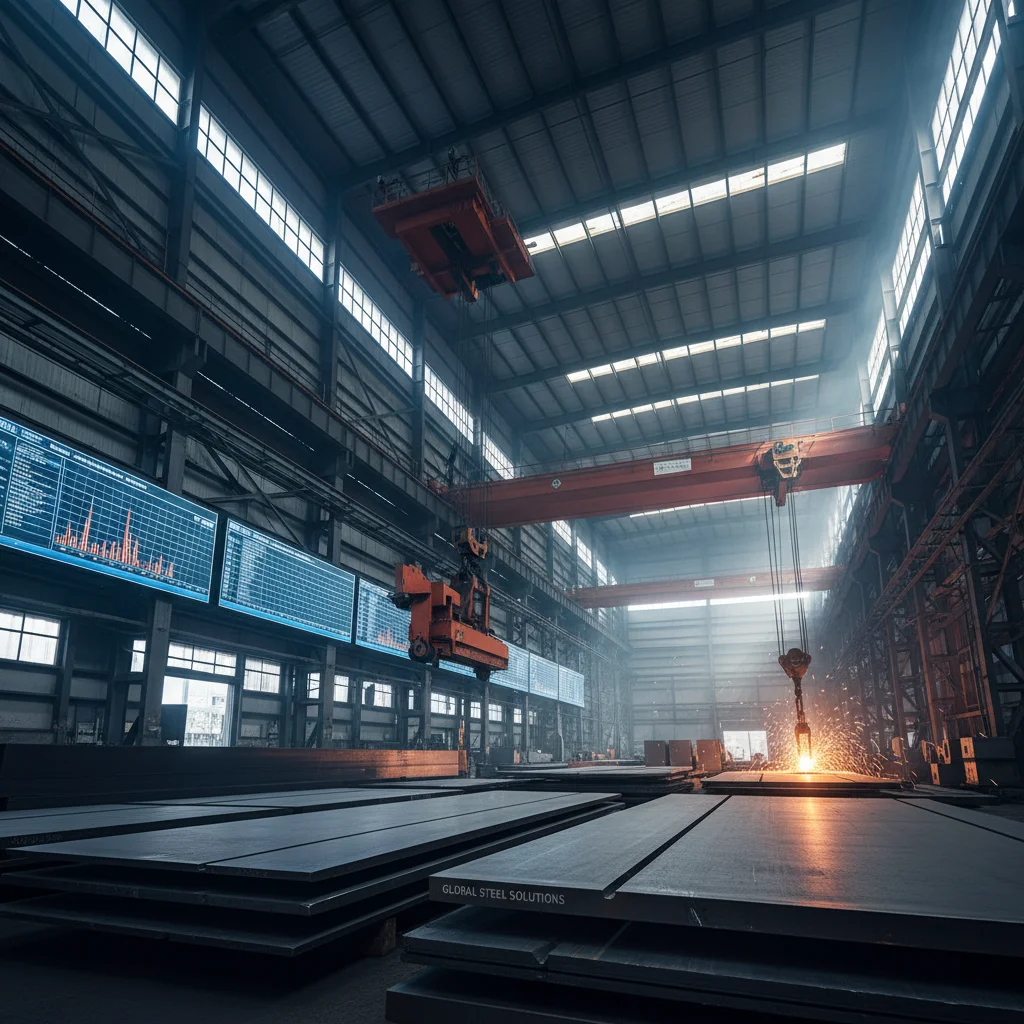
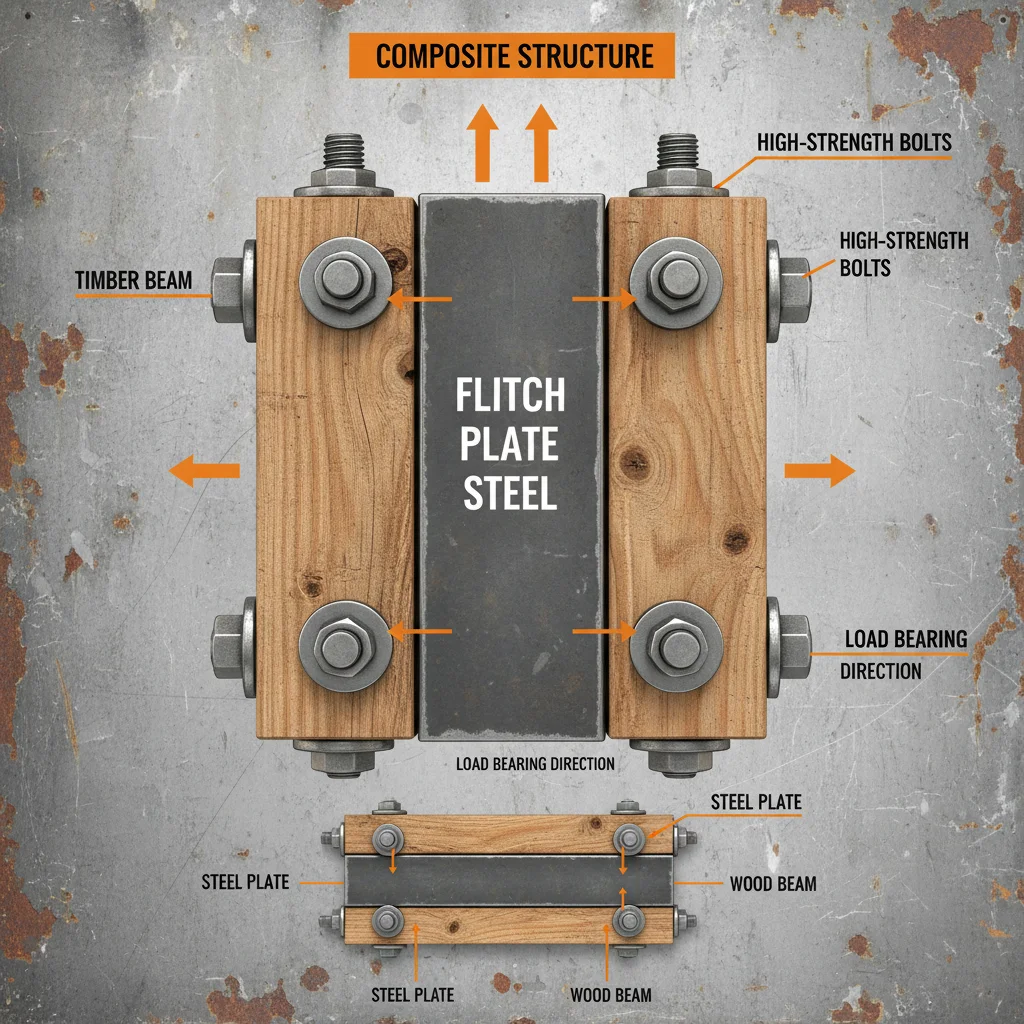
Honestly, the whole sheet metal game has been getting wild lately. Everyone’s chasing higher strength-to-weight ratios, thinner gauges… it’s all about squeezing more performance out of less material. It’s a good thing, don’t get me wrong, but it means things get trickier. You spend all day on a construction site, and you see the engineers stressing over every millimeter.
We're seeing a lot more demand for specialized coatings too. Not just your standard paint jobs, but things like anti-corrosion treatments for harsh environments, or even textured finishes for aesthetics. And the pressure to deliver faster? Forget about it. Everyone wants it yesterday.
The Current Landscape of Automotive Sheet Metal
Automotive sheet metal suppliers… it's not just about churning out steel anymore. It's about understanding the entire supply chain. A lot of folks underestimate how critical the suppliers are. You’re not just ordering metal; you’re ordering consistency, reliability, and the ability to adapt to last-minute changes. That’s the real value. And finding reliable automotive sheet metal suppliers these days? That’s half the battle.
You’ve got global supply chain issues, raw material price fluctuations… It's a headache, honestly. You think those car manufacturers aren’t feeling it? They are. It ripples all the way down.
Design Pitfalls to Avoid
I've seen this happen a lot. Engineers will design something that looks fantastic on a computer screen, all sleek lines and tight tolerances, but they haven't thought about how it’s actually going to be formed. You end up with deep draws that require crazy tooling, or corners that are prone to cracking. It's all about manufacturability. Have you noticed? It's the thing nobody talks about enough. And then you get stuck explaining to someone why their beautiful design can’t be made without spending a fortune. It’s never fun.
Another thing: neglecting the surface finish. Seems minor, but it can make or break corrosion resistance. And the type of paint or coating you use has to be compatible with the metal. It sounds obvious, but… well, you’d be surprised.
And don’t even get me started on improper hole placement. Stress concentrations, fatigue failure… the whole nine yards. It’s basic engineering, but people still mess it up.
Materials: What We’re Actually Using
So, you've got your standard mild steel, of course. Still workhorse material, especially for parts that don’t need to be super lightweight. It smells… well, like metal. You know the smell. A little oily, a bit gritty if you run your hand over it. But a lot of stuff is moving towards higher-strength steels – things like HSLA (High-Strength Low-Alloy) and advanced high-strength steels (AHSS). They’re harder to work with, require specialized tooling, but you get a massive improvement in strength-to-weight.
Then there’s aluminum. Everyone loves aluminum for weight reduction, but it’s a pain to weld, and it’s more expensive. You can tell good quality aluminum just by how easily it machines – a clean cut, no tearing. Cheaper stuff… forget about it. It's like trying to carve soap.
And strangely, we’re starting to see more stainless steel, even in non-corrosion applications. People just like the look of it, I guess. It feels… colder, smoother than regular steel. It's got a satisfying weight to it.
Real-World Testing – Forget the Lab Coats
Lab tests are okay, I guess. But they don’t tell you the whole story. I’ve been to factories where they're still relying on tensile strength tests and hardness measurements, and I’m like, “That’s great, but what happens when this thing gets banged on a loading dock?” You need to simulate real-world conditions.
We do a lot of drop tests – literally dropping parts onto concrete to see how they hold up. We do salt spray tests to evaluate corrosion resistance. And we even do fatigue tests, where we repeatedly cycle a part through stress to see when it fails. But honestly, the best testing is just getting it out there and letting it get used. Talk to the mechanics, the assembly line workers… they'll tell you what’s really broken.
Automotive Sheet Metal Supplier Performance Metrics
How Users Actually Use It
You know, engineers design for how they think things will be used. But reality is… messy. They’ll design a perfectly formed bracket, and then a worker will try to install it with a hammer. Or they’ll specify a certain coating, and it gets scratched up the first time someone slides a pallet across it.
Anyway, I think the biggest disconnect is around assembly. They don't always consider how easy it is to weld, bolt, or rivet something together. They focus on the performance, not the process.
The Good, The Bad, and The Customizable
The biggest advantage? Cost, still. Sheet metal is relatively inexpensive compared to other materials. And it’s versatile. You can bend it, cut it, weld it… you can do almost anything with it. The downsides? Corrosion, obviously. And it can dent easily. But those are problems we’ve been solving for decades.
Customization is huge. Last week, a customer wanted a specific alloy, with a very precise temper, and a custom perforation pattern. It was a pain to source, took a lot of back-and-forth with the supplier, but we made it happen. That's what sets good suppliers apart. They don’t just sell you metal; they solve your problems.
A Customer Story: Shenzhen and the Gamble
Last month, that small boss in Shenzhen who makes smart home devices insisted on changing the interface to , and the result was a nightmare. He wanted a thinner sheet metal enclosure to accommodate the connector, and he pushed the supplier to go with a lower-grade steel to save money. It looked great in the prototype, but the production parts were bending and warping during assembly. He lost a whole shipment, and it cost him a fortune. Later… forget it, I won’t mention it.
He learned a hard lesson: you can't cut corners on materials. You get what you pay for.
That's why finding the right automotive sheet metal suppliers is so crucial. They're not just a vendor; they're a partner.
Key Factors for Evaluating Sheet Metal Suppliers
| Supplier Location |
Material Certification |
Lead Time & Capacity |
Quality Control Process |
| Domestic (Faster Shipping) |
ISO 9001 Certified |
2-3 Weeks, Large Capacity |
Full Dimensional Inspection |
| Overseas (Lower Cost) |
Material Test Reports Available |
4-6 Weeks, Limited Capacity |
Spot Checks Only |
| Regional (Moderate Cost & Time) |
Third-Party Inspection |
3-4 Weeks, Moderate Capacity |
Statistical Process Control |
| Local (Quick Turnaround) |
Mill Test Certificates |
1-2 Weeks, Small Capacity |
Visual Inspection |
| Global (Wide Selection) |
Compliance with Industry Standards |
Variable, Dependent on Supplier |
Layered Process Audit |
| Specialized (Niche Alloys) |
Custom Material Analysis |
Long Lead Times, Limited Availability |
Non-Destructive Testing |
FAQS
Choosing the right supplier involves assessing several aspects. Primarily, look at their quality control processes—are they ISO certified? What kind of testing do they perform? Material traceability is also crucial. Beyond that, consider their capacity, lead times, and overall responsiveness. A supplier that can adapt to your needs and deliver on time is invaluable. Finally, location can impact shipping costs and communication ease.
Demand a Material Test Report (MTR) with every shipment. This verifies that the material meets the specified standards. Conduct your own incoming inspection – even a quick visual check can catch obvious defects. For critical components, consider dimensional inspections and non-destructive testing. Building a strong relationship with your supplier and clearly communicating your quality expectations are also essential.
Right now, raw material price volatility is a huge issue. Supply chain disruptions are still lingering, too. Finding suppliers who can consistently deliver on time and meet quality standards can also be a challenge, especially for specialized alloys. Maintaining communication and building strong relationships is vital to navigating these hurdles. And let's not forget the increasing demand for higher-strength, lighter-weight materials.
Absolutely. Customization is often key. This could involve specific alloys, thicknesses, surface finishes, perforation patterns, or forming processes. However, customization usually comes with longer lead times and higher costs. It’s important to work closely with the supplier during the design phase to ensure manufacturability and cost-effectiveness. I had a client who wanted a custom bend radius, and it turned out to be incredibly expensive to tool, so we had to redesign it.
Lead times vary wildly depending on the material, quantity, complexity, and supplier location. For standard materials and small quantities, you might get delivery in 2-3 weeks. For specialized alloys or large orders, it could be 4-6 weeks or even longer. It's crucial to plan ahead and communicate your needs to the supplier well in advance, especially during periods of high demand. I always add a buffer to my schedule, just in case.
It’s becoming increasingly important. Automotive manufacturers are under pressure to reduce their carbon footprint, and that includes the materials they use. Suppliers are responding by offering recycled content, implementing energy-efficient manufacturing processes, and reducing waste. Look for suppliers with certifications like ISO 14001. It’s not just about being ‘green’; it’s about long-term viability.
Conclusion
Ultimately, navigating the world of automotive sheet metal is about more than just specifications and pricing. It’s about understanding the entire process – from raw material sourcing to final product assembly. Finding reliable automotive sheet metal suppliers, who prioritize quality, responsiveness, and innovation, is essential for success.
And the bottom line? Whether this thing works or not, the worker will know the moment he tightens the screw. That’s what really matters.