In the demanding world of heavy industry, the selection of raw materials often dictates the lifespan and safety of critical machinery. A hardened steel plate serves as the backbone for components that must withstand extreme pressure, friction, and impact, bridging the gap between standard structural steel and specialized armor. By undergoing precise thermal and chemical treatments, these plates achieve a hardness level that prevents deformation under the most grueling operational conditions.
Globally, the demand for high-performance alloys has surged as infrastructure projects become more ambitious and mining operations push deeper into abrasive environments. Understanding the nuances of hardened steel ensures that engineers can optimize their designs for longevity, reducing the frequency of costly downtime and maintenance cycles. Whether it is for liner plates in a cement plant or chassis components in heavy-duty trucking, the right grade of steel is non-negotiable.
This comprehensive guide explores the technical evolution, practical applications, and future trajectory of hardened steel plates. From the metallurgical processes that grant them their strength to the sustainable innovations currently reshaping the industry, we provide the insights necessary for procurement managers and engineers to make informed decisions that enhance operational efficiency and safety.
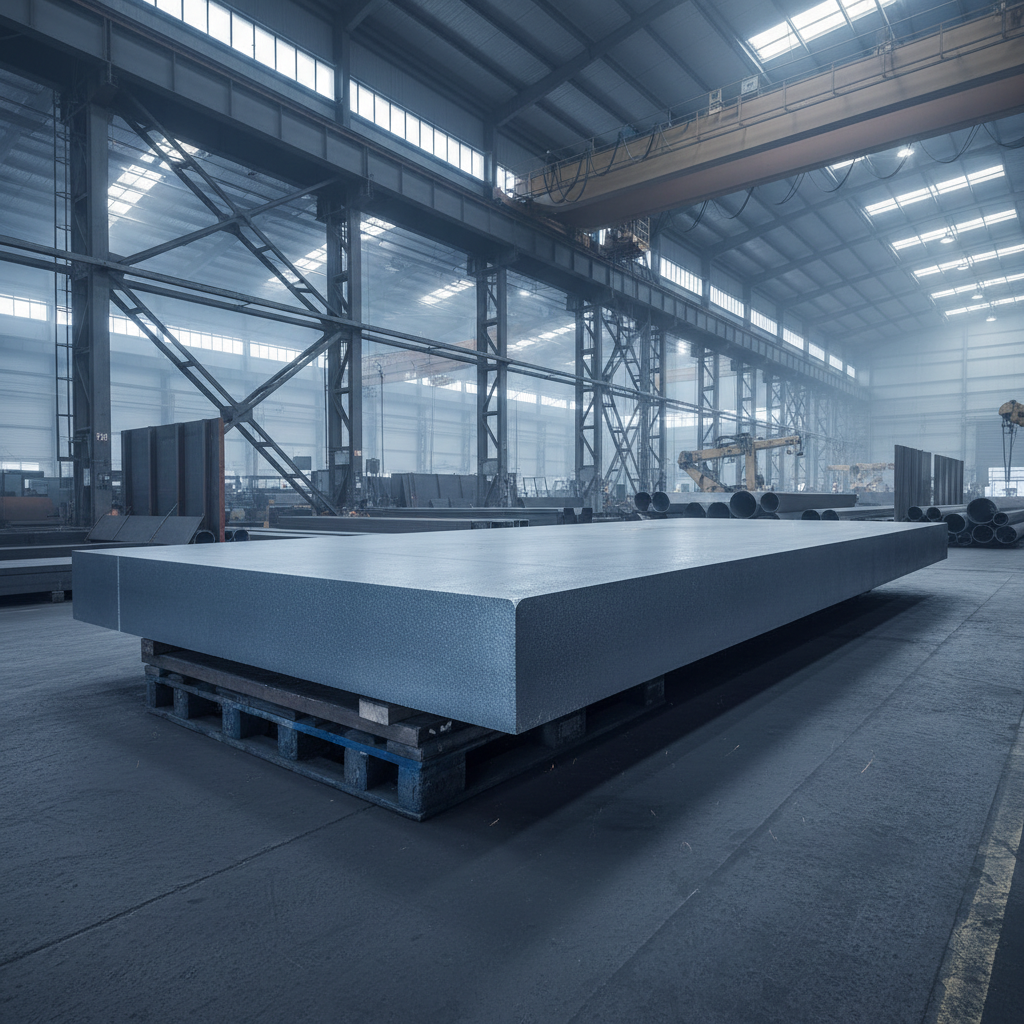
Global Industry Context of Hardened Steel Plate
On a global scale, the reliance on hardened steel plate is intrinsically linked to the growth of the mining, construction, and maritime sectors. According to data reflecting ISO quality standards and global trade trends, the transition toward automated heavy machinery has increased the stress loads on individual components, making standard carbon steel insufficient for high-wear zones. This has led to a systemic shift toward advanced quenching and tempering processes to ensure structural integrity.
The primary challenge facing the industry is the balance between hardness and toughness. While a plate can be made extremely hard to resist scratches, it may become brittle and crack under sudden impact. This "brittleness paradox" has driven global metallurgy to develop specialized alloys that maintain a high Brinell hardness (HB) while retaining enough ductility to survive the dynamic stresses of a quarry or a shipbuilding yard.
Technical Definition and Metallurgical Meaning
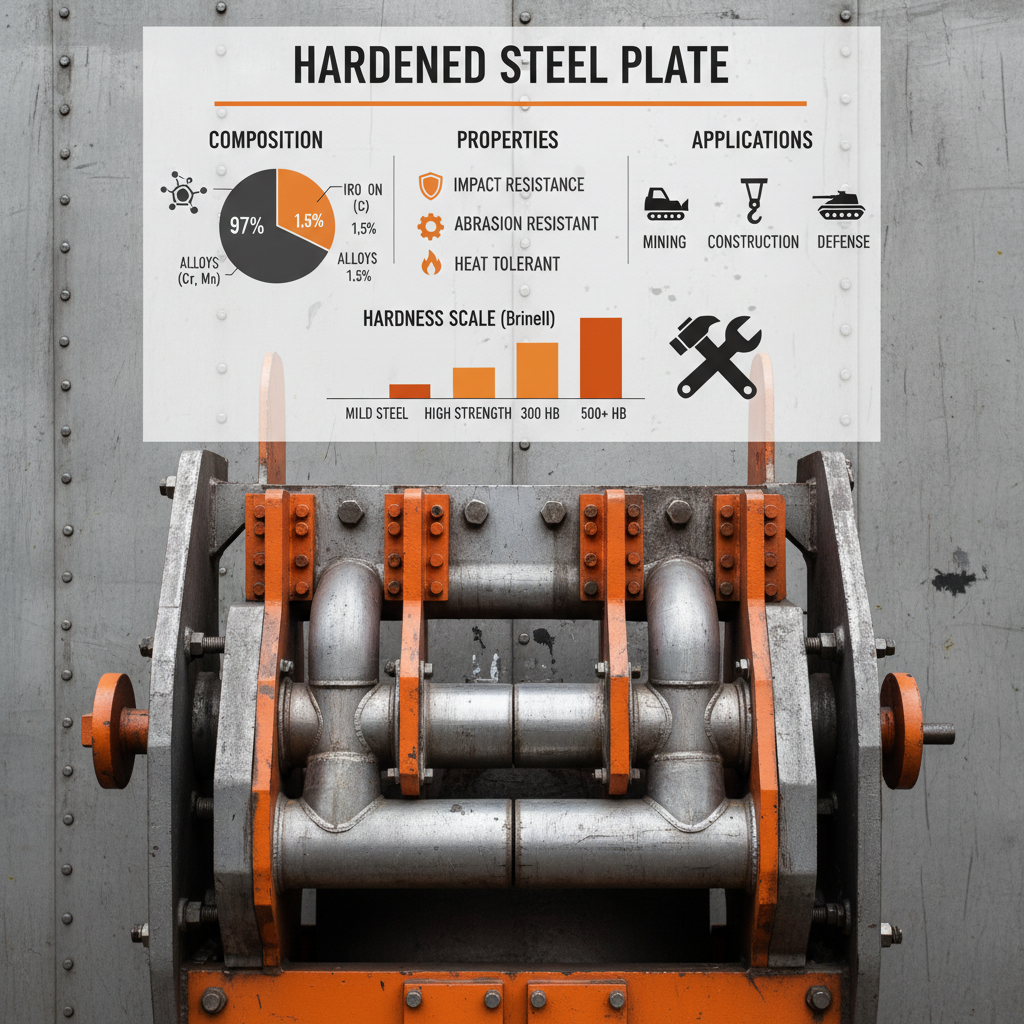
At its core, a hardened steel plate is a carbon or alloy steel that has undergone a controlled heating and cooling process to alter its microscopic crystalline structure. By heating the steel to its austenitizing temperature and then rapidly cooling it—a process known as quenching—the carbon atoms are "trapped" in the lattice, creating a hard, needle-like structure called martensite.
This transformation is not merely about strength; it is about resistance. In the context of modern industry, "hardness" refers to the material's ability to resist plastic deformation and surface penetration. For humanitarian projects, such as building reinforced shelters in disaster-prone zones or creating durable water-treatment infrastructure, this resistance translates directly into a longer lifecycle and reduced resource waste.
Moreover, the "hardened" designation often implies a subsequent tempering stage. Tempering involves reheating the quenched steel to a lower temperature, which relieves internal stresses and optimizes the balance between hardness and impact strength. This ensures that the resulting plate doesn't just resist wear but can also handle the jarring shocks typical of industrial environments.
Core Components of Steel Hardening Performance
The efficacy of a hardened steel plate is determined by several key factors, the first being its chemical composition. The addition of elements like Chromium, Nickel, and Molybdenum enhances the hardenability of the steel, allowing for more uniform hardness across thicker plates, which is critical for heavy-duty structural applications.
Wear resistance is perhaps the most critical performance metric. By achieving high surface hardness, these plates can withstand the abrasive action of minerals, sand, and slag. This makes them indispensable for liner plates in chutes, hoppers, and crushers, where standard steel would be eroded in a fraction of the time.
Finally, the scalability of the hardening process ensures that whether a project requires a small precision component or a massive structural slab, the material properties remain consistent. This reliability allows engineers to calculate exact wear-life cycles, enabling predictive maintenance rather than reactive repairs.
Global Applications and Use Cases
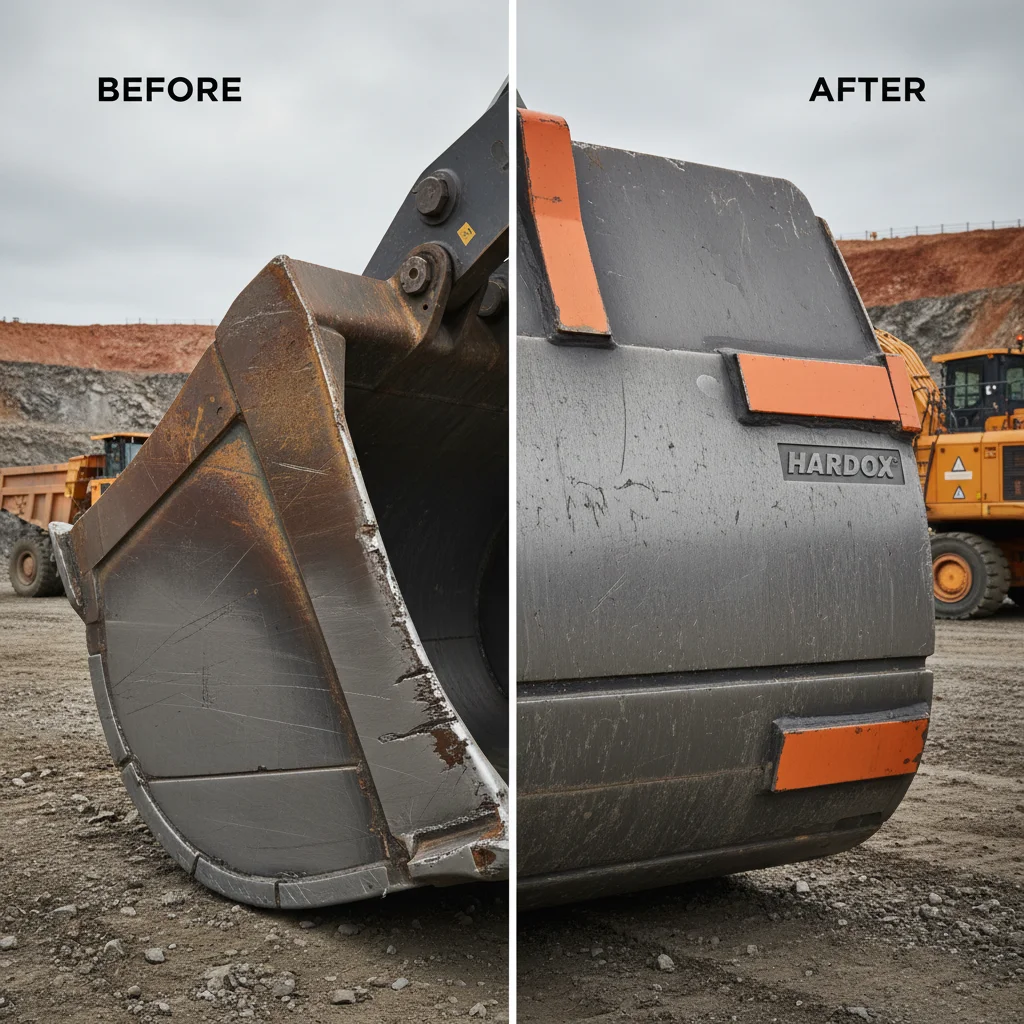
The versatility of hardened steel plate is evident in its widespread adoption across diverse global industries. In the mining sectors of Australia and Brazil, these plates are used for bucket lips and truck beds to survive the constant bombardment of ore. In North American bridge construction, specialized hardened alloys provide the necessary support for high-load bearings and joints that must resist decades of corrosive environmental exposure.
Beyond heavy industry, these materials play a role in specialized safety equipment. In remote industrial zones or high-security infrastructure, hardened plates are utilized in blast-resistant walls and armored vehicles, providing a critical layer of protection that saves lives. The ability to customize the hardness level allows for the creation of "gradient" plates that are hard on the surface but tough in the core.
Comparative Performance of Hardened Steel Plate Variants
Long-Term Value and Economic Advantages
Investing in a premium hardened steel plate may involve a higher initial procurement cost compared to mild steel, but the long-term economic value is unmatched. By significantly extending the time between replacement intervals, companies reduce their total cost of ownership (TCO). This is particularly evident in 24/7 operations where a single hour of downtime can cost thousands of dollars in lost production.
Furthermore, the use of hardened steel contributes to sustainability. By increasing the lifespan of components, fewer raw materials are consumed over time, and the energy associated with the manufacturing and transportation of replacement parts is drastically reduced. This creates a virtuous cycle of reliability, safety, and environmental responsibility.
Future Trends in Steel Innovation
The future of hardened steel plate is being shaped by the intersection of material science and digital technology. We are seeing the rise of "smart steels" that can be monitored via embedded sensors to detect wear in real-time. This shift toward Industry 4.0 allows for pinpoint accuracy in predicting when a hardened plate is reaching its fatigue limit, preventing catastrophic failures before they occur.
Green steel initiatives are also transforming how these plates are produced. The transition from blast furnaces to hydrogen-based direct reduced iron (DRI) processes is reducing the carbon footprint of steel production without sacrificing the hardness or strength of the final product. This allows heavy industries to meet stringent ESG (Environmental, Social, and Governance) goals.
Additionally, additive manufacturing—or 3D printing of metals—is enabling the creation of complex hardened structures that were previously impossible to forge. By precisely controlling the cooling rate of each layer, manufacturers can create plates with varying hardness levels in a single piece, optimizing the material for specific stress points.
Overcoming Challenges in Steel Implementation
One of the primary challenges when working with hardened steel plate is its difficulty to weld and machine. Because the material is designed to resist penetration, standard drilling and cutting tools wear out quickly. To overcome this, industry experts recommend the use of laser cutting and specialized plasma torches, which can slice through hardened alloys without compromising the heat-affected zone (HAZ).
Another common issue is the risk of hydrogen embrittlement during the welding process. If moisture is trapped in the weld, it can lead to microscopic cracks that compromise the entire structure. The solution lies in using low-hydrogen electrodes and implementing strict pre-heating and post-heating protocols to ensure the weld remains as resilient as the base metal.
Finally, the selection of the wrong grade of hardness can lead to premature failure. A plate that is too hard will crack under impact, while one that is too soft will wear away. The solution is a rigorous technical audit of the application environment, ensuring that the Brinell hardness is matched precisely to the abrasive or impact characteristics of the workload.
Analysis of Hardened Steel Plate Selection Criteria
| Material Grade |
Hardness Range (HB) |
Primary Application |
Impact Resistance |
| Standard Hardened |
250 - 350 |
Structural Bracing |
High |
| Medium Abrasion |
350 - 450 |
Hopper Liners |
Medium |
| High Abrasion |
450 - 550 |
Crusher Plates |
Low-Medium |
| Extreme Hardened |
550 - 650 |
Cutting Edges |
Low |
| Tough-Hardened |
300 - 400 |
Mining Buckets |
Very High |
| Custom Alloyed |
Variable |
Specialized Armor |
Custom |
FAQS
The primary difference lies in the internal crystalline structure. Standard carbon steel is generally softer and more ductile, making it easier to form but susceptible to rapid wear. A hardened steel plate has undergone quenching and tempering to create martensite, significantly increasing its surface hardness and resistance to abrasion, although it may be less ductile than mild steel.
Yes, but it requires specific procedures. Because of their hardness, these plates are prone to cold cracking in the heat-affected zone. Professional welders use low-hydrogen electrodes, pre-heat the material to a specific temperature, and apply a controlled cooling cycle (post-heating) to maintain the plate's integrity and prevent stress fractures.
The choice depends on the nature of the wear. For purely abrasive environments (like sliding sand), a higher HB (450+) is ideal. However, for high-impact environments (like falling boulders), a moderate hardness (300-400 HB) is better to prevent the plate from cracking. A technical audit of the material being handled is the best way to determine the optimal grade.
While the initial cost is higher than mild steel, it is often more cost-effective than ceramic liners or specialty plastics in heavy-duty industrial settings. Its ability to provide both structural strength and wear resistance in a single component reduces the need for complex layering, lowering overall installation and maintenance costs.
In standard carbon steels, thickness can lead to uneven hardening. However, high-quality hardened steel plates use alloying elements like Chromium and Molybdenum to increase "hardenability," ensuring that the quenching process penetrates deeply into the core of the plate, providing uniform hardness throughout the entire thickness.
Yes, primarily through the lens of longevity. By extending the service life of industrial components, hardened steel reduces the frequency of replacement, which in turn lowers the energy and raw materials needed for production. Additionally, steel is 100% recyclable, meaning these plates can be melted down and repurposed at the end of their long life cycle.
Conclusion
The strategic implementation of hardened steel plate represents a critical intersection of metallurgical precision and economic pragmatism. By optimizing the balance between hardness, toughness, and weldability, industries can secure their infrastructure against the relentless forces of abrasion and impact. From the foundational chemistry of the alloy to the cutting-edge integration of smart monitoring and green production, these materials continue to evolve to meet the escalating demands of global heavy industry.
Looking forward, the shift toward sustainable, high-strength alloys will not only reduce operational costs but also align industrial growth with environmental stewardship. For companies seeking to minimize downtime and maximize the reliability of their equipment, investing in the correct grade of hardened steel is an essential step toward operational excellence. To explore our full range of high-performance steel solutions and find the perfect match for your project, visit our website: www.baidysteel.com