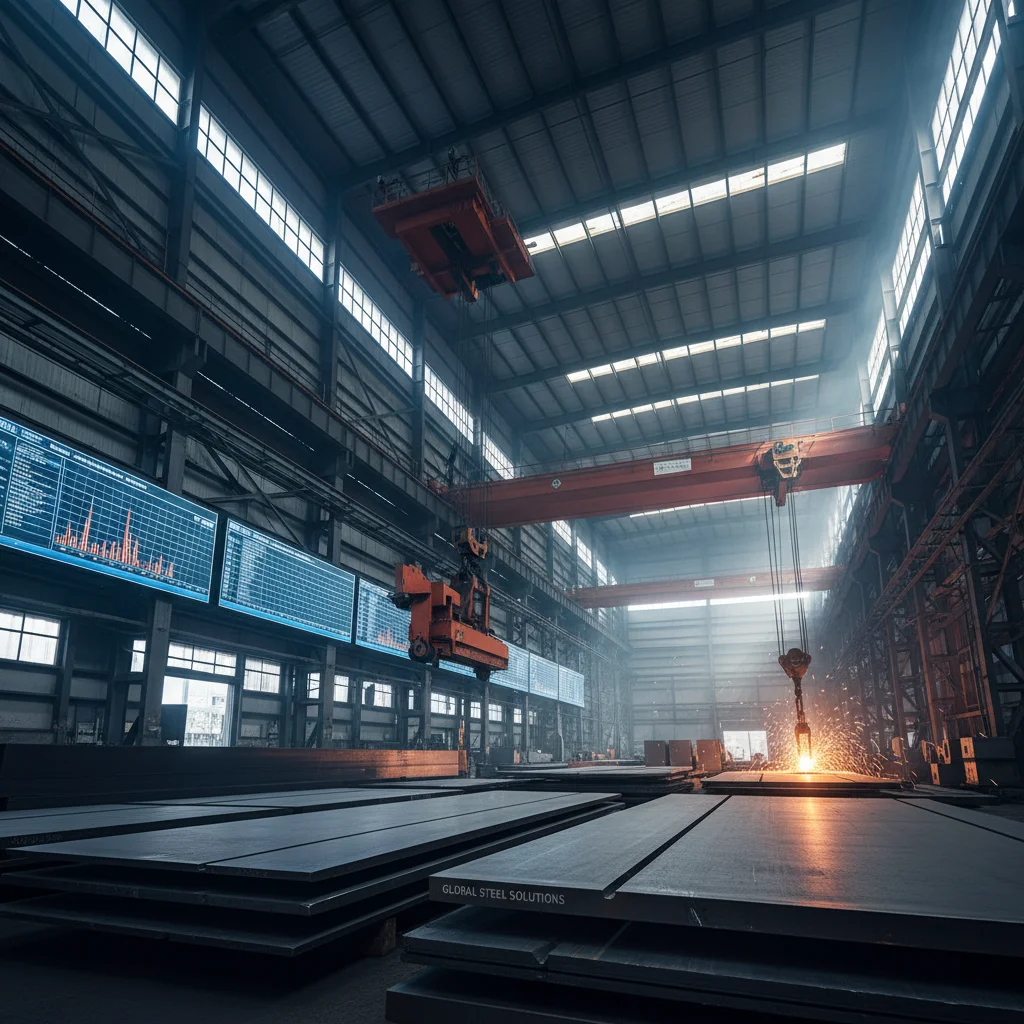
Look, I’ve spent the last twenty years breathing concrete dust and arguing with blueprints on sites from Dubai to Detroit. And if there’s one thing I’ve learned, it's that you can’t build anything lasting without the right steel. Not just any steel, mind you – we're talking about custom steel plate. It’s the backbone of everything we do, from skyscrapers to bridges, and getting it right is the difference between a project that stands the test of time and one that’s a headache waiting to happen. The demand globally is immense – we’re talking a multi-billion dollar market driven by infrastructure development, renewable energy projects, and a growing need for resilient materials.
What’s changed is the complexity. Gone are the days of “one size fits all.” Modern projects demand precision. They require steel that's not just strong, but specifically engineered for the load, the environment, and the overall design. The United Nations estimates a need for $1.6 trillion in infrastructure investment annually just to meet sustainable development goals, and a huge chunk of that relies on advanced materials like precisely fabricated custom steel plate. We’re talking about projects where failure isn’t an option, where the margin for error is zero.
I’ve seen firsthand the delays and cost overruns caused by using off-the-shelf steel when a custom solution was needed. It's frustrating for everyone involved – the engineers, the contractors, the owners. That’s why understanding the intricacies of custom steel plate isn’t just a technical issue, it’s a business imperative.
The Critical Role of Custom Steel Plate
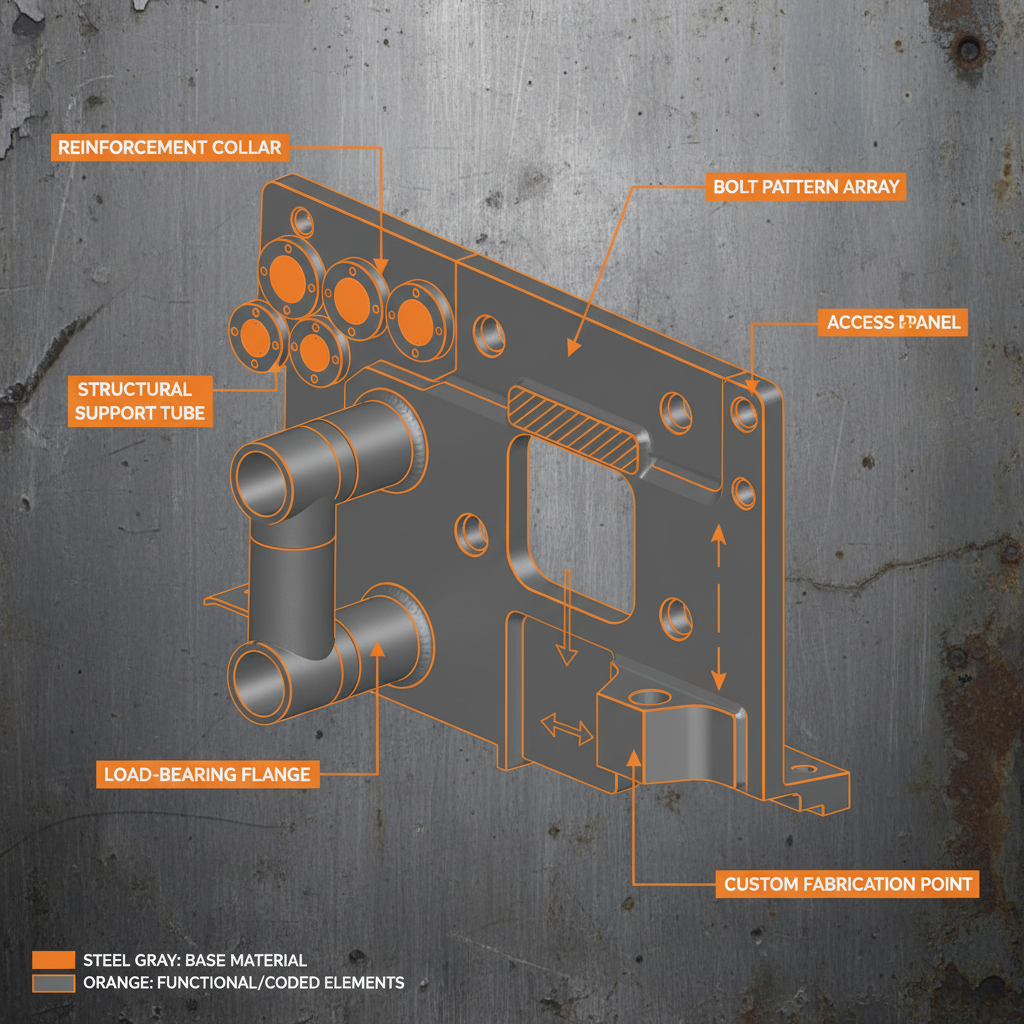
Let’s be clear: a custom steel plate isn’t just about cutting a piece of metal to a specific size. It’s about understanding the entire lifecycle of a structure and tailoring the steel's composition, dimensions, and treatment to meet those demands. I've seen projects where using a standard grade of steel resulted in premature corrosion, structural fatigue, and ultimately, costly repairs. It’s about minimizing risk and maximizing the lifespan of the asset.
Think about a bridge in a coastal environment. It’s constantly exposed to saltwater, which accelerates corrosion. A custom steel plate specifically alloyed for that environment, with coatings designed to resist chloride attack, can extend the bridge’s life by decades, saving taxpayers millions. This isn't rocket science; it’s smart engineering.
Defining Custom Steel Plate: Beyond Standard Specs
So, what is custom steel plate? It’s steel that’s fabricated to meet precise requirements that fall outside of standard industry specifications. This includes everything from the chemical composition – the specific mix of alloys like manganese, nickel, and chromium – to the physical properties like yield strength, tensile strength, and ductility. It’s about getting the exact metal for the job.
It's intimately tied to modern construction and infrastructure. Without the ability to precisely tailor steel, we couldn't build the complex, high-performance structures that define our modern world. It’s vital for things like offshore platforms, pressure vessels, and highly specialized components in the aerospace industry. We're not just building structures; we’re solving complex engineering challenges.
And it’s increasingly important for humanitarian efforts. Deployable structures for disaster relief, for instance, require steel that's lightweight, durable, and easy to assemble – characteristics often achieved through custom steel plate fabrication.
Core Characteristics of High-Performance Custom Steel Plate
There are a few key things that separate good custom steel plate from the rest. First is Durability. The right alloy and heat treatment can make steel incredibly resistant to wear, corrosion, and impact. Second is Weldability. The plate needs to be easily joined to other components without compromising its structural integrity.
Dimensional Accuracy is huge. We're talking tolerances measured in fractions of an inch. That precision is critical for ensuring proper fit-up and minimizing the need for on-site modifications. And finally, Traceability. Knowing the complete history of the steel – from the raw materials to the fabrication process – is essential for quality control and accountability.
These characteristics aren’t just buzzwords; they directly impact the performance and safety of the final product. And they’re all achievable through careful selection of materials and precise fabrication techniques.
Global Applications of Engineered Steel Solutions
You'll find custom steel plate everywhere. In post-disaster relief operations, it’s used to quickly construct shelters and temporary infrastructure. In remote industrial zones, it’s essential for building pipelines, storage tanks, and processing facilities.
Look at the offshore wind energy sector. Turbines need massive steel foundations and towers, all fabricated from custom steel plate designed to withstand extreme weather conditions and constant stress. The same goes for the shipbuilding industry, where specialized steel is used for hulls, decks, and critical components.
Comparison of Custom Steel Plate Methods
Tangible Advantages: ROI and Long-Term Value
The upfront cost of custom steel plate might be higher than standard steel, but the long-term savings are substantial. Reduced maintenance, extended lifespan, and minimized risk of failure all contribute to a higher return on investment. It’s about building for the future, not just for today.
Beyond the financial benefits, there’s a strong sustainability argument. Using the right steel for the job means using less material overall, reducing waste, and minimizing the environmental impact. And in critical applications, the safety and reliability provided by custom steel plate are simply priceless.
Innovations and Emerging Trends in Steel Fabrication
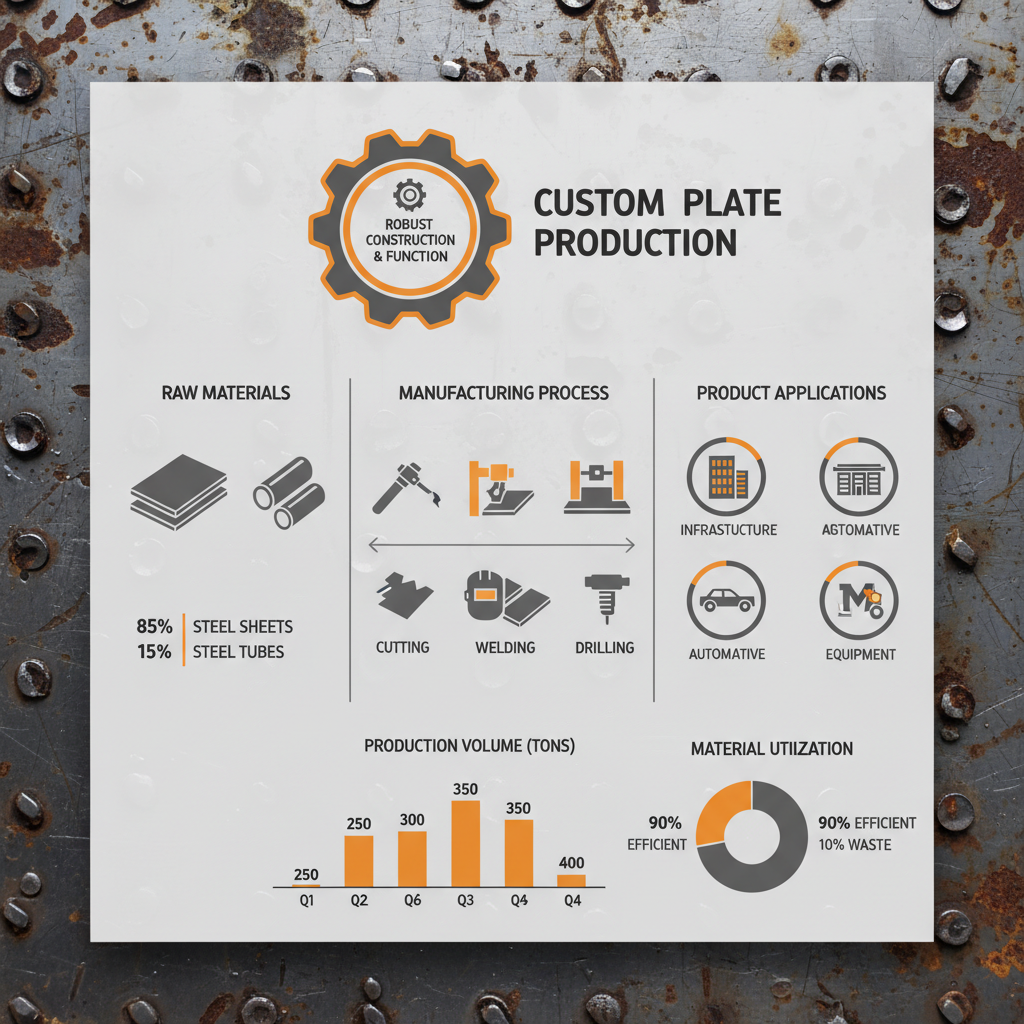
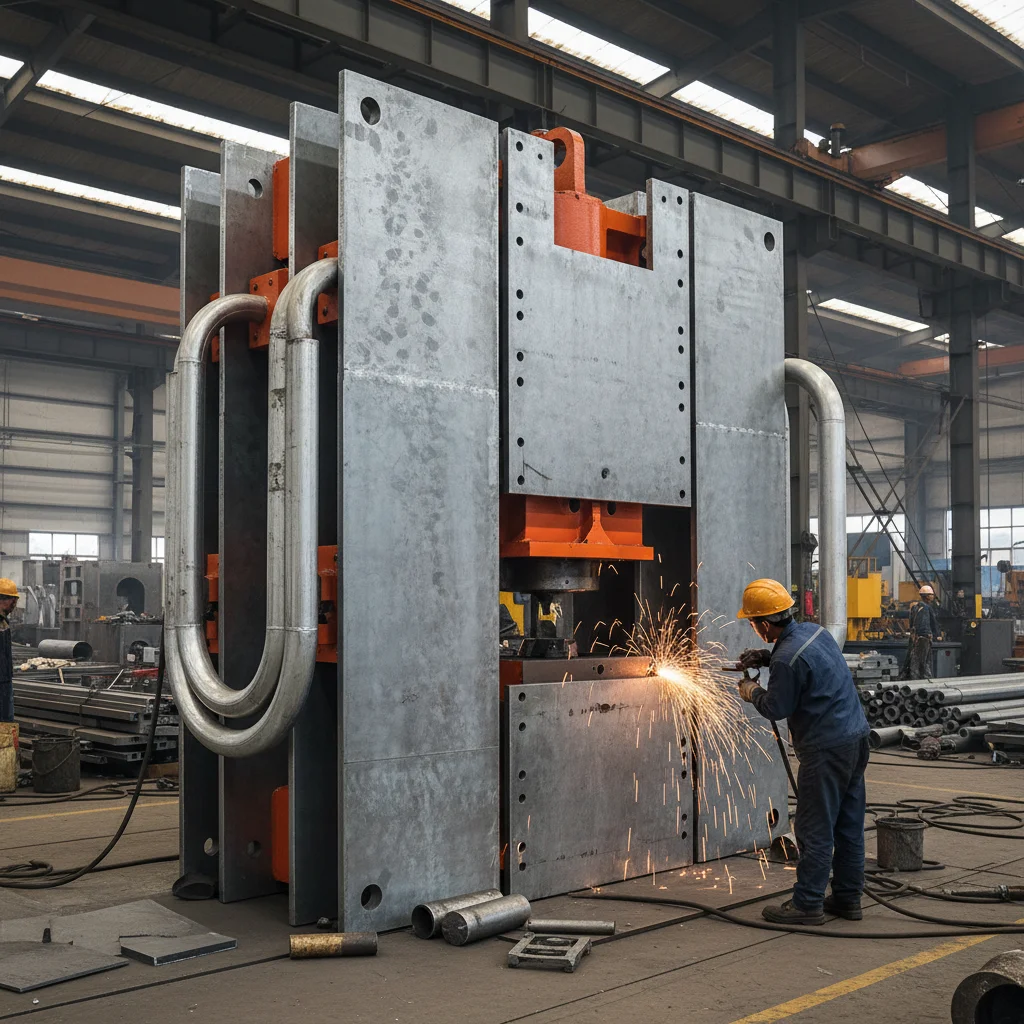
We’re seeing exciting advancements in steel fabrication, driven by digital technologies. Laser cutting, robotic welding, and 3D printing are enabling us to create incredibly complex geometries with unprecedented precision. These technologies are allowing for quicker turnaround times and more cost-effective production of custom steel plate.
There’s also a growing focus on developing new, high-strength steel alloys that are lighter, more durable, and more corrosion-resistant. And, of course, the industry is actively exploring ways to reduce its carbon footprint through the use of recycled materials and more energy-efficient manufacturing processes.
Common Challenges & Practical Solutions
The biggest challenge? Lead times. Custom steel plate fabrication takes time, especially when dealing with complex designs or specialized alloys. That's why early planning and close collaboration with your steel supplier are crucial.
Another issue is quality control. It’s essential to work with a supplier who has a robust quality management system and can provide full traceability of the materials. And finally, there's the need for skilled labor. Fabricating custom steel plate requires experienced welders, machinists, and engineers.
The solution? Building strong relationships with trusted suppliers, investing in advanced technologies, and prioritizing training and development for your workforce. It's about creating a resilient supply chain that can deliver the high-quality steel you need, when you need it.
Summary of Solutions to Common Challenges with Custom Steel Plate
| Challenge |
Impact on Project |
Proposed Solution |
Implementation Details |
| Long Lead Times |
Project Delays, Increased Costs |
Early Supplier Engagement |
Collaborate on design phase, provide detailed specifications early. |
| Quality Control Concerns |
Structural Integrity Issues, Safety Risks |
Supplier Quality Assurance |
Request certifications, conduct site audits, require material traceability. |
| Skilled Labor Shortage |
Fabrication Errors, Increased Rework |
Invest in Training Programs |
Provide ongoing training for welders, machinists, and engineers. |
| Material Cost Fluctuations |
Budget Overruns, Project Uncertainty |
Fixed-Price Contracts |
Negotiate fixed pricing with suppliers for specified periods. |
| Complex Design Requirements |
Fabrication Difficulties, Increased Errors |
Utilize Advanced Modeling Software |
Employ 3D modeling and simulations to identify potential issues early. |
| Supply Chain Disruptions |
Delayed Deliveries, Production Halt |
Diversify Supplier Base |
Establish relationships with multiple qualified suppliers. |
FAQS
Turnaround time depends heavily on the complexity of the design, the alloy required, and current demand at the fabrication facility. Generally, expect a minimum of 4-6 weeks for standard custom orders. Highly specialized plates or large quantities can take 8-12 weeks or more. It's crucial to discuss your project timeline with your supplier during the initial consultation to get a realistic estimate.
Detailed specifications are key. Provide your supplier with precise drawings, material requirements (alloy composition, yield strength, tensile strength), dimensional tolerances, and any specific testing or certification requirements. A pre-production sample or prototype can also be incredibly valuable to verify the fabrication process and ensure the final product meets your needs.
Common tests include mechanical testing (tensile, yield, impact), chemical analysis, non-destructive testing (ultrasonic, radiographic, magnetic particle), and dimensional inspections. The specific tests performed will depend on the application and industry standards. Always request a material test report (MTR) to verify the steel’s properties.
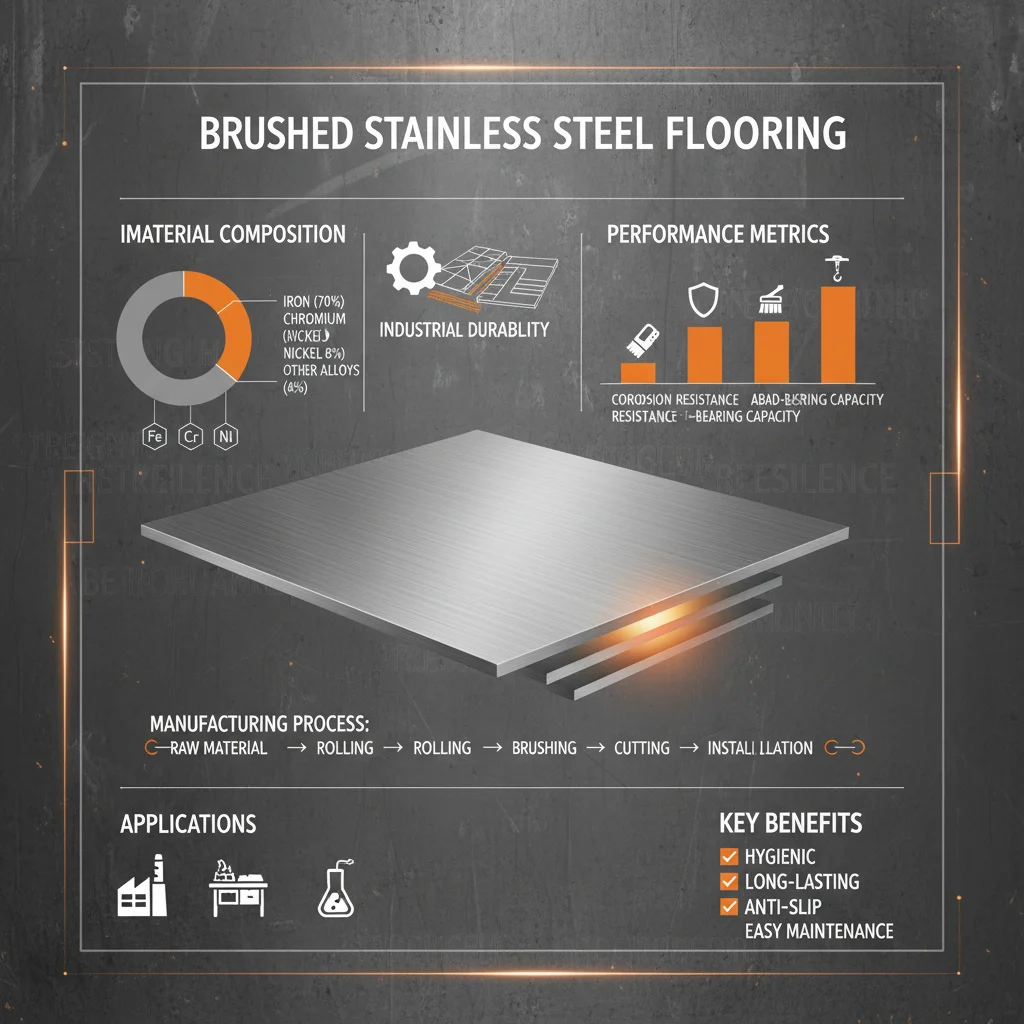
Yes, a wide range of surface finishes are available, including painting, powder coating, galvanizing, and polishing. The choice of finish will depend on the environment the steel will be exposed to and the desired aesthetic appearance. Discuss your specific requirements with your supplier to ensure the finish provides adequate protection and durability.
Custom steel plate typically costs more than standard steel plate due to the additional engineering, fabrication, and testing involved. The price difference can vary significantly depending on the complexity of the design, the quantity ordered, and the specific alloy required. However, the long-term benefits of a custom solution often outweigh the initial cost.
Look for a supplier with a proven track record of fabricating high-quality custom steel plates, a robust quality management system, and experienced engineers and fabricators. Check their certifications (ISO 9001, etc.), ask for references, and visit their facility if possible to assess their capabilities. Excellent communication and a collaborative approach are also essential.
Conclusion
Ultimately, custom steel plate isn’t just about metal; it’s about solutions. It’s about understanding the unique challenges of each project and tailoring the material to meet those demands. It's about building structures that are safer, more durable, and more sustainable. We need to shift our thinking from “what’s cheapest” to “what’s best for the long run.”
The future of construction and infrastructure hinges on our ability to innovate with materials like custom steel plate. By embracing new technologies, prioritizing quality, and fostering collaboration, we can build a more resilient and sustainable world. If you're facing a challenging project, don't settle for off-the-shelf solutions. Visit our website to learn how we can help you engineer the perfect steel plate for your needs.