In the expansive world of industrial metallurgy, the mild steel plate stands as one of the most versatile and indispensable materials driving global infrastructure. From the skeletal frames of skyscrapers to the hulls of massive cargo ships, its unique balance of ductility and strength makes it the primary choice for engineers seeking reliability without prohibitive costs. Understanding the nuances of this material is critical for optimizing structural integrity in any large-scale construction project.
On a global scale, the demand for low-carbon steel remains steady as emerging economies accelerate their urbanization efforts. By leveraging the weldability and ease of fabrication inherent in a mild steel plate, manufacturers can rapidly prototype and deploy essential infrastructure, reducing lead times for critical projects. This accessibility is what allows modern cities to grow vertically and industrial zones to expand horizontally with efficiency.
However, selecting the right grade—whether it be Q235, S235JR, or A36—requires a deep understanding of the environmental stressors the material will face. Whether dealing with atmospheric corrosion or heavy mechanical loads, the strategic application of the right mild steel plate ensures that a structure remains safe, sustainable, and cost-effective over its entire operational lifecycle.

Global Relevance of Mild Steel Plate
The global steel market is the backbone of industrialization, with mild steel plate serving as a cornerstone material for the World Bank's infrastructure development goals. Its widespread adoption is driven by the fact that it offers a pragmatic compromise between extreme high-strength alloys and softer, less durable metals, making it an economic driver for developing nations building their first generation of bridges and highways.
According to ISO standards, the standardization of carbon steel grades has enabled a seamless global supply chain. This means a mild steel plate manufactured in one region can be integrated into a project in another with confidence in its tensile strength and chemical composition, ensuring safety and interoperability across international borders.
Defining the Properties of Mild Steel Plate
In simple technical terms, a mild steel plate is a low-carbon steel, typically containing between 0.05% and 0.25% carbon. This low carbon content is the "secret sauce" that prevents the metal from becoming too brittle, allowing it to be bent, rolled, and welded without the need for complex pre-heating or post-weld heat treatments that are required for high-carbon steels.
Beyond its chemistry, the material is defined by its exceptional ductility. This allows the plate to undergo significant plastic deformation before failure, a critical safety feature in seismic zones where structures must be able to absorb energy and "give" slightly rather than snapping under sudden stress. This makes mild steel plate essential for humanitarian housing and emergency infrastructure.
Modern industrial needs have pushed the evolution of this material toward higher precision. Today's plates are produced with dimensional tolerances as tight as 0.1mm, ensuring that when these plates are used in automotive chassis or precision machinery, the fit is seamless, reducing waste and increasing the overall speed of the assembly line.
Core Factors Influencing Performance
One of the primary factors governing the utility of a mild steel plate is its weldability. Because of its low carbon equivalent, it can be joined using a variety of methods—from MIG and TIG to arc welding—creating joints that are often as strong as the base metal itself, which is vital for large-scale structural fabrication.
Cost-efficiency is another driving force. Compared to stainless steel or specialized alloy plates, mild steel plate provides a significantly lower price point per ton while still delivering the mechanical properties required for the vast majority of commercial construction tasks.
Lastly, the adaptability of the surface treatment determines its longevity. While raw mild steel plate is prone to oxidation, the application of galvanization, pickling, or specialized coatings transforms it into a corrosion-resistant powerhouse capable of withstanding harsh maritime or industrial environments.
Global Applications and Use Cases
In the automotive sector, the mild steel plate is the primary material for chassis components and structural reinforcements. Its ability to be stamped into complex shapes without cracking allows manufacturers to create lightweight yet rigid frames that protect passengers during collisions, balancing safety with production speed.
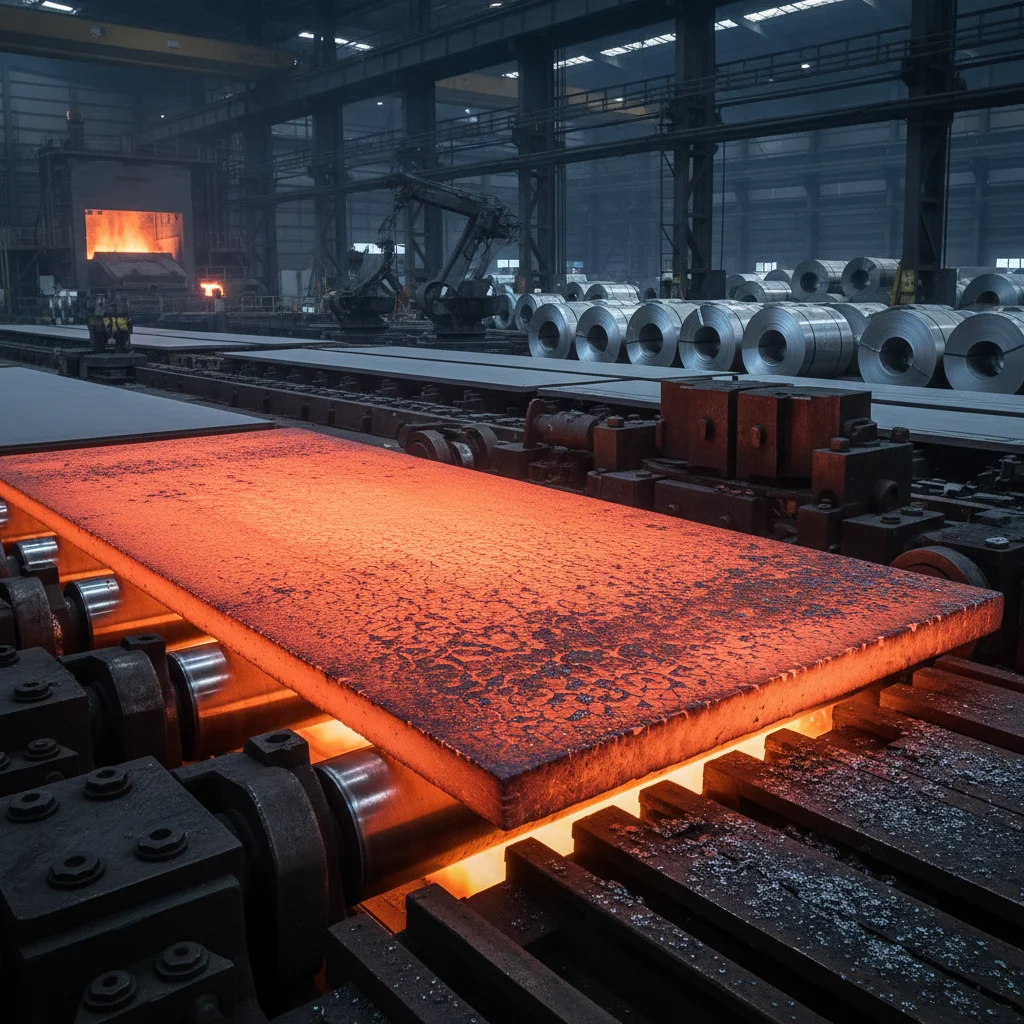
In shipbuilding and offshore engineering, these plates form the primary bulkheads and hull structures of vessels. For example, in remote industrial zones or deep-sea mining platforms, the use of high-quality, hot-rolled mild steel plate ensures that the vessel can withstand the immense hydrostatic pressure and the corrosive nature of saltwater when properly coated.
Performance Comparison of Mild Steel Plate Variants
Long-Term Value and Advantages
The long-term value of investing in a premium mild steel plate lies in its predictability. Engineers can calculate exact load-bearing capacities and fatigue limits, which reduces the need for over-engineering and saves on total material volume. This logical approach to design increases the structural efficiency of bridges and skyscrapers, leading to a lower carbon footprint over the project's life.
Beyond the technical, there is a psychological value in the reliability of steel. The trust placed in a mild steel plate for safety-critical applications—such as pressure vessels or bridge supports—stems from decades of proven performance. When a project utilizes certified grades with rigorous QA/QC inspections, it ensures the dignity and safety of the end-users who interact with that infrastructure every day.
Future Innovations in Steel Manufacturing
The industry is currently pivoting toward "Green Steel," where the production of the mild steel plate is powered by hydrogen instead of coking coal. This digital and chemical transformation aims to decouple steel production from carbon emissions, aligning the manufacturing sector with global Net-Zero targets without sacrificing the material's inherent strength.
Automation and AI are also redefining how we process these materials. Laser-cutting and automated slitting for mild steel plate have reduced material waste to almost zero. By using AI to optimize nesting patterns on a single sheet, factories can now maximize every square inch of steel, further reducing the cost for the end customer.
Furthermore, the integration of smart coatings—such as self-healing polymers applied to the surface of a mild steel plate—is extending the maintenance cycle of industrial assets. This means fewer repairs and longer operational lives for critical infrastructure in saltwater or chemical-heavy environments.
Overcoming Challenges in Implementation
The most significant challenge facing the use of mild steel plate is atmospheric corrosion. Rust can compromise structural integrity if left unchecked. The professional solution involves a multi-layered defense: starting with a pickled surface to remove mill scale, followed by a high-performance zinc coating or industrial epoxy paint.
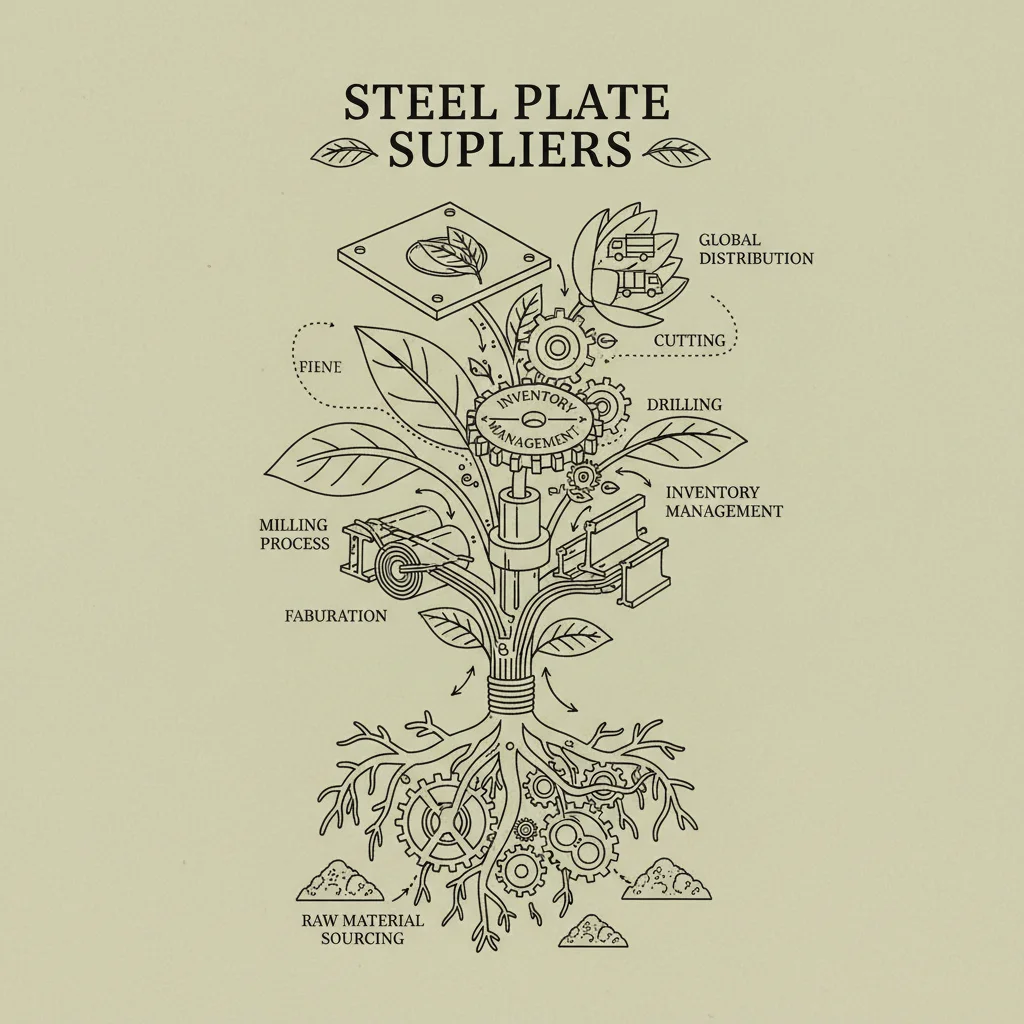
Another hurdle is the volatility of raw material pricing in the global market. To overcome this, many firms are moving toward integrated supply chain partnerships. By sourcing mild steel plate from manufacturers that handle everything from smelting to custom slitting, companies can lock in prices and ensure a consistent quality stream.
Finally, the challenge of precision in heavy fabrication is being solved through tighter tolerance controls. By utilizing cold-rolling processes for specific components of a mild steel plate order, manufacturers can achieve the 0.1mm accuracy required for high-tech machinery, blending the cost of mild steel with the precision of high-end alloys.
Comparative Analysis of Mild Steel Plate Grade Applications
| Steel Grade | Primary Use Case | Weldability Score (1-10) | Durability Rating |
|---|
| Q235B | General Construction | 9 | Medium |
| A36 | Bridge Beams | 8 | High |
| S235JR | Light Frameworks | 10 | Medium |
| Ss400 | Shipbuilding Hulls | 8 | High |
| Q345 | High-Rise Structures | 7 | Very High |
| Custom Carbon | Specialized Tooling | 6 | Extreme |
FAQS
The primary difference is the carbon content. Mild steel plate typically contains 0.05% to 0.25% carbon, making it more ductile and easier to weld. High-carbon steel has significantly more carbon, which increases hardness and strength but makes the material brittle and much harder to weld or form without specialized heat treatment.
Yes, but not in its raw state. Because it is prone to corrosion, a mild steel plate used in maritime environments must be treated. Common solutions include hot-dip galvanizing, marine-grade epoxy coatings, or utilizing a pickling process to ensure the surface is perfectly clean before painting.
Thickness selection depends on the load-bearing requirements and the safety factor of your project. For light frameworks, 2.0mm to 5.0mm is common, whereas heavy-duty bridge supports or vessel hulls often require plates from 10mm up to 13.5mm or more. Always consult a structural engineer to ensure the gauge matches the stress calculations.
Absolutely. One of the greatest advantages of mild steel plate is that it is 100% recyclable without loss of quality. This makes it a sustainable choice for modern construction, as old structural steel can be melted down and repurposed into new plates, significantly reducing the environmental impact of mining.
Hot-rolling means the steel is processed at temperatures above its recrystallization point. This results in a material with better toughness and easier formability, making it ideal for large structural components. Cold-rolling, by contrast, happens at room temperature and is used when a smoother surface and tighter dimensional precision are required.
While industry standards can vary, our streamlined production process allows for a standard delivery lead time of approximately 14 days. This includes precision slitting and cutting to your specific dimensions, ensuring your project timeline remains on track without compromising on quality control.
Conclusion
In summary, the mild steel plate remains the gold standard for industrial construction due to its unparalleled balance of weldability, ductility, and cost-effectiveness. By selecting the correct grade and applying modern surface treatments, engineers can ensure that their structures are not only strong and safe but also sustainable for decades to come.
Looking ahead, the transition toward green manufacturing and AI-driven precision will only enhance the value of carbon steel. We encourage project managers and architects to prioritize certified materials and integrated supply chains to mitigate risk and maximize structural efficiency. To optimize your next project with premium steel, visit our website: www.baidysteel.com.