Hit enter to search or ESC to close
31 March 2026
Thin galvanized steel sheet is a versatile material widely used across numerous industries due to its corrosion resistance, formability, and cost-effectiveness. This article explores the properties of thin galvanized steel, its diverse applications, and the advantages it offers compared to other materials. Whether you’re involved in construction, manufacturing, or automotive industries, understanding the benefits of this steel is crucial. Baidysteel offers a wide range of high-quality thin galvanized steel sheets to meet your specific needs.
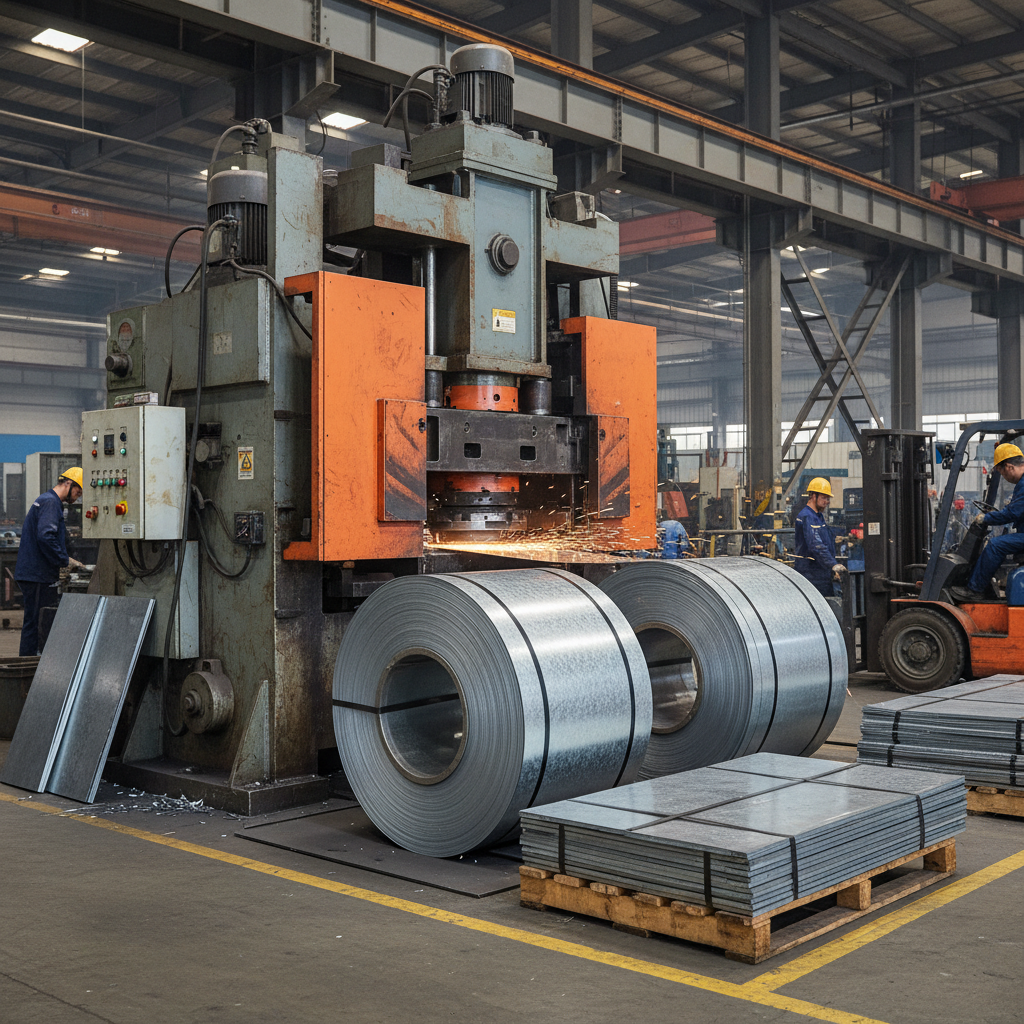
Galvanized steel is created by coating a base metal, typically carbon steel, with a protective layer of zinc. This zinc coating acts as a barrier against corrosion, preventing rust and extending the lifespan of the steel. “Thin” refers to the sheet's thickness, generally ranging from 0.5mm to 1.2mm. This thinner gauge makes it ideal for applications where weight and flexibility are important. The galvanization process offers superior protection compared to painting or other coatings.
Key Benefit: The zinc coating provides cathodic protection, meaning it corrodes before the steel, safeguarding the base metal from rust.
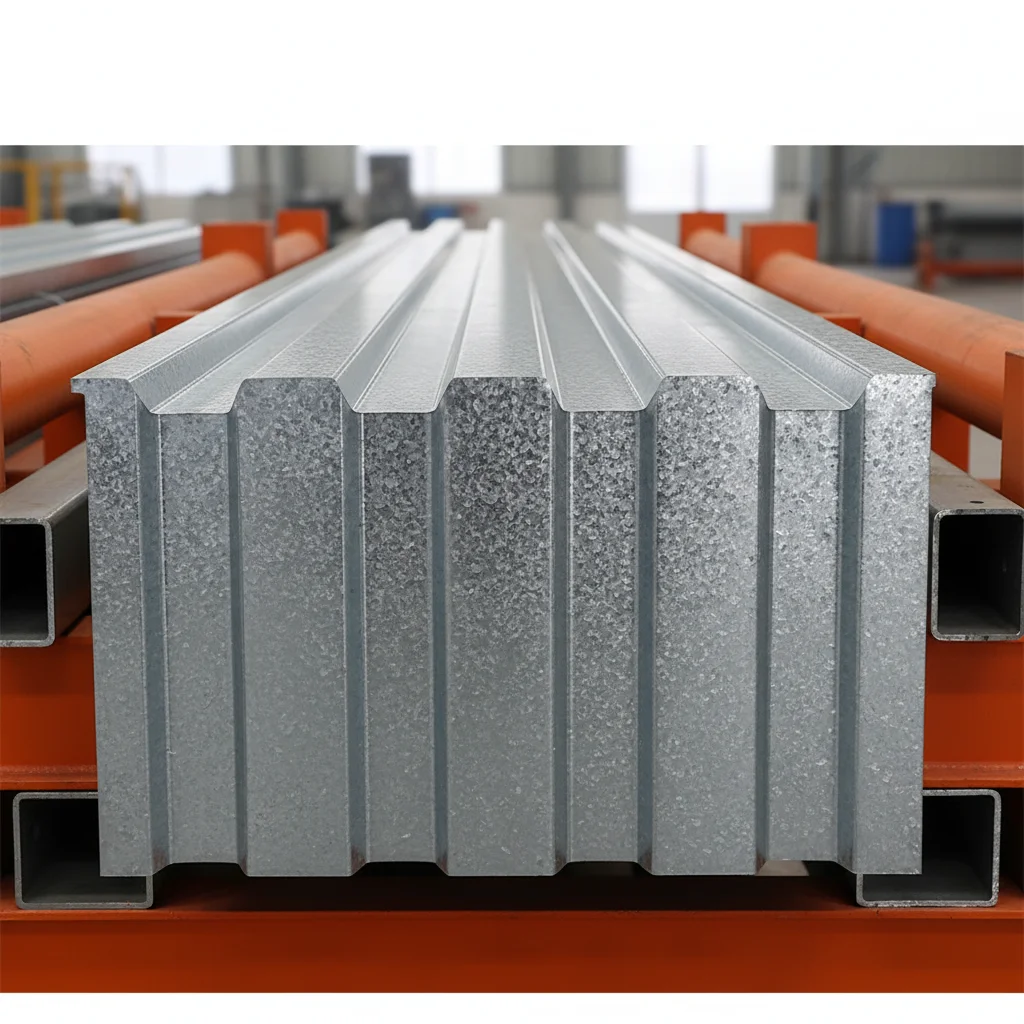
The versatility of thin galvanized steel sheet leads to its application in a wide variety of industries. Some common applications include: roofing, cladding, guttering and downspouts in the construction sector. In the automotive industry, it’s used for body panels and structural components. The appliance industry utilizes it for refrigerator casings and washing machine parts. Additionally, it’s employed in the manufacturing of ductwork, ventilation systems, and various industrial containers. Its formability allows for easy fabrication into complex shapes.
Key Application Areas:
• Construction (Roofing, Cladding)
• Automotive (Body Panels)
• Appliances (Refrigerators, Washing Machines)
• HVAC (Ductwork)
When compared to other materials like aluminum, stainless steel, and painted carbon steel, thin galvanized steel sheet often presents a compelling value proposition. Aluminum is lighter but more expensive and has lower strength. Stainless steel offers excellent corrosion resistance but is significantly more costly. Painted carbon steel is cheaper initially, but the paint coating requires regular maintenance and doesn’t provide the same level of long-term protection against corrosion as galvanization. Explore our product range at Baidysteel for competitive pricing and quality assurance.
When sourcing thin galvanized steel sheet, consider several factors. Zinc coating thickness (measured in weight per square meter – Z120, Z180, etc.) directly affects corrosion resistance. Steel grade impacts strength and formability. Sheet thickness needs to match application requirements. Look for reputable suppliers who adhere to quality control standards. At Baidysteel, we provide detailed specifications for all our products, ensuring you receive the right material for your project.
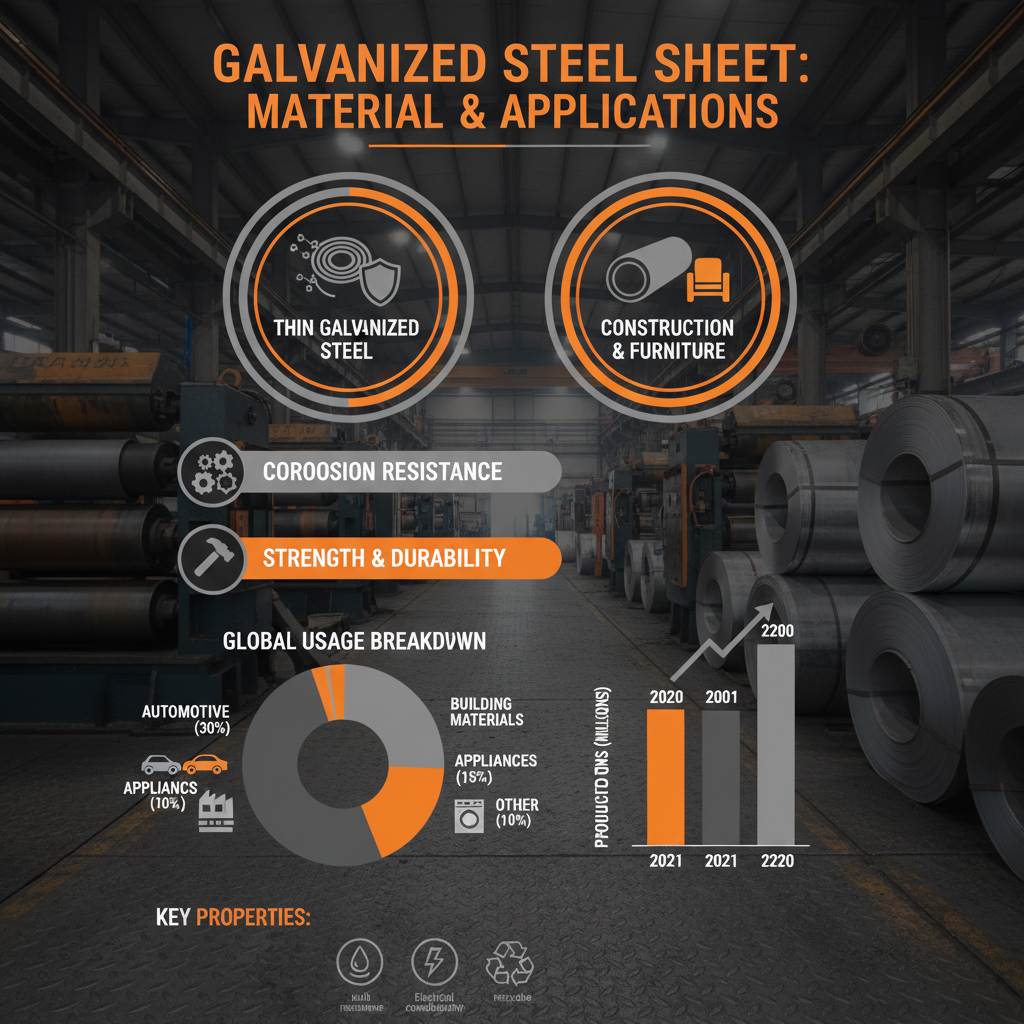
Thin galvanized steel sheet is a cost-effective, durable, and versatile material ideal for a wide array of applications. Its corrosion resistance, formability, and strength make it a superior choice over alternative materials in many scenarios. By carefully considering your specific needs and sourcing from a reputable supplier like Baidysteel, you can ensure you’re receiving a high-quality product that will deliver long-lasting performance.
The lifespan of galvanized steel is highly dependent on the environment. In rural areas, it can last for 50 years or more with minimal corrosion. In industrial environments or coastal regions with high salt exposure, the lifespan may be reduced to 20-30 years. Factors like zinc coating thickness, exposure to pollutants, and the presence of moisture all influence the rate of corrosion. Regular inspections and maintenance can help prolong its life.
Yes, galvanized steel can be painted, but it requires proper surface preparation. The smooth, zinc coating can inhibit paint adhesion, so it's essential to etch the surface or use a specialized primer designed for galvanized steel. Using the correct primer ensures good adhesion and prevents corrosion under the paint layer. Epoxy primers are often recommended.
Absolutely! Galvanized steel is 100% recyclable. The zinc coating doesn't hinder the recycling process and is recovered along with the steel. Recycling galvanized steel conserves natural resources and reduces landfill waste. It’s a sustainable material choice and contributes to a circular economy.
The most common type is hot-dip galvanization, where steel is immersed in a bath of molten zinc. Another method is electrogalvanizing, which uses an electrical current to deposit a zinc coating. There's also zinc spraying, where zinc is sprayed onto the steel surface. Each method offers different coating thicknesses and levels of protection, making them suitable for various applications.