Hit enter to search or ESC to close
9 April 2026
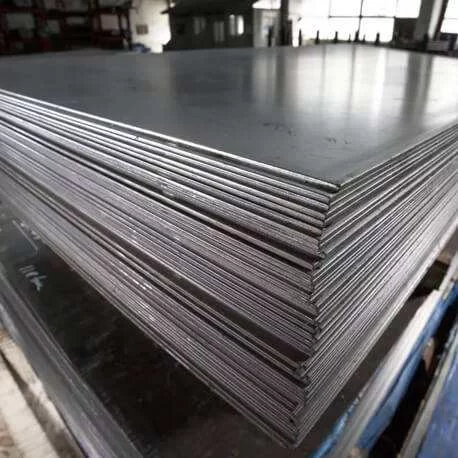
In the world of modern construction and industrial manufacturing, selecting a material that balances cost-efficiency with extreme durability is a constant challenge. zinc galvanized sheet metal has emerged as the gold standard for protecting steel from the ravages of corrosion. By applying a protective layer of zinc to the steel substrate, this material gains an incredible defense mechanism against rust and environmental wear. Whether you are designing HVAC systems, automotive components, or roofing for industrial warehouses, understanding the properties of galvanized steel is essential for ensuring the longevity of your project. In this guide, we will explore why this material remains a top choice for engineers worldwide.
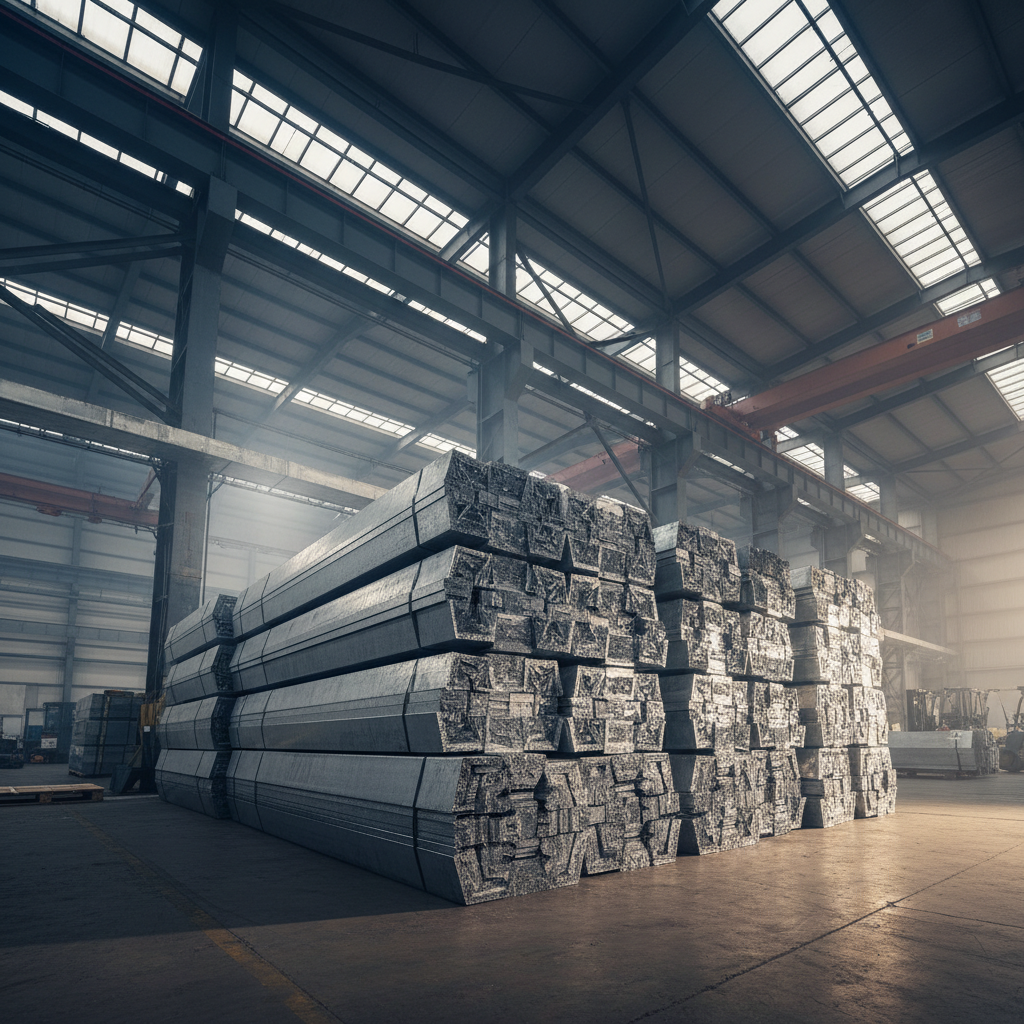
The secret to the longevity of zinc galvanized sheet metal lies in a process called sacrificial protection. Unlike simple paint or powder coatings that act only as a physical barrier, zinc reacts chemically with the environment. If the surface of the metal is scratched or damaged, the surrounding zinc will corrode first, "sacrificing" itself to protect the underlying steel from oxidizing. This creates a self-healing effect that is critical for materials exposed to rain, humidity, and salt air. This chemical bond ensures that the structural integrity of the steel remains intact even in the most demanding atmospheric conditions.
Pro Tip: The thickness of the zinc coating (often measured in grams per square meter) directly determines how many years the material can resist rust before the base steel is exposed.
When choosing between zinc galvanized sheet metal and stainless steel, the decision usually comes down to the specific environment and budget. Stainless steel is inherently corrosion-resistant due to its chromium content, making it ideal for medical or food-grade applications. However, galvanized steel offers a much more cost-effective solution for large-scale industrial use without sacrificing significant durability. For most outdoor construction and automotive frames, the protective zinc layer provides more than enough security at a fraction of the cost.
Because of its versatility, zinc galvanized sheet metal is utilized across an array of sectors. In the construction industry, it is the preferred material for ductwork and roofing due to its ability to withstand weather fluctuations. In the automotive sector, galvanized steel is used for chassis and body panels to prevent rust from road salt and moisture. Additionally, it is widely used in the production of electrical conduits, cable trays, and household appliances like washing machines and refrigerators, where a clean, rust-free finish is mandatory for long-term reliability.
When sourcing zinc galvanized sheet metal, it is important to consider the technical specifications to ensure the material matches your project's load-bearing and environmental requirements. Factors such as the thickness of the base steel (gauge) and the coating weight (Z-rating) define the product's performance. Most industrial applications use Hot-Dip Galvanizing (HDG) for maximum protection, while Electro-galvanizing is chosen for a smoother finish and tighter tolerances.
While zinc galvanized sheet metal is designed to be low-maintenance, a few simple practices can significantly extend its lifespan. First, avoid using highly acidic cleaners on the surface, as these can strip the zinc layer prematurely. Second, ensure that any cuts or welds made during installation are treated with a "cold galvanizing" zinc-rich spray to restore the sacrificial protection at the exposed edges. By maintaining the integrity of the zinc coating, you can ensure that your steel structures remain rust-free for decades.
Quick Maintenance Checklist:
• Periodically inspect for "white rust" (zinc oxide) and clean with mild soap.
• Apply zinc-rich paint to any welded joints or deep scratches.
• Avoid prolonged exposure to strong chlorides or acids.
In an era of green building, zinc galvanized sheet metal is a highly sustainable choice. Steel is one of the most recycled materials on the planet, and the galvanization process does not hinder this recyclability. By extending the life of the steel substrate, zinc reduces the need for frequent replacements, thereby lowering the overall carbon footprint of a project. Furthermore, the longevity of galvanized products means fewer raw materials are extracted from the earth over time, making it an eco-friendly alternative to short-lived materials.
Choosing zinc galvanized sheet metal is a strategic decision that prioritizes durability, cost-effectiveness, and environmental responsibility. Its unique ability to provide sacrificial protection ensures that your investments are shielded from corrosion, regardless of the environment. From heavy industrial use to refined architectural details, this material provides the reliability that professionals demand. For high-quality steel solutions, always trust a supplier that adheres to global standards and provides precise specifications.
Hot-dip galvanizing involves immersing the steel in a bath of molten zinc, resulting in a thicker, more robust coating that is ideal for outdoor and harsh environments. Electro-galvanizing uses an electrical current to apply a thinner, more uniform layer of zinc, which provides a smoother surface finish and is better suited for parts that will be painted or used indoors. While hot-dip offers superior corrosion resistance, electro-galvanized steel is preferred for precision components and aesthetic applications.
Yes, it can be painted, but it requires specific preparation. Because the zinc surface is very smooth and sometimes has a thin layer of oxide, standard paints may peel off. To achieve a long-lasting bond, the surface should be cleaned of all oils and "white rust" using a mild degreaser, followed by the application of a specialized zinc-chromate primer or a high-quality acrylic primer. Once primed, any standard industrial paint can be applied to provide additional color and an extra layer of protection.
Quality is primarily identified by the coating weight and the uniformity of the surface. High-quality zinc galvanized sheet metal should not have any peeling, flaking, or uncoated spots. You can check the Mill Test Certificate (MTC) provided by the supplier to verify the zinc coating thickness (e.g., Z275) and the grade of the base steel. Visually, a consistent "spangle" (the crystalline pattern) usually indicates a standard hot-dip process, whereas a smooth, matte finish is typical of high-end electro-galvanized or minimized-spangle products.
Yes, like all materials, it will eventually rust, but the process is significantly delayed. The zinc coating corrodes at a much slower rate than steel. Once the zinc layer is completely consumed—which can take anywhere from 20 to 50 years depending on the environment—the base steel will begin to oxidize. However, by choosing the correct coating weight for your specific environment (e.g., higher weights for coastal areas), you can ensure the material lasts for the entire intended lifespan of the structure.