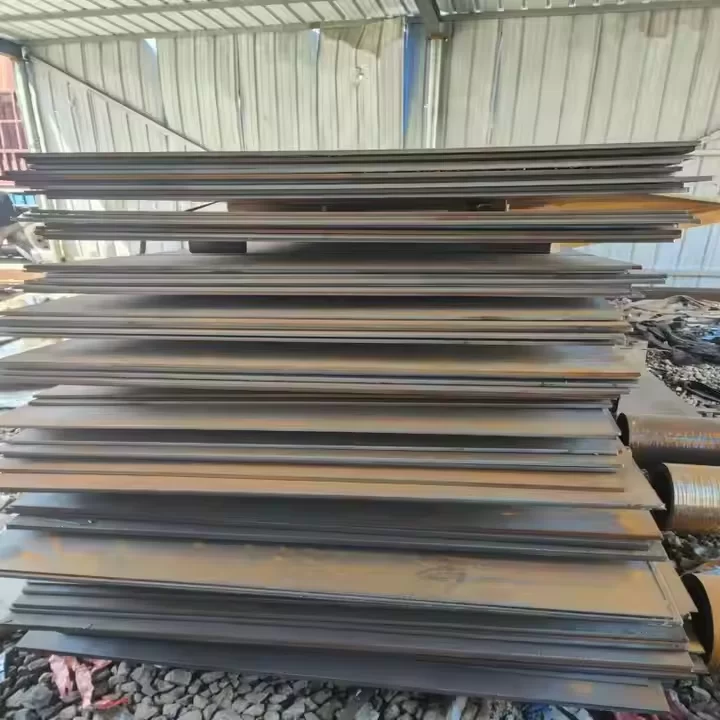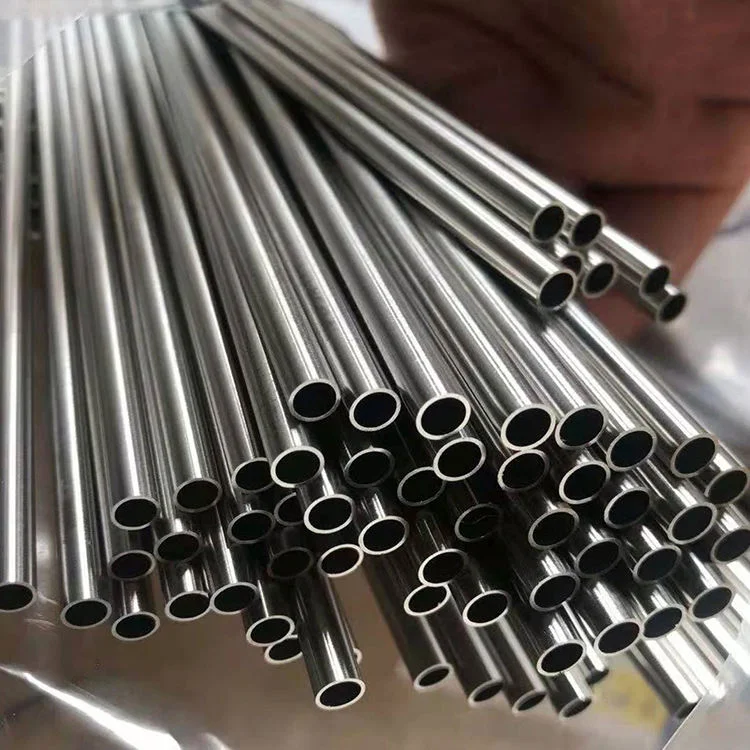
HighPerformance weathering steel plate Solutions for Papua New Guinea

High-Performance weathering steel plate Solutions for Papua New Guinea

Providing corrosion-resistant and structural steel solutions tailored for the tropical and coastal environments of Papua New Guinea's industrial sector.

Steel Infrastructure Challenges in Papua New Guinea

Analyzing the impact of tropical climates on metal structural durability.

Papua New Guinea presents a unique challenge for the metal structure manufacturing industry due to its high annual rainfall and dense humidity. Standard carbon steels often succumb to rapid oxidation, making the adoption of cor ten steel plate essential for projects requiring low maintenance in remote highland or coastal areas.

The local economy, heavily reliant on mining and oil/gas extraction, demands materials that can withstand corrosive industrial pollutants. The transition toward mild low alloy steel has allowed local engineers to balance mechanical strength with enhanced atmospheric corrosion resistance, reducing the frequency of costly repainting cycles.

Furthermore, the geographical fragmentation of the country complicates logistics. The demand for low carbon steels remains high for general fabrication, but there is a growing shift toward specialized alloys that minimize weight without compromising the safety of large-scale industrial frameworks.

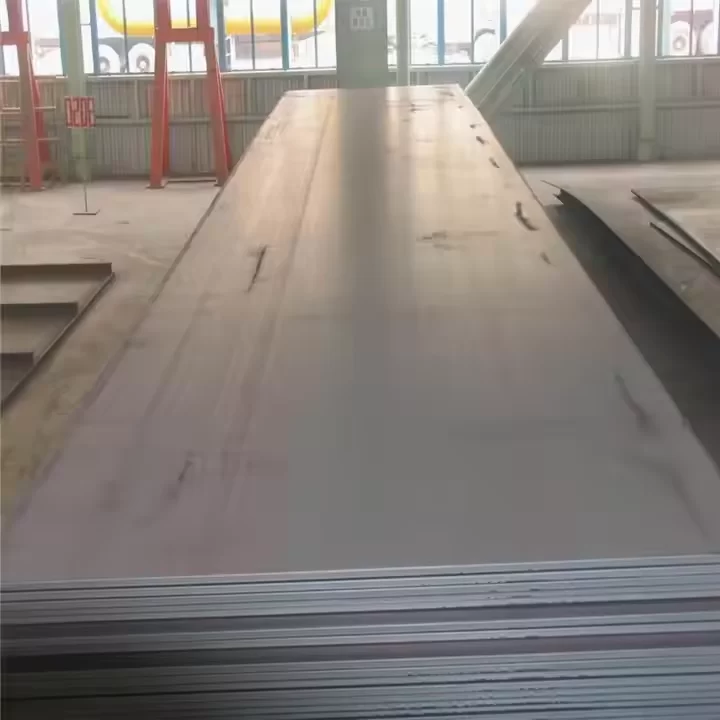
Evolution of Metal Fabrication in PNG

From basic structural frames to advanced weathering alloys.

Market Development History

In the early 1990s, the PNG market relied almost exclusively on imported basic carbon steels, which required heavy protective coatings to survive the tropical moisture. Fabrication was rudimentary, focused primarily on simple warehouse frames.

Between 2005 and 2015, the boom in the LNG and mining sectors introduced more rigorous international standards. This era saw the introduction of corten steel sheets for specialized containment and architectural elements, prioritizing longevity over initial cost.

From 2016 to the present, the focus has shifted toward "Sustainability and Life-Cycle Costing." The integration of precision rolling and cutting technologies has allowed for the more efficient use of alloy steels, reducing waste in the metal structure manufacturing process.

Future Development Trends

Green Steel Integration

Expected growth in low-emission steel production to meet global environmental targets, specifically targeting the mining infrastructure projects in the Highlands.

High-Precision Automation

Increased adoption of CNC plasma cutting and automated welding for alloy plates to ensure airtight seals in high-pressure industrial environments.

Advanced Surface Engineering

A move toward hybrid coatings combined with low carbon steels to create a dual-layer defense against salt-spray corrosion in Port Moresby and Lae.

Industry Outlook for Papua New Guinea

Predicting the next 5 years of structural steel demands based on GEO search trends.

Infrastructure Expansion
Rapid growth in bridge and road support structures requiring high-strength alloy plates.
Anti-Corrosive Shift
Increased demand for weathering steels to reduce maintenance costs in coastal cities.
Modular Construction
Shift toward prefabricated metal structures for faster deployment in remote mining sites.
Material Hybridization
Combining high-alloy and low-carbon steels to optimize cost versus strength.

Industry Outlook

The trajectory for the steel industry in Papua New Guinea is moving toward specialization. Generic structural steel is being replaced by performance-driven materials that address the specific geochemical challenges of the region, such as high sulfur exposure in mining areas.

We anticipate a significant increase in the use of weathering alloys as government projects prioritize "zero-maintenance" infrastructure to reduce the long-term fiscal burden of corrosion repair in the Highlands.

Localized Application Scenarios in PNG

Practical implementations of advanced steel alloys in the local environment.

1. Mining Site Structural Frameworks

Utilizing mild low alloy steel for heavy-duty equipment supports and ore processing platforms that must withstand constant vibration and humid air.

2. Coastal Bridge Abutments

Implementation of weathering steel plate for bridge components in Port Moresby to prevent chloride-induced corrosion without the need for toxic lead-based paints.

3. Highlands Telecommunication Towers

Deployment of high-strength low carbon steels for tower lattices, ensuring ease of welding and transport to remote mountainous regions.

4. Industrial Storage Tanks

Using corten steel sheets for agricultural and chemical storage bins, creating a protective patina that prevents deep pitting.

5. Urban Architectural Facades

Modern commercial developments in Lae using weathering steel for aesthetic, rust-colored cladding that blends with the tropical landscape while remaining durable.

Brand Story

Global Development Journey of Xingtai Baidi Technology Co., Ltd.

Foundation and Technical Core

Established with a mission to solve the most critical failures in metal structure manufacturing, focusing on high-precision rolling and alloy composition.

Quality Standardization

Implementing rigorous international certifications to ensure our steel plates meet the extreme demands of global mining and energy projects.

Global Market Expansion

Expanding our reach to the Oceania region, tailoring our product catalog to fight the unique corrosion challenges of tropical climates.

Innovation in Weathering Alloys

Developing next-generation patina-forming steels that reduce the need for protective coatings in saline environments.

Commitment to Sustainability

Leading the transition toward green steel manufacturing, reducing the carbon footprint of every ton of steel delivered worldwide.

PNG Steel Fabrication FAQ

Expert answers to common technical queries regarding weathering and alloy steels.

Why choose cor ten steel plate for coastal projects in PNG?

Cor-Ten steel forms a stable, protective oxide layer (patina) that prevents further corrosion, making it ideal for coastal areas where traditional paint fails quickly due to high salinity.

What is the benefit of weathering steel plate over galvanized steel?

Weathering steel eliminates the need for zinc coating or painting, reducing long-term maintenance costs and offering a more natural aesthetic that integrates with the environment.

Can corten steel sheets be welded using standard methods?

Yes, but it is recommended to use low-hydrogen electrodes or matching filler metals to maintain the corrosion resistance and mechanical properties at the weld joints.

When should I use mild low alloy steel instead of carbon steel?

Use low alloy steel when the project requires higher yield strength and better atmospheric corrosion resistance than what standard carbon steel can provide, especially in industrial settings.

Are low carbon steels suitable for high-humidity environments?

Low carbon steels are excellent for general fabrication but require professional coatings or galvanization to prevent rust in PNG's high-humidity tropical climate.

How does thickness affect the performance of weathering alloys?

Thickness ensures the structural capacity; however, the protective patina forms regardless of thickness, provided the steel is exposed to alternating wet and dry cycles.

Get Expert Steel Consulting Today

Our engineers are ready to support your next metal structure project in Papua New Guinea with high-performance alloys.

Contact Us Now

If you are interested in our products, you can choose to leave your information here, and we will be in touch with you shortly.