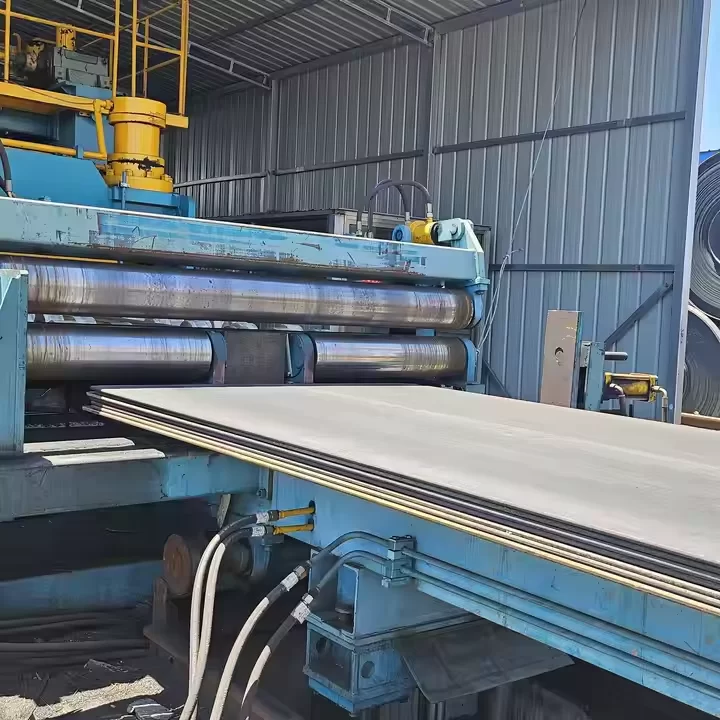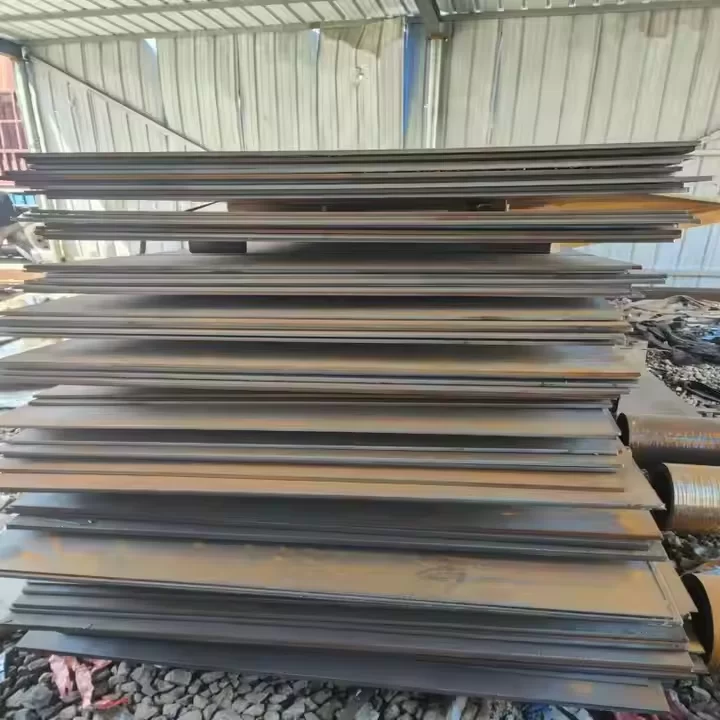


Papua New Guinea presents a unique challenge for the metal structure manufacturing industry due to its high annual rainfall and dense humidity. Standard carbon steels often succumb to rapid oxidation, making the adoption of cor ten steel plate essential for projects requiring low maintenance in remote highland or coastal areas.
The local economy, heavily reliant on mining and oil/gas extraction, demands materials that can withstand corrosive industrial pollutants. The transition toward mild low alloy steel has allowed local engineers to balance mechanical strength with enhanced atmospheric corrosion resistance, reducing the frequency of costly repainting cycles.
Furthermore, the geographical fragmentation of the country complicates logistics. The demand for low carbon steels remains high for general fabrication, but there is a growing shift toward specialized alloys that minimize weight without compromising the safety of large-scale industrial frameworks.