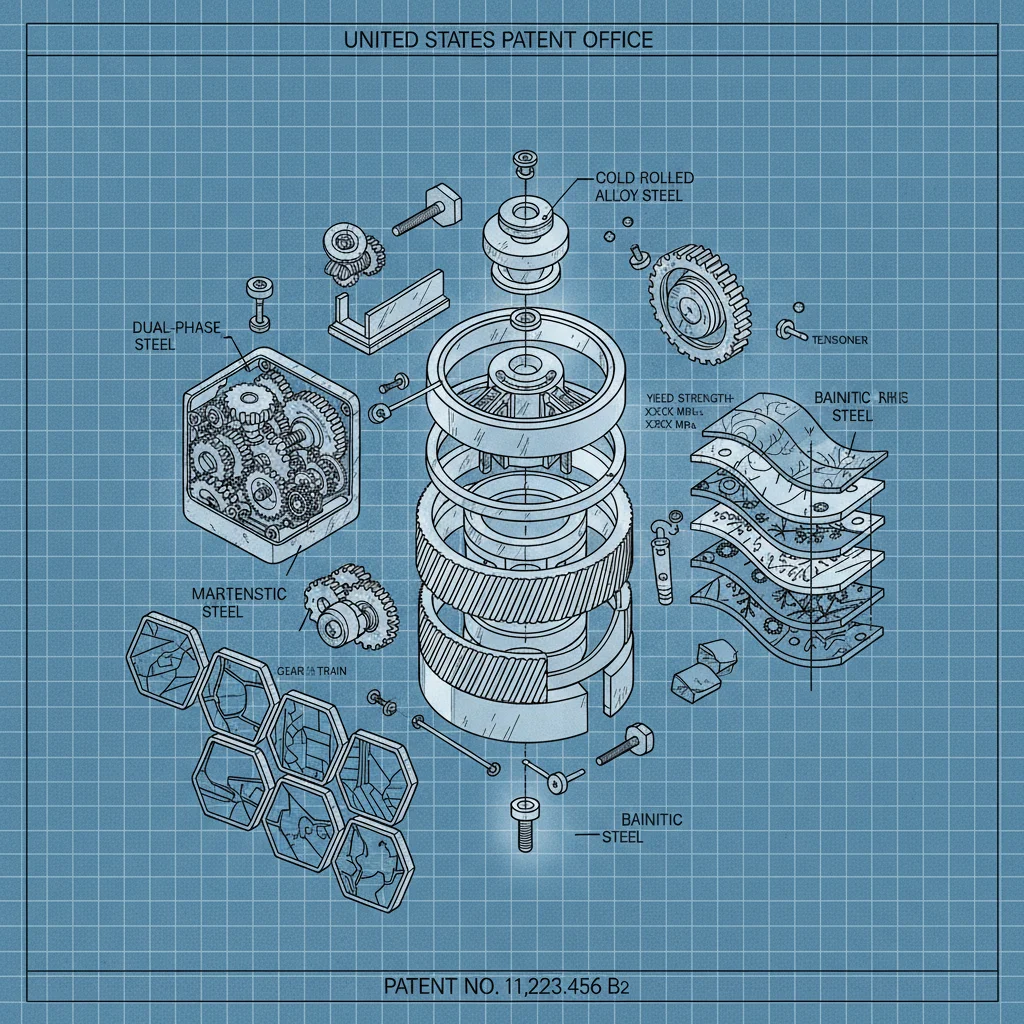
In the demanding world of heavy industry, the battle against wear and tear is constant. hardox steel emerges as the gold standard for abrasion-resistant materials, providing an unmatched balance of hardness and toughness that extends the lifespan of equipment in the harshest environments. From mining to construction, understanding this material is key to reducing operational downtime and maximizing productivity.
Globally, the shift toward sustainable industrial practices has placed a premium on materials that last longer and require fewer replacements. By integrating hardox steel into structural designs, companies can significantly lower their carbon footprint by reducing the frequency of steel fabrication and waste. This makes it not just a technical choice, but an environmental imperative.
Whether you are dealing with the abrasive nature of quarrying or the high-impact stress of demolition, selecting the right grade of wear plate is critical. This comprehensive guide explores the technical nuances, global applications, and long-term value of hardox steel, ensuring you have the knowledge to optimize your machinery for peak performance.
Global Relevance of Hardox Steel
The global demand for infrastructure and raw materials has surged, placing unprecedented stress on the machinery used in mining, dredging, and recycling. According to industrial trends aligned with ISO standards for material durability, the cost of unplanned downtime in these sectors can reach millions of dollars per day. hardox steel addresses this challenge by providing a material that resists the erosive forces of minerals and debris far better than conventional carbon steels.
In regions like Australia, Brazil, and Canada, where massive scale mining operations are the backbone of the economy, the use of wear-resistant steel is not optional—it is a survival strategy. By implementing high-performance alloys, operators can ensure that buckets, chutes, and liners withstand the constant bombardment of abrasive materials, thereby maintaining a steady flow of production and ensuring worker safety.
Defining Hardox Steel in Modern Industry
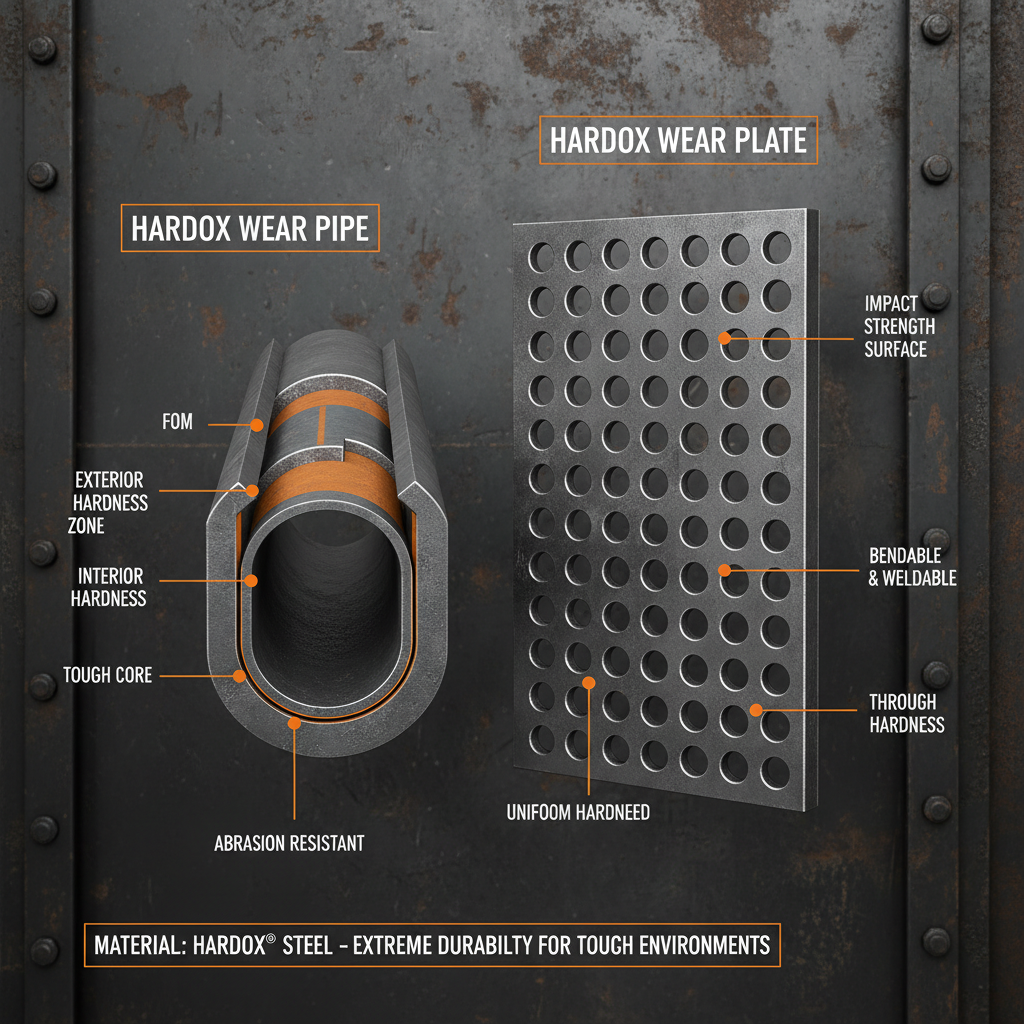
At its core, hardox steel is a brand of abrasion-resistant (AR) steel characterized by its exceptional hardness and structural integrity. Unlike standard mild steel, it is quenched and tempered to achieve a microstructure that resists scratching and gouging. This process ensures that while the surface remains incredibly hard, the core of the metal retains enough toughness to prevent cracking under sudden impact.
In the context of modern industry, this material serves as a critical shield. It is often used as a lining for containers or as the primary structural material for equipment that faces constant friction. This prevents the "wearing away" of the machine's body, which would otherwise lead to structural failure and frequent, costly repairs.
Beyond mere durability, it supports humanitarian and logistical needs by enabling the creation of safer, lighter, and more durable transport vehicles for hazardous materials. By reducing the weight of the steel needed to achieve the same level of protection, it increases fuel efficiency and reduces the overall energy consumption of heavy-duty logistics fleets.
Core Components of Wear Resistance
The primary factor that defines the excellence of hardox steel is its Hardness-to-Toughness Ratio. While many materials are hard, they are often brittle; conversely, many tough materials are too soft to resist abrasion. This steel achieves a synergistic balance, allowing it to bend without breaking while resisting the abrasive "sanding" effect of grit and rock.
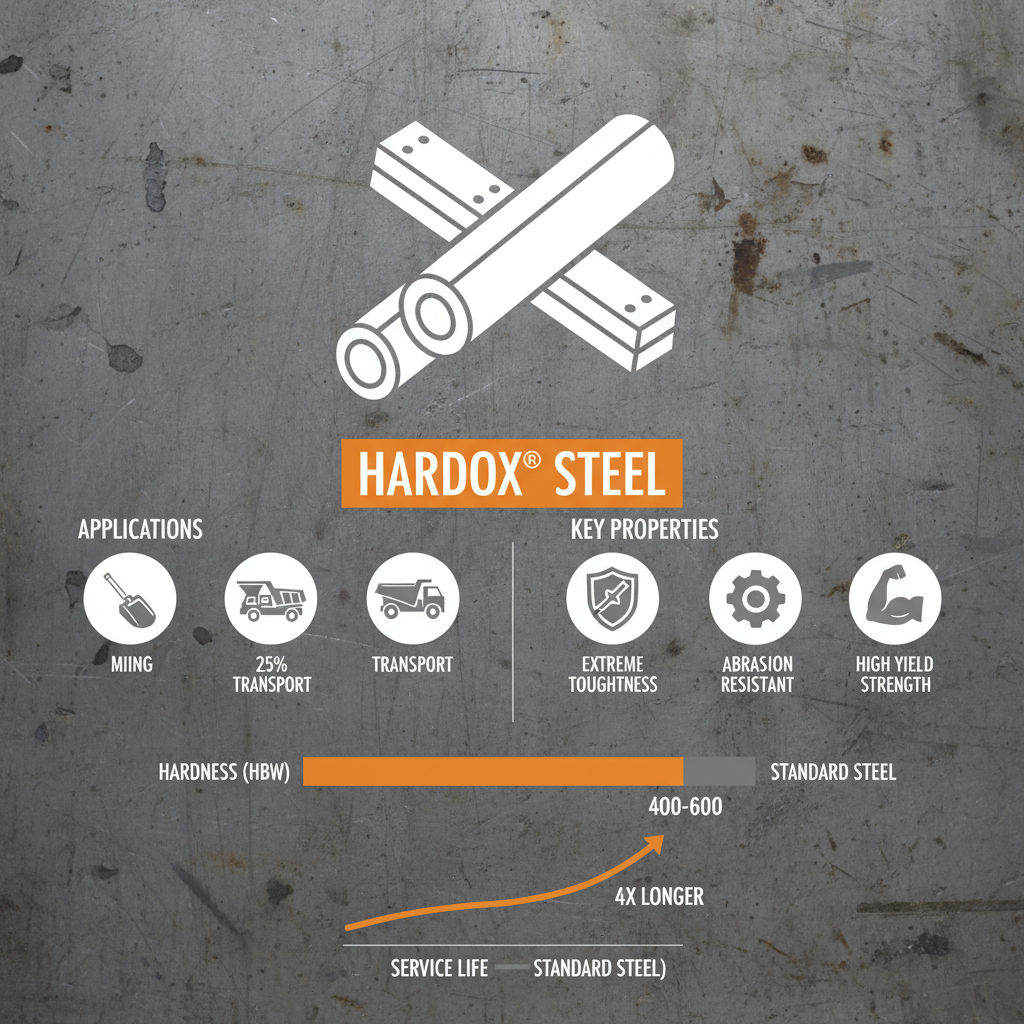
Another critical component is its Scalability across Grades. Depending on the application, different levels of hardness are required. Some environments demand extreme hardness to fight sliding abrasion, while others require higher impact resistance. The versatility of hardox steel allows engineers to pick the exact grade—from 400 to 600—to match the specific stress profile of their equipment.
Finally, the Weldability and Formability of the material ensure it can be integrated into complex designs. Despite its hardness, the steel can be cold-formed or welded using professional techniques, making it practical for customized fabrication in shipbuilding, automotive structures, and heavy machinery liners.
Comparative Performance Metrics
When evaluating the efficiency of hardox steel, it is essential to compare it against traditional AR steels and mild steels. The primary metric is the "Wear Life Extension," which measures how much longer a component lasts before requiring replacement. In most high-impact scenarios, the specialized tempering of this steel results in a lifespan 3 to 5 times longer than standard options.
Furthermore, the weight-saving potential is a significant advantage. Because the material is so strong, engineers can use thinner plates to achieve the same wear protection, which reduces the dead weight of the vehicle or machine. This leads to lower fuel consumption and higher payload capacities for mining trucks and construction equipment.
Wear Resistance Performance Analysis
Global Applications and Use Cases
The versatility of hardox steel is evident in its wide array of real-world applications. In the mining sector, it is the primary material for crusher liners, hopper linings, and conveyor belts that transport jagged ore. In remote industrial zones, where replacing a worn-out part might require shipping components across oceans, the longevity of this steel is a critical logistics advantage.
Beyond mining, the construction and recycling industries rely on it for shredder knives and demolition shears. For example, in urban redevelopment projects, the high-impact shears used to dismantle reinforced concrete structures are reinforced with wear plates to maintain a sharp cutting edge despite the extreme friction encountered. This ensures that the demolition process remains efficient and safe.
Long-Term Value and Sustainability
From a financial perspective, the value of hardox steel is found in the Total Cost of Ownership (TCO). While the initial purchase price per ton may be higher than mild steel, the drastic reduction in replacement frequency and maintenance labor leads to significant long-term savings. It transforms the maintenance model from "reactive repair" to "strategic longevity."
Sustainability is another pillar of its value. By extending the life of industrial components, we reduce the amount of raw iron ore that needs to be mined and the energy required for smelting new steel. This creates a virtuous cycle of resource efficiency that aligns with global green energy goals and circular economy principles.
Moreover, there is a human element: safety. Equipment made with high-strength, wear-resistant steel is less likely to suffer from catastrophic failure or sudden breakage. This protects operators from accidents and ensures a dignified, secure working environment in the most dangerous industrial settings.
Future Innovations in Wear Plates
The future of hardox steel is being shaped by digital transformation and materials science. We are seeing the integration of "smart liners"—wear plates embedded with sensors that can monitor thickness in real-time. This allows companies to predict exactly when a plate will fail, enabling "just-in-time" maintenance that eliminates unplanned downtime entirely.
Additionally, the industry is moving toward "green steel" production, utilizing hydrogen-based reduction instead of carbon-heavy coking coal. Future iterations of wear-resistant plates will not only be tougher but will be produced with a near-zero carbon footprint, making them the preferred choice for eco-conscious global corporations.
Automation in fabrication, such as laser cutting and robotic welding specifically tuned for high-hardness alloys, is also making the implementation of these steels faster and more precise. This reduces waste during the manufacturing process and allows for more complex, optimized geometries that further enhance wear resistance.
Technical Analysis of Hardox Steel Grade Applications
| Steel Grade |
Primary Stress Factor |
Recommended Industry |
Performance Score |
| Hardox 400 |
Moderate Abrasion |
General Construction |
7.5/10 |
| Hardox 450 |
Mixed Impact/Wear |
Mining Truck Beds |
8.2/10 |
| Hardox 500 |
High Abrasion |
Quarrying / Dredging |
9.0/10 |
| Hardox 550 |
Extreme Abrasion |
Waste Recycling |
9.6/10 |
| Hardox 600 |
Maximum Hardness |
Specialized Milling |
9.9/10 |
| Hardox Extreme |
Severe Impact |
Heavy Demolition |
9.8/10 |
FAQS
The difference lies in the precise quenching and tempering process. While standard AR plates may offer hardness, hardox steel maintains a superior balance of toughness. This prevents the material from cracking under high-impact loads, ensuring that the plate doesn't just resist wear, but also resists structural failure in extreme conditions.
Yes, it can be welded, but it requires specific procedures. Due to its high carbon equivalent, using the correct filler metals and pre-heating/post-heating protocols is essential to avoid cold cracking. We recommend following the official welding guidelines to maintain the integrity of the heat-affected zone.
The choice depends on the trade-off between hardness and toughness. For applications with high impact (like rock breaking), a lower grade like Hardox 400 or 450 is better. For pure sliding abrasion (like sand conveyor liners), higher grades like 500 or 600 provide the maximum lifespan.
Absolutely. While the initial cost is higher, the reduction in downtime and the decreased need for frequent replacements make it more affordable over time. For small operators, avoiding a single week of unplanned machine downtime often pays for the entire investment in premium steel.
Like all carbon steels, it is susceptible to corrosion. However, it can be effectively protected using industrial coatings, galvanization, or by using specialized stainless-hybrid alternatives. For dredging or shipbuilding, we suggest combined wear-protection and anti-corrosion treatments.
Yes, but it requires more powerful machinery than mild steel. Bending radii must be carefully calculated based on the thickness and grade of the hardox steel to avoid stress fractures. We provide specific bending tables to guide fabricators.
Conclusion
In summary, hardox steel represents a pivotal advancement in metallurgical engineering, offering a solution to the age-old problem of industrial wear. By combining extreme hardness with the necessary toughness to withstand impact, it optimizes the lifecycle of heavy machinery, reduces operational costs, and promotes a more sustainable approach to industrial manufacturing.
As we look toward a future of smarter, greener industry, the role of high-performance materials will only grow. We encourage engineers and procurement managers to look beyond the initial price tag and evaluate the total value of durability and safety. To discover the perfect grade for your specific project, visit our website: www.baidysteel.com