In the demanding world of industrial machinery and heavy-duty construction, the choice of material can be the difference between seamless operation and costly downtime. The hardox steel plate has emerged as the gold standard for wear-resistant applications, offering an unparalleled combination of hardness and toughness that protects equipment from extreme abrasion and impact.
Understanding the nuances of this specialized steel is critical for engineers and procurement managers who aim to optimize the lifecycle of their assets. By integrating high-performance wear plates into critical components, industries can significantly reduce maintenance intervals and enhance the overall safety of their operational environments.
From mining buckets to conveyor liners, the application of hardox steel plate ensures that structural integrity is maintained even under the most punishing conditions. This guide explores the technical depth, global utility, and strategic advantages of utilizing this material in modern metal structure manufacturing.
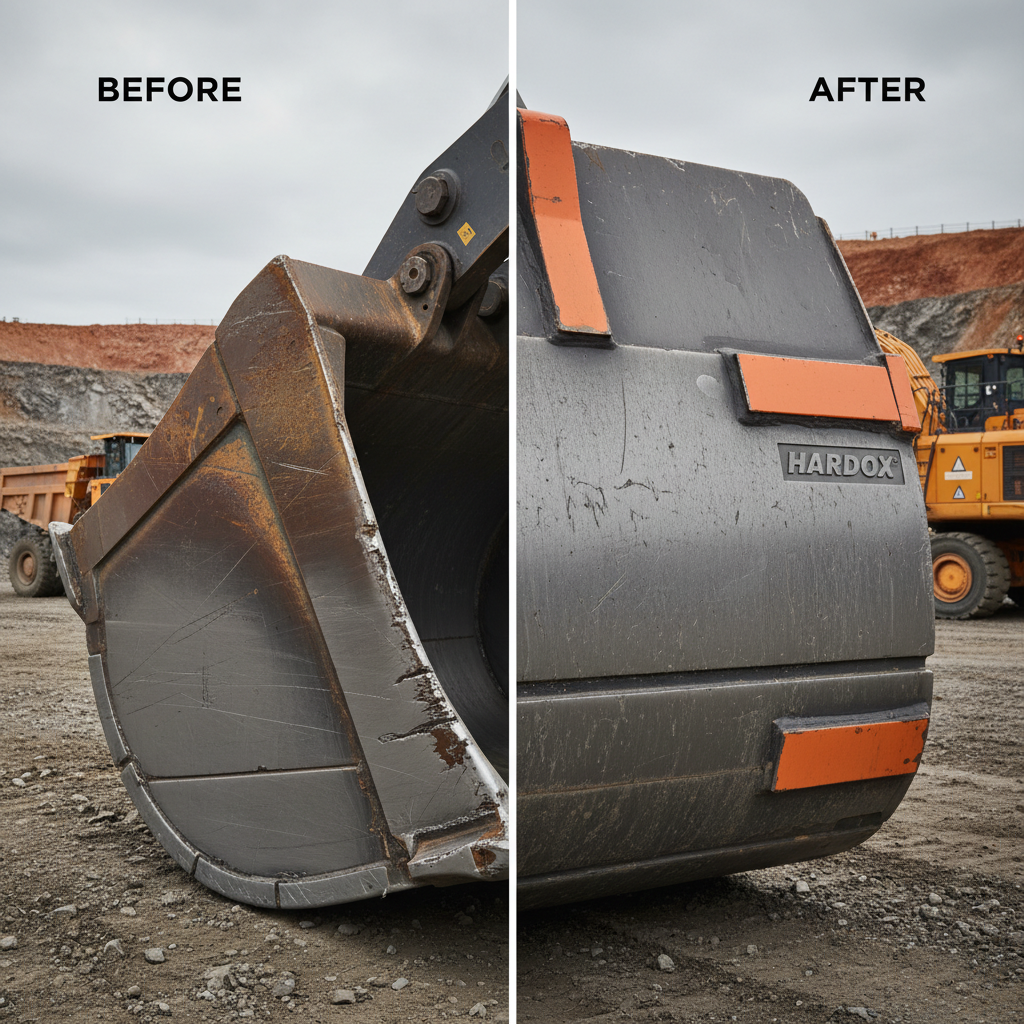
Global Relevance of Hardox Steel Plate
On a global scale, the demand for infrastructure and raw material extraction has placed immense pressure on industrial equipment. Statistics from ISO and various global metallurgical associations indicate that premature wear in heavy machinery accounts for a significant percentage of operational losses in the mining and construction sectors. The hardox steel plate addresses this challenge by providing a surface that resists gouging and scratching, effectively extending the mean time between failures (MTBF).
In an era where efficiency is tied directly to sustainability, reducing the frequency of steel replacement is not just a cost-saving measure but an environmental imperative. By utilizing materials that last longer, companies reduce the carbon footprint associated with the production and transport of replacement parts, aligning their operations with international green energy and sustainability goals.
Defining Hardox Steel Plate and Its Industrial Role
In simple technical terms, hardox steel plate is a brand of abrasion-resistant (AR) steel characterized by its quenched and tempered microstructure. Unlike standard structural steel, it is engineered to have a very high Brinell hardness, which allows it to withstand the abrasive force of sliding materials like rocks, sand, and minerals without significant material loss.
Its connection to modern industry is foundational. In the realm of metal structure manufacturing, this steel serves as the "armor" for machinery. Whether it is the liner of a cement mixer or the blade of a bulldozer, the material provides a critical barrier that prevents the softer internal structural steel from being eroded by the external environment.
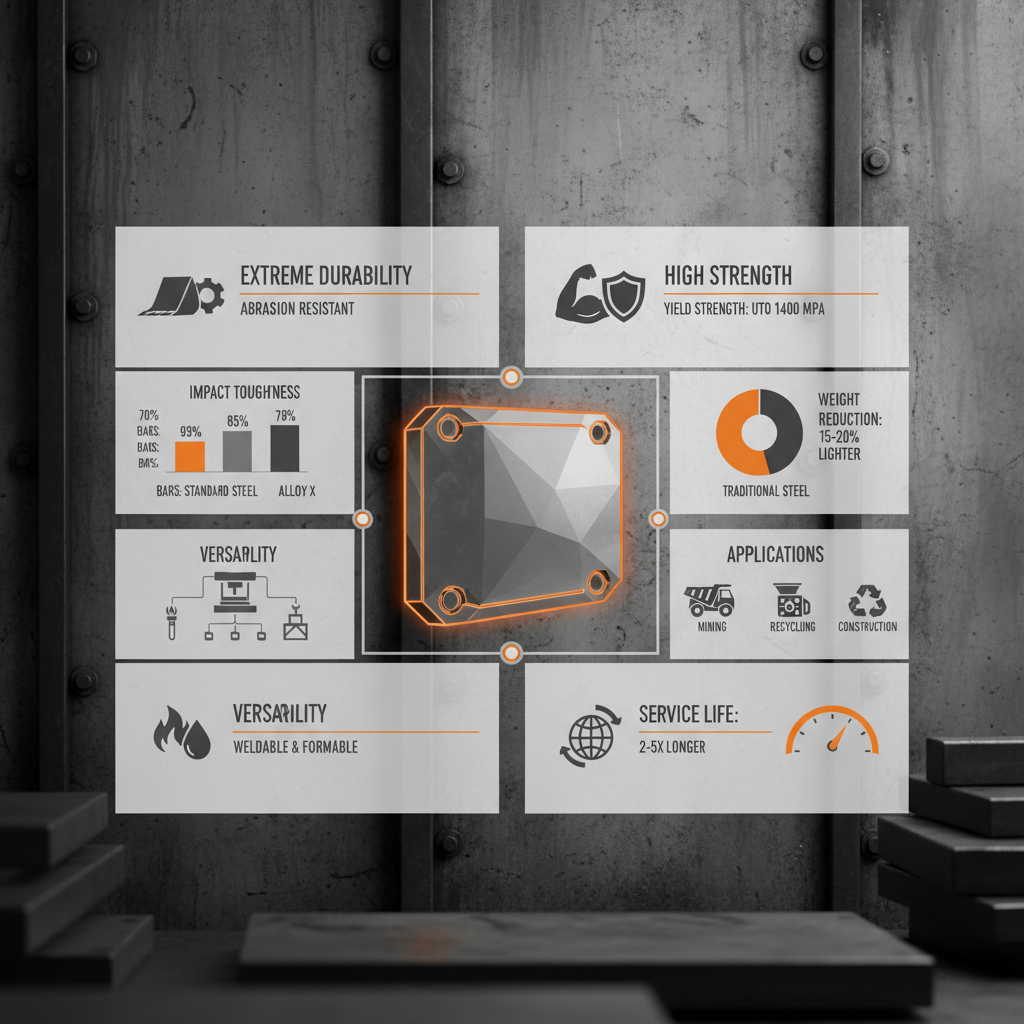
Beyond mere hardness, the genius of this material lies in its balance. A plate that is only hard would be brittle and crack under impact; however, the specialized processing of hardox steel plate ensures that it retains sufficient ductility to absorb shocks, making it indispensable for the most volatile industrial environments.
Core Technical Factors of Wear-Resistant Steel
Durability is the primary metric when evaluating hardox steel plate. This is achieved through precise alloying and a rigorous quenching process that creates a martensitic structure. This high-strength matrix ensures that the surface can repel abrasive particles, which is essential for equipment used in quarrying and dredging.
Cost-efficiency is often misunderstood as the initial purchase price. In reality, the value of hardox steel plate is realized through the Total Cost of Ownership (TCO). While the initial investment may be higher than mild steel, the dramatic reduction in downtime and the extended replacement cycle result in a much lower cost per ton of material processed.
Scalability and versatility are also key. These plates are available in various grades—ranging from those optimized for maximum hardness to those designed for better formability. This allows engineers to customize the hardox steel plate application based on whether the equipment faces sliding abrasion, impact wear, or a combination of both.
Global Applications and Use Cases
The real-world application of hardox steel plate spans across every continent, particularly in regions with heavy mining activity like Australia, Brazil, and Canada. In these remote industrial zones, where logistics for replacement parts can take weeks, the longevity of wear plates is a critical factor in maintaining production schedules.
In the shipbuilding and offshore industry, these plates are used in the construction of specialized vessels and loading equipment that handle abrasive ores. Similarly, in post-disaster relief operations, heavy machinery equipped with wear-resistant steel is used to clear massive amounts of debris, where the unpredictable nature of the rubble would quickly destroy standard steel components.
Performance Analysis of Hardox Steel Plate Grades
Long-Term Economic and Structural Value
The tangible benefits of investing in hardox steel plate extend beyond the balance sheet. From a safety perspective, the reliability of high-strength wear plates reduces the frequency of hazardous maintenance tasks. When a bucket or liner fails unexpectedly, it can lead to structural collapses or equipment malfunctions that endanger workers; by using superior steel, these risks are mitigated.
Furthermore, there is a psychological value in trust and innovation. Companies that specify hardox steel plate signal a commitment to quality and operational excellence. This reliability fosters trust with clients and partners, as it demonstrates that the operator is utilizing the most advanced materials to ensure project deadlines are met without interruption.
Future Trends in Hardened Steel Innovation
The future of hardox steel plate is being shaped by the digital transformation of the steel industry. We are seeing a shift toward "smart wear," where sensors are embedded within the steel structures to monitor wear levels in real-time. This allows for predictive maintenance, where parts are replaced exactly when needed, rather than on a fixed schedule, further optimizing the utility of the material.
Sustainability is also driving innovation. The industry is moving toward "Green Steel" production, reducing the carbon intensity of the quenching and tempering processes used to create wear-resistant plates. This means that the next generation of hardox steel plate will not only be harder and tougher but also produced with a significantly lower environmental impact.
Automation in fabrication is another key trend. With the advent of advanced laser cutting and robotic welding, the ability to form complex geometries from high-hardness steel has increased. This allows for more ergonomic and efficient designs in machinery, maximizing the surface area of the hardox steel plate that is actually engaged in resisting wear.
Overcoming Implementation Challenges
Despite its advantages, implementing hardox steel plate comes with specific challenges, most notably in the fabrication process. Due to its extreme hardness, traditional machining is difficult. Attempting to drill or mill these plates using standard tools often leads to rapid tool wear and poor finish.
The solution lies in specialized fabrication techniques. Thermal cutting (such as plasma or laser) and the use of carbide-tipped tools are essential. Furthermore, welding hardox steel plate requires careful heat management. If the heat input is too high, the tempered structure can be compromised, leading to a "soft spot" in the weld zone that becomes a point of premature failure.
Expert insight suggests a holistic approach: integrating the material with a comprehensive fabrication plan. By utilizing pre-bent plates and specialized welding consumables, manufacturers can preserve the mechanical properties of the steel while achieving the necessary structural complexity.
Comparison of Hardox Steel Plate Application Metrics
| Application Zone |
Wear Intensity |
Recommended Grade |
Life Extension % |
| Mining Dump Truck Bed |
Extreme Impact |
Hardox 450/500 |
300% |
| Conveyor Belt Chutes |
High Sliding Abrasion |
Hardox 400 |
200% |
| Excavator Bucket Teeth |
Severe Gouging |
Hardox 600 |
450% |
| Cement Mixer Liners |
Moderate Abrasion |
Hardox 400 |
150% |
| Crusher Plates |
High Compression |
Hardox 500 |
350% |
| Agricultural Ploughs |
Soil Friction |
Hardox 450 |
250% |
FAQS
The primary difference lies in the controlled quenching and tempering process. While many steels claim to be abrasion-resistant, hardox steel plate is engineered for a precise balance of hardness and toughness, ensuring that the material does not crack under high-impact loads, which is a common failure point in cheaper AR alternatives.
Selection depends on the type of wear. For applications with high impact but lower abrasion, a grade like Hardox 400 or 450 is ideal for its ductility. For areas with extreme sliding abrasion and minimal impact, Hardox 500 or 600 provides the necessary surface hardness to maximize lifespan.
Yes, but it requires specialized equipment. Because of its hardness, the minimum bending radius is larger than that of mild steel. It is highly recommended to consult the material's technical data sheet to determine the correct radius to avoid surface cracking during the forming process.
It is not "difficult," but it requires professional knowledge. The key is controlling the heat input and using compatible filler metals. Overheating the plate can lead to a loss of hardness in the Heat Affected Zone (HAZ), which effectively ruins the wear-resistant properties of the steel in that area.
Although the upfront cost of hardox steel plate is higher, it drastically reduces TCO by extending the interval between replacements. Fewer shutdowns for repairs mean higher productivity and lower labor costs, often paying for the material difference within the first few months of operation.
While primarily designed for abrasion, some grades offer better resistance than carbon steel. However, for highly corrosive environments (like saltwater or chemical processing), we recommend pairing the wear plate with a specialized coating or considering a stainless-steel variant to prevent oxidation.
Conclusion
In summary, the hardox steel plate represents a critical intersection of metallurgical science and industrial pragmatism. By providing a superior shield against abrasion and impact, it not only protects the structural integrity of heavy machinery but also drives economic efficiency through reduced downtime and lower long-term maintenance costs. From mining and construction to shipbuilding, the adoption of this material is a strategic move toward operational resilience.
Looking forward, the integration of smart monitoring and green manufacturing will further solidify the role of wear-resistant steels in a sustainable industrial future. For companies looking to optimize their equipment lifespan and enhance safety, switching to high-performance steel solutions is no longer an option but a necessity. To find the perfect grade for your specific industrial needs, visit our website: www.baidysteel.com