Hit enter to search or ESC to close
27 June 2026
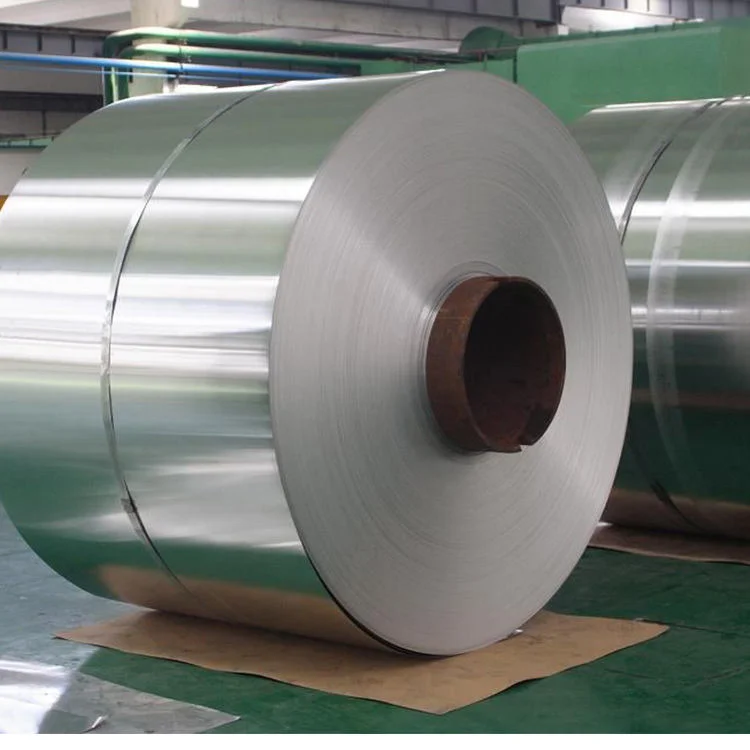
In the demanding world of industrial manufacturing, selecting the right material is the foundation of structural success. A premium stainless steel metal plate is more than just a component; it is a critical barrier against corrosion, extreme pressure, and thermal degradation. From the intricate systems of pharmaceutical labs to the heavy-duty environment of petrochemical plants, the integrity of your containment systems depends on the grade and quality of the steel used. This guide explores the technical advantages, industrial applications, and selection criteria for high-strength plates designed for the most rigorous environments.

The production of a high-grade stainless steel metal plate involves precision hot-rolling techniques that ensure uniform thickness and superior internal bonding. These plates are engineered to withstand intense internal air and water pressure, making them indispensable for boiler and pressure vessel construction. By adhering to strict ASTM standards, manufacturers can guarantee that the steel will not deform under extreme stress. The result is a material that offers an ideal balance of weldability, toughness, and durability, ensuring that critical infrastructure remains leak-proof and safe over decades of operation.
Technical Insight: Modern precision processing, including CNC cutting and professional bending, allows these plates to be transformed into complex vessel components with zero dimensional tolerance issues.
Not all steel plates are created equal. When choosing a stainless steel metal plate, the distinction between grades like Q345R, Q370R, and P355GH becomes vital. While standard plates may suffice for general construction, pressure-rated plates are specifically alloyed to prevent brittle fractures at low temperatures and creep at high temperatures. For instance, Q370R provides a higher yield strength than Q345R, allowing for thinner walls without compromising the pressure rating of the vessel, which optimizes material costs and overall weight.
The versatility of the stainless steel metal plate makes it essential across several heavy industries. In the petrochemical sector, these plates form the shell of reactors and heat exchangers that must withstand corrosive chemicals. In the energy sector, they are used for boiler drums and high-pressure steam pipes. Additionally, the pharmaceutical industry relies on specialized low-temperature grades for cryogenic storage tanks, ensuring that sterile materials remain stable. Because of their thermal stability, these plates do not deform under rapid temperature fluctuations, ensuring the safety of the surrounding facility.

Standard dimensions often fail to meet the precise blueprints of complex industrial projects. Therefore, offering full customization for stainless steel metal plate orders is a key advantage. From tailored width options like 1250mm to 2200mm to specific length requirements, precision is paramount. Beyond size, surface processing services such as punching and welding allow clients to receive semi-finished components, significantly reducing on-site assembly time and labor costs.
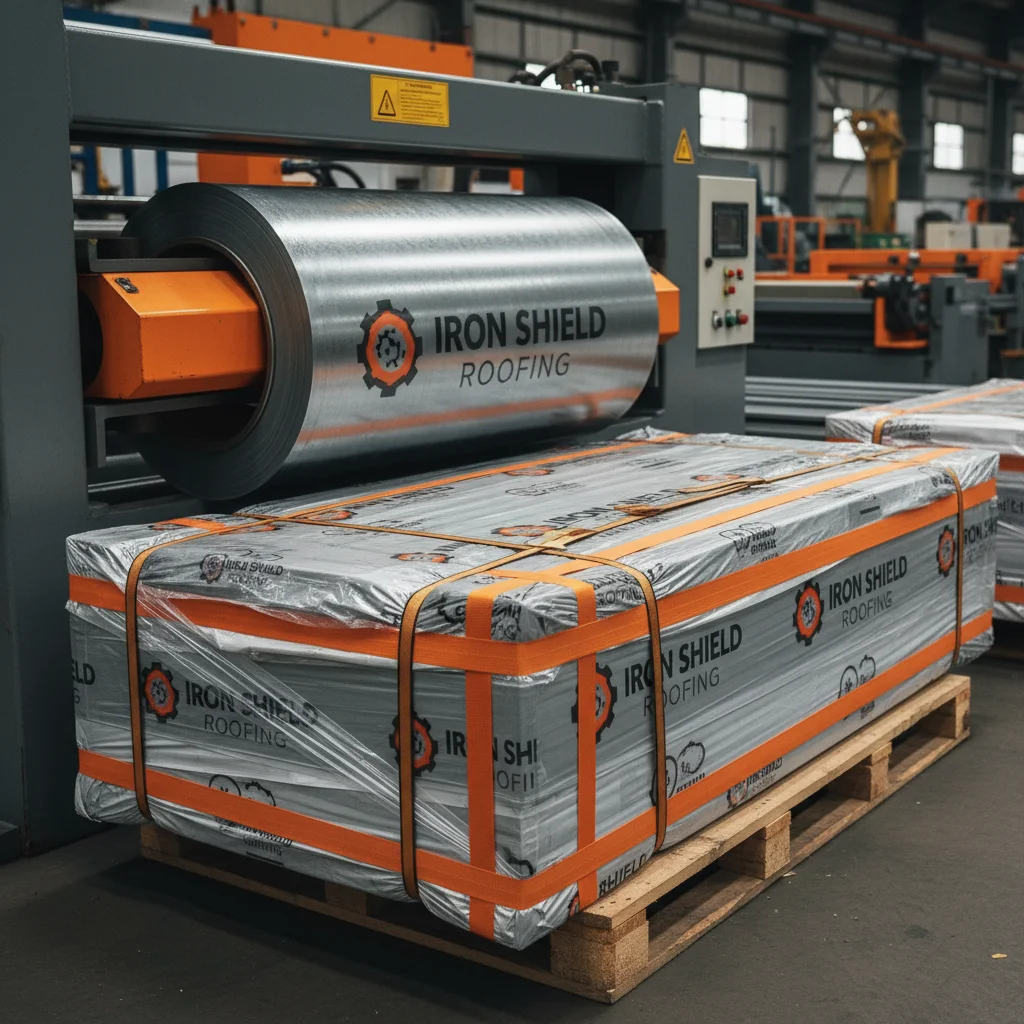
Shipping a heavy stainless steel metal plate internationally requires more than just a truck. To prevent corrosion during sea transit and deformation during loading, multi-stage packaging is employed. This includes waterproof paper, inner protective steel rings, and heavy-duty metal band strapping. Furthermore, real-time inventory management of over 5,000 tons ensures that standard specifications are dispatched within 48 hours, minimizing project downtime for global clients.
While the initial cost of a premium stainless steel metal plate may be higher than generic alternatives, the return on investment is realized through reduced maintenance and zero leakage. By utilizing priority mill scheduling and ASTM-certified materials, companies avoid the catastrophic costs associated with vessel failure. The ability to select the exact grade—such as P355GH for heat exchangers—ensures that the equipment operates at peak efficiency for its entire design life.
Choosing the right stainless steel metal plate is a decision that impacts the safety and efficiency of your entire industrial operation. From superior pressure resistance and thermal stability to rapid delivery and full customization, Baidy Steel provides the reliability needed for critical containment systems. Don't compromise on structural integrity—invest in ASTM-certified steel designed for the most extreme environments.
Q370R generally offers a higher yield strength compared to Q345R. This makes it significantly more suitable for vessels requiring higher pressure ratings. Despite the increased strength, it maintains excellent weldability and toughness, ensuring that the structural integrity of the vessel is not compromised during the fabrication process. Selecting between the two depends on the specific pressure requirements of your project blueprints.
Yes, we provide specific grades designed for low-temperature environments. These specialized stainless steel metal plate options prevent the material from becoming brittle in extreme cold, making them ideal for cryogenic transport equipment, LNG storage, and pharmaceutical sterile storage tanks where temperature stability is non-negotiable.
To ensure the product arrives in pristine condition, our plates are packaged using a comprehensive system. This includes waterproof paper to prevent oxidation, inner protective steel rings to maintain shape, protective wood blocks to prevent scratching, and heavy-duty metal band strapping for secure fastening. This rigorous approach ensures no corrosion or deformation occurs during long-haul maritime shipping.
These grades are primarily utilized in the energy and power sectors. P355GH is common in boiler drums and high-pressure heat exchangers, while 15Mo3 is favored for petrochemical reactors. Their high-temperature strength and resistance to thermal creep make them the industry standard for equipment that operates under constant high-heat and high-pressure conditions.