Understanding the 1 16 Steel Sheet: Why It Matters Globally
At first glance, “1 16 steel sheet” might seem like just another specification in a sea of industrial jargon. But this particular grade and size of steel sheet tick boxes that make it invaluable worldwide — from large-scale infrastructure projects to lightweight portable shelters, and everything in between. Its global importance lies not only in how it supports construction and manufacturing but also in how it empowers humanitarian efforts and emerging industrial economies.
Understanding the characteristics and practical benefits of the 1 16 steel sheet opens doors to smarter choices in material sourcing, design, and sustainable building practices — things we seriously need more of in today’s world full of rapid urbanization and climate challenges.
Global Context: Steel Sheets in a Changing Industry
Steel production hit 1.8 billion tonnes globally in 2023, according to the World Steel Association. Among various types, cold-rolled, pre-galvanized, and hot-rolled sheets like 1 16 steel sheet are critical in sectors ranging from automotive to construction. The global demand reflects not just industrial growth but also pressing needs — for faster, cost-effective, and resilient building methods in disaster-prone regions or rapidly expanding cities.
Yet challenges remain: fluctuating raw material costs, energy-intensive manufacturing processes, and supply chain bottlenecks often delay projects or inflate budgets. The 1 16 steel sheet, known for its balanced thickness and versatility, is an elegant way to address these issues without sacrificing strength or durability.
What is the 1 16 Steel Sheet? Simplifying the Term
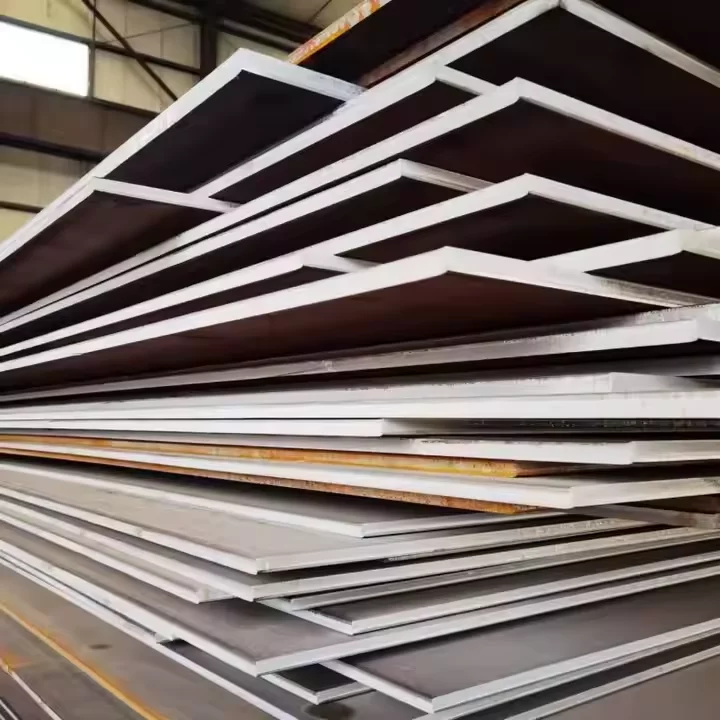
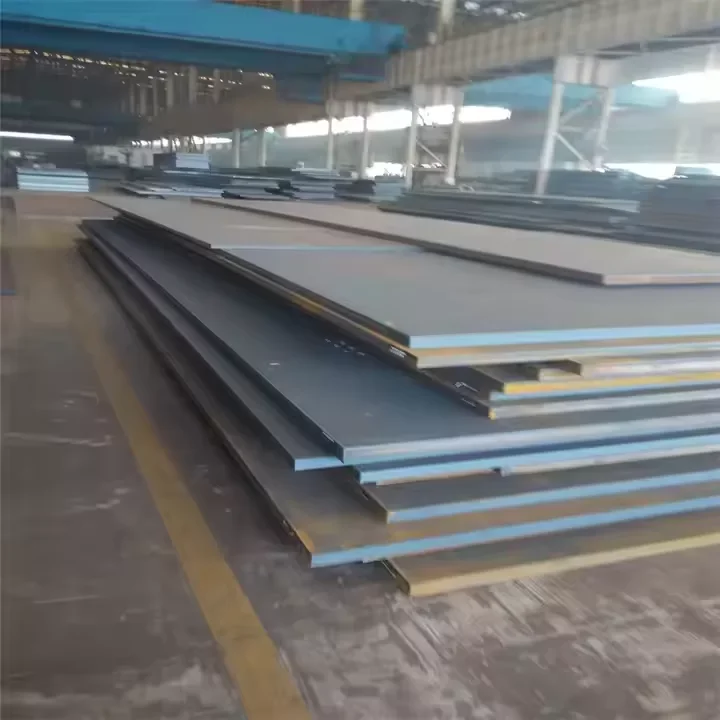
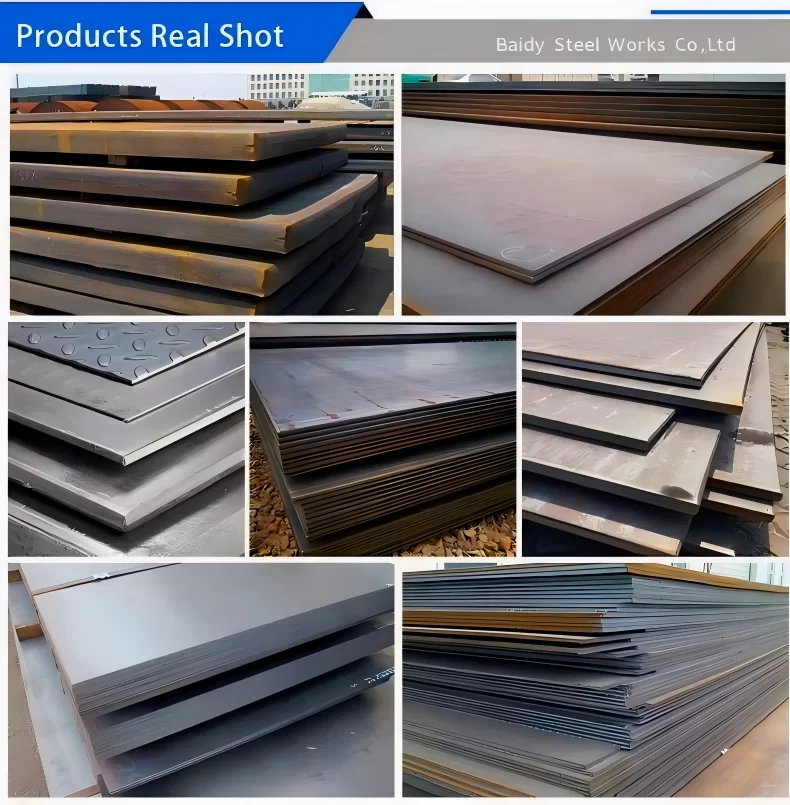
To break it down, the term '1 16 steel sheet' usually denotes the thickness — 1/16 inch or about 1.6 mm — of a flat piece of steel rolled and cut into standardized sheet dimensions. These sheets can be treated (galvanized, coated) or plain carbon steel, tailored to particular strength and corrosion resistance needs.
This thickness hits a sweet spot: thin enough to be shaped and welded easily, yet thick enough to provide structural integrity for many industrial and commercial applications. You could say it’s the “Goldilocks” thickness, not too thin, not too thick — just right for diverse uses.
Core Characteristics of the 1 16 Steel Sheet
Durability & Strength
Engineered steel sheets of such thickness resist warping and can carry heavy loads, which is why engineers often select the 1 16 gauge for temporary yet sturdy constructions or architectural facades.
Cost Efficiency
Compared to thicker plates, 1 16 steel sheet optimizes cost without compromising performance. For manufacturers or NGOs on tight budgets, this translates to getting more bang for their buck.
Versatility & Scalability
The sheet’s manageable thickness makes it adaptable across fabrication methods—pressing, bending, laser-cutting—allowing industries to scale up production rapidly.
Corrosion Resistance Options
It’s often galvanised, which grants decent corrosion resistance for outdoor or humid environment usage. Custom coatings can further enhance lifespan.
Ease of Transportation & Installation
Lightweight compared to thicker steel, it reduces shipping costs and enables faster on-site assembly — crucial in remote locations or emergency setups.
Mini takeaway: The 1 16 steel sheet smartly balances strength, flexibility, and affordability—traits that industry pros prize highly.
How 1 16 Steel Sheets Are Used Around the World
The real story of 1 16 steel sheet’s impact often happens far from gleaming factories or sprawling urban centers. It supports humanitarian shelters in earthquake zones, forms lightweight cladding on prefabricated buildings in Southeast Asia, and builds vehicle bodies in Eastern Europe.
- Disaster Relief & Modular Housing: NGOs use these sheets to create long-lasting yet quickly deployable shelters — essential after hurricanes or floods.
- Automotive & Machinery Manufacturing: Its thickness gives an ideal balance for chassis panels and machine guards, where weight reduction without sacrificing strength is critical.
- Construction: Roofing, wall panels, ductwork — the 1 16 steel sheet sees action in building facades and industrial frameworks, especially in regions where cost constraints are real.
- Remote Industrial Zones: In mining or oil extraction, where equipment must be rugged yet transportable, the sheet excels.
Regions like Southeast Asia, parts of Africa, and South America particularly rely on such steel products as infrastructure development surges and disaster resilience gains focus.
Mini takeaway: Wherever durability meets urgency — the 1 16 steel sheet consistently delivers.
Advantages & Long-term Benefits of Choosing 1 16 Steel Sheet
Why should engineers, architects, and procurement teams give this steel sheet a second look? Here are some reasons that resonate beyond the balance sheets:
- Cost Savings: Its thinner gauge consumes fewer raw materials, making projects more budget-friendly.
- Environmental Footprint: Less steel used means lower embodied energy per project, aligning with sustainability goals.
- Reliability: Corrosion resistance means longer service life, fewer repairs, and less downtime.
- Social Impact: Providing safe and dignified shelter solutions or sturdy infrastructure that communities can count on.
- Innovation Opportunities: Compatible with new fabrication techniques like robotic welding or advanced coatings.
It’s funny — as much as the logical reasons impress, hearing a project manager say, “We saved time, money, and headaches using 1 16 steel sheet” always sticks much more. That’s the real-world proof.
Product Specification Table: Typical 1 16 Steel Sheet Properties
| Specification |
Details |
| Thickness |
1/16 inch (approx. 1.6 mm) |
| Material Grade |
Carbon Steel / Galvanized options |
| Width |
Typically 1000mm to 1500mm |
| Length |
Up to 6000mm or cut to size |
| Tensile Strength |
Approximately 350–450 MPa |
| Surface Finish |
Hot rolled / Cold rolled / Galvanized / Coated |
Vendor Comparison: Selecting Your 1 16 Steel Sheet Supplier
| Supplier |
Minimum Order |
Delivery Time |
Customization Options |
Pricing (per ton) |
| Baidi Steel |
5 tons |
1–2 weeks |
Thickness, coating, cut sizes |
Competitive |
| Global Steel Corp |
10 tons |
3–4 weeks |
Limited |
Higher |
| EcoMetals |
3 tons |
2 weeks |
Special eco coatings |
Moderate |
Future Trends & Innovations Around 1 16 Steel Sheets
Steel technology doesn’t rest, and neither do the innovators working with 1 16 steel sheet. We’re seeing pushes towards eco-friendly coatings that minimize hazardous chemicals, alongside development of digital fabrication techniques that reduce scrap waste drastically.
Green steel production — using hydrogen instead of coal — is gaining momentum too, promising to reduce carbon footprints of steel sheets across all thicknesses. In the near future, these sheets might come embedded with sensors or coatings that self-heal minor rusts. Oddly enough, the humble steel sheet could become a high-tech material supporting sustainable smart construction.
Common Challenges & Smart Solutions
Of course, no material is perfect. 1 16 steel sheet can be vulnerable to dents or cuts in rough handling. Corrosion remains a concern if coatings are damaged or used improperly.
Smart packaging, improved galvanizing processes, and regular inspection protocols help mitigate these issues. Additionally, combining 1 16 steel sheets with composites or applying powder coatings can bolster their resilience in harsh environments.
FAQ: Straight Answers on 1 16 Steel Sheet
Q: What's the key advantage of using 1 16 steel sheets over thicker plates?
A: The 1 16 steel sheet strikes a balance between structural integrity and flexibility, making it lighter and easier to work with, while still offering reliable strength. This helps reduce costs and shipping weight without compromising too much on durability.
Q: Can 1 16 steel sheets be used for outdoor structures in humid climates?
A: Absolutely, provided they’re properly galvanized or coated. The corrosion resistance treatments significantly extend the lifespan in humid or coastal environments.
Q: How customizable are 1 16 steel sheets for specific project needs?
A: Very much so. They can be cut to exact lengths, bent, stamped, or coated with various finishes to meet unique design and performance requirements.
Q: Are these steel sheets eco-friendly?
A: Modern manufacturing increasingly focuses on reducing emissions and recycling scrap, plus options like green steel and eco-friendly coatings improve overall sustainability profiles.
Mini takeaway: When looking for balance, flexibility, and future-ready technology, 1 16 steel sheets often top the list.
Wrapping Up: Why the 1 16 Steel Sheet Matters for Your Next Project
Whether you’re building a lightweight frame, outfitting vehicles, or providing emergency shelters, understanding the role and advantages of the 1 16 steel sheet is a powerful asset. It’s a blend of engineering savvy, cost-saving, and practical versatility that few alternatives match.
Interested in sourcing high-quality 1 16 steel sheets tailored to your needs? Visit our website to explore options, request quotations, and learn more about this essential product: 1 16 steel sheet. Building smarter, stronger, and greener is just a click away.
References:
- World Steel Association – Global Steel Production Data
- Wikipedia - Steel
- ISO Technical Committee on Steel Products