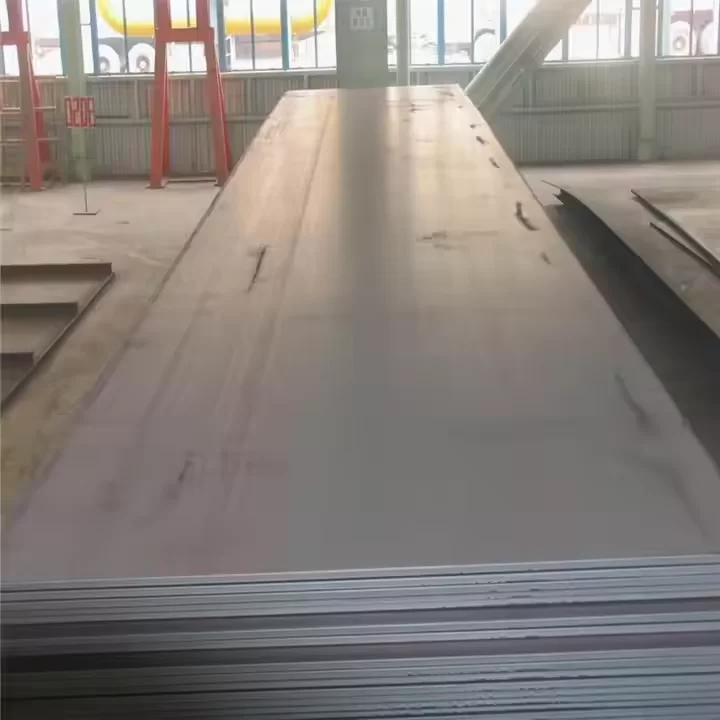
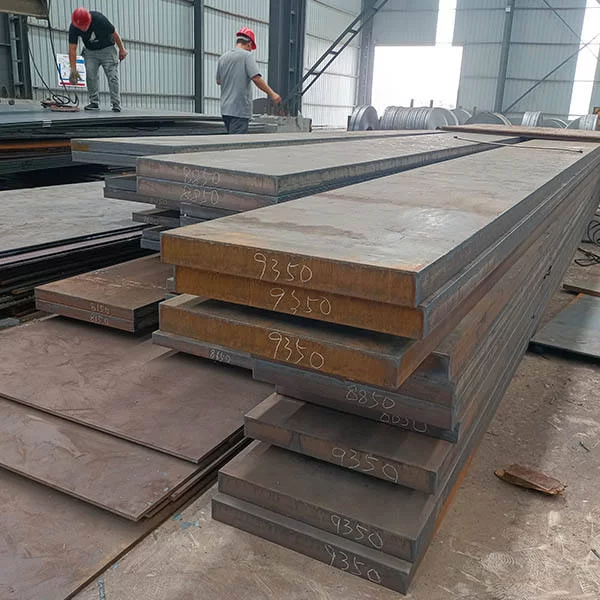
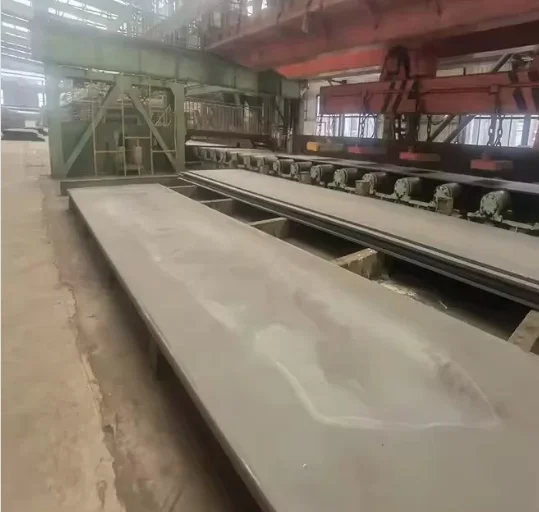
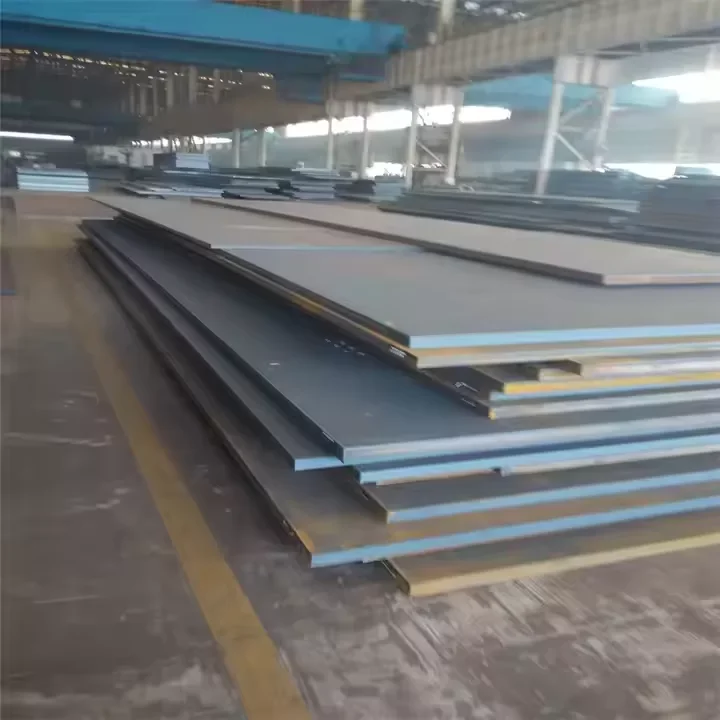
Understanding the 1mm Steel Plate: A Thin Yet Essential Material
When you hear “1mm steel plate,” you might imagine a wafer-thin sheet of metal, and that description isn’t far off. But this seemingly simple material plays a surprisingly significant role in industries worldwide, shaping everything from manufacturing to humanitarian aid. Frankly, its global impact is more subtle than a giant steel girder but no less critical. This article explores why 1mm steel plate matters on a big scale, how it’s defined, used, and what the future might hold.
Why 1mm Steel Plate Matters Globally
To put this into perspective, steel production worldwide recently topped 1.9 billion metric tons (World Steel Association, 2023). Within that staggering volume, thin steel plates like the 1mm variant find their niche where lightweight, resilience, and precision are key. From automotive frame components in Germany to lightweight panels for electronics in China, these steel sheets meet diverse demands.
Yet, challenges persist. Industries constantly balance between durability and flexibility, cost and performance. You see, the 1mm steel plate addresses this by offering an optimal compromise—thin enough to reduce weight and cost but thick enough to retain structural integrity. It’s a small thickness with a big job.
Defining 1mm Steel Plate
So, what exactly is a 1mm steel plate? Simply put, it’s a flat steel sheet with a thickness of approximately one millimeter. This thickness isn’t arbitrary; it’s part of precision manufacturing standards that allow it to be flexible enough for bending and shaping but still hold up under stress.
These plates contribute extensively to modern manufacturing, aerospace, and even humanitarian operations. For example, when modular shelters or durable containers need to be lightweight but tough enough to endure transportation and weather, the 1mm steel plate often forms their skeleton.
Key Factors of the 1mm Steel Plate
Durability
Despite being thin, 1mm steel plates can be surprisingly resilient — especially when crafted from alloyed or galvanized steel varieties. They resist corrosion and mechanical wear, an asset in construction and manufacturing environments.
Cost Efficiency
Less material means lower raw costs, which translates into affordable products. Also, lightweight sheets reduce freight expenses, making them attractive for industries operating globally.
Flexibility & Scalability
Because of their thin profile, these plates can be bent, cut, or welded to form various shapes. This versatility benefits mass production and bespoke designs alike.
Environmental Impact
Thin steel uses less raw material, leading to a smaller carbon footprint in production. Additionally, most steel is recyclable, amplifying sustainability goals.
Mini takeaway:
- 1mm steel plate strikes an effective balance between strength and lightness.
- Its broad applicability is driven by affordability and adaptability.
Global Applications and Real-World Use Cases
Oddly enough, this slim steel sheet finds itself at the heart of many vital applications worldwide.
- Automotive Industry: Thin steel plates form panels, underbody shields, and intricate internal parts crucial for vehicle weight reduction without sacrificing safety.
- Construction: Lightweight facade panels and roofing sheets leverage 1mm steel’s corrosion resistance and ease of installation.
- Humanitarian Relief: Post-disaster, modular shelters made with 1mm steel offer quick, reliable enclosures—especially in remote locations where transport efficiency is vital.
- Electronics and Appliances: Framings and chassis for appliances often incorporate these plates for durability combined with low weight.
- Energy Sector: Components in renewable energy setups, such as solar panel mounts and wind turbine parts, benefit from this material’s properties.
For instance, in the Middle East, large-scale oil refineries utilize 1mm galvanized steel sheets for pipelines’ external protection, merging durability with lightweight design.
Mini takeaway:
- From automotive hubs in Europe to relief shelters in Asia, 1mm steel plates meet both heavy-duty and lightweight needs worldwide.
Advantages and Long-Term Value
At first glance, the cost efficiency of thinner steel may seem obvious, but there is more beneath the surface. The 1mm steel plate is a blend of emotional and practical advantages.
- Safety and Reliability: Its consistent manufacturing standards assure predictable performance, critical where safety can’t be compromised.
- Sustainability: Less steel per product means fewer raw materials mined and lower energy consumption during production.
- Innovation: The ease of manipulating 1mm steel allows designers to push the boundaries of form and function, inspiring smarter, sleeker products.
- Dignity and Social Impact: In humanitarian efforts, durable steel shelters provide displaced families with more than shelter—they offer security and hope.
Technical specifications of typical 1mm steel plates
| Parameter |
Typical Value |
Units |
Notes |
| Thickness |
1.0 |
mm |
Standard tolerance +/- 0.05 mm |
| Yield Strength |
250-350 |
MPa |
Varies by grade |
| Tensile Strength |
370-470 |
MPa |
Depends on steel alloy |
| Surface Finish |
Galvanized / Cold Rolled |
- |
Corrosion-resistant coating options |
| Density |
7.85 |
g/cm³ |
Typical for carbon steel |
Vendor Comparison Table for 1mm Steel Plates
| Vendor |
Grade Options |
Delivery Time |
Typical MOQ |
Pricing Level |
| Baidi Steel |
Q195, Q235, Hot-dip Galvanized |
7-14 days |
1 ton |
Medium |
| Vendor B |
Q235, Galvanized, Stainless Steels |
10-20 days |
2 tons |
High |
| Vendor C |
Basic Carbon Steel |
5-10 days |
500kg |
Low |
Future Trends & Innovations
Looking ahead, the 1mm steel plate continues evolving alongside trends in green energy and digital manufacturing. Smart steel—with embedded sensors for structural health monitoring—could become standard. Additive manufacturing approaches may also begin integrating thin steel sheets with 3D-printed components for hybrid designs.
Sustainability pressure drives development of ultra-thin coatings that prolong steel life, reducing replacement cycles. Plus, the rise of Industry 4.0 means suppliers like Baidi Steel are incorporating digital supply chain solutions that improve traceability and reduce waste.
Challenges and Solutions
- Corrosion & Wear: Thin steel plates sometimes face issues with long-term corrosion. Solutions include advanced surface treatments like galvanizing or polymer coatings.
- Handling Fragility: At 1mm thickness, it can be tricky to transport or install without damage. Careful packaging and automated handling minimize this risk.
- Cost-Quality Balancing: Ensuring consistent alloy quality across production batches is vital. Regular testing and ISO certifications help maintain standards.
Frequently Asked Questions About 1mm Steel Plate
- Q: What industries primarily use 1mm steel plates?
- A: The automotive, construction, electronics, and humanitarian sectors heavily rely on 1mm steel plates for their balance of lightness and durability.
- Q: How does a 1mm steel plate differ from thinner steel sheets?
- A: 1mm plates offer slightly greater strength and rigidity compared to ultra-thin sheets (below 0.5mm), making them suitable for structural components.
- Q: Can 1mm steel plates be recycled?
- A: Absolutely. Steel is one of the most recycled materials worldwide, and 1mm plates can be melted down and reused without quality loss.
- Q: How to ensure corrosion resistance for 1mm steel plates used outdoors?
- Choosing galvanized or coated variants and proper maintenance helps protect against environmental wear and extends lifespan.
- Q: Are there international standards for 1mm steel plates?
- Yes, bodies like ISO and ASTM specify dimensions, tolerances, and mechanical properties to ensure global quality and compatibility.
Conclusion
Ultimately, the 1mm steel plate is a quietly indispensable material carving its niche in industries all over the world. Its thin but tough nature offers cost efficiencies, reliability, and environmental benefits—an elegant solution to modern manufacturing's demands. If you want to explore sourcing real-world 1mm steel plates or learn more about their applications, I suggest visiting Baidi Steel, a reputable vendor blending quality with innovation. Go see for yourself—these thin sheets might surprise you.
Sometimes, it's the subtle materials that hold the biggest impact.