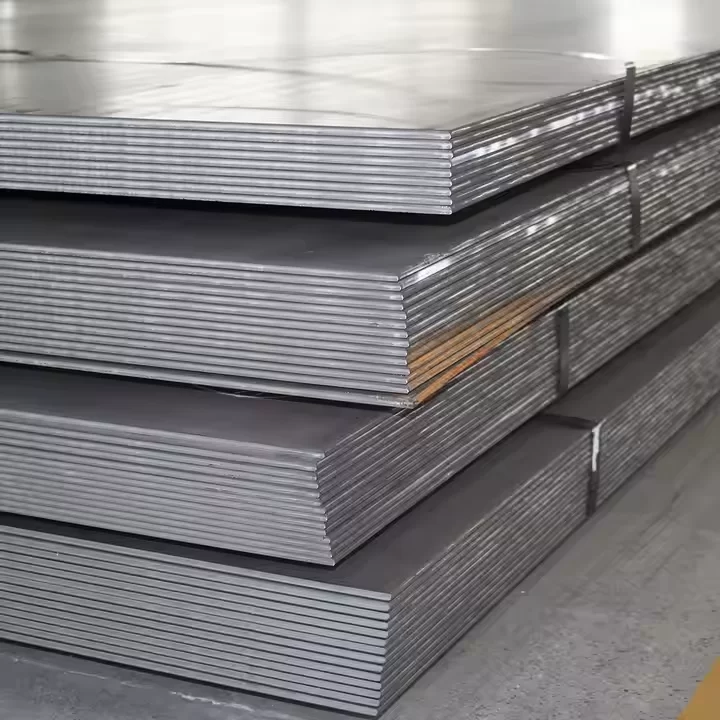
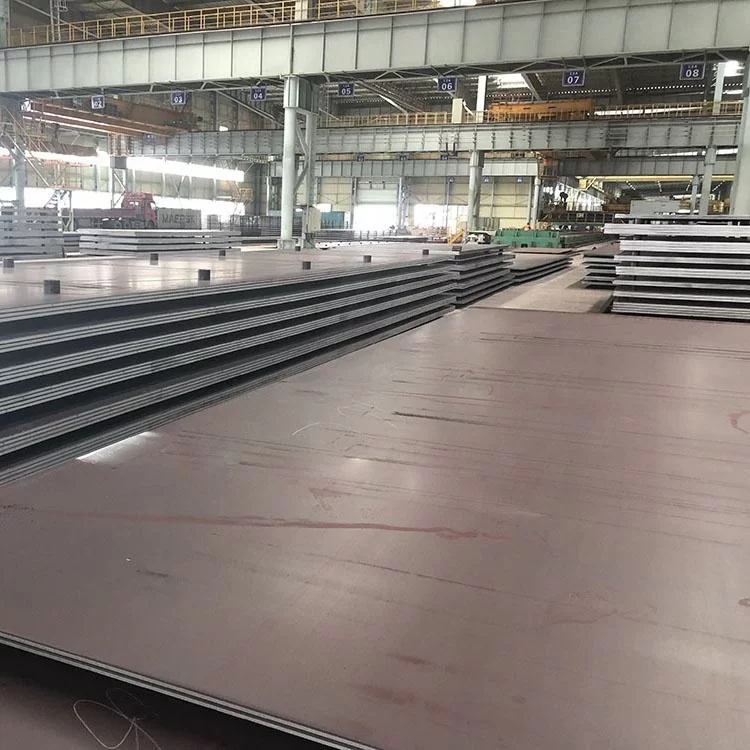
Understanding 4mm Steel Sheet Price: Why It Matters Globally
When you think about the global steel market, the price of a 4mm steel sheet might seem a tiny detail. But in reality, it’s a cornerstone for industries ranging from construction to transportation, and even humanitarian aid. Knowing the 4mm steel sheet price helps manufacturers, builders, and planners strategize costs, ensure supply chain stability, and innovate using materials that fit their needs.
Steel sheets at 4mm thickness hit a sweet spot being both sturdy and economical, making them a favorite in everything from infrastructure projects to automotive panels. Understanding this price helps companies worldwide navigate inflation, supply disruptions, and changing demand. So let’s dig into what singles out the 4mm steel sheet and why pricing on this seemingly modest material is anything but trivial.
Mini takeaway: The price of 4mm steel sheets influences major industrial sectors worldwide by impacting costs, material selection, and project feasibility.
Global Context: Why 4mm Steel Sheet Price Is a Barometer for Industry Health
Steel production accounts for roughly 7% of global CO₂ emissions, according to the International Energy Agency (IEA), making its consumption a critical sustainability issue. But beyond the environment, the World Steel Association noted a surge in steel demand driven by infrastructure and heavy manufacturing across Asia, Europe, and the Americas.
Fluctuations in the 4mm steel sheet price often reflect broader economic trends like inflation, trade tensions, or raw material shortages. For example, during the COVID-19 pandemic, steel prices saw volatility as supply chains were interrupted and production halted temporarily in key regions. This introduces challenges in budgeting and delays — particularly for firms relying on steady steel procurement.
Simply put: 4mm steel sheet pricing serves as an early warning system for the health of construction and manufacturing sectors worldwide.
Mini takeaway: The 4mm steel sheet price is more than a number—it’s a pulse on global industrial activity and supply chain resilience.
What Exactly Is the 4mm Steel Sheet Price?
At its core, the 4mm steel sheet price refers to the cost per unit (typically per ton or per square meter) of steel sheet material that is 4 millimeters thick. These sheets are supplied in various grades—carbon steel, stainless steel, galvanized steel, etc.—each suitable for different uses.
Why 4mm? Because that thickness balances strength with versatility: thick enough to provide structural integrity without excessive weight or cost. It’s highly practical for manufacturing panels, roofing, vehicle bodies, and even custom fabrications for humanitarian shelters or modular housing.
Pricing depends on raw materials, global demand, supplier markup, transportation costs, and tariffs—all factors constantly in flux. That’s why keeping a close eye on pricing helps manufacturers plan budgets and avoid surprises in volatile markets.
Mini takeaway: The 4mm steel sheet price measures the cost of a common, versatile steel thickness widely used in multiple sectors.
Key Factors Influencing 4mm Steel Sheet Price
1. Raw Material Costs
Steel is essentially iron with added carbon and other elements, so iron ore and coal prices directly impact the base cost. When these commodities fluctuate, steel prices follow—even a small hike in ore prices can ripple up to 4mm sheets.
2. Manufacturing Process
The production method—rolling, galvanizing, coating—adds to the cost. Advanced finishes or weather-resistant coatings raise prices but extend lifespan, a tradeoff that many industries weigh carefully.
3. Supply and Demand Dynamics
Demand from booming sectors like automotive or construction can push prices up, while overproduction or slow demand pressure prices down. Seasonal cycles and geopolitical events also play their role.
4. Transportation & Logistics
Moving large quantities of steel sheets internationally isn't cheap. Fuel prices, shipping constraints, or port delays often create sudden price spikes.
5. Currency Fluctuations
Because steel trades globally in USD, local currencies’ strength affects import costs, critically influencing pricing in some markets.
6. Government Policies & Tariffs
Trade barriers or protective tariffs can abruptly change prices, sometimes encouraging local production at the expense of global market efficiency.
Mini takeaway: Several interlinked factors—from raw materials to global politics—shape the 4mm steel sheet price dynamically.
Global Applications & Use Cases of 4mm Steel Sheets
From sprawling skyscrapers in Dubai to remote mining camps in Australia, 4mm steel sheets are everywhere. Their strength and moderate thickness make them ideal for:
- Construction: Roofing, wall cladding, and structural supports.
- Automotive Industry: Body panels, chassis elements.
- Shipbuilding: Deck plating and bulkheads.
- Infrastructure: Bridges, fencing, and railway components.
- Humanitarian Efforts: Temporary shelters, modular housing using steel panels for disaster relief zones.
For instance, in Southeast Asia, NGOs used 4mm galvanized steel sheets for refugee housing after cyclones struck. The sheets' durability resisted corrosion and were affordable enough to supply large numbers quickly.
Mini takeaway: The 4mm steel sheet’s versatility makes it essential for industries and humanitarian projects alike.
Advantages and Long-Term Value of 4mm Steel Sheets
Here’s what many engineers and buyers say sets 4mm steel sheets apart:
- Cost Efficiency: Favored thickness that balances strength and affordability.
- Durability: Resistant to wear, corrosion (especially when galvanized), and impact.
- Sustainability: Steel is highly recyclable—helping industries reduce carbon footprint.
- Reliability: Uniform quality and predictable mechanical properties over time.
- Safety & Innovation: Used constantly in public infrastructure that demands safety standards.
Emotionally and logically, these sheets inspire trust. Using reliable steel materials in public works or emergency shelters preserves safety and dignity. It’s not just a material—it’s a silent workhorse for progress.
Mini takeaway: Choosing 4mm steel sheets means investing in a reliable, sustainable, and cost-effective material for long-term projects.
Future Trends Impacting 4mm Steel Sheet Price
The steel industry is going through interesting shifts. Green steel—produced using hydrogen instead of coking coal—is emerging to cut emissions. If adopted widely, it’ll likely affect prices, initially increasing costs, but promising long-term savings and regulatory compliance.
Digitalization of supply chains helps suppliers anticipate demand, improving price stability. Add automation in manufacturing and improved coatings, and you’ll see more consistent quality and efficient price points.
On the policy front, countries are tightening environmental regulations, spurring innovation in steel production that might reshape the cost structures behind 4mm steel sheet prices.
Mini takeaway: Emerging eco-friendly processes and smart supply chains are redefining the future pricing landscape for 4mm steel sheets.
Common Challenges & How Experts Are Tackling Them
Pricing of 4mm steel sheets is notoriously volatile. Sudden raw material cost spikes or geopolitical issues can cause delays or budget overruns. To navigate this, many companies:
- Use forward contracts: Locking prices in advance to avoid surprises.
- Diversify suppliers: Minimizing risk of single-source disruption.
- Invest in local production: Avoiding tariffs and transport costs.
Innovative steel mills are experimenting with modular production just-in-time to reduce inventory costs and pass savings to customers.
Mini takeaway: While 4mm steel sheet pricing faces challenges, strategic planning and industry innovation help companies stay resilient.
Product Specification Table: Sample 4mm Steel Sheet (Carbon Steel)
| Property |
Specification |
Typical Value |
| Thickness |
4 mm ± 0.1 mm |
4.00 mm |
| Width |
1000 mm to 2000 mm |
1500 mm |
| Yield Strength |
≥ 250 MPa |
280 MPa |
| Tensile Strength |
400 – 550 MPa |
480 MPa |
| Surface |
Hot rolled, galvanized |
Galvanized |
Vendor Comparison: Leading 4mm Steel Sheet Suppliers
| Supplier |
Typical Price (USD/ton) |
Delivery Time (days) |
Main Market |
Typical Lead Time |
| GlobalSteel Co. |
$650 - $700 |
10-14 |
North America |
2 Weeks |
| AsiaSteel Inc. |
$600 - $650 |
7-10 |
Asia-Pacific |
1 Week |
| EuroMetal Ltd. |
$670 - $720 |
12-16 |
Europe |
2-3 Weeks |
FAQ: What You Really Want to Know About 4mm Steel Sheet Price
Q1: How do fluctuations in raw material prices affect the 4mm steel sheet price?
A1: Raw materials like iron ore and coal directly influence production costs since steel comes from them. Price spikes in these commodities usually push up the cost of steel sheets, including 4mm thickness. Keeping an eye on raw material markets helps predict steel price trends.
Q2: Is 4mm steel sheet suitable for outdoor construction in harsh weather?
A2: Absolutely. When galvanized or coated, 4mm steel sheets resist corrosion and can withstand rain, sun, and wind comfortably. This makes them popular for roofing, cladding, and fencing, especially in climates where durability matters.
Q3: How can companies manage risks related to volatile 4mm steel sheet prices?
A3: Companies use strategies like forward contracts to lock-in prices and diversify their supplier base to minimize dependence. In some cases, they invest in local manufacturing to bypass tariffs or shipping delays, stabilizing procurement costs.
Q4: Are there environmentally friendly alternatives impacting the 4mm steel sheet price?
A4: Green steel produced with low-carbon techniques is emerging, though initially, it may be more expensive. Over time, as technology matures and regulations tighten, these greener options may shift pricing structures but promise better sustainability.
Q5: How do shipping delays impact the final price of 4mm steel sheets?
A5: Logistics delays increase storage and transportation costs, which suppliers often pass down to buyers. Shipping bottlenecks can cause short-term price spikes, so planning inventory and delivery timelines carefully is critical for cost control.
Conclusion: Why Tracking 4mm Steel Sheet Price Pays Off
Understanding the 4mm steel sheet price isn’t just for metal traders. It’s crucial for anyone in construction, manufacturing, or relief work who relies on steady, reliable steel supplies. This small gauge sheet is a lynchpin in many essential projects worldwide, balancing cost and performance.
As industries shift towards sustainability and smart production, keeping pace with price trends and innovations will only become more important. If you want to stay ahead in steel sourcing, visit our website for detailed pricing updates, supplier info, and product specs tailored to your needs.
References:
1. World Steel Association — Global Steel Trends Report, 2023
2. International Energy Agency (IEA) — Steel Sector Emissions, 2022
3. ISO Steel Specification Handbook, 2023 Edition