Understanding 4mm Steel Plate Price: Why It Matters Globally
If you've ever browsed construction materials or industrial manufacturing components, chances are you've stumbled upon "4mm steel plate price." But what does that really mean, and why should it matter beyond the buying ledger? Steel plates of this thickness are the silent backbone in everything from building frames to ship hulls, and their pricing directly affects multiple industries worldwide. Knowing the factors behind the 4mm steel plate price means not just savvy budgeting but better insight into global supply chains and industrial trends that ripple across economies.
---
The Global Context: More Than Just Numbers
Steel production is a staggering global endeavor. According to the World Steel Association, more than 1.8 billion tonnes of steel were produced worldwide in 2023, with thin steel plates like the 4mm variants making up a sizable portion for automotive, construction, and machinery sectors. But here's the rub: fluctuating raw material costs, geopolitical tensions, and demand surges have turned the steel price landscape into a complex puzzle. The 4mm steel plate price isn’t just a number—it reflects worldwide shifts in energy costs, supply chain bottlenecks, and regional demand spikes.
Take Asia, for example, home to almost two-thirds of steel production. Changes in tariffs or China's environmental policies can dramatically affect pricing elsewhere, ripple-effects felt in Europe or the Americas too. No wonder many industry pros track this price closely—it’s part of understanding the whole supply story.
Mini takeaway: The 4mm steel plate price is a key indicator and influencer of global manufacturing and construction dynamics.
---
What Exactly Is 4mm Steel Plate Price?
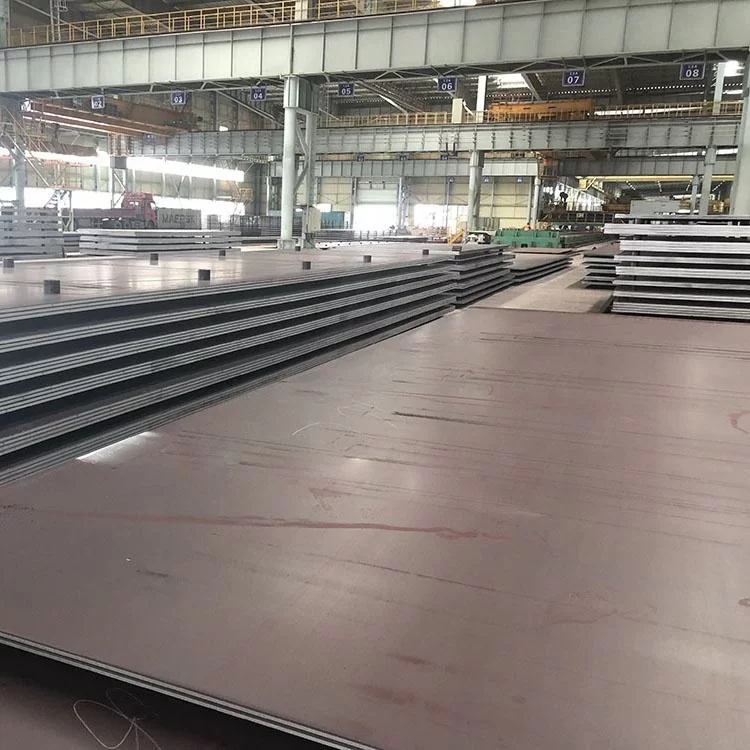
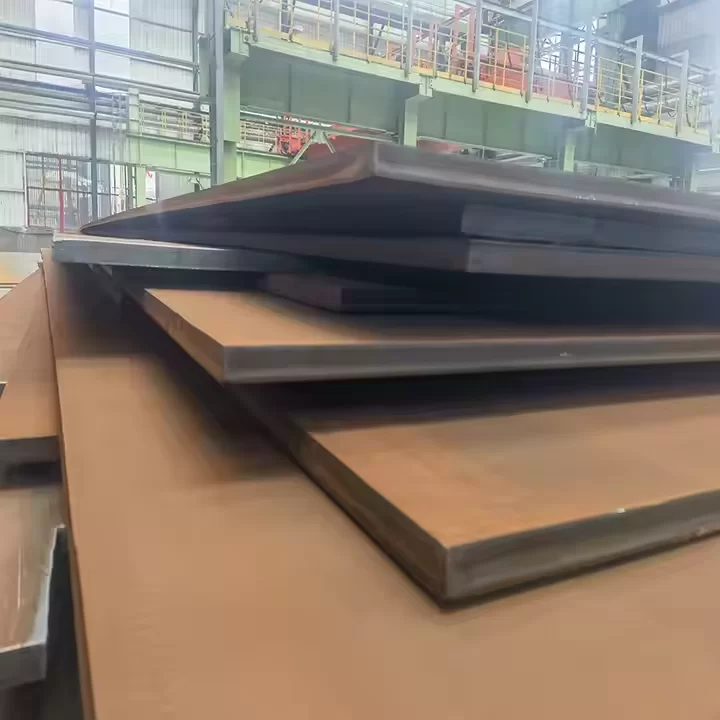
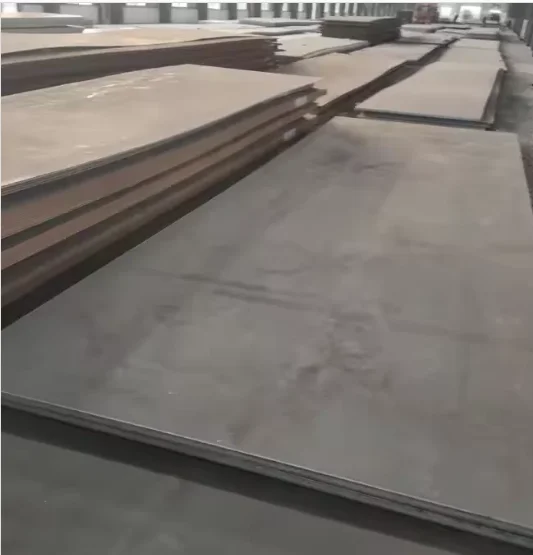
In simple terms, "4mm steel plate price" refers to the cost per unit (usually per tonne or per square meter) of steel plates that are exactly 4 millimeters thick. These plates are flat stock steel items that serve as raw materials for many industrial projects. The price is influenced by steel grade, coating, manufacturing methods, and market demand.
Why especially 4mm? It's thick enough to provide strength and durability, yet thin enough for flexibility and lighter weight applications. This balance makes the price a useful benchmark for many industries, from automotive paneling to architectural components. In humanitarian contexts, these plates sometimes form shelter skins or reinforcement panels—durable, affordable, and vital.
---
Core Components Influencing 4mm Steel Plate Price
1. Raw Material Quality and Grade
Steel comes in various grades—mild steel, stainless steel, galvanized, etc. A higher-quality grade has better corrosion resistance, tensile strength, and manufacturing consistency, which pushes the price upward.
2. Manufacturing Process
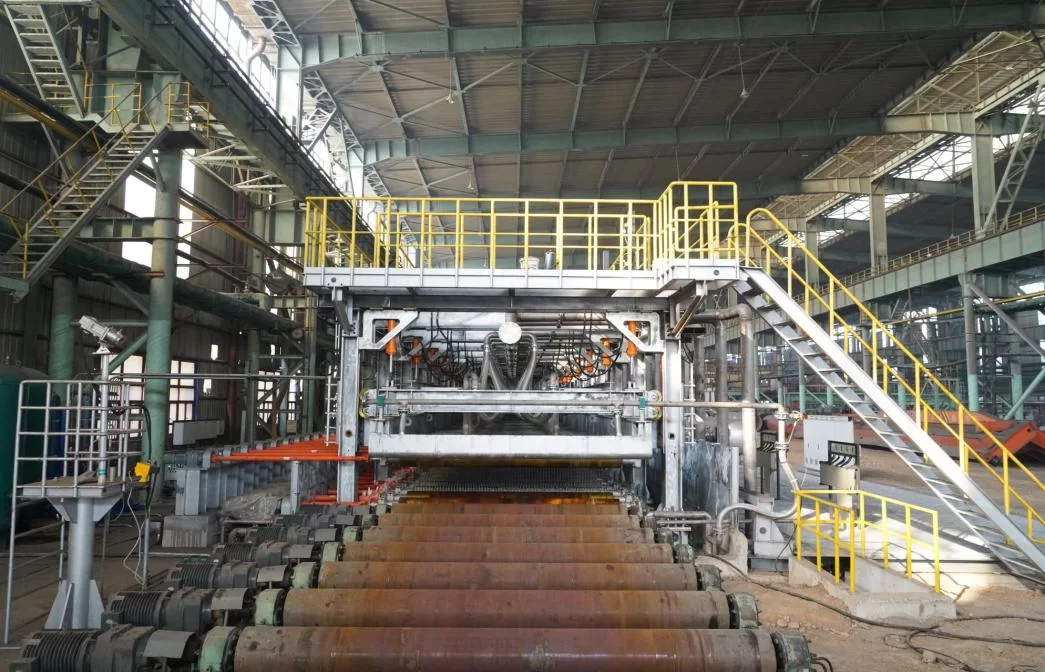
The method used—hot rolled, cold rolled, or coated production—affects not just the price but also performance characteristics. Cold rolled 4mm plates tend to cost more due to greater precision and smoother surface finishes.
3. Coatings and Treatments
Surface treatments like galvanization or painting add protection but naturally add to cost. Sometimes, buyers need this for extreme environments, which justifies pricing hikes.
4. Supply and Demand Dynamics
Seasonal demand, export-import restrictions, and availability of raw steel all influence price variability. For example, post-pandemic surges in construction caused notable price spikes because supply chains lagged.
5. Transportation and Logistics
Steel plates are heavy. Shipping costs, customs duties, and fuel prices routinely sneak into the final pricing puzzle, sometimes surprisingly influencing costs more than expected.
Mini takeaway:
The 4mm steel plate price is a multi-factor reflection of quality, processes, market forces, and logistics—a complex dance.
---
Global Applications and Real-World Use Cases
Industries across continents rely heavily on 4mm steel plates. In automotive factories across Germany and Japan, precision cold-rolled 4mm plates become car body panels—combining strength and light weight for safety and efficiency. Meanwhile, in Southeast Asia’s booming infrastructure sector, these plates form beams and supports for bridges and elevated rail systems.
Humanitarian efforts remind us of a different side: post-disaster relief agencies use 4mm galvanized steel plates to fabricate temporary shelters or reinforce emergency medical stations, especially in cyclone-prone zones like the Philippines. There, the affordability and quick installation potential are critical.
In remote oil fields of the Middle East and Arctic mining camps in Canada, the 4mm steel plate price impacts the feasibility of constructing modular, durable workspaces — facilities that face harsh climates need that balance of durability and weight.
---
Advantages & Long-Term Value of Choosing the Right 4mm Steel Plate Price
There’s a real emotional and practical satisfaction in getting this right. Cost-wise, buying plates with ideal thickness and quality avoids overspending and cutbacks down the line. Beyond the obvious savings, the environmental footprint is often lower when plates last longer and reduce replacement rates. Many engineering teams note that a stable 4mm steel plate price opens doors to innovation—whether integrating smart coatings or adopting lean manufacturing.
Socially, reliable steel structures mean safer buildings, more resilient infrastructure, and better quality of life — all linking back to seemingly simple choices like plate thickness and cost. I suppose it’s a little like picking the right foundation stone—you might not see it often but you feel it every day.
---
The Horizon: What Future Trends Affect 4mm Steel Plate Price?
Two key forces will shake things up: sustainability and technology. Green steel production methods, such as hydrogen-based reduction or electric arc furnaces powered by renewables, promise to redefine costs and availability over the next decade. Although currently more expensive, these processes could stabilize 4mm steel plate price by making production less volatile.
On the digital front, smart factory automation and AI in steel logistics may optimize stock distribution and reduce unnecessary surcharges. Blockchain tools for transparent supply chains could prevent wild price fluctuations caused by speculation or unclear tariffs.
---
Challenges and Expert Solutions
One big hurdle remains: price volatility. Steel prices fluctuate due to unpredictable global events—nations impose export restrictions, energy costs spike, or raw materials get scarce. This unpredictability makes budgeting a challenge for businesses relying heavily on 4mm steel plates.
Experts suggest long-term supply contracts, often indexed to fair market benchmarks, and diversified sourcing as ways to soften shocks. Leveraging real-time market analytics tools also enables procurement teams to time purchases better. Moreover, material engineers continually experiment with alternative alloys that maintain strength while potentially lowering costs.
---
FAQ: Your 4mm Steel Plate Price Questions Answered
Q: What factors most commonly affect the price of 4mm steel plates?
A: Raw material costs (like iron ore and coal), manufacturing processes, supply-demand fluctuations, and transport expenses are the biggest influencers.
Q: How does the 4mm thickness compare to other steel plate sizes in pricing?
A: Generally, thinner plates like 4mm cost less per weight unit than thicker plates, but processing precision may cause slight premiums over even thinner gauges.
Q: Can 4mm steel plates be used in eco-friendly construction?
A: Absolutely. When sourced from green steel producers and paired with recycling efforts, 4mm plates support sustainable building practices.
Q: Is it cost-effective to order 4mm steel plates internationally?
A: Yes, but factor in shipping and customs fees. Bulk orders and trusted suppliers can reduce per-unit costs significantly.
---
Product Specification Table: Typical 4mm Steel Plate
| Specification |
Details |
| Thickness |
4 mm ± 0.1 mm |
| Material Grade |
ASTM A36 / SS400 Mild Steel |
| Surface Finish |
Hot rolled / Cold rolled |
| Dimensions |
Standard 1500 x 3000 mm sheets |
| Coatings |
Plain / Galvanized / Painted options |
Vendor Comparison: Leading 4mm Steel Plate Suppliers
| Supplier |
Price/tonne (USD) |
Delivery Time |
Minimum Order |
Certifications |
| Baidy Steel |
$650 - $700 |
7-14 days |
5 tonnes |
ISO 9001, ASTM A36 |
| Global Steel Co. |
$670 - $720 |
10-20 days |
10 tonnes |
ISO 14001, CE Mark |
| SteelBest Ltd. |
$640 - $690 |
5-12 days |
3 tonnes |
ISO 9001 |
---
Conclusion: Making Sense of 4mm Steel Plate Price in Your Projects
So, what’s the big picture? Understanding the nuances of 4mm steel plate price gives you leverage—whether you're sourcing materials for a construction project, managing industrial supplies, or supporting emergency infrastructure globally. It’s about finding value, stability, and reliability in an often fragmented market. Keep an eye on quality, supplier credibility, and market shifts, and you’ll find your best fit.
For reliable pricing, timely delivery, and superior quality, do check out
4mm steel plate price at Baidy Steel. They blend efficiency with commitment—you know, the kind of partner who feels less like a vendor and more like a teammate.
---
References & Further Reading
- World Steel Association Statistics
- Steel - Wikipedia
- ISO 9001 Quality Management