Understanding Steel Plate Cost: Why It Matters in Today’s Industrial World
At first glance, “steel plate cost” sounds like a straightforward price tag on a chunk of metal, right? But digging a bit deeper, this simple phrase opens a whole conversation about how global industries, construction projects, and even humanitarian efforts keep moving. Steel plates are everywhere — from skyscrapers that kiss the clouds to shipping containers crossing oceans, and knowing their cost isn’t just about dollars and cents. It’s about planning, efficiency, innovation, and at times, survival.
Understanding steel plate cost helps industries predict budgets, optimize supply chains, and make decisions that ripple from manufacturing floors in Asia to infrastructure hubs in Europe and Africa. Global steel markets affect jobs, development, and international trade — topics close to any industry pro’s heart. So trust me when I say, it’s worth a few minutes of your reading time.
The Steel Plate Cost Puzzle: A Global Context
Globally, steel production rings in at about 1.9 billion metric tons annually, according to the World Steel Association. The cost of steel plates, a key derivative product, is influenced by everything from iron ore prices to geopolitical tensions. The International Monetary Fund and World Bank reports note that price volatility in steel directly affects construction, automotive, and manufacturing sectors worldwide.
Imagine this: A surge in steel plate costs bumps up the budget for building a bridge or a shipyard project in developing countries. Suddenly, infrastructure plans need a rethink. This happens often enough that economists say it's a bellwether for industrial health globally.
In short, steel plate cost is the needle in the haystack that stakeholders worldwide watch closely because it hints at raw material availability, labor costs, and even environmental policies clashing or aligning perfectly.
What Exactly Is Steel Plate Cost?
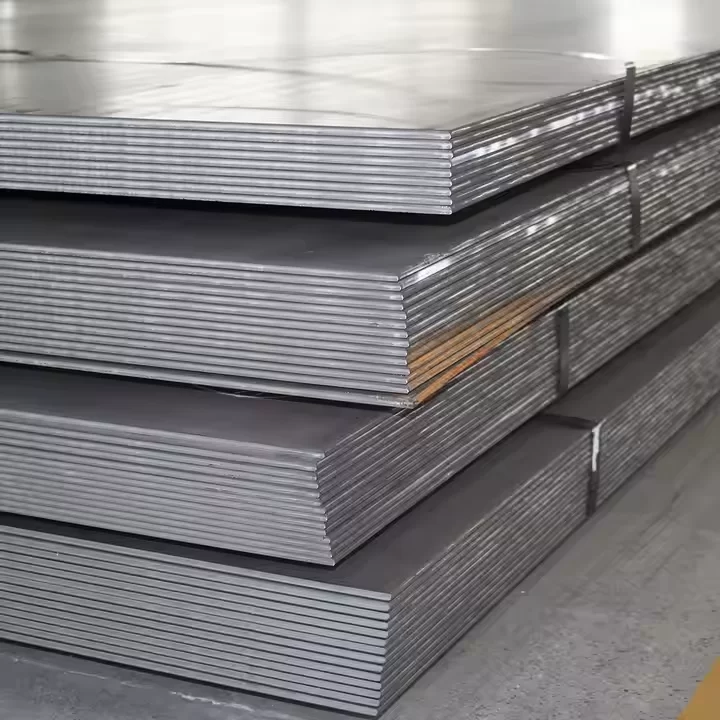
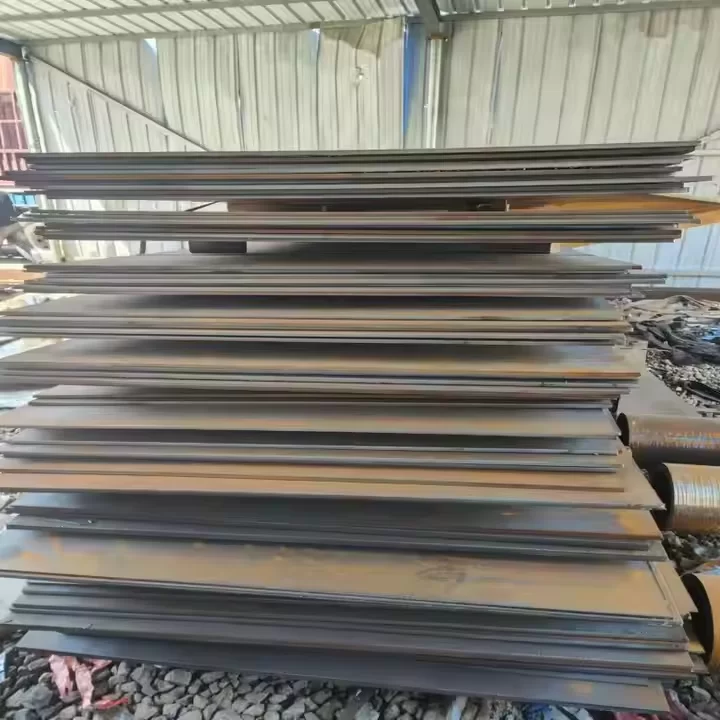
Let’s break it down simply — steel plate cost is the price paid per unit (usually per ton or square meter) for flat sheets of structural steel. These plates come in thicknesses from a few millimeters to several inches depending on purpose. They serve as the skeleton for everything from ships and pipelines to heavy machinery bases.
In industry, the cost reflects the sum of raw materials, production (rolling, cutting, heat treatment), transportation, and market demand. Humanitarian projects also care about these costs because steel plates form quick, robust frameworks for disaster relief shelters or temporary bridges — places where strength meets urgency with budget limits.
Core Components Affecting Steel Plate Cost
Raw Material Quality & Supply
Iron ore and scrap steel prices swing like a pendulum influenced by mining output and stockpile levels. When ore prices rise, steel plate costs follow. Simply put, the purer and more consistent the raw materials, the higher the base cost but better long-term reliability.
Manufacturing Processes
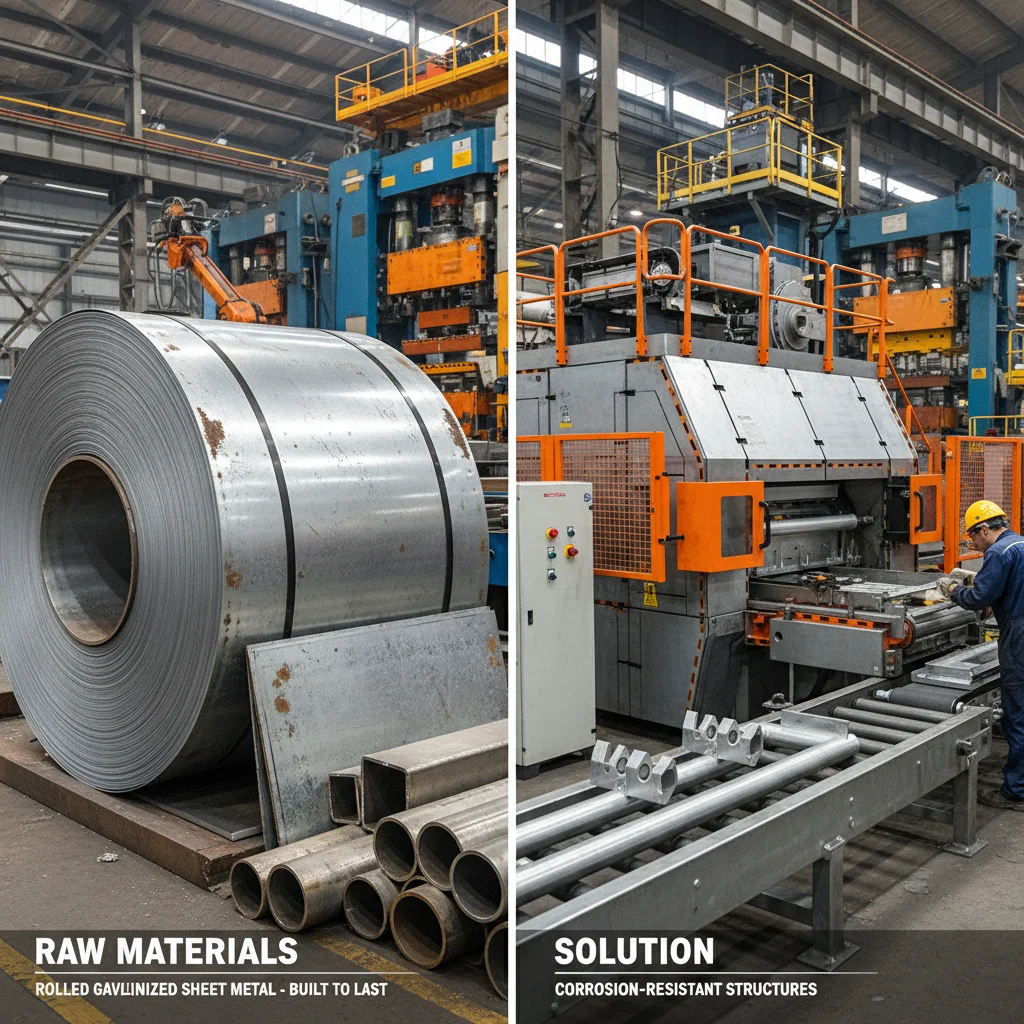
Modern steel mills invest heavily in tech like continuous casting and automated rolling lines that reduce waste but require upfront capital. Companies with advanced production methods often offer competitive steel plate prices due to efficiency gains, although premium grades with special treatments sometimes add a price premium.
Thickness & Dimensions
The “thickness” factor isn't just a boring measurement; it's a real cost driver. Thicker plates require more raw steel and longer processing times, pushing costs higher. Size dimensions also matter because bigger plates might be less wasteful but harder to transport.
Logistics & Transportation
Steel plates are heavy and awkward, making shipping costs anything but trivial. Proximity to production facilities or ports typically lowers cost, while remote locations see significant price hikes.
Market Demand & Seasonal Trends
Steel plate costs fluctuate seasonally — think of construction booms in spring and summer. Also, global crises such as trade tariffs or pandemics disrupt demand-supply balance, producing cost spikes that ripple through entire sectors.
Mini Takeaway:
Steel plate cost isn't just about product price but reflects a complex dance of supply chain, manufacturing, and market forces impacting businesses and communities worldwide.
Real-World Applications of Steel Plate Cost Considerations
Across continents, steel plate cost guides decision-making in sectors where strength and durability can’t be compromised—but budgets often are tight.
- Construction & Infrastructure: Urban development projects in Asia and the Middle East balance cost with quality, ensuring structures meet safety without overshooting budgets.
- Shipbuilding: Countries like South Korea and China factor steel plate cost heavily to stay competitive in global markets.
- Energy Sector: Pipelines and wind turbine towers rely on precisely calculated steel plate costs to evaluate project viability.
- Disaster Relief: NGOs use cost-effective steel plate solutions for quick-deploy shelters and temporary bridges in crisis zones.
For example, post-earthquake reconstruction in Nepal involved sourcing affordable steel plates from neighboring countries, helping rebuild schools and hospitals efficiently and cost-effectively.
Steel Plate Specifications at a Glance
| Specification |
Details |
| Material Grade |
ASTM A36, A516, A572 |
| Thickness Range |
3 mm to 200 mm |
| Width Range |
1,000 mm to 4,000 mm |
| Length Range |
2,000 mm to 12,000 mm |
| Surface Finish |
Hot Rolled, Cold Rolled, Galvanized |
Comparing Leading Steel Plate Vendors
| Vendor |
Price per Ton (USD) |
Delivery Time |
Customization |
Certifications |
| GlobalSteel Inc. |
$750 - $820 |
2-3 weeks |
Yes |
ISO 9001, ASTM |
| EastAsia Metals |
$680 - $740 |
3-4 weeks |
Limited |
JIS, ISO 14001 |
| Baidi Steel |
$700 - $760 |
1-2 weeks |
Extensive |
ISO 9001, CE, ASTM |
Advantages & Long-Term Value of Understanding Steel Plate Cost
When buyers grasp the nitty-gritty of steel plate costs, they gain an edge. Not only do they secure better contracts, but—let's be honest—they also avoid nasty project delays due to budget surprises. The social impact is real too; affordable steel plates mean quicker builds for schools, hospitals, and housing, restoring community dignity after crises.
From a sustainability lens, choosing steel produced with efficient, low-impact processes reduces carbon footprints. The logical side? Steel is 100% recyclable, making cost estimation also a step towards a circular economy. Emotionally, investing in quality steel plates fosters trust between manufacturers, project planners, and end-users because the reliability speaks volumes.
Emerging Trends and What’s Next for Steel Plate Cost
Digital transformations like AI in steel mill operations are opening cost efficiencies that weren’t imaginable a decade ago. Meanwhile, the rise of green steel—produced using hydrogen instead of coal—is promising to reshape future price structures. Regulations increasingly favor carbon-neutral steel, nudging suppliers to innovate or lose market share.
Automation in logistics and smart inventory systems reduce shipping overheads, a big factor in final steel plate cost. I heard recently that some companies are experimenting with blockchain technology for transparent pricing and provenance, which may be common in the near future.
Challenges in Managing Steel Plate Cost and Practical Solutions
Price volatility remains the elephant in the room. Sudden tariffs, supply chain bottlenecks, or geopolitical conflicts can throw planners off their game. The solution? Many experts recommend locking in long-term contracts with trusted suppliers like Baidi Steel to mitigate risks.
Another hurdle is material waste during cutting and reshaping. New nesting software and cross-industry collaboration help reduce this, minimizing both cost and environmental harm. Finally, knowledge-sharing among industry players improves forecasting models, so surprise price spikes are fewer and less painful.
FAQ: Frequently Asked Questions About Steel Plate Cost
- Q: What factors cause fluctuations in steel plate cost?
- A: The main drivers are raw material price shifts, manufacturing costs, supply chain logistics, demand spikes, and geopolitical events. Seasonal demand in construction also plays a role.
- Q: How does plate thickness affect overall project budget?
- Thicker steel plates require more raw material and longer processing times, which increase costs. Considering the application needs carefully helps avoid overspending on unnecessary thickness.
- Q: Is purchasing steel plates in bulk more economical?
- Generally yes. Bulk orders reduce per-ton shipping and handling charges. However, storage costs and obsolescence risks must be considered before committing.
- Q: Can steel plate cost affect the timeline of infrastructure projects?
- Absolutely. Cost spikes can delay orders or force design changes. Early cost forecasting and supplier partnerships are key to keeping projects on schedule.
- Q: How can I verify the quality relative to the steel plate cost?
- Check supplier certifications like ISO 9001, ASTM standards, and request material test reports. High-quality steel typically comes with better documentation and consistent performance.
Wrapping It Up: Why Paying Attention to Steel Plate Cost Pays Dividends
Steel plate cost might seem like a simple line item on your budget, but it’s genuinely a complex story of materials, markets, and modern tech that touches every industrial sector. When you factor it properly into planning and supplier choice, you save money, build trust, and contribute to sustainable development.
Interested in cutting-edge steel plates delivered with speed and quality? Visit our website to explore products, request quotes, and stay ahead in your projects.
Mini Takeaway:
Remember, the real value in understanding steel plate cost lies in turning raw numbers into knowledge you can act on—keeping projects safer, smarter, and sustainable.
References
- World Steel Association Statistics
- IMF Working Paper on Steel Price Volatility
- Wikipedia: Steel