Hit enter to search or ESC to close
16 October 2025
If you walk any automotive line today, you’ll hear the same refrain: lighter, tougher, faster to process. That’s exactly where hot rolled steel types—especially higher-strength, auto-grade coils—are earning their keep. I’ve toured mills where an extra 20 MPa of yield strength quietly saves a design program. Not flashy, but decisive.

- EV subframes and battery protection call for microalloyed HR steels with controlled cooling. - Pickled & oiled (P&O) surfaces are trending for cleaner welding and predictable paint adhesion. - Decarbonization matters: buyers increasingly ask about EAF routes, EPDs, and coil-level traceability.
Origin: ROOM 1616, SHOUJING E-WORLD, XINDU DISTRICT, XINGTAI, CHINA. Many customers say the balance of formability and strength feels “right” for rails, brackets, wheels—even some BIW reinforcements. Delivery is quoted at 15–21 days, with MOQ around 10 tons; payment via L/C or T/T. Processing options include bending, welding, decoiling, punching, and cutting—useful when you need slit-to-width or just-in-time blanks.

Materials: low-carbon, microalloyed chemistries (Nb/Ti/V as needed) → Continuous casting slab → Hot roughing & finishing passes → Controlled laminar cooling → Coiling → Optional pickling & oiling → Leveling/tempering per order.
Testing: tensile per GB/T 228.1 or ASTM E8; hardness (HRB) per ASTM E18; sampling per GB/T 2975; surface/rust checks; flatness and thickness per GB/T 3274; chemistry via spectrometer. Service life? In automotive chassis with e-coat/paint, you’re looking at ≈ 10–15 years in typical road salt exposure, but real-world use may vary.
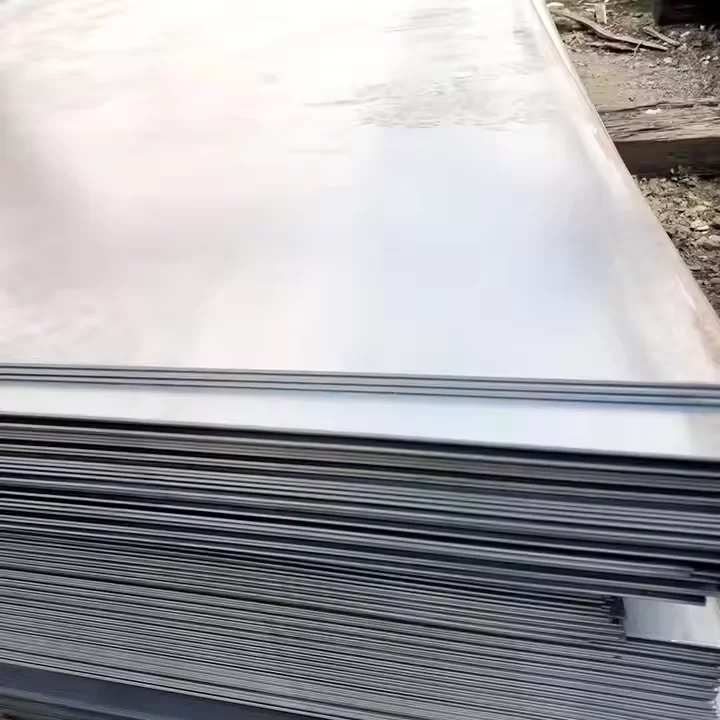
| Item | 380CL | 540CL |
|---|---|---|
| Standard | GB (auto-grade) | GB (auto-grade) |
| Yield strength (MPa) | ≥ 380 (typ.) | ≥ 540 (typ.) |
| Tensile strength (MPa) | ≈ 450–560 | ≈ 600–700 |
| Elongation (A50) | ≈ 18–26% | ≈ 14–22% |
| Thickness range | ≈ 1.8–12 mm | ≈ 1.8–12 mm |
| Tolerance | ±5% (order-specific) | |
| Surface | As-rolled or P&O; oiled available | |
Data are typical; final MTC values govern. Request coil-level test certificates.
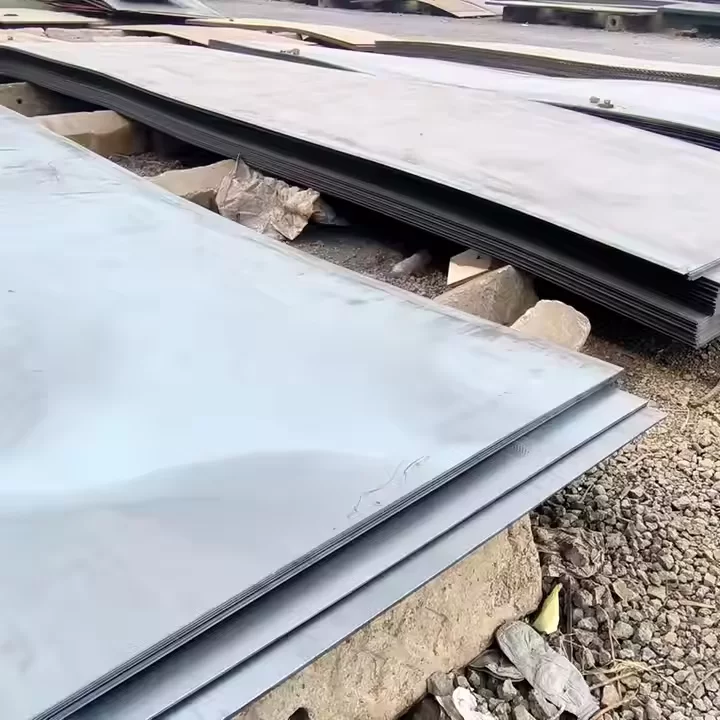
| Factor | Baidy Steel (380CL/540CL) | Domestic Mill A | Trading Co. B |
|---|---|---|---|
| Lead time | 15–21 days | 20–30 days | Varies; spot-dependent |
| Certifications | ISO 9001; supports IATF docs | ISO 9001/IATF 16949 | ISO 9001 (var.) |
| Customization | Slit, cut-to-length, P&O | Mill widths; CTL opt. | Depends on source |
| QC transparency | MTC + traceability | MTC | Mixed |
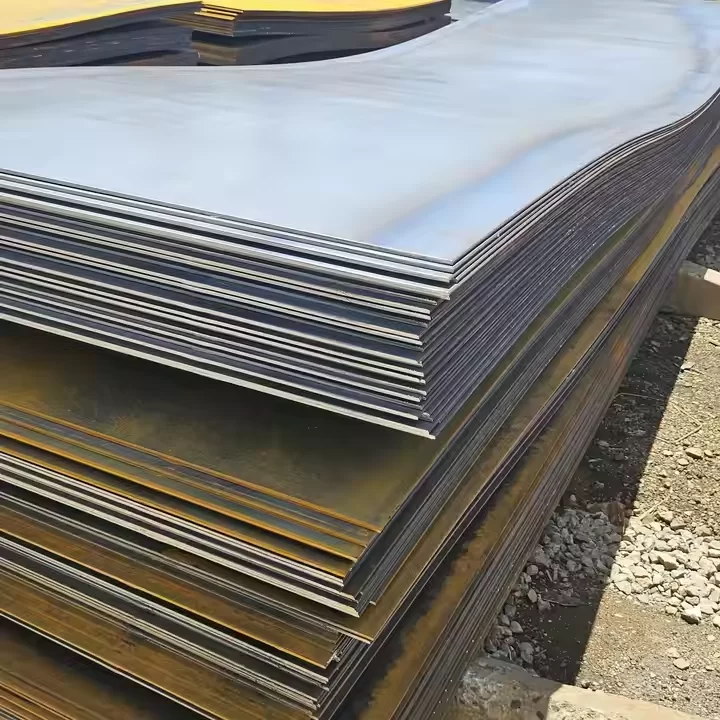
Use cases: chassis rails, wheel discs, crossmembers, seat tracks, agricultural frames, forklift masts. Custom options: coil width to drawing, targeted yield windows, edge condition (mill or slit), oiling level, surface roughness, and tight flatness for laser lines. Certifications typically include ISO 9001; automotive programs often request IATF 16949 conformance and PPAP packs—ask early.
Customer feedback (anecdotally): “Lower scrap on deep draw,” “Weld spatter reduced after switching to P&O,” and, surprisingly, “straighter blanks after temper pass.”
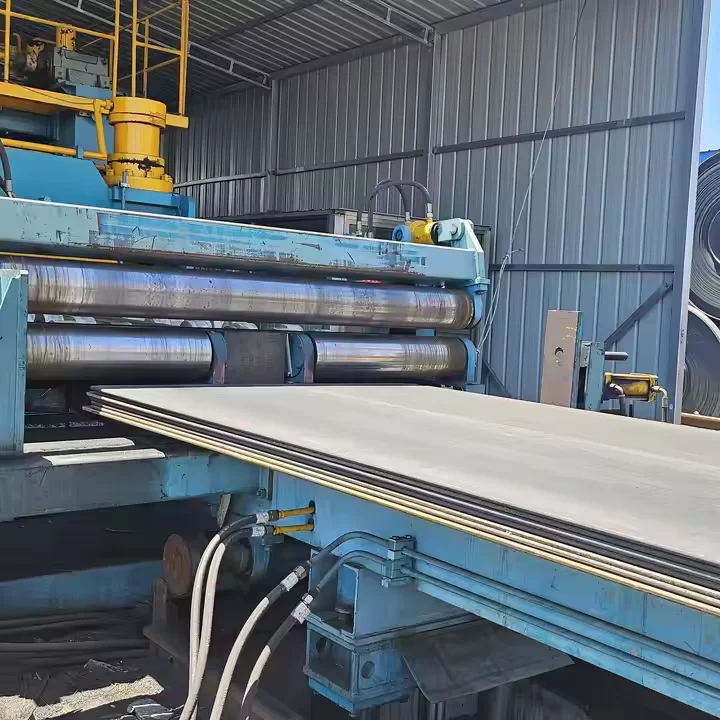
- Tier-1 chassis supplier swapped to 540CL for a crossmember, cut mass by ≈ 7% while holding crash stiffness. Lab pull tests (ASTM E8) showed UTS near 650 MPa; line reports a 3–4% scrap decrease after slit-edge optimization.
- An ag-equipment OEM moved bracket parts to 380CL P&O; welding current dropped ~5% and bead appearance improved. Salt-spray on e-coated panels met their 720 h target [neutral salt, ISO 9227 method, internal].
Bottom line: for teams balancing cost, forming, and strength, hot rolled steel types like 380CL/540CL hit a sweet spot—especially when paired with clear MTCs and thoughtful downstream processing.