Understanding the 1.5 mm Mild Steel Sheet: Its Global Role and Benefits
The 1.5 mm mild steel sheet might sound like a simple metal sheet at first glance, but it plays a surprisingly pivotal role in countless industries worldwide. From construction to manufacturing, this particular thickness offers an excellent balance between flexibility and strength, making it a go-to choice in applications that demand reliability without excess weight or cost. In real terms, understanding why the 1.5 mm mild steel sheet matters opens up new perspectives on how infrastructure, consumer products, and even humanitarian efforts can rely on affordable, sturdy steel to function better.
Global Context: Why the 1.5 mm Mild Steel Sheet Matters Today
Globally, steel remains one of the most widely produced and utilized materials—in fact, according to the World Steel Association, over 1.8 billion metric tons were produced in recent years. Mild steel sheets, especially at the 1.5 mm gauge, hit a sweet spot for various sectors. The global supply chain intricately depends on this thickness for applications that require endurance yet benefit from easy workability.
It’s odd but true that while advanced composites grab headlines for innovation, mild steel sheets still anchor the backbone of industrial growth in many developing regions. One challenge here is meeting diverse environmental and structural demands while keeping costs down—a challenge the 1.5 mm mild steel sheet often addresses with surprising efficiency.
What Is a 1.5 mm Mild Steel Sheet?
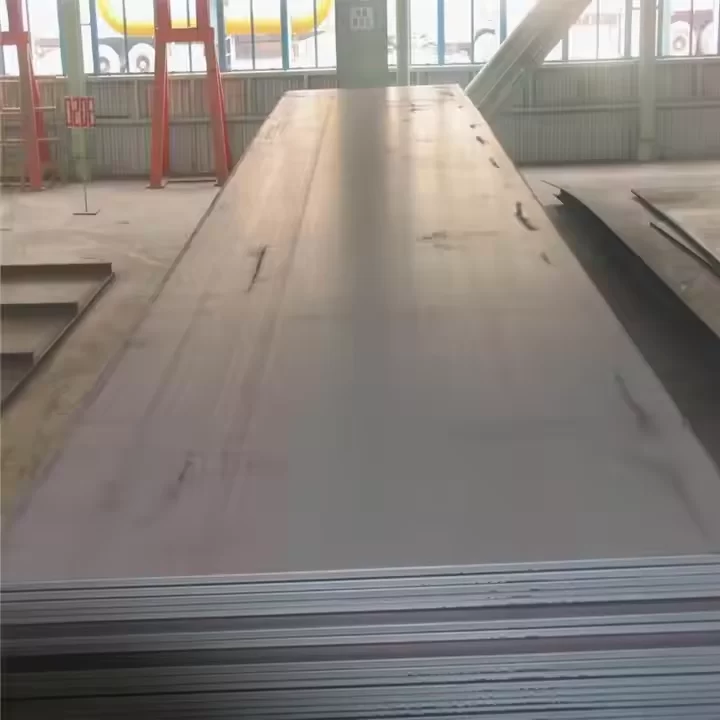
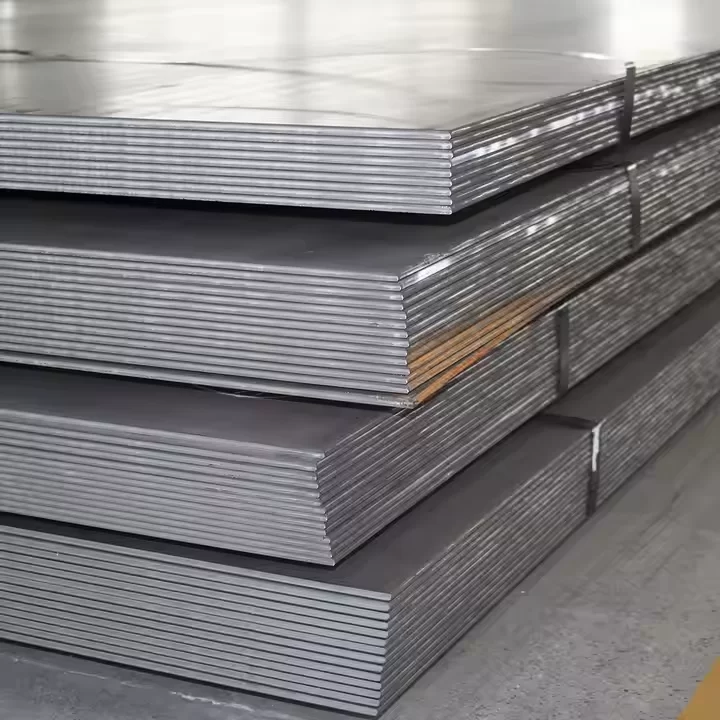
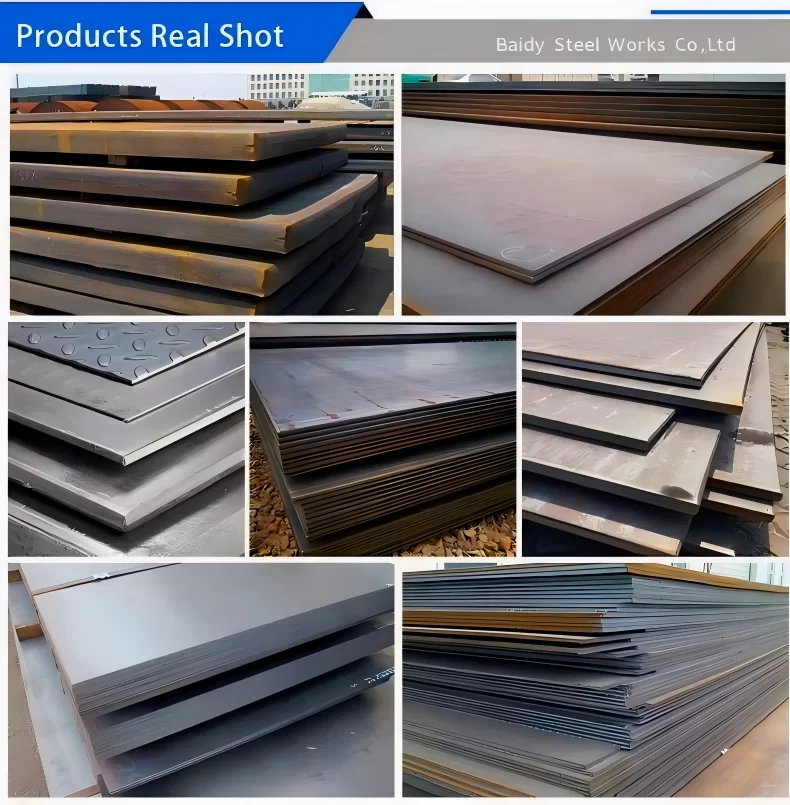
Simply put, a 1.5 mm mild steel sheet is a flat, rolled steel product with a thickness of 1.5 millimeters, typically composed of low-carbon steel. This "mild" designation refers to its relatively low carbon content—usually under 0.25%—which lends it good ductility and weldability. These properties make it ideal in applications ranging from automotive panels to structural supports. Its modest thickness offers a practical balance; thick enough to provide structural integrity but thin enough to be easily cut and formed without heavy machinery.
Across industries, these sheets serve as foundational materials underpinning everything from machinery casings to temporary shelters in humanitarian contexts. For instance, NGOs often turn to 1.5 mm mild steel sheets when building durable yet transportable shelters in post-disaster zones.
Key Factors Influencing the Use of 1.5 mm Mild Steel Sheets
Durability and Strength
Mild steel’s tensile strength—typically in the range of 370–500 MPa—is sufficient for maintaining structural loads without excessive weight. At 1.5 mm thickness, it resists warping and deformation under moderate stress, making it reliable even in outdoor or industrial environments.
Workability and Scalability
One of the reasons why manufacturers favor this sheet thickness is how easy it is to cut, bend, and weld, even with standard equipment. This means it scales well from small workshops to large factories, adapting to various production volumes without excessive tooling costs.
Cost Efficiency
The balance of thickness vs. material savings translates to overall cost efficiency. Purchasing a 1.5 mm mild steel sheet often means getting a durable product at a competitive price point—an attractive proposition especially when bulk buys are necessary.
Corrosion Resistance (with Treatment)
While mild steel can rust, depending on the environment, galvanizing or applying protective coatings can greatly enhance lifespan and reduce maintenance costs. This is particularly important in humid or coastal industrial zones.
Sustainability & Recyclability
Mild steel is 100% recyclable, which aligns with growing global emphasis on circular economies. Using steel sheets in construction or manufacturing supports sustainability goals by enabling reuse and reducing waste.
Typical Specifications of a 1.5 mm Mild Steel Sheet
| Property |
Value |
Unit |
| Thickness |
1.5 |
mm |
| Density |
7.85 |
g/cm³ |
| Tensile Strength (typical) |
370–500 |
MPa |
| Elongation at break |
20–30 |
% |
| Typical Coating |
Galvanized / Painted |
- |
Mini takeaway: The 1.5 mm mild steel sheet strikes a practical balance — durable, workable, and cost-effective — which explains its continued demand across many sectors.
Where and How Are 1.5 mm Mild Steel Sheets Used Globally?
Frankly, they’re everywhere — in developed and developing markets alike. In industries like automotive manufacturing, this thickness frequently forms body panels because it provides enough rigidity without excess weight, which impacts fuel efficiency.
In construction, from urban high-rises to rural community centers, these sheets act as cladding materials, roofing, or interior wall panels due to their versatility and affordability. International organizations deploy these sheets in creating emergency shelters and temporary facilities, especially in disaster relief scenarios—where rapid assembly and durability are critical.
Regions like Southeast Asia and Sub-Saharan Africa especially appreciate the 1.5 mm mild steel sheet because of its accessibility and adaptability. Remote industrial zones use it for machinery housing and protective barriers, where robustness is non-negotiable.
Advantages & Long-Term Value of Using 1.5 mm Mild Steel Sheets
- Cost savings: Lightweight but strong, reducing transportation and labor costs.
- Adaptability: Suitable for welding, mechanical forming, and diverse applications.
- Sustainability: Fully recyclable material fits circular economy principles.
- Reliability: Proven track record in supporting structural integrity.
On a more emotional note, the steel sheet conveys trust—it’s the unseen support that keeps buildings and vehicles sturdy and safe. It embodies a form of quiet innovation, encouraging dignity and safety in humanitarian architecture.
Future Trends Impacting 1.5 mm Mild Steel Sheets
Looking ahead, green steel production is shaping how these sheets are manufactured. Processes like hydrogen-based steelmaking promise near-zero carbon emissions, which will add an eco-friendly angle to this already recyclable product.
Industry 4.0 and digital transformation also affect quality control and supply chain transparency. Automated laser-cutting and AI-driven inspections improve precision and reduce waste. Oddly enough, even a humble 1.5 mm mild steel sheet finds itself riding these waves of innovation.
Meanwhile, developing policies around circular economy and decarbonization push manufacturers and end-users to optimize lifespan and recyclability further.
Common Challenges and How Experts Address Them
One limitation of 1.5 mm mild steel sheet is its susceptibility to corrosion if left untreated. Experts recommend galvanizing or specialized coating, which significantly extend service life even in harsh environments.
Another common challenge is balancing supply chain fluctuations, especially given recent global disruptions. Suppliers and industries are investing in diversified sourcing and stockpiling strategies so manufacturing isn't slowed by material shortages.
Plus, as environmental standards tighten, ongoing innovation in alloying and recycling techniques is crucial to keep the mild steel sheet relevant and sustainable.
Vendor Comparison: Popular Sources for 1.5 mm Mild Steel Sheets
| Vendor |
Coating Options |
Typical Lead Time |
Regional Availability |
Price Range (USD/ton) |
| Baidy Steel |
Galvanized, Painted |
2-3 weeks |
Global |
$600 - $700 |
| Global Metals Inc. |
Hot-dip galvanized |
3-4 weeks |
North America, Europe |
$650 - $750 |
| Asia Steel Works |
Pre-painted, Galvanized |
1-2 weeks |
Asia-Pacific |
$580 - $700 |
Frequently Asked Questions About 1.5 mm Mild Steel Sheets
- What industries use 1.5 mm mild steel sheets most commonly?
-
The most frequent users include automotive manufacturers, construction companies, and entities involved in producing consumer appliances. Their versatility suits many structural and surface applications, from vehicle panels to roofing and cladding.
- How resistant is the 1.5 mm mild steel sheet to corrosion?
-
By itself, mild steel is prone to rusting, especially in humid or salty environments. However, treatments like galvanization or painting significantly improve corrosion resistance and extend the material's lifespan.
- Can 1.5 mm mild steel sheets be customized for specific needs?
-
Absolutely. They can be cut, bent, and coated to custom sizes and finishes. Vendors often offer pre-finished options such as pre-painted or galvanized coatings tailored to client specifications.
- Is the 1.5 mm mild steel sheet eco-friendly?
-
Steel is highly recyclable, and many manufacturers now produce mild steel with lower carbon emissions, improving its environmental footprint. Using recycled steel sheets promotes sustainability and waste reduction.
- Where can I purchase reliable 1.5 mm mild steel sheets?
-
Several global suppliers exist; companies like Baidy Steel offer competitive prices, fast lead times, and global shipping options tailored to a variety of industrial needs.
Wrapping Up: Why the 1.5 mm Mild Steel Sheet Is More Than Just Metal
Long-term, the 1.5 mm mild steel sheet continues to prove its worth as a material that balances strength, affordability, and versatility. If you’re involved in manufacturing, construction, or humanitarian development, understanding its properties can help you make smarter sourcing and design choices.
For more technical details or to explore purchasing options, do visit our website where resources and expert advice await. Whether you're building something monumental or modest, this humble metal sheet might just be the foundation you need.
A quick thought to leave you with: sometimes, the seemingly simple materials quietly hold up the most ambitious projects.
- Wikipedia - Steel
- World Steel Association
- ISO Standards for Steel Sheets