Advanced weathering steel plate Solutions for Cambodia Infrastructure

Advanced weathering steel plate Solutions for Cambodia Infrastructure

High-performance steel processing and structural fabrication tailored for Cambodia's tropical climate and industrial growth.

Advanced weathering steel plate Solutions for Cambodia Infrastructure

Providing precision-rolled and fabricated steel components, specializing in corrosion-resistant materials that ensure longevity for Cambodian industrial and architectural projects.

Steel Fabrication Landscape in Cambodia

Analyzing the challenges of metal structural manufacturing in Southeast Asia's humid environment.

Cambodia's manufacturing sector is currently experiencing a transition toward higher durability standards. In regions with extreme humidity and heavy seasonal rainfall, traditional low carbon steels often suffer from rapid oxidation, leading to high maintenance costs for industrial warehouses and bridges.

The demand for mild low alloy steel has increased as local contractors seek a balance between weldability and atmospheric resistance. The current market is shifting from basic imports to specialized processed steel that can withstand the saline air of coastal areas like Sihanoukville.

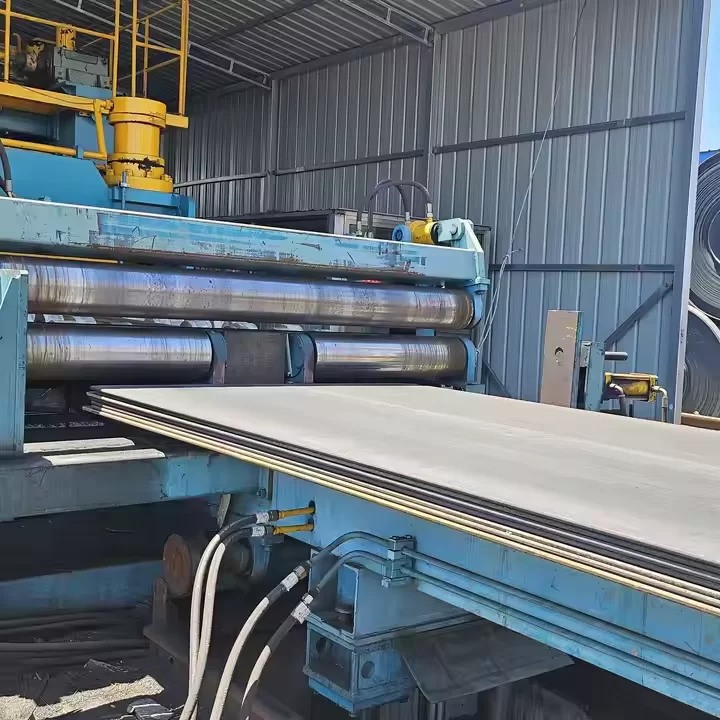
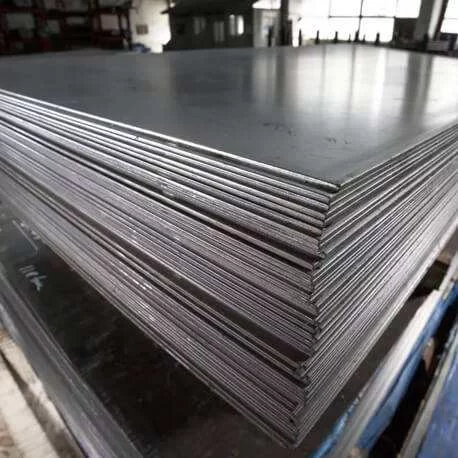
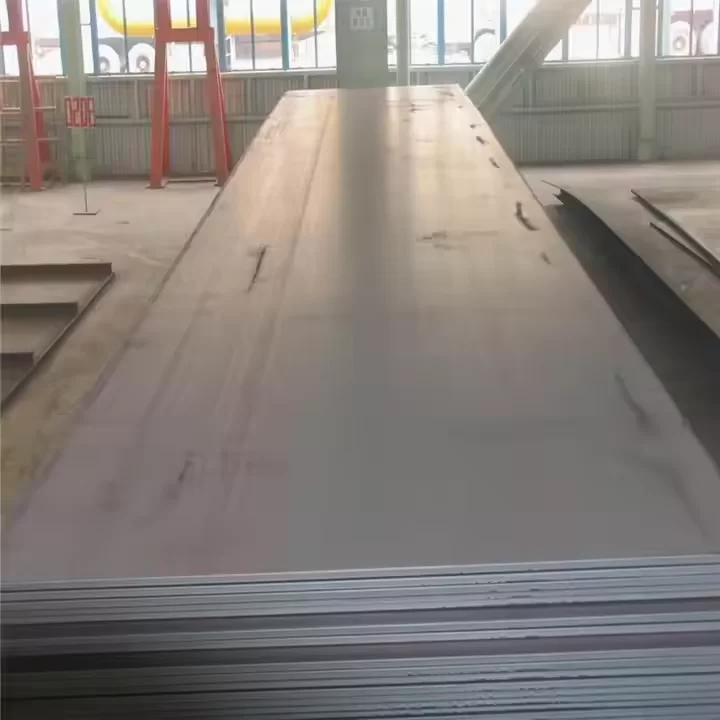
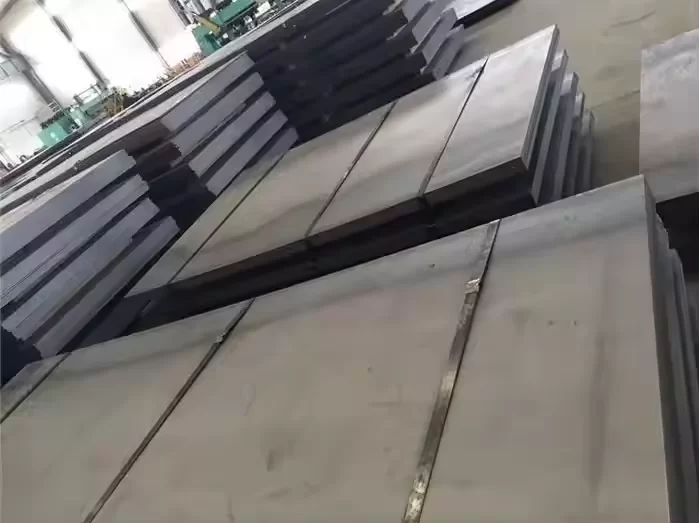
Integration of modern rolling and cutting technologies is becoming essential. Local fabrication shops are increasingly adopting precision corten steel sheets to reduce the need for repetitive painting and chemical coating in large-scale metal structures.
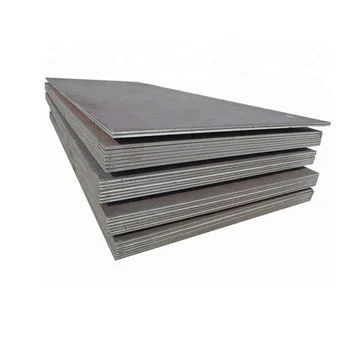
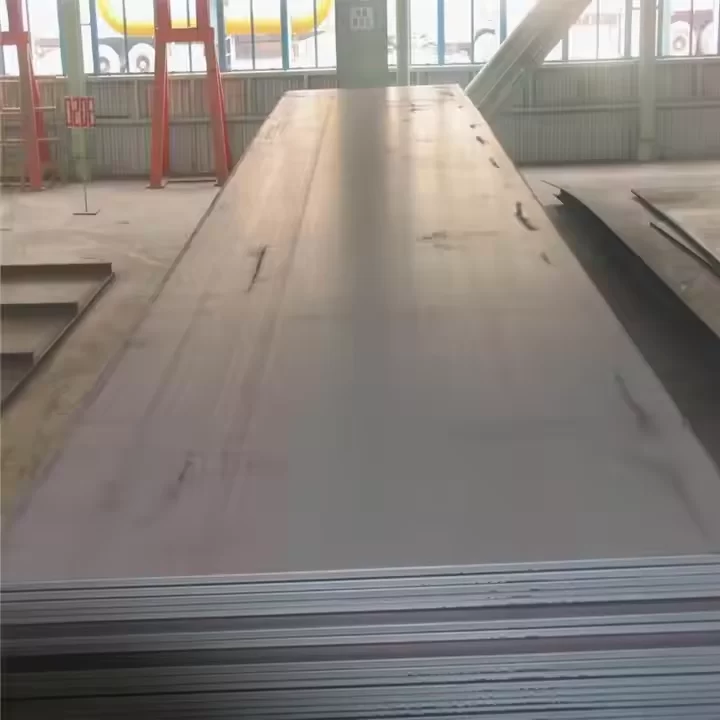
Technical Evolution of Steel Processing in Asia

From traditional carbon steel to advanced atmospheric corrosion-resistant alloys.

Market Development History

Between 2000 and 2010, the Cambodian market relied heavily on basic structural steel, where standard mild steels dominated the construction of simple frameworks without specialized anti-corrosion treatment.

From 2011 to 2020, there was a technical shift toward the use of cor ten steel plate in architectural landmarks and industrial silos, introducing the concept of "protective rust" to the local engineering community.

Since 2021, the focus has evolved toward high-precision rolling and CNC fabrication, ensuring that alloy distributions are uniform, which is critical for the structural integrity of heavy-duty metal structures.

Future Development Trends

Smart Alloy Integration

The next 3 years will see a rise in hybrid alloys that combine the strength of low-alloy steels with enhanced ductility for seismic-resistant structures in the region.

Green Fabrication Processes

Driven by global ESG trends, Cambodia will likely adopt "Green Steel" processing, reducing the carbon footprint of the rolling and heating stages of production.

Digital Twin Modeling

The integration of BIM (Building Information Modeling) with steel fabrication will allow for zero-waste cutting of high-value plates, optimizing material usage for complex designs.

Industry Outlook and Future Prospects

Predicting the trajectory of metal structural manufacturing in the Cambodian market.

Climate-Adaptive Materials
Increased adoption of weathering alloys to combat Cambodia's high humidity and precipitation levels.
Precision Rolling Tech
Shift toward tighter thickness tolerances for high-end architectural and industrial applications.
Modular Fabrication
Preference for prefabricated structural components to accelerate construction timelines in Phnom Penh.
Sustainable Coating
Transitioning from solvent-based paints to the natural oxidation of weathering steels.

Industry Outlook

Based on regional growth data, the demand for specialty steel in Cambodia is projected to grow by 5-8% annually. The trend is moving toward materials that offer a lifetime cost advantage over initial purchase price.

We anticipate that structural engineers in Cambodia will increasingly specify high-grade alloys that eliminate the need for recurring maintenance, aligning with the national goal of sustainable infrastructure development.

Localized Application Scenarios in Cambodia

Practical implementations of high-performance steel in the Cambodian environment.

1. Industrial Warehouses in Phnom Penh

Using low carbon steels for internal frameworks combined with weathering exterior panels to resist the intense tropical heat and humidity.

2. Coastal Port Infrastructure in Sihanoukville

Application of high-density weathering steel plate for quay walls and loading docks to minimize salt-spray corrosion.

3. Modern Architectural Facades

Utilizing corten steel sheets for luxury hotels and commercial hubs, providing a rustic aesthetic that matures naturally over time.

4. Agricultural Storage Silos

Deployment of mild low alloy steel for grain storage structures, ensuring structural rigidity and resistance to biological corrosion.

5. Public Bridge Construction

Integrating high-strength alloy plates for bridge girders in rural provinces, reducing the frequency of painting cycles in remote areas.

Brand Story

Global Development Journey of Xingtai Baidi Technology Co., Ltd.

Foundational Excellence

Established with a vision to solve the fragility of standard steel in harsh environments, focusing on precision rolling technology.

Technical Breakthrough

Mastered the production of high-stability alloy steels, reducing oxidation rates by 40% compared to industry standards.

Global Expansion

Extended supply chains to Southeast Asia, specifically tailoring product specifications for the Cambodian climate.

Certification Success

Achieved international quality certifications, ensuring every plate meets the most rigorous structural safety codes.

Sustainable Future

Now leading the transition to eco-friendly steel fabrication to support green cities across Asia.

Common Questions for Cambodia Steel Projects

Technical guidance on selecting the right steel for regional environmental conditions.

How does cor ten steel plate perform in Cambodia's monsoon season?

It performs exceptionally well; the wet-dry cycles of the monsoon season actually facilitate the formation of the stable protective oxide layer, preventing deep corrosion.

Can corten steel sheets be used for indoor decorative elements in Phnom Penh?

Yes, however, for indoor use, we recommend a clear sealant to prevent the rust particles from shedding onto floors and furniture.

What is the main advantage of mild low alloy steel over standard carbon steel?

The addition of small amounts of alloying elements provides significantly better atmospheric corrosion resistance and higher yield strength without compromising weldability.

Are low carbon steels suitable for high-load structural beams?

While they offer great ductility, for high-load beams in industrial settings, we usually recommend alloying them or utilizing a higher grade of low-carbon structural steel.

How do I specify weathering steel plate for coastal projects in Sihanoukville?

Specify a higher chromium or nickel content alloy to ensure the protective layer remains stable despite the presence of chlorides in the sea air.

What thickness ranges are available for structural corten sheets?

We provide a comprehensive range from thin decorative sheets (1.5mm) to heavy structural plates (over 50mm) depending on project requirements.

Get Expert Steel Consultation

Contact our engineering team to optimize your metal structural manufacturing projects in Cambodia.

Contact Us Now

If you are interested in our products, you can choose to leave your information here, and we will be in touch with you shortly.