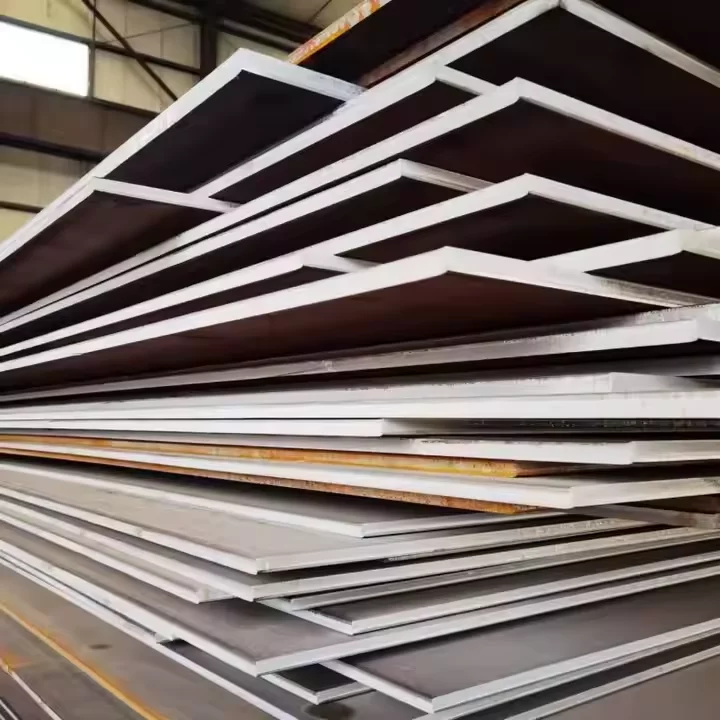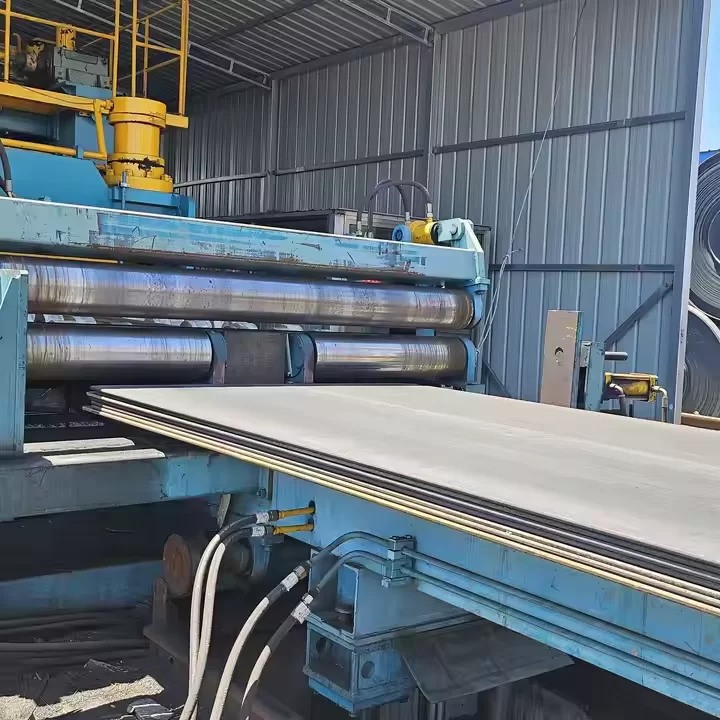
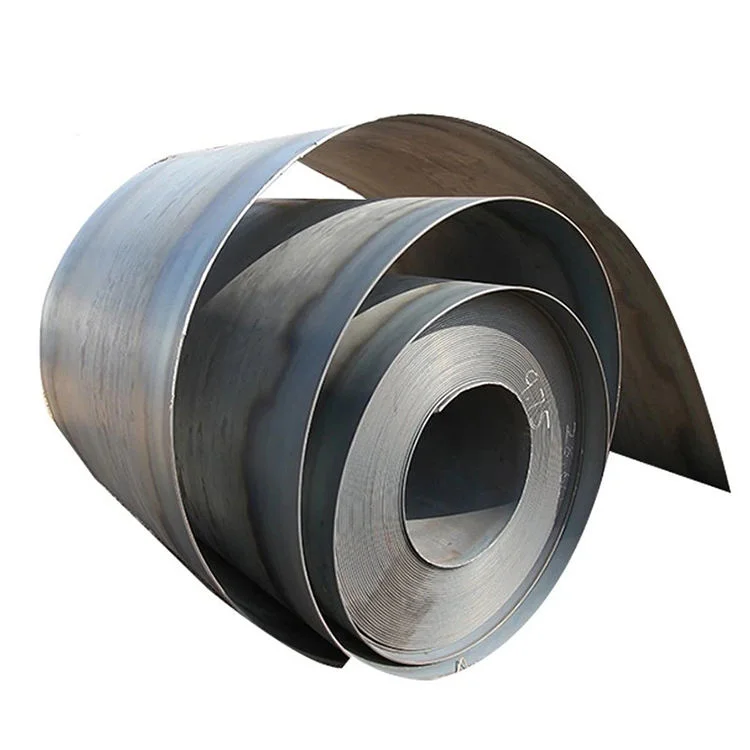
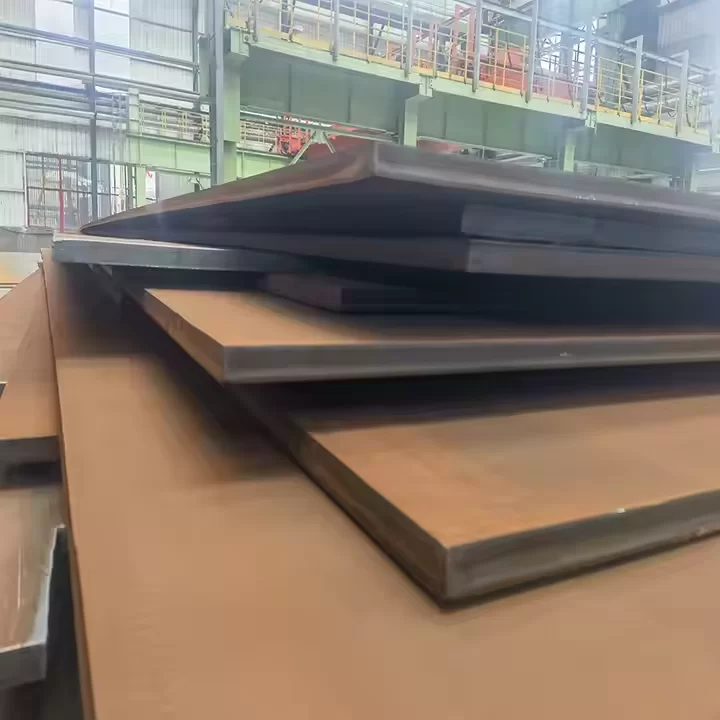
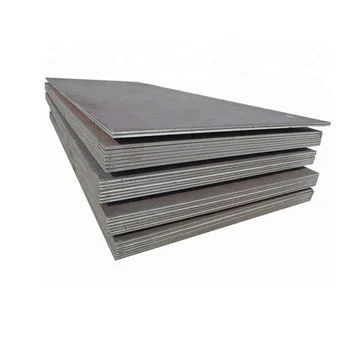
Advanced weathering steel plate Solutions for Turkey’s Infrastructure

Advanced weathering steel plate Solutions for Turkey's Infrastructure

High-performance structural steel engineered for the diverse climatic demands of the Turkish landscape, from the humid coasts of Istanbul to the arid central Anatolia.

Advanced weathering steel plate Solutions for Turkey's Infrastructure

Providing Turkey's metallurgical and construction sectors with precision-rolled steel plates that offer superior corrosion resistance and structural integrity for demanding architectural and industrial projects.

Industrial Landscape of Steel Processing in Turkey

Analyzing the intersection of geography and metallurgy in the Turkish market.

Turkey serves as a critical bridge between European and Asian industrial standards. The regional demand for cor ten steel plate is driven by a surge in modern architectural projects in Istanbul and Ankara, where the aesthetic of "natural rust" blends with historic urban textures.

Geographically, the high salinity of the Aegean and Mediterranean coastlines creates a harsh corrosive environment. This has shifted the local preference toward corten steel sheets, which form a protective patina, reducing the long-term maintenance costs for maritime and coastal infrastructure.

Economically, Turkey's robust automotive and machinery sectors rely heavily on mild low alloy steel to balance tensile strength with weldability, ensuring that industrial components can withstand the rigorous vibrations of heavy-duty manufacturing.
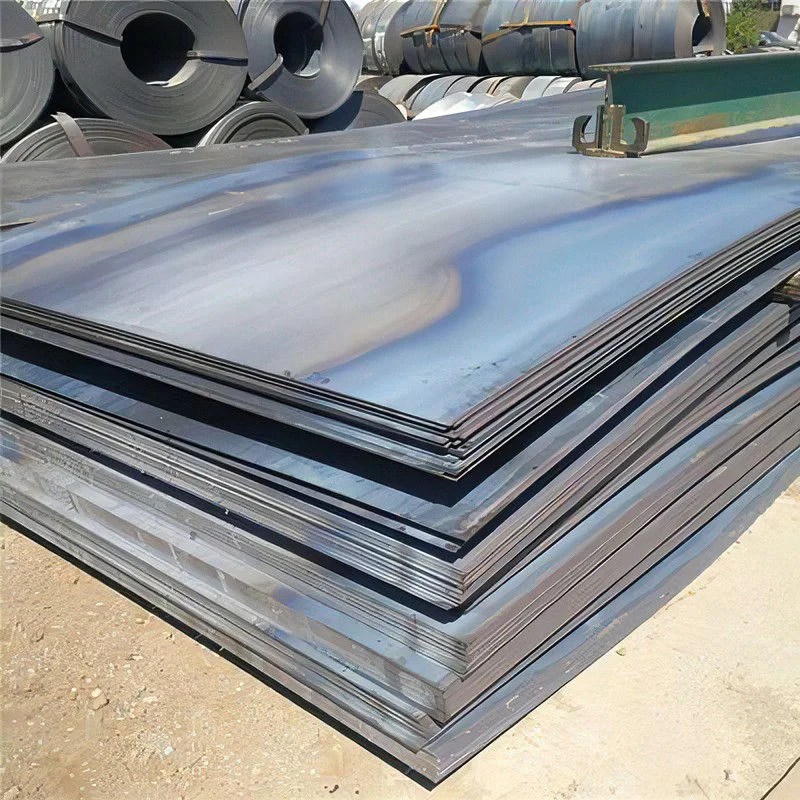
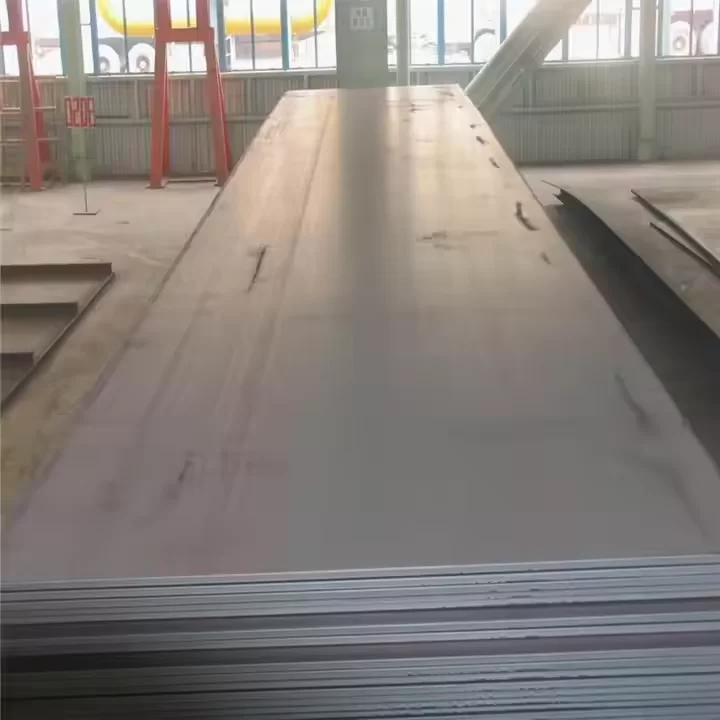
Evolution and Trajectory of Metal Fabrication

From traditional smelting to precision rolling technology.

Market Development History

In the late 20th century, the Turkish steel industry focused primarily on bulk low carbon steels for basic construction, utilizing traditional hot-rolling mills with limited alloy control.

Between 2000 and 2015, there was a strategic shift toward specialization. The adoption of precision metallurgy allowed for the production of complex alloys, integrating international standards for weathering steels to support the expansion of the national rail and bridge networks.

From 2016 to the present, the industry has entered the era of "smart steel," where digitalization in rolling processes ensures tighter tolerances and consistent chemical compositions across all plate thicknesses.

Future Development Trends

Sustainable Green Steel

Driven by EU carbon border adjustments, Turkey is transitioning toward hydrogen-based reduction to produce low-emission alloys.

Nano-Alloy Integration

Incorporating nano-scale precipitates to increase the yield strength of low-alloy steels without sacrificing ductility.

Automated Surface Treatment

The move toward AI-controlled patina acceleration for weathering steels to ensure uniform oxidation in urban environments.

Industry Trends and Future Outlook

Strategic forecasts for the Turkish metallurgical sector.

Eco-Friendly Alloy Design
Shift toward recyclable alloys and carbon-neutral smelting processes to meet global ESG standards.
Digitalized Rolling Control
Implementing Industry 4.0 in steel rolling to achieve micron-level precision in plate thickness.
Advanced Patina Stability
Enhanced alloy chemistry to prevent "bleeding" and ensure a stable aesthetic for urban architecture.
Hybrid Structural Systems
Combining weathering steel with composite materials for lightweight, high-strength bridges.

Industry Outlook

The next 3-5 years will see a significant increase in search volume for "sustainable structural steel" in Turkey, reflecting a market pivot toward durability and low-maintenance materials.

We anticipate that the integration of high-strength weathering alloys will replace traditional painted carbon steels in 40% of Turkey's public infrastructure projects to optimize lifecycle costs.

Local Applications in Turkey

Real-world deployments of high-performance steel solutions.

1. Istanbul Urban Landscaping

Utilization of corten steel sheets for contemporary facades and public art installations that mirror the city's historical depth.

2. Anatolian Bridge Infrastructure

Implementation of weathering steel in bridge girders across central Turkey to eliminate the need for periodic repainting in remote areas.

3. Aegean Port Facilities

Application of corrosion-resistant plates for wharf structures and heavy-duty docking systems exposed to high salinity.

4. Industrial Machinery Chassis

Using mild low alloy steel for heavy machinery frames in the Bursa automotive hub to ensure high fatigue strength.

5. Agricultural Storage Silos

Deployment of specialized low carbon steels for grain storage facilities in the fertile plains of Konya, optimizing cost and durability.

Brand Story

Global Development Journey of Xingtai Baidi Technology Co., Ltd.

Foundation of Excellence

Established with a vision to solve the volatility of steel purity, we began by optimizing the rolling process for industrial plates.

Technical Breakthroughs

Developed proprietary alloy cooling techniques that significantly improved the grain structure of weathering steels.

Global Market Expansion

Expanded our footprint into the Middle East and Europe, adapting our products to diverse regional building codes.

Commitment to Sustainability

Launched our "Green Steel" initiative, focusing on reducing the carbon footprint of every ton of steel produced.

Industry Leadership

Now recognized as a premier partner for complex metal structural manufacturing worldwide, solving the toughest corrosion challenges.

Turkish Market Technical FAQ

Expert answers to common queries regarding specialized steel application.

How does cor ten steel plate perform in coastal cities like Izmir?

In high-chloride environments, we recommend specific alloy grades that enhance the density of the protective patina to prevent excessive pitting corrosion.

What is the primary difference between weathering steel plate and standard carbon steel?

Unlike carbon steel, weathering steel contains copper, chromium, and nickel, which create a stable, rust-like layer that inhibits further oxidation.

Can corten steel sheets be welded using standard methods?

Yes, they are weldable, but we recommend using matching filler metals to ensure the weld seam develops the same patina as the base metal.

When should I choose mild low alloy steel over carbon steel for machinery?

Choose low alloy steel when you require higher yield strength and better atmospheric corrosion resistance without increasing the plate thickness.

Are low carbon steels suitable for cold-forming processes?

Absolutely. Low carbon steels offer excellent ductility and formability, making them ideal for complex bending and stamping operations.

How long does it take for the patina to stabilize on weathering steel?

Depending on the Turkish climate, stabilization typically takes 6 to 24 months of exposure to alternating wet and dry cycles.

Consult Our Metallurgical Experts

Ready to elevate your structural projects in Turkey? Our engineering team is here to provide technical guidance and optimized steel sourcing.

Contact Us Now

If you are interested in our products, you can choose to leave your information here, and we will be in touch with you shortly.