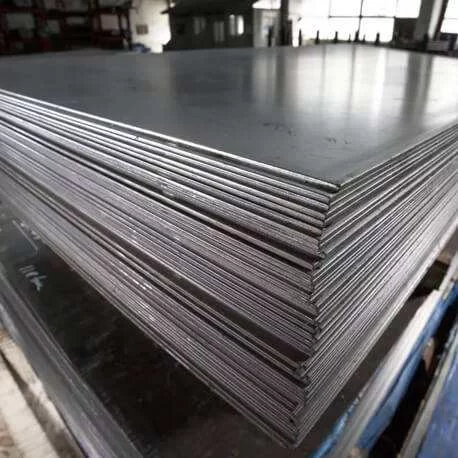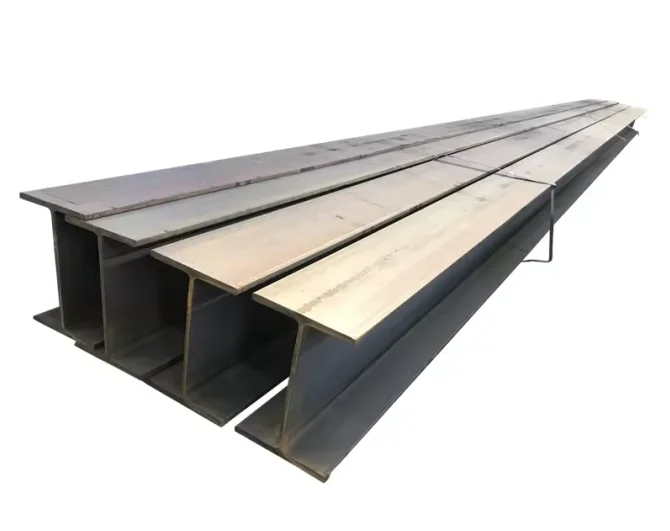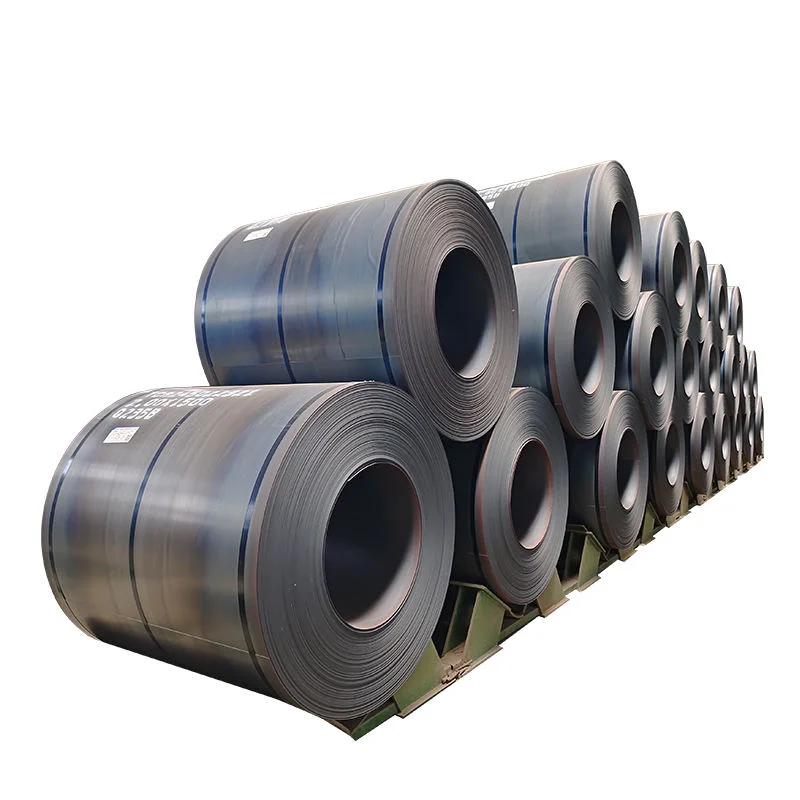
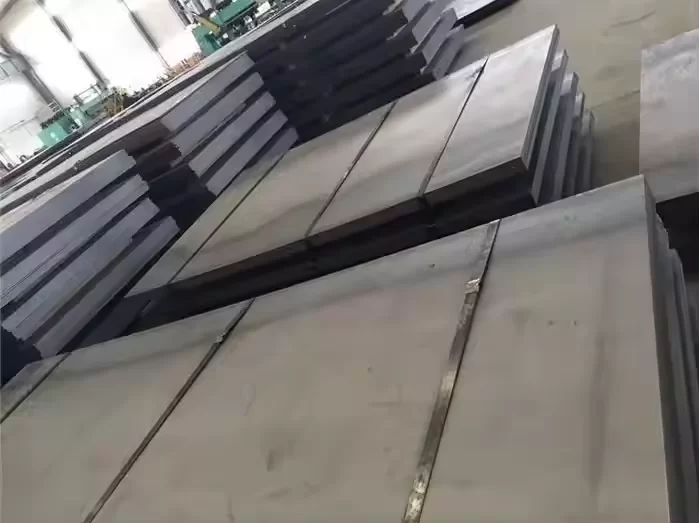
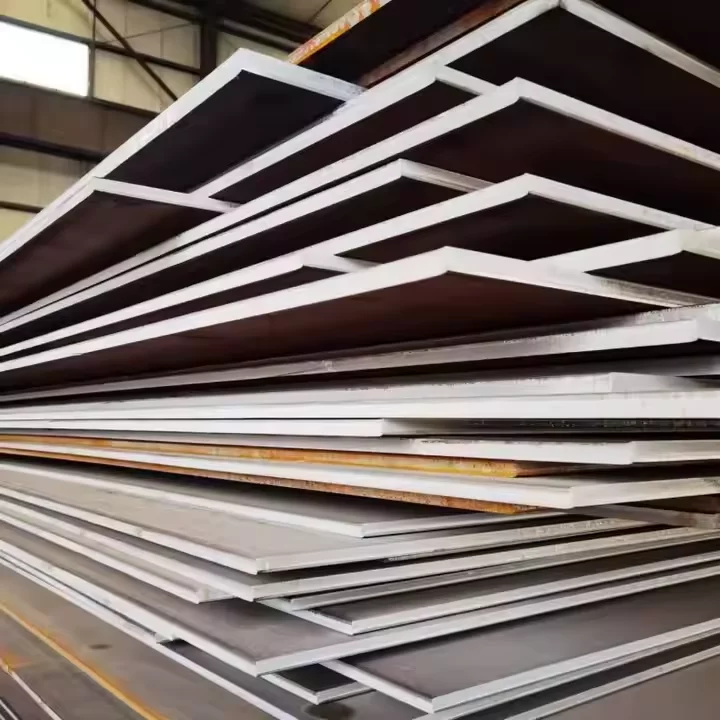
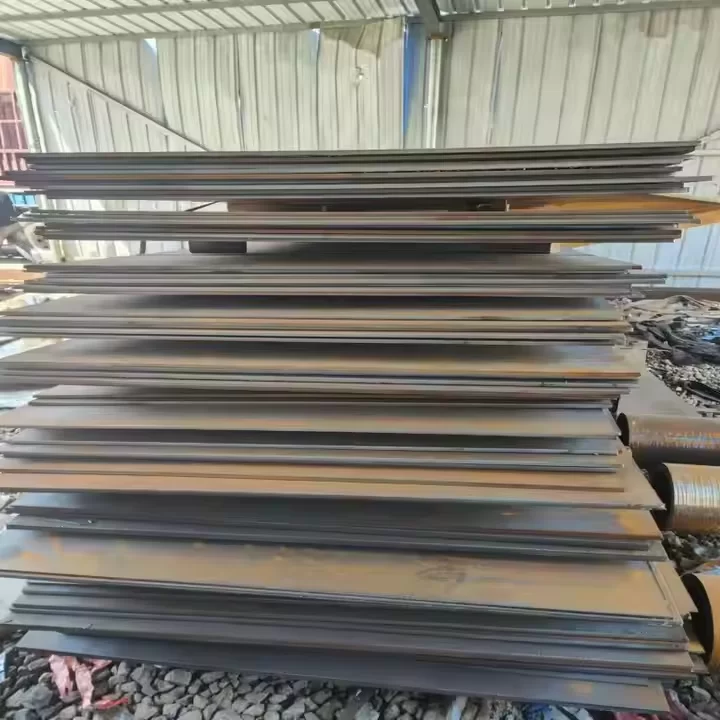
The Belarusian industrial sector is characterized by a heavy reliance on robust metal structures capable of withstanding extreme temperature fluctuations. The use of low carbon steels remains fundamental for general fabrication, but there is a growing shift toward specialized alloys to reduce long-term maintenance costs in humid, continental climates.
Infrastructure projects across Minsk and regional hubs increasingly demand cor ten steel plate for its unique ability to form a protective oxide layer. This is particularly critical for bridge construction and public art installations where traditional painting is impractical due to Belarus's seasonal moisture cycles.
Currently, the local market faces a challenge in balancing cost-efficiency with high-grade durability. The transition from basic mild low alloy steel to advanced atmospheric corrosion-resistant materials is accelerating to meet European export standards and internal modernization goals.