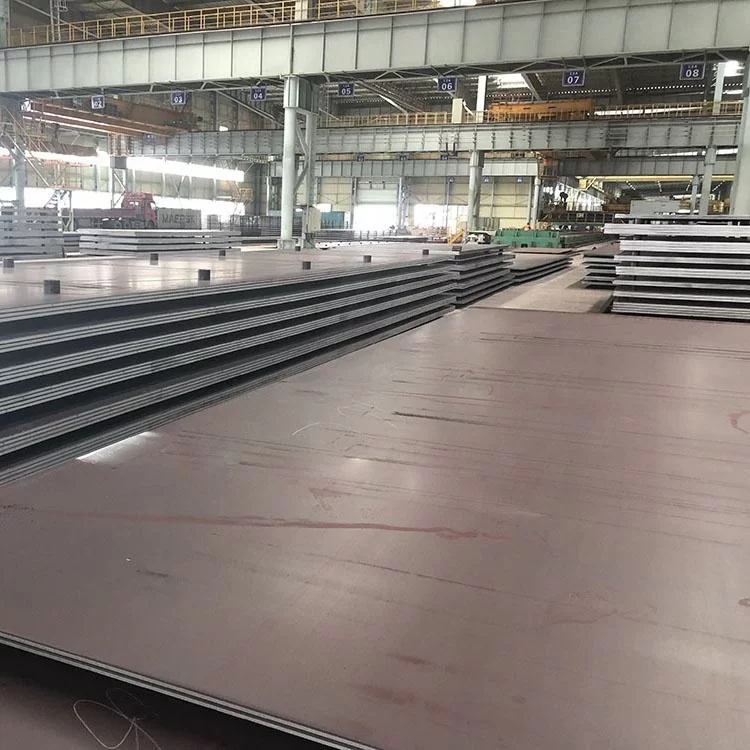
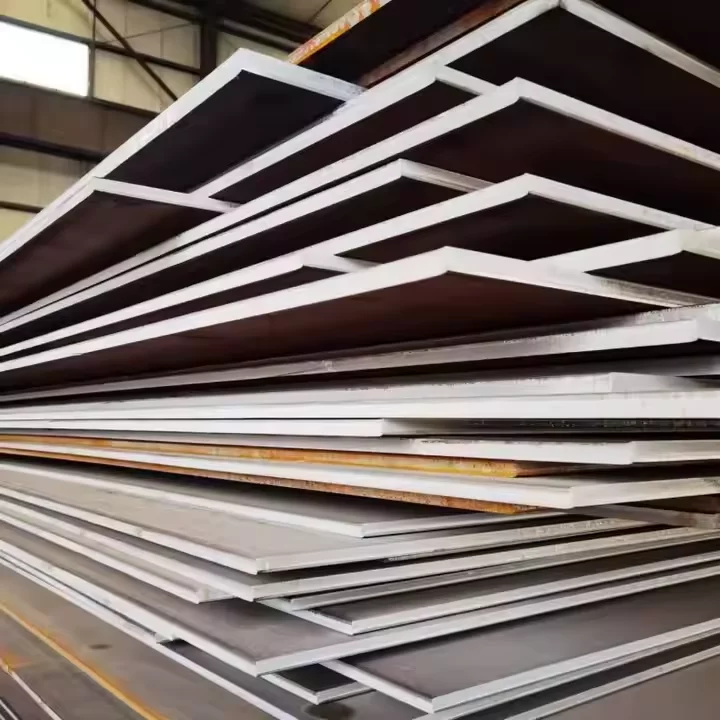
HighPerformance weathering steel plate Solutions for Chile Infrastructure

High-Performance weathering steel plate Solutions for Chile Infrastructure

Providing advanced corrosion-resistant steel solutions tailored for the unique climatic demands of the South American mining and architectural sectors.

Steel Fabrication Landscape in South America - Chile

Analyzing the intersection of geological volatility and industrial demand.

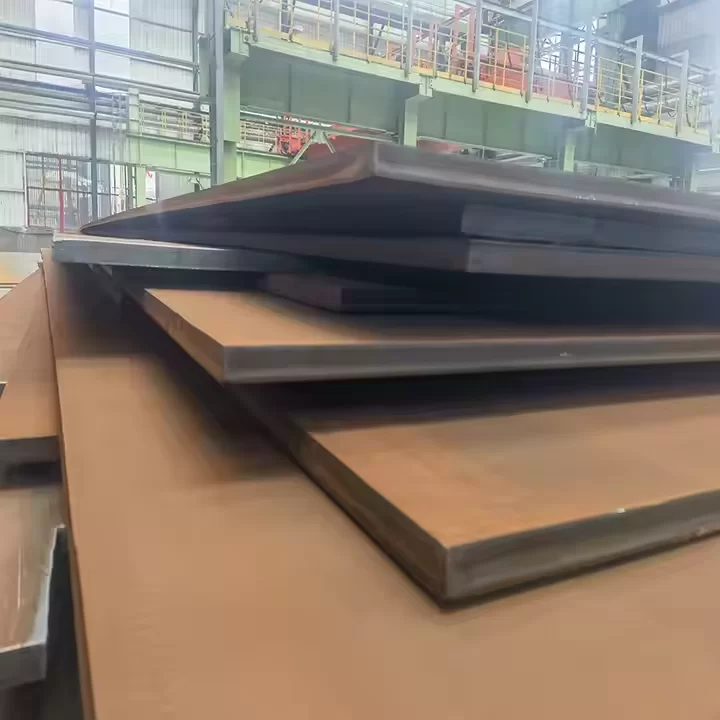
Chile's industrial sector is heavily defined by its massive copper mining operations and vast coastline. This creates a critical need for cor ten steel plate, as the atmospheric corrosion in the Atacama Desert and the humid Pacific coast requires materials that form a stable, protective rust layer.

The local market has transitioned from relying on basic carbon steels to specifying low carbon steels for general fabrication, while high-stress structural components now demand superior alloys to resist the seismic activities frequent in the region.

Furthermore, the integration of mild low alloy steel has become standard for medium-scale industrial projects, balancing cost-efficiency with the mechanical strength required for heavy-duty mineral transport infrastructure.
Evolution of Steel Processing and Fabrication

From traditional rolling to precision alloy engineering.

Market Development History

In the late 20th century, Chile primarily utilized basic mild steels for construction, which required frequent repainting and maintenance due to the aggressive saline environment of the coast.

Between 2000 and 2015, the industry saw a shift toward corten steel sheets for architectural facades and bridge reinforcements, reducing long-term maintenance costs through the "self-protecting" patina logic.

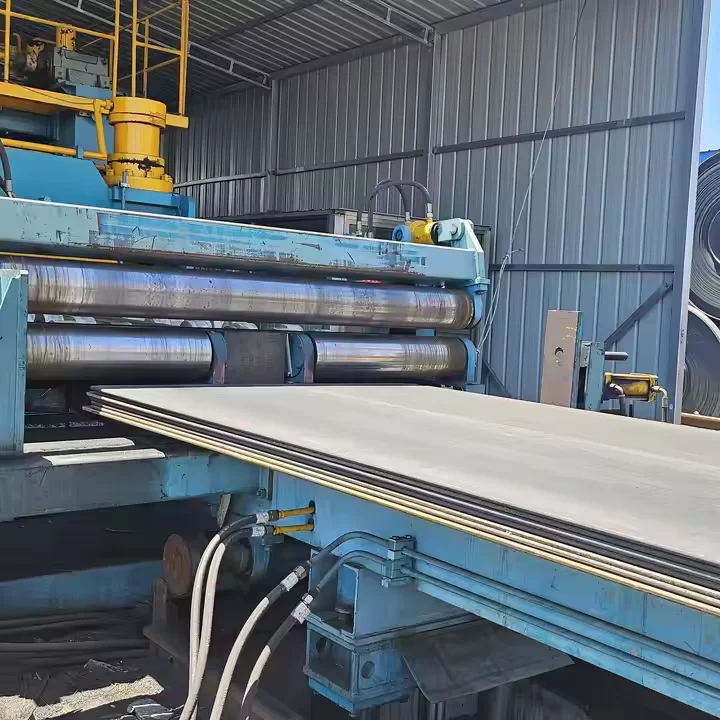
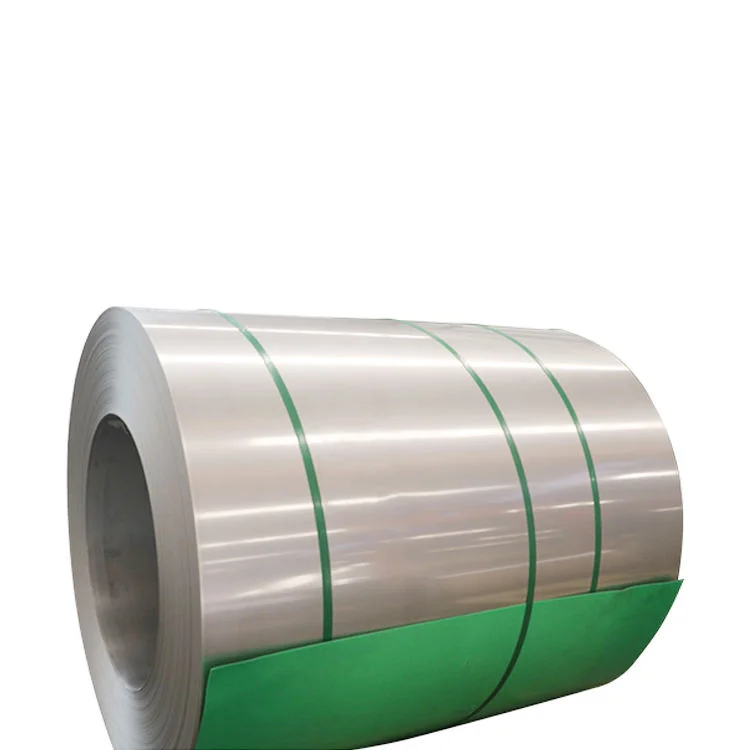
Currently, the focus has shifted toward precision-rolled alloys and automated laser cutting, enabling the fabrication of complex metal structures that meet strict international seismic safety codes.

Future Development Trends

Digital Twin Integration

The adoption of BIM and digital twinning is optimizing the use of high-strength alloys, reducing waste in the fabrication of large-scale mining scaffolds.

Sustainable Alloying

A trend toward "green steel" is emerging, where the production of low carbon steels is coupled with renewable energy sources to meet Chile's carbon neutrality goals.

Nanotechnology Coatings

Combining weathering steel with nano-coatings to accelerate the formation of the protective oxide layer in high-humidity coastal zones.

Industry Outlook and Future Projections

Predicting the trajectory of steel rolling and structural fabrication.

Seismic-Resilient Design
Increased demand for high-ductility alloys that can absorb energy during tectonic shifts in the Andean region.
Modular Fabrication
Shift toward off-site precision rolling and assembly to reduce installation time in remote mining sites.
Corrosion Control
Enhanced alloying elements to optimize patina formation in high-salinity marine environments.
Smart Material Tracking
Using RFID and QR systems to track heat numbers and material certifications throughout the supply chain.

Industry Outlook

Google search trends indicate a rising interest in "sustainable construction materials" and "maintenance-free steel" within the South American market. This suggests that the demand for weathering steel will grow as developers seek to lower Life Cycle Costs (LCC).

Over the next 3-5 years, we expect a surge in the integration of high-strength, low-alloy steels for wind energy towers in the Patagonia region, combining the stability of heavy rolling with the weight-saving benefits of modern metallurgy.

Localized Applications in Chile

Real-world implementations of high-performance steel across diverse Chilean terrains.

1. Mining Infrastructure in Antofagasta

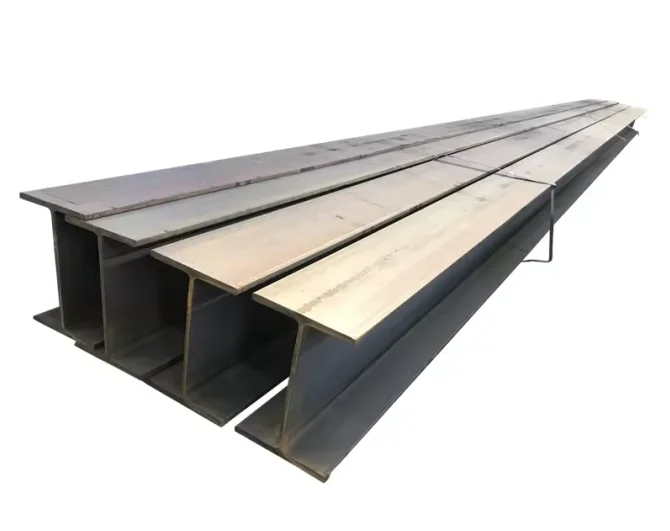
Utilizing thick weathering steel plate for conveyor belt supports and mineral processing plants, where resistance to abrasive dust and oxidation is paramount.

2. Coastal Bridge Engineering in Valparaíso

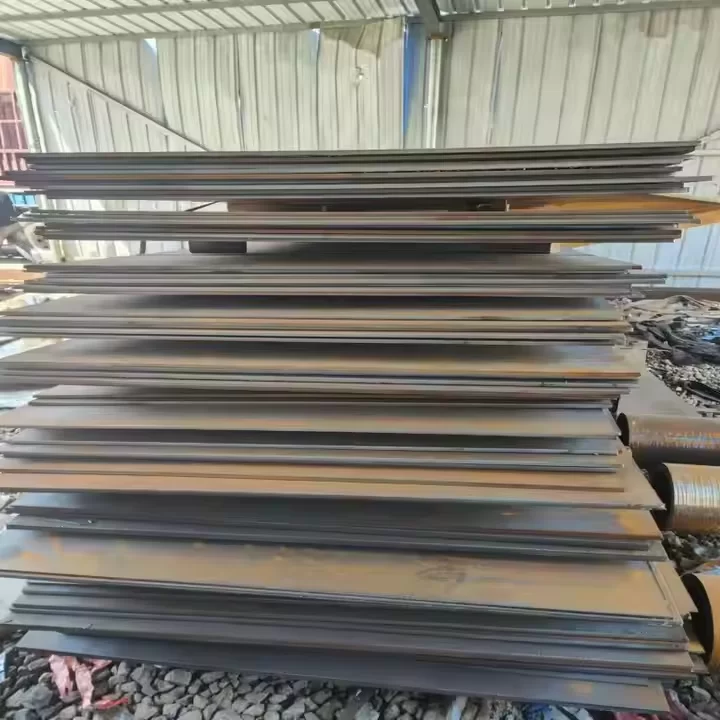
Implementing corten steel sheets for structural elements and railings that withstand the constant corrosive salt spray of the Pacific Ocean.

3. Architectural Landmarking in Santiago

Integrating weathering alloys into modern urban facades to create an aesthetic, industrial look that requires zero painting and minimal maintenance.

4. Agricultural Storage in Central Valley

Using mild low alloy steel for the construction of large-scale silos and equipment frames for the wine and fruit export industry.

5. Heavy Machinery Frameworks

Deploying low carbon steels for the fabrication of custom chassis and industrial components used in mountain-terrain transport.

Brand Story

Global Development Journey of Xingtai Baidi Technology Co., Ltd.

Foundation and Core Vision

Established with a mission to solve the critical failure of standard steel in extreme environments, focusing on precision rolling and metallurgical purity.

Technological Breakthroughs

Developed advanced thermal processing techniques to ensure consistent patina formation and superior tensile strength for alloy plates.

Global Expansion

Extended operations to South America, tailoring product specifications to meet the seismic and climatic demands of the Chilean market.

Quality Certification

Achieved international ASTM and EN standards, ensuring every plate delivered is traceable and reliable for critical structural use.

Commitment to Sustainability

Investing in low-emission production processes to provide the next generation of eco-friendly structural steel for global infrastructure.

Chilean Market Technical FAQ

Addressing the most common technical concerns regarding steel fabrication in the region.

How does cor ten steel plate perform in high-salinity coastal areas like Antofagasta?

While weathering steel is designed for atmospheric corrosion, extreme salt spray can hinder patina formation. We recommend specific alloy grades with higher Chromium and Nickel content to ensure a stable protective layer in coastal Chile.

What are the advantages of using low carbon steels for industrial frameworks?

Low carbon steels offer excellent weldability and ductility, making them ideal for complex metal structures that require frequent modification or those exposed to moderate seismic stress.

Can corten steel sheets be welded without losing their weathering properties?

Yes, by using matching filler metals with similar alloy compositions, the weld seam will develop the same protective oxide layer as the base plate, maintaining structural and aesthetic integrity.

When should I choose mild low alloy steel over standard carbon steel?

Choose mild low alloy steel when you require increased yield strength and better toughness without significantly increasing the weight of the structure, which is critical for mining machinery.

What is the expected lifespan of weathering steel in the Andean alpine climate?

In the dry, high-altitude environment of the Andes, weathering steel typically exceeds the lifespan of painted steel by 30-50% due to the lack of moisture-driven peeling and corrosion.

Do you provide customized thickness for structural weathering plates?

Yes, we provide precision rolling services to deliver customized thicknesses and dimensions, ensuring that metal structural fabrication projects in Chile optimize material usage and cost.

Get Professional Steel Consultation

Contact our engineering team today for high-performance steel solutions delivered directly to your project site in Chile.

Contact Us Now

If you are interested in our products, you can choose to leave your information here, and we will be in touch with you shortly.