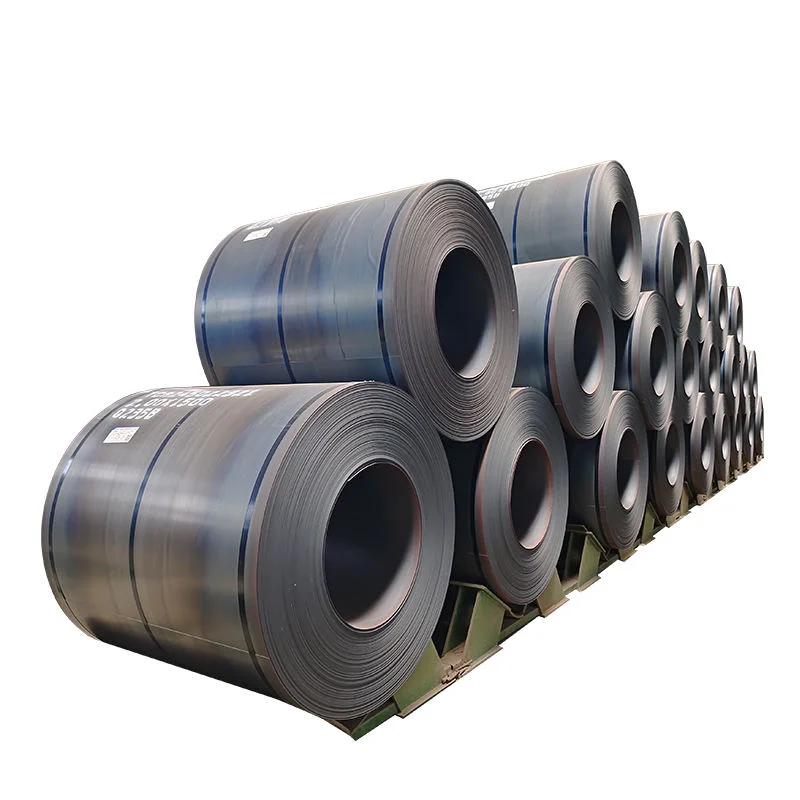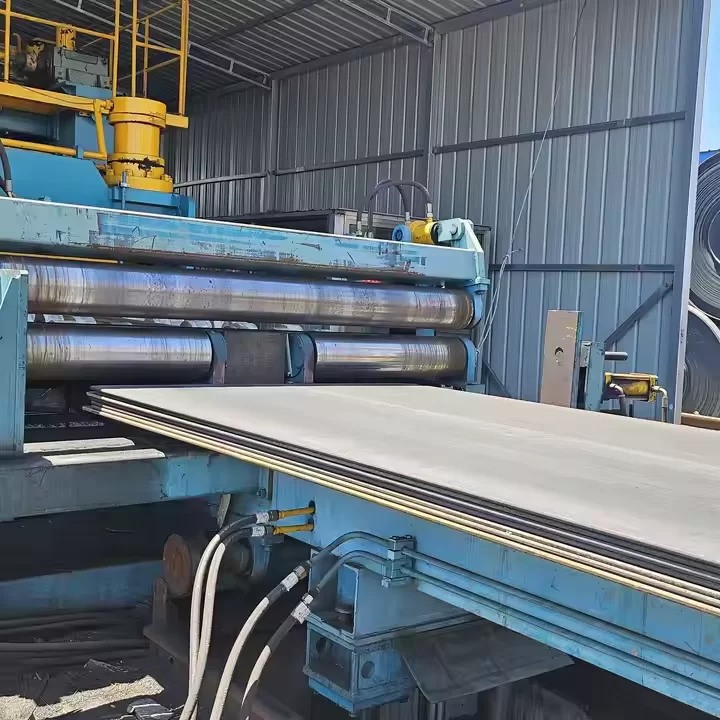
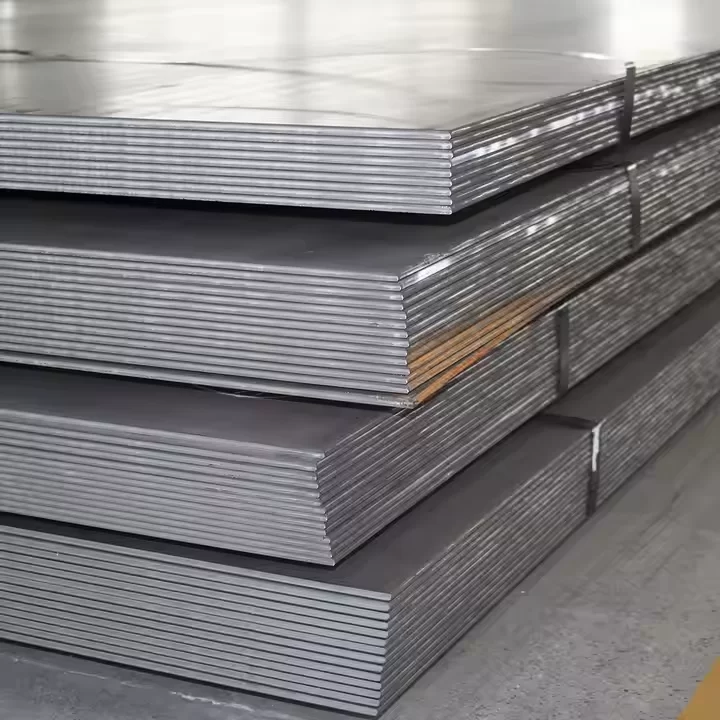
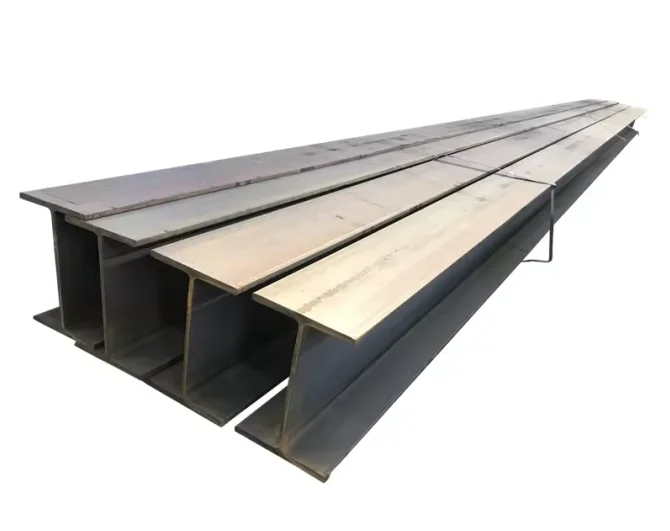
HighPerformance weathering steel plate Solutions for Kuwait Infrastructure

High-Performance weathering steel plate Solutions for Kuwait Infrastructure

Engineered for extreme desert climates, providing superior corrosion resistance and structural integrity for Kuwait's industrial and architectural evolution.

Steel Fabrication Landscape in Kuwait

Analyzing the impact of hyper-arid climates and saline air on metal structures.

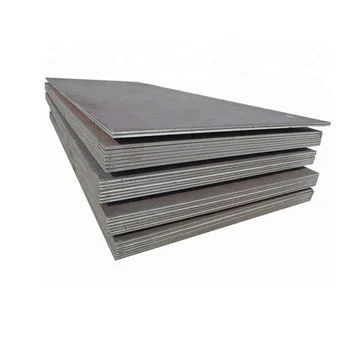
Kuwait's industrial sector faces unique challenges due to extreme temperature fluctuations and high humidity near the coast. The demand for cor ten steel plate has surged as engineers seek materials that can form a protective patina, reducing the need for frequent repainting in harsh desert conditions.

Current infrastructure projects are shifting away from traditional carbon steels toward mild low alloy steel to balance cost-effectiveness with enhanced mechanical properties. This shift is driven by the need for structures that can withstand the abrasive effects of sandstorms and high UV radiation.

The local market now emphasizes the use of low carbon steels for general fabrication, but for critical structural elements exposed to the elements, the adoption of weathering alloys is becoming the gold standard for sustainable urban development in Kuwait City and surrounding industrial zones.
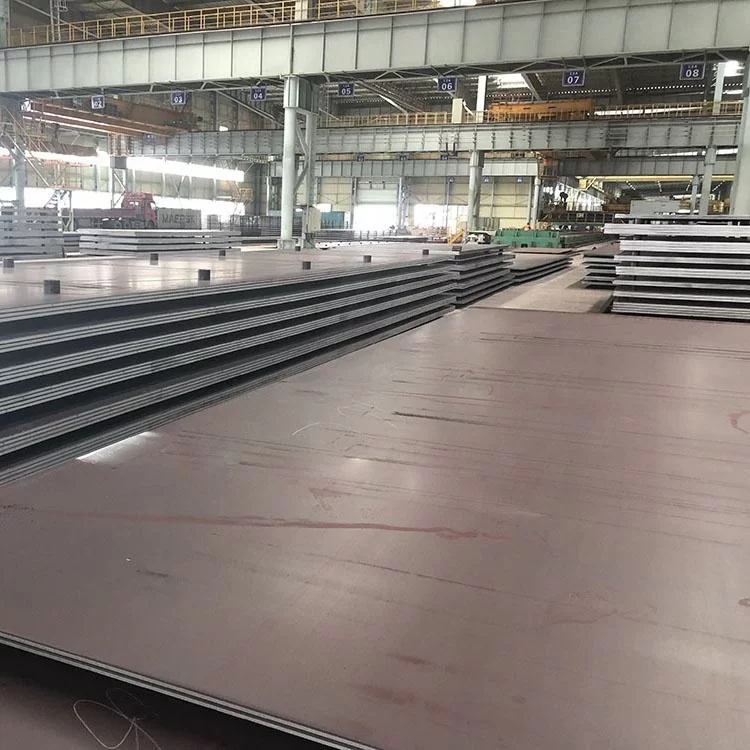
Evolution of Steel Processing in Kuwait

From basic fabrication to advanced atmospheric corrosion-resistant technology.

Market Development History

In the early 1980s, Kuwait relied heavily on imported standard carbon steels, which required thick protective coatings to survive the saline environment. The primary focus was on oil and gas pipelines using basic structural grades.

By the 2000s, a technical transition occurred. The introduction of corten steel sheets allowed for architectural innovation, where the steel's own oxidation layer provided protection, reducing maintenance costs for public monuments and industrial facades.

From 2015 to the present, the industry has integrated precision rolling and advanced alloying. The focus has shifted toward high-strength, low-alloy variants that combine the weldability of mild steel with the durability of weathering alloys.

Future Development Trends

Nano-Coating Integration

Integrating nano-ceramic layers with weathering steel to accelerate the formation of the protective patina in low-humidity interior desert regions.

Green Steel Initiatives

A move toward low-emission production methods for low-carbon alloys to align with Kuwait's Vision 2035 sustainability goals.

Smart Alloy Monitoring

The use of embedded sensors within structural steel plates to monitor real-time corrosion rates and structural fatigue in bridge infrastructures.

Future Outlook of Kuwait's Steel Industry

Strategic directions for high-durability metal structure manufacturing.

Climate-Adaptive Alloys
Development of steels specifically tuned for the thermal expansion cycles of the Kuwaiti desert.
Automated Precision Rolling
Implementing AI-driven thickness control for plates to ensure absolute uniformity in large-scale projects.
Modular Steel Systems
Increasing the use of prefabricated weathering steel modules to reduce on-site labor in extreme heat.
Sustainability Certification
Standardizing LEED-compliant steel sourcing for Kuwait's new architectural landmarks.

Industry Outlook

Google search trends for "sustainable building materials" in the Gulf region indicate a sharp rise in interest for low-maintenance metals. This suggests a pivot toward materials that offer natural protection without chemical paints.

Over the next 3-5 years, we expect a convergence of metallurgy and digitalization, where the specific alloy composition is tailored to the GPS coordinates of the installation site to optimize corrosion resistance.

Local Applications in Kuwait

Real-world deployment of advanced steel solutions across Kuwait's landscape.

1. Oil Refinery Storage Facilities

Utilizing weathering steel for tank supports and catwalks to prevent structural degradation in high-saline coastal industrial zones.

2. Urban Architectural Facades

Implementing weathering steel sheets for modern corporate buildings in Kuwait City to achieve a unique aesthetic that evolves with the environment.

3. Highway Bridge Guardrails

Using high-strength low-alloy steel for road safety barriers that resist the corrosive effects of salt-heavy desert soil.

4. Public Art and Monuments

Creating large-scale outdoor sculptures that leverage the self-protecting rust layer, eliminating the need for repetitive painting.

5. Logistics Hub Warehousing

Employing high-grade carbon steels for heavy-duty racking and structural frames in temperature-controlled logistics centers.

Brand Story

Global Development Journey of Xingtai Baidi Technology Co., Ltd.

Founding Vision

Established to solve the critical pain point of material degradation in extreme climates through precision steel rolling.

Technical Breakthrough

Perfecting the alloy balance for weathering steels to ensure rapid patina formation in both humid and arid zones.

Global Expansion

Expanding our footprint to the Middle East, tailoring our product line to meet the rigorous standards of the Gulf region.

Quality Certification

Achieving international standards for low-alloy steel production, ensuring every plate meets global engineering codes.

Future commitment

Committing to the delivery of zero-maintenance steel solutions for the world's most challenging environments.

Common Questions in the Kuwait Steel Market

Expert answers to technical queries regarding atmospheric corrosion-resistant steels.

How does weathering steel plate perform in Kuwait's high-salinity coastal areas?

In high-salinity areas, the protective patina may take longer to stabilize. We recommend specific alloy grades of weathering steel that are optimized for chloride-rich environments to ensure long-term protection.

What is the main difference between corten steel sheets and standard mild steel?

Corten steel contains copper, chromium, and nickel, which allow it to form a stable rust-like layer that inhibits further corrosion, whereas standard mild steel requires paint or galvanization to prevent rust.

Can low carbon steels be used for structural frames in desert environments?

Yes, they are excellent for indoor or coated structures. However, for exposed elements, switching to a low alloy variant is preferred to prevent surface pitting caused by wind-blown sand.

What are the welding requirements for mild low alloy steel in industrial projects?

Mild low alloy steels are generally weldable using standard MIG/TIG processes, but we recommend matching filler metals to maintain the corrosion-resistant properties at the weld joint.

How long does it take for a cor ten steel plate to develop its protective patina?

Depending on the humidity and weather cycles in Kuwait, the stable patina typically forms within 6 to 18 months of exposure to the natural elements.

Are there specific thickness standards for weathering steel used in Kuwait's infrastructure?

Thickness is determined by structural load calculations, but for atmospheric exposure, we suggest a minimum thickness that accounts for the initial oxidation phase to ensure structural margins are maintained.

Request a Technical Consultation

Contact our engineering team for customized steel solutions tailored to the unique environmental demands of Kuwait.

Contact Us Now

If you are interested in our products, you can choose to leave your information here, and we will be in touch with you shortly.