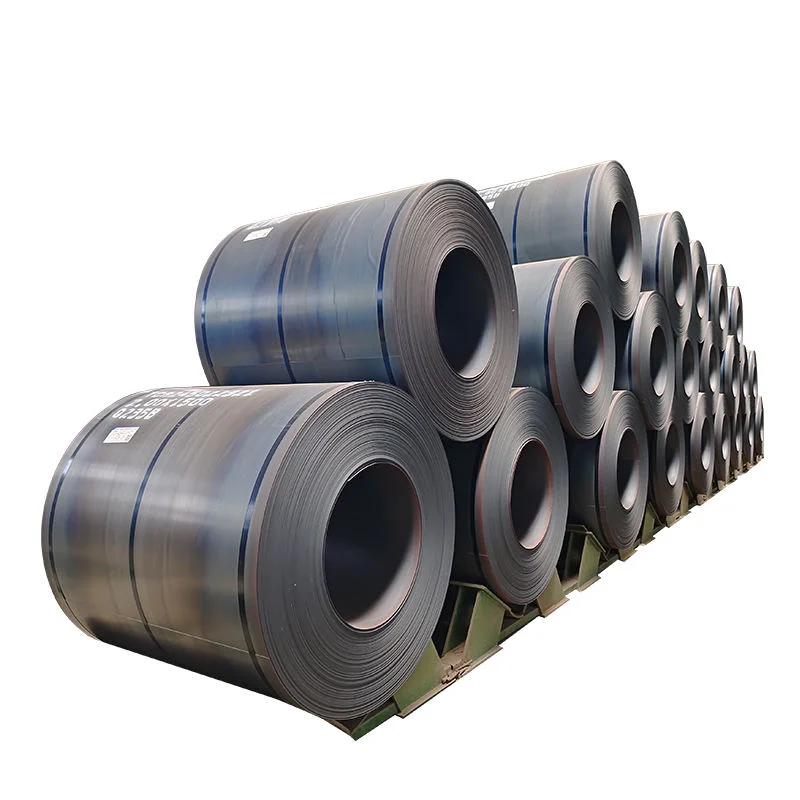
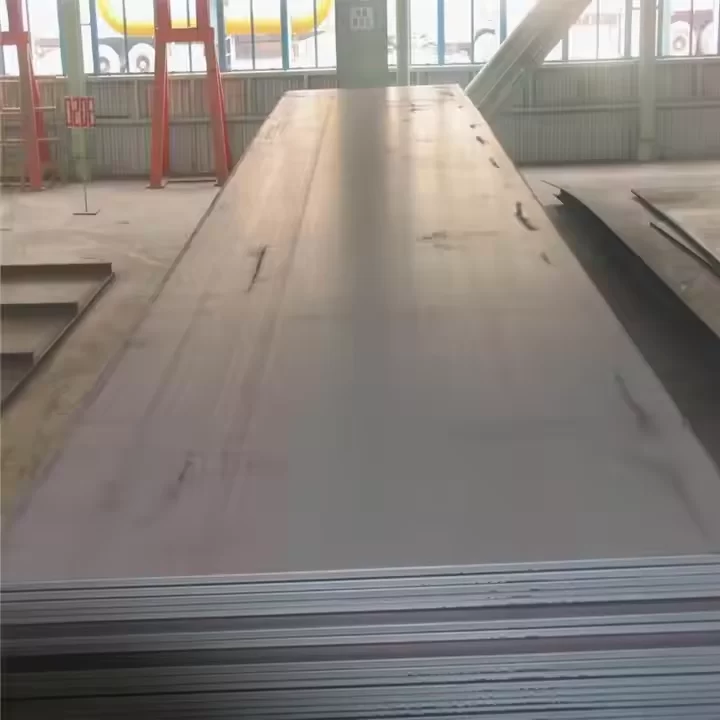
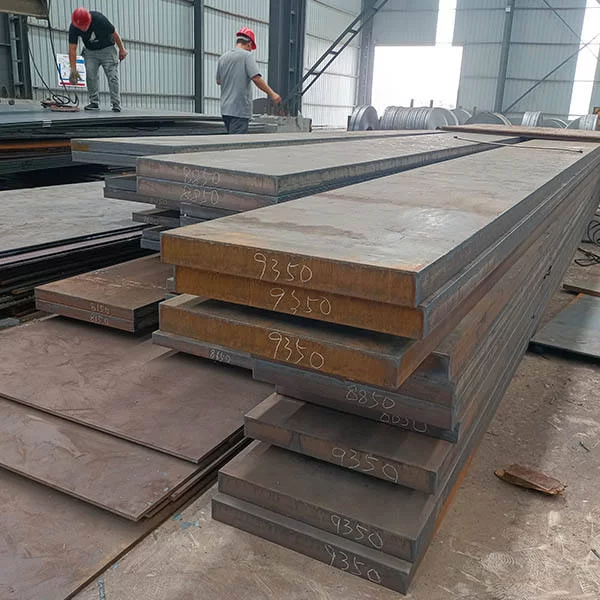
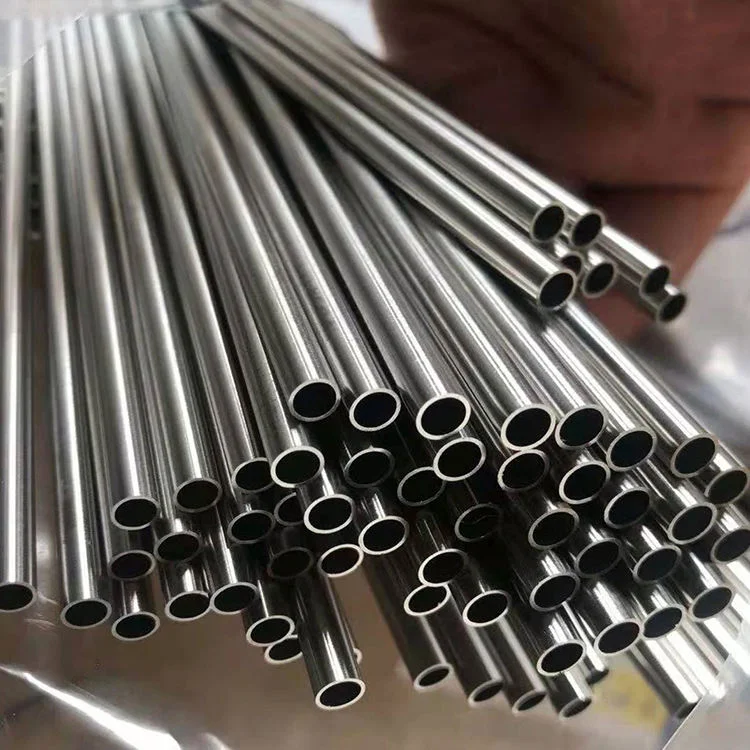
HighPerformance weathering steel plate Solutions for Poland’s Industrial Infrastructure

High-Performance weathering steel plate Solutions for Poland's Industrial Infrastructure

Providing precision-engineered structural steel tailored for the harsh climatic conditions and architectural demands of the Polish market.

High-Performance weathering steel plate Solutions for Poland's Industrial Infrastructure

Our comprehensive range of structural steel provides unmatched durability and corrosion resistance, ensuring the longevity of heavy-duty metal structures across Poland.

The State of Structural Steel Fabrication in Poland

Analyzing the intersection of metallurgy and the Polish environmental landscape.

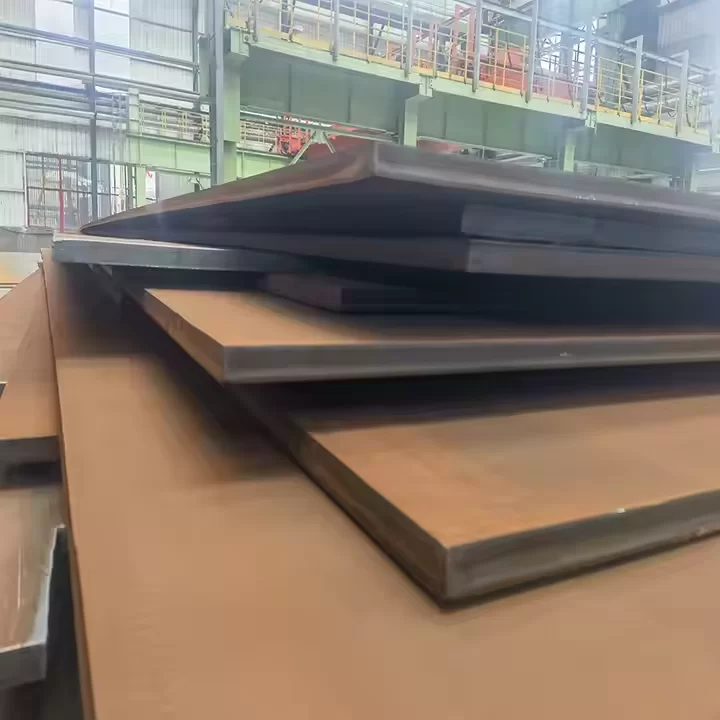
Poland's industrial landscape is characterized by a rigorous climate with significant temperature fluctuations and humidity, which places immense stress on metal structures. The demand for cor ten steel plate has surged as engineers seek materials that eliminate the need for constant painting and maintenance in corrosive environments.

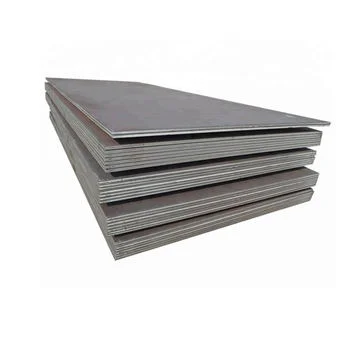
The local manufacturing sector is currently transitioning toward higher efficiency in steel rolling. There is a growing preference for low carbon steels to facilitate easier welding and forming in the construction of complex industrial frameworks and machinery components.

Economically, Poland serves as a logistics hub for Central Europe, driving a need for high-strength mild low alloy steel in the development of bridge systems and transport infrastructure that can withstand heavy axial loads and seasonal weathering.
Evolution and Trajectory of Steel Processing

From traditional smelting to precision alloying for modern European standards.

Market Development History

In the late 20th century, the Polish steel industry relied heavily on basic carbon steels. The 1990s marked a shift toward standardization with EU norms, introducing more precise control over alloying elements to produce reliable corten steel sheets for architectural use.

Between 2005 and 2015, the focus shifted toward "Weathering Steel" technology. This era saw the widespread adoption of atmospheric corrosion-resistant alloys that form a stable protective rust layer, reducing lifetime maintenance costs for Polish railway and road bridges.

Modern iterations have focused on the integration of automated rolling mills and CNC precision cutting, allowing for the production of high-tolerance sheets that meet the strict requirements of the contemporary metal structure manufacturing sector.

Future Development Trends

Green Steel Integration

The push for decarbonization in Poland will drive the adoption of hydrogen-based reduction processes, creating "Green" versions of alloy steels with lower carbon footprints.

Nanostructured Alloys

Future iterations of weathering steels will likely incorporate nano-scale precipitates to enhance toughness at extremely low temperatures, common in Polish winters.

Smart Corrosion Monitoring

Integration of IoT sensors within structural steel frameworks to monitor the thickness of the protective patina in real-time, optimizing safety inspections.

Industry Trends and Future Outlook

Strategic forecasting for the metallurgical sector in Central Europe.

Sustainable Metallurgy
Shift towards recycled scrap melting and electric arc furnaces to meet EU emissions targets.
Precision Automation
Adoption of AI-driven rolling processes to achieve micron-level thickness consistency.
Alloy Diversification
Developing specialized low-alloy variants for extreme cryogenic or high-heat industrial use.
Modular Construction
Growth in prefabricated steel modules to reduce on-site installation time in Polish cities.

Industry Outlook

Based on Google Search Trends for "sustainable building materials" and "industrial steel" in Europe, we anticipate a 15% increase in demand for high-durability alloys. The shift toward circular economy models means that steel's recyclability will be its primary competitive advantage over composites.

In the next 3-5 years, the Polish market will likely prioritize materials that combine structural strength with aesthetic longevity, solidifying the role of weathering steel in both public infrastructure and modern urban architecture.

Localized Applications in Poland

Practical implementations of high-grade steel across diverse Polish sectors.

01. Railway Infrastructure in Warsaw

Utilization of weathering steel for rail bridges and support structures to combat the salts used during winter road maintenance, ensuring a corrosion-resistant patina.

02. Industrial Warehouses in Silesia

Implementation of precision-rolled structural steel for high-span warehouses, focusing on load-bearing capacity and weldability for rapid assembly.

03. Architectural Facades in Kraków

Application of decorative weathering steel sheets for museum extensions and public squares, blending historical brick aesthetics with modern industrial design.

04. Port Structures in Gdańsk

Use of high-strength low-alloy steels for maritime cranes and docking frameworks to withstand the highly saline and humid Baltic coast environment.

05. Agricultural Silos in Greater Poland

Deployment of carbon steel sheets for grain storage and livestock housing, emphasizing cost-efficiency and structural rigidity.

Brand Story

Global Development Journey of Xingtai Baidi Technology Co., Ltd.

Foundation of Excellence

Established with a vision to solve the instability of structural alloys, we began by perfecting the rolling process for basic industrial steels.

Technological Breakthrough

Developed proprietary alloying techniques to enhance the atmospheric corrosion resistance of our weathering steel series.

European Expansion

Aligned our production standards with EN norms to enter the European market, specifically targeting the heavy industrial needs of Poland.

Quality Certification

Achieved global certifications for quality management, ensuring every plate delivered meets the most stringent safety and durability criteria.

Future Vision

Committing to a "Green Steel" future, reducing the carbon footprint of structural manufacturing for a sustainable global infrastructure.

Polish Market Technical FAQ

Expert answers to common technical queries regarding alloy and structural steels.

How does weathering steel plate perform in Polish winters?

Our weathering steel is engineered to maintain structural integrity at low temperatures, while the protective oxide layer remains stable despite the freeze-thaw cycles typical of the region.

What are the primary advantages of mild low alloy steel for bridge construction?

It provides a superior strength-to-weight ratio compared to carbon steel, reducing the dead load of the structure while offering enhanced resistance to fatigue and stress corrosion.

Are corten steel sheets suitable for interior architectural use in Poland?

Yes, they are highly valued for their unique industrial aesthetic. For interiors, we recommend a sealant to stabilize the patina and prevent rust runoff on flooring.

How do low carbon steels compare in terms of weldability for custom fabrication?

Low carbon steels offer the best weldability, minimizing the risk of cold cracking and reducing the need for extensive pre-heating during the fabrication process.


What is the typical lead time for bulk deliveries of weathering steel to Poland?

Depending on the thickness and volume, lead times are optimized through our strategic logistics network to ensure timely delivery to major Polish industrial hubs.


Can you provide customized thickness options for specialized metal structure manufacturing?

Yes, we offer precision rolling services to provide customized thickness and dimensions tailored to the specific engineering blueprints of your project.


Get Expert Steel Consultation

Connect with our technical team to secure the highest grade structural steel for your projects in Poland.

Contact Us Now

If you are interested in our products, you can choose to leave your information here, and we will be in touch with you shortly.