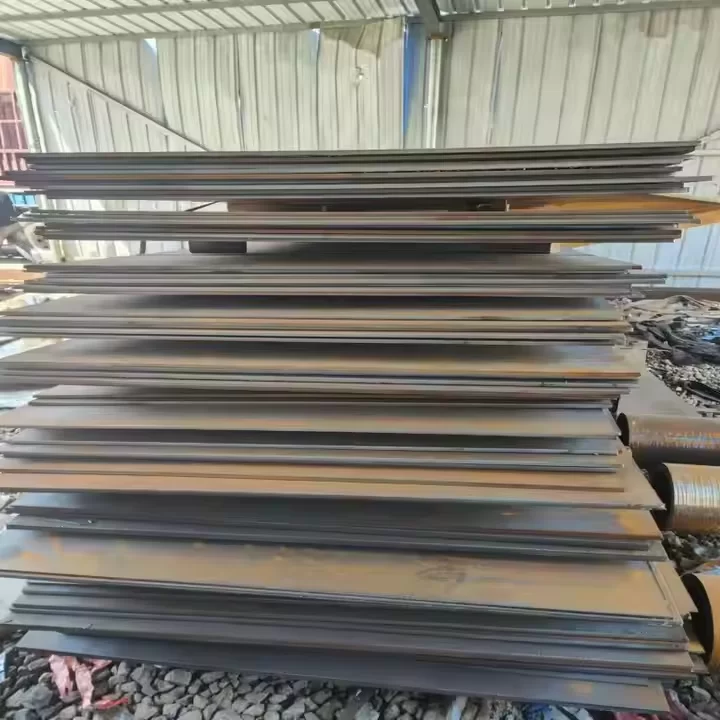
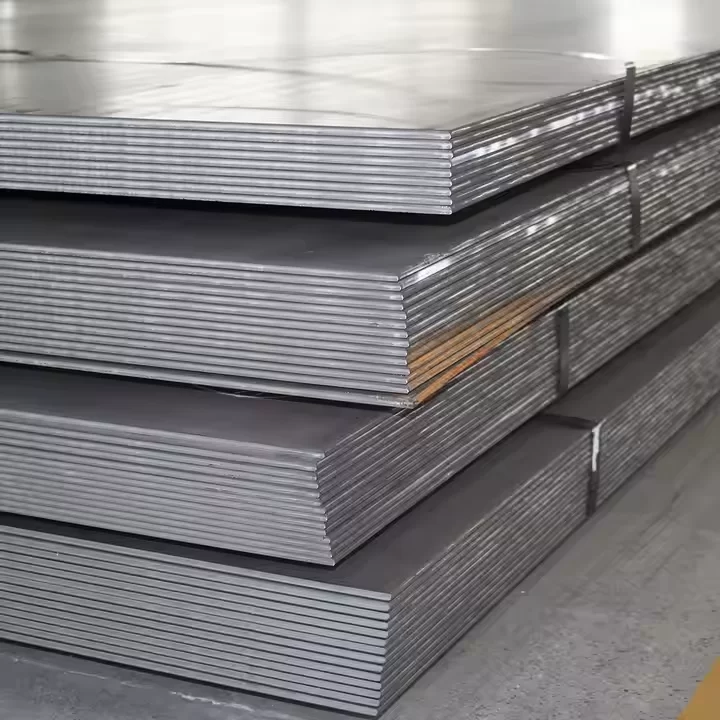
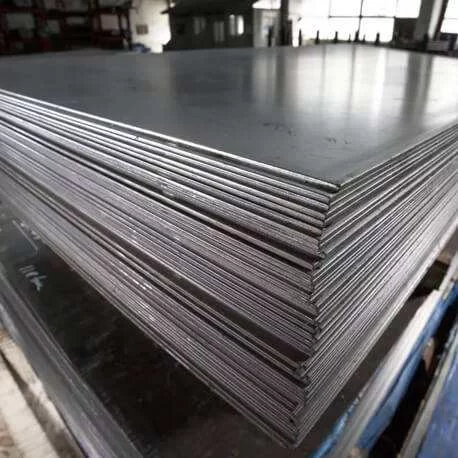
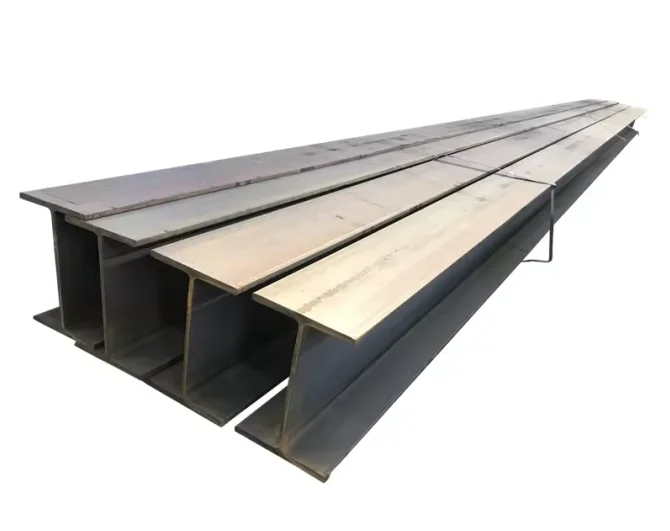
HighPerformance weathering steel plate Solutions for Russia’s Industrial Infrastructure

High-Performance weathering steel plate Solutions for Russia's Industrial Infrastructure

Providing advanced corrosion-resistant metal structures engineered to withstand the extreme temperature fluctuations and humid climates of the Eurasian region.

High-Performance weathering steel plate Solutions for Russia's Industrial Infrastructure

Specialized supply of high-durability alloy steels designed for heavy-duty metal structural manufacturing, ensuring longevity in Russia's harshest environments.

Current State of Metal Fabrication in Russia

Analyzing the demand for specialized steel in the Russian federation's industrial landscape.

Russia's vast geographical expanse and extreme climate, ranging from Arctic freeze to humid summers, place immense stress on metal structures. There is a growing transition from basic low carbon steels to high-performance alloys that can maintain structural integrity without frequent repainting or maintenance.

In the industrial hubs of the Urals and Siberia, the reliance on mild low alloy steel has increased to support the energy and mining sectors. The necessity for materials that resist atmospheric corrosion while maintaining high yield strength is now a primary requirement for government-led infrastructure projects.

Currently, the market is shifting toward sustainable architectural aesthetics and long-term durability. The adoption of cor ten steel plate is rising in urban development and bridge construction, as it eliminates the need for toxic anti-corrosive coatings in environmentally sensitive regions.
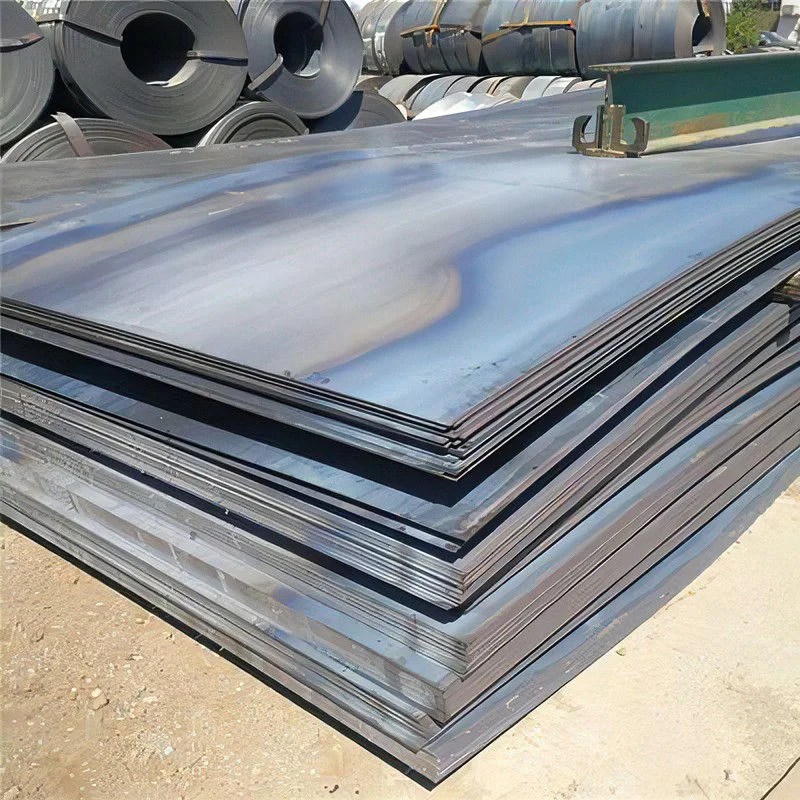
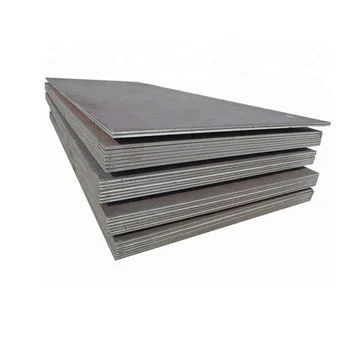
Evolution and Trajectory of Steel Rolling Technology

From traditional smelting to the era of precision alloy engineering.

Market Development History

Prior to the 1990s, the Russian market relied heavily on standardized carbon steels. However, the demand for specialized infrastructure led to the introduction of atmospheric corrosion-resistant alloys in the early 2000s, marking a shift toward metallurgy that emphasizes the "protective rust layer" concept.

Between 2010 and 2020, the precision of rolling processes improved significantly. The industry transitioned from basic hot-rolling to controlled cooling and thermomechanical rolling, allowing for the production of corten steel sheets with tighter tolerances and more consistent chemical compositions.

Modern developments now focus on the integration of digital twin technology in metal structure manufacturing, ensuring that every plate of alloy steel is optimized for its specific load-bearing role in the structure.

Future Development Trends

Green Metallurgy Integration

The shift toward hydrogen-based reduction in smelting to lower the carbon footprint of heavy plate production.

Nano-Alloy Surface Enhancement

Development of hybrid alloy steels that combine the properties of low-alloy steels with nano-coatings for extreme Arctic resistance.

AI-Driven Rolling Precision

Implementing machine learning to predict the oxidation rate of weathering steels based on specific local humidity data.

Industry Trends and Future Outlook

Forecasting the next 3-5 years of metal structure manufacturing in the region.

Climate-Adaptive Alloys
Increased demand for steels that maintain ductility at -50°C, critical for Northern Russian infrastructure.
Modular Steel Construction
Transition toward prefabricated modules using high-strength plates to reduce on-site welding time in cold climates.
Zero-Maintenance Surfaces
Accelerated adoption of weathering steels to eliminate the lifelong cost of industrial paint systems.
Smart Material Tracking
Integration of RFID and QR tracking for steel plates to ensure traceability from mill to installation.

Industry Outlook

Google search trends indicate a significant uptick in queries related to "sustainable metallurgy" and "corrosion-resistant alloys" within the Russian industrial sector. This reflects a broader movement toward lifecycle cost reduction rather than lowest initial purchase price.

We expect the demand for precision-rolled alloy steels to grow by 15% annually as Russia modernizes its rail and bridge networks, requiring materials that can withstand extreme salt exposure and freeze-thaw cycles.

Localized Applications in Russia

Proven use cases for high-performance steels across the Russian Federation.

1. Siberian Railway Bridge Structures

Utilization of weathering steel plate to create bridges that form a stable oxide layer, preventing deep corrosion in high-humidity river basins.

2. Arctic Oil and Gas Pipelines

Deployment of mild low alloy steel for pipeline supports that maintain high impact strength even at sub-zero temperatures.

3. Moscow Urban Architecture

Applying corten steel sheets for modern facade cladding and public art installations, blending industrial aesthetics with low maintenance.

4. Ural Mining Equipment Frames

Fabrication of heavy-duty chassis and structural frames using low carbon steels for ease of welding and high structural reliability.

5. Far East Port Terminals

Construction of saltwater-resistant storage tanks and loading docks utilizing advanced corrosion-resistant alloy plates.

Brand Story

Global Development Journey of Xingtai Baidi Technology Co., Ltd.

Founding Excellence

Established with a vision to solve the fragility of traditional steel in extreme environments through advanced rolling technology.

Technical Breakthroughs

Perfected the chemical composition of weathering alloys, ensuring a consistent patina across varying thickness levels.

Global Expansion

Expanded operations to serve the Eurasian market, specializing in the logistics and supply of heavy-duty structural plates.

Quality Certification

Achieved international standards for metallurgy, ensuring every sheet meets the rigorous safety requirements of global engineering.

Sustainable Future

Committing to eco-friendly production processes to provide the world with sustainable, long-life metal solutions.

Frequently Asked Questions - Russia Region

Expert answers to common technical queries regarding weathering and alloy steels.

How does cor ten steel plate behave in extreme Arctic temperatures?

Our plates are engineered to maintain superior toughness and avoid brittle fracture at low temperatures, making them ideal for Northern Russian climates.

What is the main advantage of weathering steel plate over painted carbon steel?

It forms a stable, protective rust-like oxidation layer that inhibits further corrosion, eliminating the need for recurring painting and maintenance costs.

Can corten steel sheets be used for indoor architectural projects?

Yes, they are highly valued for their unique industrial aesthetic. We recommend a clear sealant for indoor use to prevent rust runoff on floors.

What are the welding requirements for mild low alloy steel?

They require specific filler metals that match the alloy composition to ensure the weld seam possesses the same corrosion resistance as the base plate.

Are low carbon steels suitable for heavy structural loads in Russia?

They are excellent for general fabrication and load-bearing where corrosion is controlled or the steel is fully galvanized.

How do I verify the grade of weathering steel delivered?

Every shipment is accompanied by a Mill Test Certificate (MTC) detailing the chemical analysis and mechanical properties according to international standards.

Get Expert Technical Support

Contact our engineering team for customized steel solutions tailored to the specific environmental challenges of Russia.

Contact Us Now

If you are interested in our products, you can choose to leave your information here, and we will be in touch with you shortly.